So, it looks like buyers around the globe are really paying more attention to Konjac Flour in 2026. You know, demand is picking up not just for noodles and plant-based foods, but also for supplements and texture systems. According to Grand View Research’s Konjac Market report, food applications are a major growth spot. Mordor Intelligence also reports steady growth in the worldwide konjac market. Interestingly, those reports don’t always agree on numbers — and honestly, that’s something worth paying attention to, not dismissing outright.
Now, let’s talk quality. That’s what really sets a reliable supplier apart from some cheap listing you might find online. Things like glucomannan content, viscosity, mesh size, moisture levels, microbiological results, and traceability — those are key. Don’t just rely on a factory photo that looks clean; real evidence includes batch-specific certificates, lab tests, allergen info, and export records. Plus, suppliers should be able to explain how they handle raw materials from Amorphophallus konjac bulbs. And it’s a good sign when they show consistent results in cold water, hot processing, and finished recipes.
Dr. C. L. Chua and his team mentioned something pretty important in their review in the Journal of Ethnopharmacology: “Konjac glucomannan has a long history of use as a food ingredient and traditional medicine.” That’s a reminder that modern buyers need more than just trendy claims—they need solid proof of functionality and responsible communication.
When we’re choosing suppliers for 2026, we look at stuff like production capacity, technical support, certifications, packaging, lead times, and how well they respond to questions. But here’s the reality—no supplier’s perfect for all markets. A maker that does great bulk noodles might not cut it for a premium supplement. All kinds of factors like regional regulations, testing standards, and logistics can change the game pretty quickly.
This guide compares some of the top Konjac Flour suppliers using real, practical evidence, but it also encourages you to ask good questions and verify things carefully. At the end of the day, smart choices depend on thorough, thoughtful vetting.
Konjac Flour: Definition, Uses, and Global Market Role
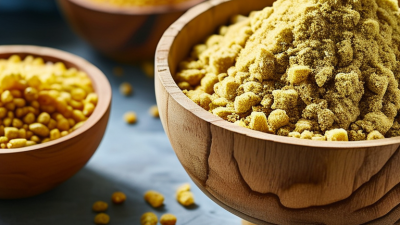
Konjac flour comes from the dried corm of Amorphophallus konjac, a plant cultivated mainly in East Asia. It is rich in glucomannan, a soluble fiber that absorbs water and forms a soft, elastic gel. In practical processing, a small amount can thicken soup, bind noodles, or improve the texture of reduced-calorie foods. Konjac Yam Flour is also used in fiber supplements and plant-based formulations.
Its commercial value extends beyond traditional cuisine. Grand View Research identifies rising demand for dietary fiber and low-calorie ingredients as major growth drivers in the global konjac market. Mordor Intelligence projects the market to expand at roughly 6% annually during its forecast period. These figures are useful, but not perfectly comparable. Some reports combine konjac flour, purified glucomannan, and finished foods.
That classification gap matters.
Professional buyers should examine viscosity, particle size, moisture, and glucomannan content before approving a supplier. A flour that looks pale and fine may still hydrate unevenly in a factory mixing tank. Testing should also cover microbiological quality, heavy metals, pesticide residues, and traceability from farm to shipment. The Food and Agriculture Organization highlights the importance of reliable quality controls in international food ingredient chains. I have found that texture claims often sound stronger than production evidence. Clear specifications, batch samples, and independent laboratory reports remain more dependable than attractive catalog language.
Key Quality Standards for Choosing Konjac Flour Suppliers
For global buyers, the best konjac flour suppliers in 2026 should prove quality with data, not attractive samples.
Grand View Research estimated the global konjac market at about USD 1.29 billion in 2023, with continued growth through 2030. That growth increases the risk of inconsistent raw materials. Ask for batch-specific certificates of analysis covering glucomannan content, moisture, viscosity, particle size, microbiology, heavy metals, and pesticide residues. A generic certificate is weak evidence.
Supplier documentation should match recognized food-safety systems. ISO 22000 certification, HACCP records, allergen controls, and full lot traceability are practical starting points. The European Commission’s Regulation (EU) No 231/2012 provides specifications for E425 konjac gum, including identity and purity requirements. Buyers should compare test methods, not only final numbers. ISO/IEC 17025 laboratory accreditation adds credibility to independent testing.
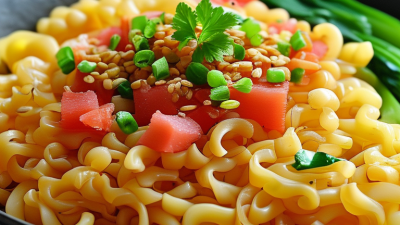
For Konjac Flour Rice applications, hydration behavior matters. Request pilot samples tested in realistic cooking conditions. Check gel strength, odor, color, and stability after heating. Small differences can change texture.
Paperwork can look excellent. Reality may differ. I would not accept one laboratory result as complete proof. Review at least three production batches, inspect packaging seals, and confirm storage conditions. Suppliers that explain failed tests openly often provide more reliable long-term support than those promising perfect consistency.
Top Konjac Flour Supplier Profiles for International Buyers
For global buyers, the best konjac flour supplier is not always the largest processor. It is the supplier with verifiable farm links, stable glucomannan content, and export experience. Grand View Research places the wider konjac market on a steady growth path through 2030, while other reports show different values because they measure powders, foods, or finished products separately. The figures are useful, but imperfect.
Agricultural processors usually offer competitive pricing and direct crop traceability.
Their profiles should show cultivation regions, drying methods, mesh size, and seasonal supply records. Specialist ingredient exporters may provide stronger documentation, including certificates of analysis, allergen statements, microbial results, and heavy-metal testing. Ask for recent batch data. Old samples prove little.
Integrated processors often control washing, drying, milling, and packing under one system. This can improve consistency during large international orders. Technical buyers should check glucomannan percentage, viscosity, moisture, sulfur dioxide limits, and dispersibility in cold water. A sample may look smooth yet perform poorly in a commercial formula. Custom formulation suppliers can help with noodles, gels, dietary products, and texture systems, but their minimum order quantities may be higher. The 2024 FAO Food Outlook highlights continuing pressure on agricultural logistics and input costs. Therefore, buyers should review backup origins, lead times, and container conditions. Supplier profiles must also explain food-safety certifications, recall procedures, and destination-market compliance. No certificate replaces an independent laboratory review.
Product Grades, Specifications, and Customization Options
Global buyers should compare konjac flour by application, not price alone.
Food-grade material commonly targets high glucomannan content, controlled moisture, and consistent viscosity. Particle size also matters. Fine powder disperses quickly, while coarser grades may reduce dust during factory handling.
A practical specification sheet should state mesh size, viscosity method, moisture, ash, pH, microbiological limits, and packaging weight.
Suppliers should provide a recent certificate of analysis for each batch. Traceability is essential. Ask for the harvest region, processing date, lot number, and storage conditions.
In my procurement experience, unclear viscosity testing causes more disputes than low viscosity itself. Different test temperatures can produce different results.
Customization may include 80–200 mesh options, neutral odor treatment, improved dispersion, or blends for noodles, beverages, sauces, and dietary formulations.
Buyers can request private packaging, multilingual labels, pallet configurations, and smaller trial quantities. However, customization needs written approval samples. A promising sample is not enough. I once accepted a visually uniform powder before checking its hydration speed. That was a costly oversight. Suppliers should also explain whether additives are present and identify every processing aid. No supplier is perfect. Clear records make weaknesses visible. For global shipments, moisture-resistant bags, inner liners, and stable carton construction help protect the powder during long transit.
Export Compliance, Packaging, and Supply Chain Requirements
For global buyers, selecting the best konjac flour supplier in 2026 requires more than comparing prices. Export compliance should be checked before purchase orders are issued. Suppliers should provide specifications, certificates of analysis, allergen statements, and traceability records. Confirm the correct customs classification with a qualified trade professional. Requirements can differ by destination. A complete document set may include origin details, production dates, batch numbers, and shelf-life information. Do not rely on one generic certificate. It may not satisfy every market.
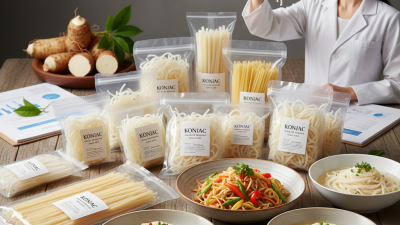
Packaging directly affects product quality during long-distance transport. Konjac flour should remain dry, sealed, and protected from heat and moisture. Multi-layer food-grade bags can help prevent contamination and clumping. Outer cartons need clear batch marks and handling instructions. For Konjac Flour Pasta, confirm whether the packaging suits retail shelves, foodservice use, or industrial processing. Test packaging before booking a full shipment. We learned that a strong carton can still fail when stacked in humid warehouses. Small details matter.
Tips: Request a pre-shipment sample and inspect its color, odor, texture, and moisture level. Ask for recent test results, not outdated files. Check whether the supplier records temperature and humidity during storage. Agree on inspection points, lead times, replacement procedures, and communication contacts in writing. Build a modest safety stock, but avoid excessive inventory because quality can decline after poor storage. Supplier audits are useful, although they cannot replace independent testing.
2026 Best Konjac Flour Suppliers for Global Buyers
Export compliance, packaging, and supply chain readiness benchmark
The benchmark prioritizes the practical requirements commonly reviewed by international buyers: food-safety certification, lot-level documentation, traceability, moisture-barrier packaging, labeling accuracy, export documentation, and supply continuity. Scores are indicative procurement benchmarks rather than company-specific data; destination-country regulations and buyer specifications should always be verified.
Price Factors, Supplier Comparison, and Sourcing Strategies
Global buyers should compare landed cost, not only the quoted price. Industry market reports, including Grand View Research’s 2024 analysis, estimate konjac-related demand will grow at roughly 6% annually this decade. Forecasts differ, however. That difference deserves scrutiny. Price usually reflects glucomannan purity, viscosity, mesh size, drying method, packaging, and order volume. Freight, insurance, testing, and import clearance can add significant costs. A low-cost offer may become expensive after delivery.
Product specifications matter more than a polished quotation. Ask each supplier for recent certificates of analysis, batch traceability, microbiological results, moisture data, and viscosity testing. Compare results from the same laboratory method. Also check production capacity and typical lead time. Suppliers with stronger documentation may charge more, but they reduce formulation surprises. The Institute of Food Technologists notes that hydrocolloid performance depends heavily on processing conditions, not merely ingredient identity. That is important when comparing samples.
Konjac Flour Calories should be reviewed carefully. Values vary with purity, moisture, serving size, and testing methods. A supplier’s nutrition sheet should explain its calculation basis. Request samples from at least three production lots, then test them in your actual recipe. Compare delivered cost per usable kilogram, not cost per bag. Start with a small trial order. It may reveal clumping, odor, or slower hydration. Dual sourcing can improve resilience, although managing two specifications requires discipline. Some buyers overlook this burden. sourcing decisions should balance price, consistency, evidence, and practical production experience.
2026 Best Konjac Flour Suppliers for Global Buyers - Price Factors, Supplier Comparison, and Sourcing Strategies
| Supplier Profile |
Typical Supply Region |
Typical Product Specification |
Indicative FOB Price
(USD/kg) |
Typical MOQ |
Estimated Lead Time |
Common Certifications |
Best Fit for Buyers |
| Large-scale industrial processor |
China; major konjac-processing areas in southwest China |
Food-grade konjac flour; approximately 70–85% glucomannan; standard mesh grades available |
4.50–7.50 |
500–1,000 kg |
20–35 days |
HACCP, ISO 22000, BRCGS, Halal or Kosher depending on facility |
High-volume food manufacturers seeking competitive pricing |
| Specialty high-purity processor |
China and Japan |
Refined glucomannan; typically 85–95% purity; low odor and controlled viscosity |
8.00–15.00 |
100–500 kg |
30–45 days |
FSSC 22000 or BRCGS, HACCP, allergen-control documentation |
Nutraceuticals, functional foods, and premium formulation work |
| Organic-oriented supplier |
China; selected certified agricultural supply chains |
Organic konjac flour or glucomannan; certification scope must cover the relevant product and facility |
9.00–16.00 |
300–1,000 kg |
30–50 days |
Organic certification, HACCP, ISO 22000; export-market requirements vary |
Clean-label products and markets requiring organic documentation |
| Private-label and formulation partner |
China, Southeast Asia, and contract-packaging hubs |
Konjac flour blends, premixes, capsules, or customized particle size and packaging |
7.00–18.00 |
100–500 kg for bulk; packaging MOQs may apply |
35–60 days |
GMP, HACCP, ISO 22000, Halal or Kosher where applicable |
Start-ups, retailers, and buyers requiring finished or branded formats |
| Regional distributor or stockist |
North America, Europe, and other established import markets |
Imported food-grade konjac flour with local warehousing and batch documentation |
10.00–22.00 |
25–250 kg |
2–15 business days from local stock |
Supplier-dependent; usually HACCP, GFSI-recognized, or food-import compliance records |
Small and medium buyers prioritizing speed and low inventory risk |
| Laboratory and pilot-scale supplier |
Global specialty-ingredient distribution networks |
Small packs of standard or high-purity glucomannan for testing and product development |
18.00–40.00 |
1–25 kg |
3–20 business days |
Certificate of analysis, specification sheet, traceability records |
R&D teams, formulation trials, and pre-commercial testing |
Key price factors:
Glucomannan content, viscosity, mesh size, whiteness, odor control, organic status, microbiological limits, packaging format, order volume, seasonal raw-material availability, freight terms, and certification requirements.
Sourcing guidance:
Request a recent certificate of analysis, product specification, allergen statement, heavy-metal and microbiological test results, country-of-origin information, certification copies, packaging details, Incoterms, and a representative sample before placing a commercial order.
Note: The price ranges are indicative 2026 planning benchmarks for bulk food-grade material, not firm quotations. Actual offers vary by purity, order size, destination, packaging, payment terms, and current freight or harvest conditions.
Conclusion
This guide to the 2026 best Konjac Flour suppliers for global buyers explains the ingredient’s definition, functional properties, and growing role in food, beverage, dietary fiber, and specialty product manufacturing. It outlines how buyers can evaluate suppliers through quality standards such as purity, viscosity, moisture control, microbiological safety, traceability, and consistency between batches. The guide also presents practical supplier profiles without focusing on brand names, helping international purchasers compare production capabilities, export experience, technical support, and responsiveness.
It further reviews product grades, particle sizes, processing methods, certifications, and customization options for different applications. Readers will also learn about export documentation, suitable packaging, storage conditions, logistics planning, and supply chain risk management. Finally, the guide explains the main factors affecting price, including quality, order volume, processing requirements, packaging, transportation, and market conditions, while offering sourcing strategies for comparing quotations, verifying samples, negotiating responsibly, and building reliable long-term supplier relationships.

 86+09153618258
 Contact Email