86+09153618258
As we head into 2026, global buyers are getting a lot more specific about what they want from Skinny Konjac Noodles. It’s not just about grabbing any option—they’re after lighter meals, reliable supply, and labels that actually tell them something useful. But here’s the thing: you can’t just trust what’s printed on the package. If you’re serious about sourcing, you need to get hands-on. Check the texture, give it a sniff, see how it holds up during cooking, test the packaging, and look through the documentation. That’s where the real answers are.
Alright, this guide takes a look at Skinny Konjac Noodles from an international sourcing angle. We're talking noodle diameter, how clear the ingredient list actually is, drained weight, shelf life, and whether they can do private label. Then there's also the factory side—experience, quality control, export readiness, and how quickly they reply. And honestly, these details can make or break things. Like, a sample might feel nice and firm when you rinse it, but then go soft once it's sitting in hot food. Or a carton might look super efficient, but it turns out to waste a ton of space when you pack it with other products. Honestly, those tiny gaps don’t seem like a big deal at first—but ignore ’em and they can turn into some seriously expensive problems.
Honestly, our evaluation process is shaped by what actual buyers go through in retail, foodservice, and distribution projects. We look at the technical data and compare it against how samples perform—not just what the marketing says. So suppliers need to provide consistent specs, traceable batch info, and the right food-safety documentation for the market they're targeting. One thing to keep in mind: requirements vary by country, so buyers have to verify current rules with qualified local professionals. That part isn't always convenient, but it's necessary.
Just because a supplier is big doesn't mean they're the best choice. Sometimes a smaller producer that's responsive and keeps batches consistent is exactly what a regional importer needs. That said, we have to be honest about one thing: quality can shift after a reformulation, a seasonal run, or even a packaging change. So think of this 2026 sourcing overview as a helpful starting point for due diligence—not a replacement for it. You'll still want to do careful sampling, get specifications in writing, and verify before shipment if you want to buy with confidence.
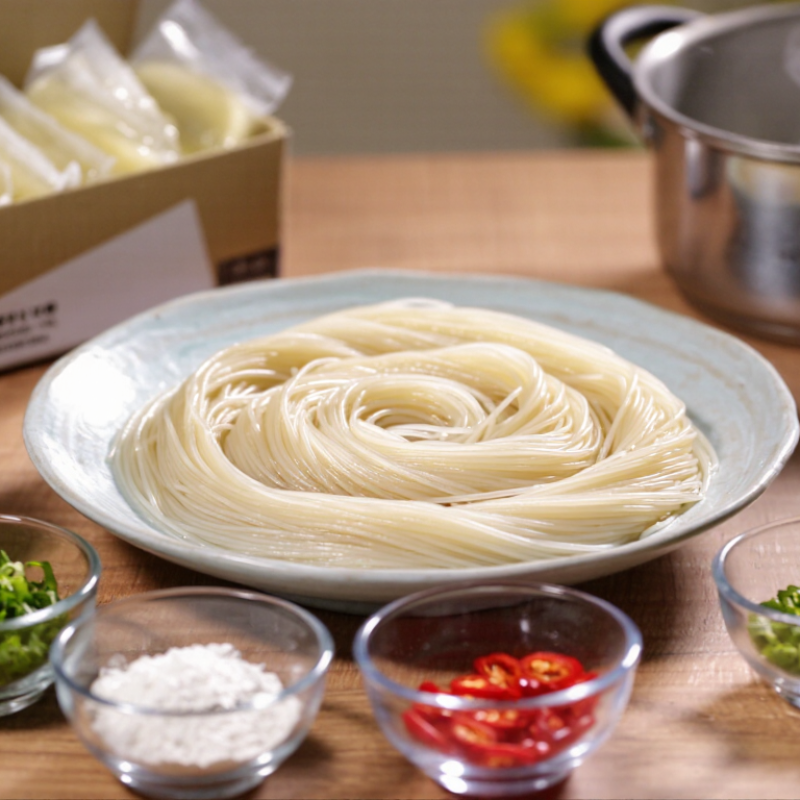
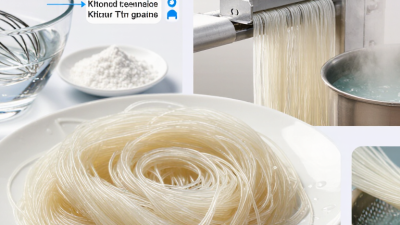
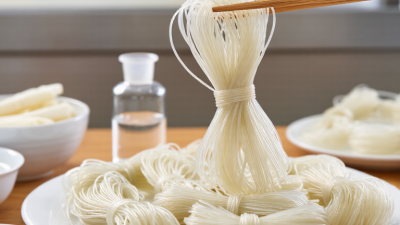
What defines skinny konjac noodles in 2026 is not only their narrow shape. The term usually describes noodles made primarily from konjac glucomannan, water, and an approved alkaline setting agent. A slim strand often measures around 1–2 millimeters, creating a light appearance and quick cooking experience. Yet “skinny” remains a market description, not a universal technical standard.
Small details matter. Laboratory testing should verify microbiological safety, permitted additives, allergens, and nutrition claims under the destination market’s rules.
The best 2026 specifications balance texture with practical logistics. Shelf-stable packs may simplify shipping, while chilled formats can offer a fresher sensory profile but require tighter temperature management. Suppliers should provide production dates, storage conditions, certificates, and consistent batch samples. A sample can look excellent and still expose weaknesses during transport. That is where sourcing decisions become less certain. Buyers should compare several batches, not trust one attractive package, and document every change before approving a long-term order.
2026 Best Skinny Konjac Noodles for Global Sourcing
Key Ingredients, Formats, and Product Specifications
For global sourcing, start with a clear ingredient profile. Most skinny konjac noodles use konjac flour, purified water, and an approved alkaline coagulant. The coagulant supports firmness and helps the noodles hold their shape during cooking. Buyers should request ingredient percentages, processing details, allergen statements, and current laboratory reports. Specifications need proof.
Skinny formats usually include strands, rice-style pieces, and short-cut noodles. Strand diameter commonly ranges from 1.2 to 2 millimeters, but thickness affects bite and cooking performance. Wet noodles in pouches offer convenience and quick preparation. Dry formats reduce shipping weight, yet they require controlled rehydration instructions. Texture matters more. A clear drained weight, net weight, pH range, moisture level, and shelf-life target can prevent costly misunderstandings.
Packaging should resist leakage, odor transfer, and heat damage during transport. Ask for pouch dimensions, carton count, pallet configuration, storage temperature, and minimum remaining shelf life at shipment. Food safety documentation should cover microbiological testing and traceability records. I once underestimated the importance of rinse instructions; a strong alkaline note can weaken customer acceptance. Samples should be tested after rinsing, heating, refrigeration, and sauce mixing. Results may differ between laboratories, so independent verification remains worthwhile. Be careful with health claims. Market-specific labeling rules still require review.
2026 Best Skinny Konjac Noodles for Global Sourcing - Key Ingredients, Formats, and Product Specifications
| Product format | Typical ingredient profile | Shape and texture | Indicative commercial specification | Nutrition considerations | Common retail / food-service pack | Storage and shelf life | Key sourcing checks |
|---|---|---|---|---|---|---|---|
| Wet shirataki-style skinny noodles | Water, konjac flour or konjac glucomannan, and a food-grade alkaline setting agent such as calcium hydroxide. Some recipes also use an acidulant. | Thin, translucent-to-white strands, commonly around 1–2 mm wide; springy, mildly chewy texture. | Typically sold hydrated in a sealed pouch with liquid. Confirm strand dimensions, drained weight, pH, and permitted additive levels against the destination market’s requirements. | Usually low in calories and digestible carbohydrate. Fiber and sodium values vary by recipe and draining method; obtain an independently verified nutrition specification. | Common examples include single-serve pouches around 200–400 g net weight; bulk food-service formats are also available. | Often shelf-stable before opening when processed and sealed appropriately. Shelf life is supplier- and process-specific; verify the validated date code and storage instructions. | Check ingredient and allergen declarations, seal integrity, drained-weight tolerance, pH controls, microbiological testing, and batch traceability. |
| Fine-cut konjac noodles | Water, konjac flour or glucomannan, and a setting agent; formulations may include citric acid or other permitted acidity regulators. | Shorter, fine-cut strands intended for soups, stir-fries, and quick-service meals; texture is typically firm and gelatinous. | Request a defined cut length and strand-width tolerance. Specify drained weight and acceptable breakage or clumping levels for the intended application. | As with other hydrated konjac products, values depend on formulation and serving preparation. Do not assume a particular fiber or calorie value without the product’s tested data. | Commonly offered in 200–400 g consumer pouches or larger food-service packs. | Usually supplied ambient or chilled depending on the process and packaging. Confirm unopened storage conditions and shelf life on the product specification. | Assess strand consistency after rinsing and heating, pouch-to-pouch weight consistency, and performance in the buyer’s target recipes. |
| Tofu-konjac skinny noodles | Water, konjac flour or glucomannan, and tofu or soybean ingredients; a setting agent may also be used. | Opaque, soft-to-chewy strands with a less translucent appearance than conventional shirataki. | Specify tofu content, strand dimensions, drained weight, and any texture targets. Formulations vary considerably between suppliers. | Contains soy and must be assessed for allergen labeling in the destination market. Nutrition generally differs from plain konjac noodles; use product-specific laboratory or validated label data. | Commonly packed in sealed pouches, often around 200–400 g net weight. | Storage conditions and shelf life depend on processing and packaging. Follow the validated supplier specification rather than assuming ambient stability. | Check soy allergen controls, ingredient declarations, microbial specifications, and texture stability after cooking. |
| Konjac noodle cups or ready-meal kits | Hydrated konjac noodles with a separate or included seasoning sachet, sauce, or soup base. Seasonings may add salt, sugar, oil, or allergens. | Thin strands portioned for convenient preparation; noodle and seasoning components may be packed separately. | Specify noodle net weight, drained weight, seasoning sachet weight, preparation method, and total serving size separately. | Evaluate the complete prepared serving, not noodles alone. Sodium, energy, and allergen profile are strongly affected by the sauce or seasoning. | Single-serve cups or bowls; actual serving sizes vary by market and product design. | Depends on cup material, sealing process, and whether the kit contains ambient-stable components. Confirm storage instructions and shelf-life validation for the complete kit. | Review packaging food-contact compliance, seal performance, preparation instructions, seasoning allergen statements, and export-market language requirements. |
| Dried konjac noodle product | Formulation varies; may contain konjac ingredients blended with other flours or starches. Review the full ingredient list because dried products are not necessarily pure konjac. | Dry strands that rehydrate during cooking; final texture and strand width depend on the formulation and preparation time. | Specify dry net weight, moisture limits, rehydration ratio, cooking time, and final cooked yield. Confirm these values through a product sample trial. | Nutrition should be compared on a clearly stated basis, such as dry product or prepared serving. Do not compare dry-weight data directly with hydrated noodle data. | Retail pouches or cartons; pack sizes vary according to serving format and market. | Generally designed for dry storage, but shelf life depends on moisture control and packaging barrier properties. Confirm the supplier’s validated specification. | Check ingredient composition, moisture and water-activity controls, cooking instructions, breakage rate, and packaging barrier performance. |
Specification note: The ranges and formats above are indicative examples for product evaluation, not universal standards. Final values—including ingredients, nutrition, dimensions, pack weight, storage conditions, shelf life, and regulatory compliance—must be confirmed against the selected product’s current specification, test reports, and destination-market rules.
For global sourcing, skinny konjac noodles should be assessed across multiple production lots, not just one attractive sample. Ask suppliers for written specifications covering noodle width, drained weight, texture, ingredients, and storage conditions. Compare sealed packs from different lots, then rinse and prepare them using the same method. Check for consistent strand thickness, a clean appearance, and similar firmness. Small differences matter. A noodle that turns brittle or unusually soft can disrupt portioning and customer expectations.
Tips: Record pack weight before and after draining, and photograph strands beside a ruler. Agree on acceptable variation before ordering. Search terms such as “Konjac Brothers Konjac Cold Noodles” can help identify product queries, but verify every specification directly with the supplier. Do not treat a keyword or product description as evidence of quality.
For a practical consistency check, prepare samples at the intended serving temperature and note odor, chew, and separation after mixing. Request recent quality records and confirm that testing methods match the specifications you receive. If details are missing, ask for clarification before scaling an order. One caveat: a single sample cannot represent every shipment, and even a careful checklist may miss changes in handling or storage.
For global sourcing, supplier capability matters as much as the noodle itself. Ask how each production lot is checked, from incoming konjac flour to sealed cartons. Reliable manufacturers can explain their process clearly and provide recent specifications for moisture, weight, packaging, and shelf life. Konjac Noodles can vary in texture when washing, cutting, or filling steps are not controlled. Request samples from more than one production run. One sample is not enough.
Review the facility’s hygiene procedures, equipment maintenance records, and batch traceability. Confirm that the supplier can identify production dates and connect finished cartons to ingredient lots. Packaging should resist leaks and withstand ordinary handling; inspect seals and carton strength during sample review. Ask how complaints and out-of-specification results are investigated. Documentation helps, but it does not replace a factory assessment. Even a polished audit report can miss a small, recurring process issue.
Tips: Request a written product specification and a sample inspection checklist. Compare noodle weight, liquid clarity, odor, and texture after preparation. Keep a retained sample from each approved lot. If a supplier gives vague answers about testing, ask for a specific record. That extra follow-up takes time. It is still cheaper than discovering inconsistent cartons after shipment.
Supplier Capabilities and Manufacturing Standards
Recommended evaluation weights for comparing suppliers—not measured industry statistics. Prioritize food safety systems, traceability, and product consistency; verify applicable requirements for each destination market.
For global sourcing, thin Konjac Oat Noodles should be judged by safety records, not appearance alone. A clean ingredient list should identify konjac flour, oat content, water, and permitted additives. Suppliers should provide batch-based certificates of analysis, including microbiological results, moisture, pH, and relevant contaminant testing. Packaging must protect the noodles from leakage, heat, and rough container handling.
Food safety systems deserve close review. HACCP, ISO 22000, FSSC 22000, or BRCGS certification may support supplier qualification, but certificates need valid scopes and dates. Check whether the certified site actually produces the noodles. Traceability should connect finished packs to raw materials within hours, not several days. Export documents may include commercial invoices, packing lists, origin documents, laboratory reports, and product specifications. Importing countries can require different labels, allergen statements, nutrition panels, and additive declarations. Never assume one label works everywhere.
Tips: Request a recent production sample, not a showroom sample. Verify the lot number on the package against the laboratory report. Ask about oat allergen controls and cross-contact prevention. Review storage instructions, especially for shelf-stable products. A polished certificate file is not proof of daily discipline. That remains an uncomfortable gap. Some suppliers also provide incomplete test scopes, so buyers should ask precise questions before approving shipment.
Packaging decisions shape shelf life and shipping costs. Konjac noodles contain substantial water, so buyers should confirm whether the product is shelf-stable or requires temperature control. Do not infer shelf life from appearance. Request validated storage conditions, date coding, and test results covering the actual recipe and packaging. Small details matter. A pouch seal that looks sound may still fail after rough handling.
Packaging should protect each pouch from punctures, leaks, and compression inside export cartons. Ask suppliers for carton dimensions, gross weight, pallet configuration, and packaging material specifications before booking freight. The FAO’s 2024 report on food security estimated that 13.2% of food was lost between harvest and retail in 2021. That figure covers many food categories, not konjac noodles specifically, but it underscores why damage prevention and inventory planning matter. It is not a reason to overpackage; excess material adds weight and waste.
For international logistics, align shipping temperature, transit time, and customs documentation with the product’s validated storage requirements. The World Bank’s Logistics Performance Index 2023 assesses trade logistics across 139 countries, highlighting differences in infrastructure, tracking, and delivery reliability. Build buffer time into arrival plans, especially when routes involve transshipment. A practical trial shipment can reveal carton damage or delays that a spreadsheet misses. And sometimes, the first plan is wrong. Revise it using shipment records and receiving inspections.
Global sourcing of Konjac Yam Noodles requires more than comparing price lists. Buyers should examine ingredient specifications, noodle width, texture, color, and cooking performance. A reliable supplier should provide current food safety documents, laboratory results, traceability records, and clear allergen statements. Ask whether testing covers microbiological limits, moisture, and packaging safety.
Request samples from several suppliers and test them under the same conditions. Record cooking time, firmness, odor, draining performance, and appearance after heating. A sample may look excellent in a small bowl but perform poorly in bulk production. Check whether the supplier can maintain consistent thickness across different batches. Small differences matter.
Production capacity also needs careful checking. Review factory photos, equipment lists, quality checkpoints, minimum order quantities, and lead times. Confirm export packaging, carton strength, pallet loading, and temperature requirements before signing. Compare payment terms and shipping responsibilities clearly, including the agreed delivery point. A low quotation can hide weak packaging or expensive delays. I have seen attractive offers become less competitive after rework and inspection costs. I still find supplier comparisons imperfect, because documents cannot fully show factory discipline. A live video audit or independent inspection can reveal more. Keep written records of every answer.
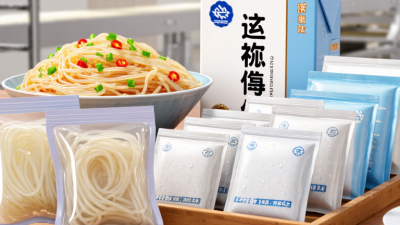
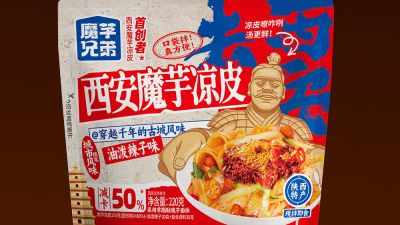
Xi’an Chili Oil Konjac Cold Noodles bring the lively character of Shaanxi street food into a convenient, modern snack. The 220g pouch includes 170g of springy konjac noodles, 20g of traditional You Po La Zi chili oil, and a multi-flavor seasoning pack. The result is a refreshing contrast: cool, chewy noodles coated in fragrant oil, gentle saltiness, and a bold chili aroma. It is especially appealing to diners who enjoy regional Chinese flavors but want an easy meal or snack at home, in the office, or while traveling.
This product also reflects the growing interest in konjac-based foods. Grand View Research’s *Konjac Market Size, Share & Trends Analysis Report* projects continued global market growth at roughly a mid-single-digit compound annual growth rate through 2030, supported by demand for plant-based and portion-conscious food choices. Meanwhile, Innova Market Insights has identified health-oriented convenience as a major trend influencing new food-product development. Konjac noodles fit this movement because they offer a distinctive chewy texture and a lighter alternative to many traditional wheat-based noodle snacks, while the separate chili-oil sachet allows consumers to adjust intensity.
For the best experience, mix the noodles thoroughly with the seasoning before serving chilled. The spicy, aromatic dressing makes each bite vivid without requiring additional cooking, offering an accessible taste of Xi’an’s bold culinary culture in a compact pouch.
The ingredient list should identify konjac flour, oat content, water, and permitted additives. Keep it clear.
Request batch-based laboratory reports covering microbiology, moisture, pH, and relevant contaminants. Check dates and testing scope carefully.
Confirm the certificate’s valid dates, certified site, and production scope. The site must actually produce the noodles.
Ask about oat allergen controls and cross-contact prevention. Require clear allergen statements for each destination market.
Packaging should resist punctures, leaks, heat, and carton compression. Request carton dimensions, gross weight, and pallet configuration.
Request validated storage conditions, date coding, and test results for the actual recipe and packaging. Do not judge shelf life by appearance.
Test samples under identical conditions. Record cooking time, firmness, odor, draining performance, and appearance after heating.
It can expose carton damage, customs delays, temperature problems, and receiving issues. A spreadsheet may miss these details.
Not always. Weak packaging, rework, inspections, or delays can erase the price advantage.
Documents help, but they cannot fully show daily factory discipline. A live audit or independent inspection may reveal more.
This guide explores what defines Skinny Konjac Noodles in 2026 and how global buyers can evaluate them for reliable sourcing. It covers key ingredients, noodle shapes and formats, texture, nutrition, moisture content, and other product specifications that influence cooking performance and consumer appeal. It also explains how to assess quality consistency through sampling, production controls, traceability, and testing procedures.
The article further examines supplier manufacturing capabilities, food safety systems, certifications, export documentation, packaging formats, shelf life, and international logistics requirements. Buyers will learn how to compare suppliers based on product quality, production capacity, customization options, communication, lead times, and total sourcing value. By reviewing these factors systematically, importers, distributors, and foodservice businesses can make more informed decisions and select Skinny Konjac Noodles that meet market expectations, operational needs, and applicable food compliance standards.