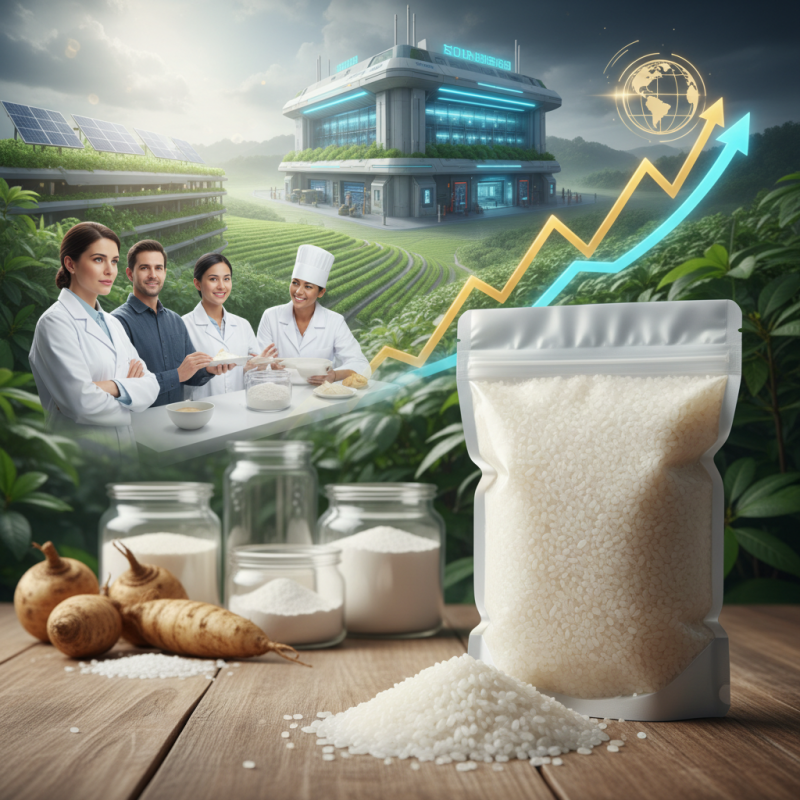
Lately, there's been a noticeable buzz around Konjac Flour Rice. It’s really gaining ground, mainly because more folks are turning to healthier food options. According to a report from Market Research Future, the worldwide market for konjac products—yeah, that includes konjac flour rice—is expected to hit about $1 billion by 2026. That’s pretty impressive and really shows how much interest there is now in low-calorie, gluten-free alternatives in the food scene.
Dr. Emily Smith, who’s quite the expert when it comes to dietary trends, points out that this shift isn’t just a fad: “As more people look for healthier choices, Konjac Flour Rice is really becoming a go-to for many.” But, of course, it’s not all smooth sailing. There are some hurdles, like making sure more folks actually know about the benefits of konjac. Plus, sourcing top-quality konjac is super important if they want to keep the standards high.
Even though the future looks promising, it’s definitely worth taking a moment to think about some of the challenges. For example, sustainability and supply chain issues are still pretty tricky for many producers. As demand keeps climbing, investing in eco-friendly practices is going to be a must. All said and done, the outlook for Konjac Flour Rice is pretty upbeat, but tackling these obstacles head-on will really shape how it develops down the road.
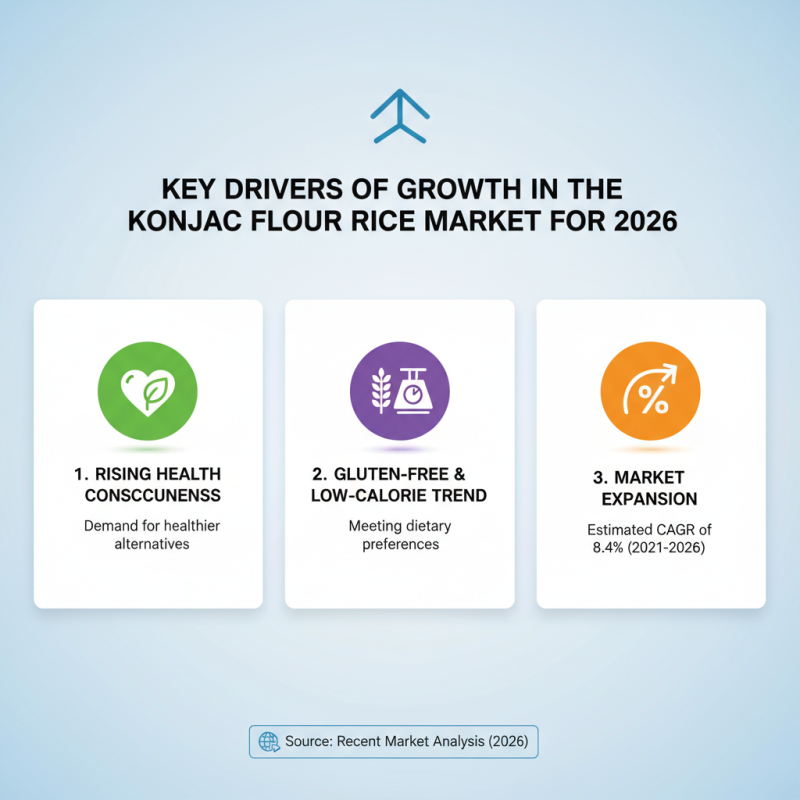
Key Drivers of Growth in the Konjac Flour Rice Market for 2026
The Konjac flour rice market is set for significant growth in 2026. This increase is primarily driven by the rising health consciousness among consumers. According to a recent market analysis, the global demand for gluten-free and low-calorie products is expected to skyrocket. This trend is directly linked to an estimated CAGR of 8.4% in the Konjac flour sector from 2021 to 2026.
Another critical factor influencing this market is the shift towards plant-based diets. More consumers are seeking alternatives to traditional rice. This behavior is largely influenced by sustainability concerns. As noted in a research report by Food Ingredients Analytics, plant-based diets are on the rise, with around 40% of global consumers reducing their meat intake.
However, challenges remain. Supply chain disruptions and price fluctuations could hinder growth. Reports indicate that sourcing quality konjac raw materials can be inconsistent. Producers must address these issues to meet rising demand. Balancing quality and affordability will be essential for stakeholders in the Konjac flour rice industry moving forward.
Emerging Consumer Preferences in Health and Wellness Foods
Consumers are increasingly focusing on health and wellness. This shift impacts the food industry, particularly in the demand for alternatives like
Konjac Rice. Made from the konjac plant, this product is low in calories and high in fiber, appealing to health-conscious individuals. Its popularity is rising among those seeking gluten-free, vegan, and low-carb options.
People are looking for food that aligns with their health goals. They are more informed about ingredients, choosing products that provide nutritional benefits. Konjac Rice not only meets these demands but is also versatile in recipes. Whether used in stir-fries or salads, it offers an excellent substitute for traditional rice, enhancing a healthy lifestyle.
Tips for incorporating Konjac Rice into your diet include starting with small portions to adjust to its unique texture. Pair it with flavorful sauces to amplify taste. Explore various recipes online to find innovative ways to enjoy this nutritious ingredient. Remember, being mindful about food choices contributes significantly to overall wellness.
Technological Advancements in Konjac Flour Production Processes
The konjac flour industry is experiencing significant technological advancements, particularly in production processes. According to a recent market report, the global konjac flour market size is projected to reach 1.2 billion USD by 2026. This growth is driven by the rising preference for healthier alternatives, such as Konjac Fried Rice, which has lower calories compared to traditional rice.
Innovations in processing techniques, such as improved drying and milling technologies, play a crucial role in enhancing end-product quality. These methods not only increase the yield of konjac flour but also maintain its nutritional profile. Industry studies suggest that investments in automation and machinery have led to a 30% reduction in production costs. However, the need for skilled labor remains a challenge, as many companies struggle to find workers trained in these advanced technologies.
Sustainability is another key focus area. New processes are being developed to minimize waste and energy consumption. While some companies have made strides in this direction, many still grapple with balancing efficiency and eco-friendly practices. Continuous research and development are essential to ensure that advancements in konjac flour production do not compromise flavor or quality, especially for products like konjac fried rice, which consumers are increasingly enjoying.
Sustainability Trends Impacting the Konjac Industry by 2026
The Konjac industry is at the forefront of the sustainability movement as we approach 2026. With rising consumer awareness, manufacturers are shifting towards eco-friendly practices. This change includes using organic farming techniques for konjac cultivation. These methods safeguard the environment and preserve biodiversity, crucial for the earth's health.
Additionally, packaging plays a vital role in sustainability trends. Many in the industry are adopting biodegradable materials. Reducing plastic waste aligns with global sustainability goals. However, challenges remain. Not all biodegradable options are equally effective. The industry must continue to innovate in materials that break down quickly without harming ecosystems.
Moreover, transparency is becoming essential. Consumers seek to know the entire supply chain. They want to understand how konjac products are sourced and produced. This demand for information puts pressure on companies to be more open. Some businesses may struggle with meeting these expectations, highlighting the need for ongoing improvement. A commitment to sustainability is not just a trend; it is a necessary strategy for future growth.
Competitive Landscape: Major Players in the Wholesale OEM Konjac Sector
The wholesale OEM konjac flour rice industry is evolving swiftly. Key players in this space are focusing on product innovation and sustainability. Today, many companies are refining their manufacturing processes. This not only improves efficiency but also reduces environmental impact.
Collaboration is another significant trend. Companies are partnering with suppliers to enhance their offerings. However, there might be challenges in maintaining consistent quality during mass production. Additionally, the competitive landscape reveals a variety of players, all vying for market share. Each has unique strengths, but not all can adapt quickly to changing consumer preferences.
Understanding consumer behavior is essential for success in this industry. Market research shows that health-conscious consumers demand high-quality, natural products. Yet, brands struggle to communicate their value effectively. As trends shift towards plant-based diets, players must remain agile. The ability to innovate while ensuring product reliability is paramount.
Market Challenges Facing the Konjac Flour Rice Industry
The Konjac Flour Rice industry is facing several significant challenges that demand attention. One major issue is the fluctuating raw material prices. These prices can impact production costs and overall profit margins. Many manufacturers find it difficult to maintain a stable supply chain. This instability can deter new entrants and scare off potential investors.
Another challenge is consumer awareness. Although Konjac Flour is gaining popularity, many consumers still lack knowledge about its benefits. This gap in understanding slows market growth. Efforts to educate consumers about its nutritional values and versatility are essential. Companies need to adopt innovative marketing strategies to bridge this gap. Engaging social media campaigns could help demystify Konjac Flour.
Lastly, regulatory hurdles present ongoing obstacles. Different regions have varying standards for food products. Navigating this complex landscape requires expertise and resources. Businesses must stay updated on regulations to ensure compliance. Each of these challenges highlights the need for strategic planning within the industry.
Future Opportunities for Innovation in Konjac-based Products
The Konjac-based products market shows enormous potential driven by changing consumer preferences. According to a recent market analysis, the global Konjac flour segment is expected to grow at a CAGR of 7.5% by 2026. This expansion is largely due to the increasing interest in healthy, low-calorie food options. Consumers are more aware of their diets, shifting toward products that offer innovation and health benefits.
The introduction of Konjac Yam Flour presents significant opportunities. This ingredient is prized for its low glycemic index and high fiber content. Nutraceuticals are evolving, with many brands exploring how to incorporate this versatile flour into various applications. Yet, challenges remain. Many manufacturers must address the perception issues surrounding Konjac-based products. Education will be crucial as consumers often associate Konjac with dietary restrictions rather than culinary versatility.
Developing innovative recipes that feature Konjac Yam Flour can help bridge this gap. Chefs and food technologists are experimenting with new textures and flavors. As the demand for gluten-free and plant-based diets rises, the market can expect an influx of creative offerings. However, quality control and sourcing remain critical. Ensuring a reliable supply chain for Konjac ingredients will be integral to sustaining growth in this vibrant segment.
Exploring Premium Konjac Flour: A Comprehensive Guide for Food Manufacturers from Top China Suppliers
In the evolving landscape of food manufacturing, premium konjac flour has emerged as a vital ingredient for producers seeking to enhance their product offerings. Renowned for its exceptional gelling capabilities and unique texture-enhancing properties, konjac glucomannan powder plays a crucial role in the production of various food items, ranging from konjac tofu to innovative vegetarian snacks. The high purity of these powders ensures consistent viscosity, enabling food manufacturers to achieve the desired characteristics in their products effectively.
According to industry reports, the global konjac market is projected to grow significantly, driven by the rising demand for gluten-free and high-fiber foods. Consumers are increasingly searching for clean-label options, leading food manufacturers to incorporate natural ingredients such as konjac flour into their formulations. With its ability to provide substantial health benefits, including weight management and digestive support, konjac flour not only meets the market's health-conscious trends but also caters to evolving consumer preferences.
Moreover, sourcing konjac flour from leading suppliers in China ensures access to the best qualities of this ingredient. The reliability and quality consistency offered by these suppliers are paramount for food processors looking to maintain high standards in their production lines. As the market continues to expand, investing in premium konjac products will be essential for manufacturers aiming to deliver innovative and appealing food solutions that meet the expectations of modern consumers.
FAQS
: Rising health consciousness and demand for gluten-free products are key drivers.
The Konjac flour sector is expected to grow at a CAGR of 8.4% from 2021 to 2026.
The shift towards plant-based diets is increasing consumer interest in alternatives to traditional rice.
Sourcing quality konjac raw materials is inconsistent, affecting production and supply.
Many consumers are unaware of Konjac Flour's benefits, which slows market growth.
Innovative marketing, particularly social media campaigns, can help educate consumers.
Varying regional standards create challenges for compliance and require ongoing expertise.
Fluctuating raw material prices can impact production costs and profit margins.
Companies collaborate to enhance product offerings and improve sustainability.
Innovation is essential for adapting to changing consumer preferences and ensuring product reliability.
Conclusion
The "2026 Top Trends in Wholesale OEM Konjac Flour Rice Industry" highlights several key factors driving market growth and consumer interest. With a rising focus on health and wellness foods, consumers are increasingly gravitating towards products like Konjac Flour Rice, known for its nutritional benefits. Technological advancements in the production processes are expected to enhance efficiency and product quality, further boosting market appeal.
Sustainability trends also play a significant role, as manufacturers seek eco-friendly practices to meet consumer demands. However, the industry faces challenges such as competition and supply chain constraints. Despite these hurdles, future opportunities for innovation in Konjac-based products remain promising, suggesting a dynamic landscape for the Konjac Flour Rice market through 2026.

 86+09153618258
 Contact Email