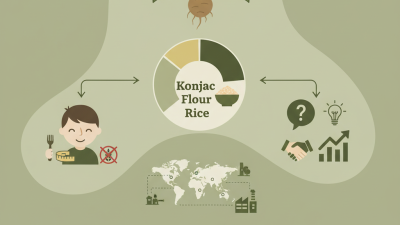
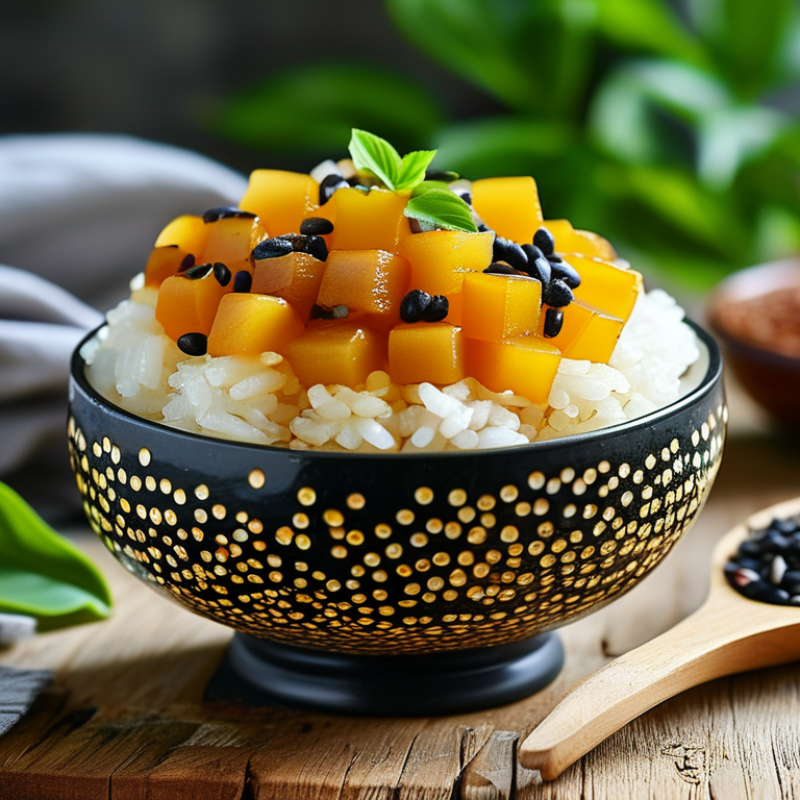
Hey, have you noticed how people are really starting to look for healthier food options these days? One pretty interesting thing that's been popping up is Konjac Flour Rice. It’s kinda a game-changer in the rice world, gaining popularity all over because of its health perks. Made from the konjac plant—which is packed with fiber and super low in calories—it’s actually pretty cool.
More and more folks around the globe are realizing that adding Konjac Flour Rice to their meals can be a smart move. If you’re trying to watch your weight, this rice can fill you up without the extra calories. Plus, its high fiber content is great for digestion and keeping your gut happy. But, fair warning—this stuff isn’t for everyone, and some people might not love the taste or might have specific dietary needs.
As the interest grows, it’s a good idea to stick with trusted brands. Companies like Miracle Noodle actually offer some really good quality Konjac Flour Rice options. All in all, this trend just shows how important it is to stay informed and make good choices about what we eat.
What is Konjac Flour Rice and Its Origins?
Konjac flour rice is a unique product made from the konjac plant, native to Asia. This plant thrives in regions like Japan and China, where it has been cultivated for centuries. The starchy root is harvested and processed into flour, creating a low-calorie, gluten-free rice alternative. Its distinct texture and nutritional profile have garnered attention from health-conscious consumers globally.
Many enjoy the benefits of Konjac Rice, including its low carbohydrate content and high fiber. This rice is often used in various cuisines, providing a satisfying texture without the extra calories. It can absorb flavors from sauces and spices, making it a versatile addition to meals. However, some users find the texture unfamiliar, which may require some adjustment.
When trying Konjac rice, consider pairing it with flavorful ingredients like stir-fried vegetables or protein sources. Cooking styles can enhance its appeal. Some may not enjoy it at first, but experimenting with different recipes can lead to enjoyable dishes. Always check for freshness, as the quality of Konjac rice can vary. This product can elevate your meals and support your dietary goals.
Nutritional Profile of Konjac Flour Rice
Konjac flour rice stands out for its unique nutritional profile. It is low in calories and high in fiber. This makes it an excellent choice for those looking to manage their weight. The fiber content promotes digestive health, reducing feelings of hunger. Some people find it beneficial for regularity as well.
Moreover, konjac flour rice is rich in glucomannan, a natural soluble fiber. Glucomannan can help control blood sugar levels and support heart health. This nutrient contributes to stabilizing blood sugar, which is crucial for overall well-being. Incorporating konjac flour rice into meals may enhance nutrient absorption. However, it’s important to balance it with other foods for a well-rounded diet.
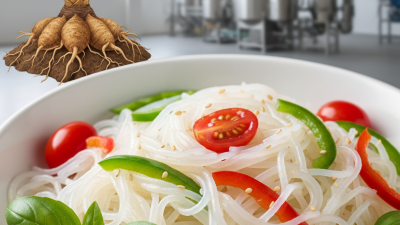
In using Konjac Fried Rice, one might discover its versatility. It can absorb flavors well, making it ideal for stir-fries or salads. Yet, some might struggle with its texture, which differs from traditional rice. Experimentation is key. Trying new combinations can lead to delicious discoveries. Remember, consistency in your diet is vital for achieving optimal health.
Top 10 Benefits of Konjac Flour Rice for Global Buyers
This bar chart illustrates the top 10 benefits of Konjac Flour Rice, highlighting its nutritional advantages and potential for various health benefits. Each benefit is scored based on a scale from 1 to 10, offering a quick visual reference for buyers considering this product.
Health Benefits of Incorporating Konjac Flour Rice in Diet
Konjac flour rice, derived from the konjac plant, offers a blend of health benefits. It is incredibly low in calories. Studies show it contains only about 10 calories per 100 grams. This makes it an excellent choice for weight management. The high fiber content, particularly glucomannan, can enhance satiety. This means it keeps you feeling full longer, potentially reducing overall calorie intake.
Research highlights another advantage: improved gut health. The soluble fiber in konjac flour acts as a prebiotic. It nourishes beneficial gut bacteria, contributing to a balanced microbiome. A study in the Journal of Functional Foods reported that incorporating glucomannan can lead to better digestion and reduced bloating. Additionally, konjac flour rice significantly lowers blood sugar levels post-meal. This is crucial for those managing diabetes, as it slows carbohydrate absorption.
However, there can be challenges. Some individuals may experience digestive discomfort when consuming konjac flour. It's essential to start gradually, allowing your body to adjust. Not everyone may enjoy the texture or the taste, so experimenting with recipes is key. Health benefits are significant, but personal preference plays a vital role in dietary choices.
Culinary Uses of Konjac Flour Rice in Various Cuisines
Konjac flour rice is gaining popularity in various culinary traditions. This versatile ingredient, made from the konjac plant, provides a unique texture. It is particularly suitable for gluten-free and low-calorie diets. Research suggests that konjac contains glucomannan, a soluble fiber that can aid digestion. According to a report by the Nutritional Journal, this fiber can promote feelings of fullness, potentially supporting weight loss.
In Asian cuisine, konjac flour rice is often used in noodle dishes and stir-fries. Its ability to soak up flavors makes it a favorite in soups and stews. In Japanese cooking, it is common in dishes like shirataki, which is made from konjac flour. Moreover, in Western culinary practices, chefs are experimenting with konjac as a rice substitute in grain bowls and salads. Its neutral flavor allows it to blend well with various ingredients.
There are challenges to consider with konjac flour rice. Some may find its texture unfamiliar or slightly rubbery. Additionally, improper preparation can lead to a lack of flavor. It is essential to cook it adequately to maximize its culinary potential. While konjac flour rice offers numerous benefits, chefs and home cooks must find the right balance in its use to enhance their dishes effectively.
Sustainability and Environmental Impact of Konjac Farming
Konjac farming has gained attention due to its sustainable practices. The plant thrives in poor soil conditions, reducing the need for chemical fertilizers. Farmers cultivate konjac in rain-fed areas, which helps preserve water resources. This makes it an eco-friendly option in agriculture. Additionally, konjac plants grow rapidly, ensuring quick harvests and minimal land use.
While konjac offers many environmental benefits, there are challenges. Overharvesting can strain local ecosystems. Farmers must balance production with environmental health. The market demand for konjac flour rice continues to rise. This can lead to unsustainable farming practices if not managed properly. It's essential for growers to adopt responsible methods to protect their land and water.
Education plays a vital role in promoting sustainable konjac farming. Training programs can help farmers understand best practices. Efforts to raise awareness about konjac's environmental advantages are growing. However, the industry must remain vigilant. Sustainable choices today will benefit future generations. Advocating for responsible consumption is crucial for the longevity of konjac farming.
How to Choose Quality Konjac Flour Rice Products
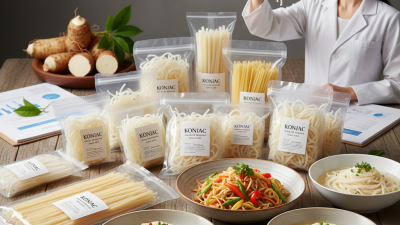
When choosing quality Konjac Flour rice, several factors come into play. Start with checking the ingredient label. Genuine Konjac Flour should be the primary ingredient without unnecessary additives. Some products may blend it with other flours, diluting its benefits. Pay attention to the texture and color as well. Quality Konjac Flour rice often has a consistent, smooth texture and a slightly off-white color. If the rice appears overly processed or has an unusual color, it may not be the best choice.
Another aspect to consider is the source of the Konjac Flour. It is essential to buy from reputable suppliers who prioritize sustainable and ethical practices. Research their farming and production methods. Transparency in sourcing can indicate a commitment to quality. Reviews can also provide insights. Look for feedback on the texture, taste, and overall satisfaction from previous buyers.
Lastly, consider the packaging. Properly sealed Konjac Flour rice helps preserve its freshness and quality. Check for any signs of damage or compromised packaging. A well-packaged product reflects professionalism and care in handling. Balancing these aspects can guide buyers towards making informed choices in the vast market of Konjac Flour products.
Top 10 Benefits of Konjac Flour Rice for Global Buyers
| Benefit |
Description |
Nutritional Aspect |
| Weight Management |
Low-calorie option that promotes satiety. |
Low calories (approximately 10 calories per serving). |
| Gluten-Free |
Suitable for those with gluten intolerance or celiac disease. |
No gluten content. |
| High Fiber Content |
Promotes digestion and gut health. |
Around 4 grams of fiber per serving. |
| Blood Sugar Control |
Helps to stabilize blood sugar levels. |
Low glycemic index. |
| Versatility |
Can be used in various recipes like noodles, rice, and baking. |
Adaptable to various diets. |
| Satiating |
Increases feelings of fullness, aiding in weight loss. |
Fiber-rich content enhances satisfaction. |
| Heart Health |
May contribute to lower cholesterol levels. |
Contains soluble fiber which aids cholesterol reduction. |
| Antioxidant Properties |
May help combat oxidative stress. |
Contains compounds with antioxidant effects. |
| Improved Nutrient Absorption |
Can enhance absorption of nutrients in the gut. |
Promotes healthy gut flora. |
| Environmentally Friendly |
Sustainable and low-impact agricultural product. |
Minimal resource usage compared to rice. |
Global Market Trends and Demand for Konjac Flour Rice
The global market for Konjac Flour Rice is witnessing significant growth. According to industry reports, the demand has surged by over 20% in the last two years. This increase is driven by a rising awareness of the health benefits associated with Konjac Yam Flour. Consumers are actively seeking low-calorie, gluten-free alternatives in their diets.
One of the key market trends is the growing popularity of plant-based diets. Konjac Flour Rice is particularly appealing due to its high fiber content. Studies show that diets rich in fiber can reduce the risk of chronic diseases. Furthermore, culinary experts are experimenting with Konjac Yam Flour in various recipes, enhancing its appeal to a wider audience.
There are challenges, however. Not all consumers are familiar with the product. The potential for confusion in the market exists. Educational efforts are needed to clarify the benefits and uses of Konjac Flour Rice. This gap may hinder its adoption by some buyers. Continuous research and development in this area can help bridge that gap and foster greater market acceptance.
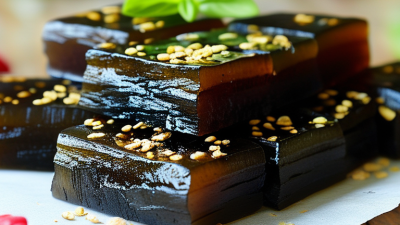
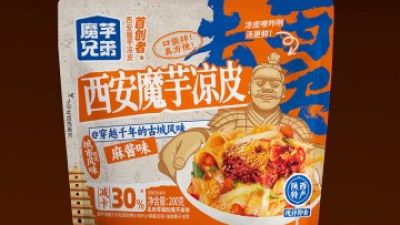
Deliciously Unique: Discover the Flavors of China Konjac Cold Noodles with Sesame Paste from Xi'an Street Food
The culinary scene in China is rich with diverse flavors and textures, with Xi’an street food standing out for its unique offerings. Among these, the Konjac cold noodles have gained considerable attention, particularly when paired with sesame paste. This combination not only highlights the local palate but also presents a healthy eating option, given the konjac’s low-calorie and low-carb profile.
Recent market reports indicate a growing interest in healthier Asian foods, with the global market for konjac products expected to expand significantly. The chewy texture of konjac cold noodles, combined with the creamy, aromatic sesame paste, creates a harmonious balance that appeals to flavor enthusiasts. The inclusion of Xi’an-style chili oil adds an extra layer of complexity, bringing a spicy kick that complements the dish’s creaminess. This balance of flavors makes it an ideal choice for those seeking a nutritious yet satisfying meal on the go.
As health-conscious consumers increasingly prioritize wholesome food alternatives, traditional Asian dishes like these are being reimagined to fit modern dietary trends. The perfect embodiment of Xi’an street food, these konjac noodles represent not only a delightful taste experience but also a nod to the heritage of Shaanxi cuisine, making them a must-try for anyone looking to explore authentic and innovative flavors from China.
FAQS
: Konjac flour rice is made from the konjac plant. It is low in calories.
It contains about 10 calories per 100 grams. This makes it suitable for weight management.
The soluble fiber supports gut health. It acts as a prebiotic for beneficial bacteria.
Yes, it can lower blood sugar levels after meals. This is beneficial for those managing diabetes.
Some people might experience digestive discomfort. It's advisable to start with small amounts.
The surge is due to health consciousness. More consumers seek low-calorie and gluten-free options.
Experimenting with recipes can help. Some may not like the texture or taste initially.
Not everyone knows about konjac flour rice. Education is necessary to encourage wider adoption.
Its high fiber content makes it appealing. Fiber-rich diets can reduce chronic disease risks.
Personal preferences matter. It’s important to reflect on taste and texture when selecting foods.
Conclusion
Konjac Flour Rice, derived from the konjac plant, offers a variety of nutritional benefits and culinary versatility. Known for its low calorie and high fiber content, it serves as an excellent alternative for health-conscious consumers seeking to manage their weight or improve digestive health. The unique properties of Konjac Flour Rice make it a valuable addition to numerous cuisines, allowing for innovative dishes that cater to diverse dietary preferences.
The sustainability of konjac farming highlights its minimal environmental impact, making it an attractive choice for eco-conscious buyers. As global demand for plant-based and health-oriented products grows, understanding how to select quality Konjac Flour Rice is crucial for consumers. With its appealing nutritional profile and culinary applications, this ingredient is poised to continue its rise in popularity across markets worldwide.

 86+09153618258
 Contact Email