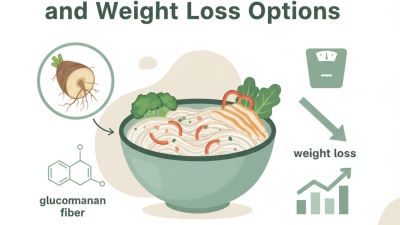
Lately, the Konjac Keto Diet has really been catching the eye of health enthusiasts all over the world. It’s one of those things that people are curious about because it promises some pretty interesting benefits, especially when it comes to managing weight and feeling overall healthier. Dr. Emily Richards, who’s a well-known nutritionist, even says that ‘the Konjac Keto Diet can totally change how we think about food and our health.’ Pretty big claim, huh?
So, here’s the gist: this plant-based diet centers around glucomannan from konjac roots. It helps you feel full without piling on the calories, which is a big deal for folks trying to watch what they eat without feeling deprived. If you’re shopping from around the world, this could be a really sustainable way to keep your weight in check, and the high fiber content actually helps with digestion and might even give your metabolism a boost.
That said, jumping into it isn’t always smooth sailing at first. Some people find the initial switch a little tough, as their bodies are just getting used to new eating habits. And yeah, that can make you reflect on your personal food choices—sometimes quite a bit!
At the end of the day, it’s important to weigh both the perks and the potential downsides. While many praise it for lower calorie intake, others might find it a bit tricky to get used to at first. But overall, experts seem to agree that if you approach the diet thoughtfully, it could really help boost your overall well-being.

Understanding the Konjac Keto Diet: An Overview
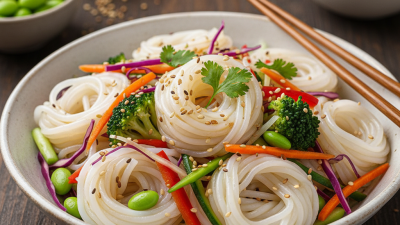
The Konjac Keto Diet is gaining popularity among health-conscious consumers. This unique diet incorporates konjac, a plant that is low in calories and high in fiber. By focusing on konjac noodles, dieters can enjoy a fulfilling meal without excessive carbs. The glucomannan in konjac helps to promote satiety, making it easier to resist unhealthy snacks throughout the day.
Tips: Incorporate konjac noodles into stir-fries or soups for a satisfying dish. Just keep an eye on portion sizes; even healthy foods can lead to overeating. The versatility of konjac allows it to take on the flavors of your favorite sauces, creating delicious meals that fit your dietary needs.
Transitioning to a Konjac Noodle Diet requires some adjustments. Many people find the texture different from traditional pasta. Experimenting with ingredients can help you find the perfect combination. While it may take time to adapt, the benefits often outweigh the challenges. Staying patient and open to new recipes encourages a successful journey towards better health.
Top 10 Benefits of Konjac Keto Diet for Global Buyers
The Konjac Keto Diet offers numerous benefits, particularly for those looking to improve their health through weight management and dietary changes. The chart illustrates the top 10 benefits of this diet, showing the effectiveness of konjac in various health aspects, including weight loss, digestive health, and more.
Key Components of the Konjac Root and Its Nutritional Benefits
The konjac root, a staple in many Asian diets, has gained popularity for its health benefits. Known for its high fiber content, konjac can help regulate digestion. Its main component, glucomannan, absorbs water and expands, promoting a feeling of fullness. This can assist individuals in maintaining a healthy weight. Incorporating Diet Noodles Konjac into meals may satisfy hunger cravings without excessive calories.
Adding konjac to your meals isn’t just about weight loss. This root is low in carbohydrates, making it suitable for low-carb diets. It is rich in essential nutrients like calcium and iron, contributing to overall health. Despite its benefits, some may find konjac difficult to digest. Start with small amounts to see how your body reacts.
When preparing meals, consider these tips. Cook Diet Noodles Konjac with flavorful sauces or vegetables for enhanced taste. Try adding spices to elevate the dish beyond the typical blandness. Always choose fresh ingredients for better nutrient absorption. Remember, balance is key. Sustainable eating promotes long-term health; it's important to embrace variety in your diet.
How the Konjac Keto Diet Aids in Weight Management Strategies
The Konjac Keto Diet stands out as an innovative method for weight management. Made from the konjac plant, it is rich in glucomannan fiber. This fiber expands in your stomach, promoting a feeling of fullness. Consequently, it helps minimize calorie intake, making it easier to adhere to a low-calorie plan.
Incorporating konjac into meals can also boost nutrient absorption. The low-carb nature of this diet aligns well with ketogenic principles. It encourages the body to burn fat for energy, which is vital for effective weight loss. However, it is essential to listen to your body. Some people may experience digestive discomfort when first starting. Gradually introducing konjac can help mitigate this issue.
Hydration plays a critical role too. When consuming konjac, it's important to drink plenty of water. The fiber absorbs water and can lead to bloating if not consumed with adequate liquids. Tracking how your body responds to konjac is crucial. That way, you can adjust portions and maintain comfort during your weight loss journey.
Exploring the Impact on Digestive Health and Gut Function
The Konjac Keto Diet is gaining popularity for its impact on digestive health. This unique diet centers around konjac flour, a fiber-rich ingredient known to support gut function. Studies indicate that high fiber intake may lead to improved gut microbiota diversity. A diverse gut microbiome is associated with better digestive health. Research highlights that including konjac in your diet can contribute to a balanced gut environment.
Tips: Aim to incorporate konjac noodles or flour into your meals. This can be as simple as replacing traditional pasta with konjac noodles. Many individuals report feeling fuller for longer, which can also aid weight management.
Moreover, konjac's high fiber content can alleviate constipation. Reports suggest that fiber-rich diets can reduce gastrointestinal issues. However, transitioning to a high-fiber diet must be done gradually to avoid discomfort. Drinking plenty of water is essential to help fiber do its job effectively. Finding the right balance may take some time, but the benefits are worth it.
Top 10 Benefits of Konjac Keto Diet for Global Buyers - Exploring the Impact on Digestive Health and Gut Function
| Benefit |
Description |
Impact on Digestive Health |
| Weight Management |
Helps in promoting a feeling of fullness, reducing overall calorie intake. |
Aids in better digestion and may prevent overeating. |
| Improved Gut Health |
Rich in soluble fiber, which acts as a prebiotic. |
Supports the growth of healthy gut bacteria. |
| Blood Sugar Control |
May help to stabilize blood glucose levels post meals. |
Improves the efficiency of insulin response. |
| Lower Cholesterol Levels |
Supports healthy cholesterol management. |
Promotes heart health and reduces cardiovascular risks. |
| Anti-inflammatory Properties |
Contains compounds that may reduce inflammation. |
Supports overall gut health by reducing irritation. |
| Enhanced Nutrient Absorption |
Improves the body's ability to absorb essential nutrients. |
Helps ensure necessary vitamins and minerals are available. |
| Reduced Bloating |
May help in reducing gastrointestinal discomfort. |
Promotes smoother digestive processes. |
| Supports Detoxification |
Aids in the elimination of waste products from the body. |
Enhances overall gut function and health. |
| Versatility in Diet |
Can be incorporated into various meals and snacks. |
Promotes a balanced and flexible dietary approach. |
| Low Calorie |
Contains very few calories yet provides satiation. |
Helps maintain a calorie deficit for weight loss. |
Konjac Keto's Role in Reducing Blood Sugar Levels Effectively
The Konjac Keto diet is gaining attention for its ability to manage blood sugar levels effectively. Research shows that ingredients like glucomannan, derived from konjac root, can help regulate glucose metabolism. A study published in the "Journal of Diabetes Research" indicates that glucomannan supplementation reduced fasting blood sugar by approximately 22% in participants with type 2 diabetes. This finding highlights the potential of Konjac's natural properties in promoting healthier blood sugar levels.
Many people struggle with high blood sugar. The Konjac Keto diet, focusing on low-carb and high-fiber foods, offers an appealing solution. It may help reduce insulin resistance. Following a Pasta Keto Konjac regimen can aid in stabilizing energy levels throughout the day. Participants often report fewer energy crashes, contributing to better overall health. However, results can vary. It's crucial to monitor individual responses to dietary changes.
While the benefits appear promising, some users express challenges in adjusting to new meal plans. Incorporating konjac-based noodles may feel different than traditional pasta. This adjustment is essential for long-term success. Additionally, some individuals might experience digestive discomfort when first adding glucomannan to their diet. It's necessary to approach this transition cautiously and consult healthcare professionals. Understanding these nuances can lead to a more informed and personalized dietary experience.
Sustainability of the Konjac Keto Diet for Global Consumers
The Konjac Keto diet presents a unique opportunity for global consumers focused on sustainability. This diet emphasizes low carbohydrate intake, relying heavily on konjac, a plant known for its fiber-rich properties. Konjac is cultivated efficiently in various regions, promoting local agriculture and reducing food miles. By choosing this plant-based diet, consumers can contribute to a lower carbon footprint.
Tips for incorporating konjac into your meals:
Consider adding konjac noodles to your favorite soups. They absorb flavors well and add texture without extra calories. Also, try konjac rice as a substitute for traditional rice. It’s low in carbs and high in fiber. Experimenting with these alternatives can offer variety, and you can enjoy various culinary dishes sustainably.
Maintaining a sustainable diet isn’t always perfect. Importing konjac from distant locations may negate its environmental benefits. It’s crucial to source local products whenever possible. Reflect on your consumption habits and consider how often you rely on imported ingredients. This awareness can lead to more eco-friendly choices. Embracing the Konjac Keto diet with mindful selection supports both personal health and global sustainability.
Success Stories: Real-life Benefits of Adopting the Konjac Keto Diet
The Konjac Keto Diet has gained traction among health enthusiasts. Real-life success stories illustrate this diet's transformative power. For instance, a study published in the Journal of Nutrition found that a low-carbohydrate diet can lead to greater weight loss compared to standard diets. Participants who adopted Keto combined with konjac enjoyed substantial weight loss. Many reported shedding over 10 pounds in the first month. This rapid progress encourages others to try the
Pasta Konjac Keto approach.
Moreover, digestive health improved for many individuals. Konjac flour, rich in glucomannan, enhances gut health. According to a report by the American Journal of Clinical Nutrition, fiber-rich diets can decrease cholesterol levels. The users of the Konjac Keto Diet experienced lower cholesterol and better bowel movement regularity. However, not every experience is perfect. Some dieters faced initial digestive discomfort when transitioning. Such reactions remind us to approach new diets thoughtfully.
The success stories surrounding the Konjac Keto Diet highlight real benefits. Many report increased energy levels and reduced cravings for unhealthy snacks. According to the Obesity Society, maintaining higher energy levels contributes significantly to sustaining a healthy weight. However, personal adaptability varies. Not everyone finds konjac-based meals appealing. Reflecting on taste preferences is vital for long-term adherence. Through these journeys, the potential of Pasta Konjac Keto continues to be explored.
Market Insights and Nutritional Analysis of KONJAC BROTHERS Spicy & Hot Chicken Flavor Noodles: Trends in Low-Calorie Alternatives
In today's rapidly evolving food landscape, the demand for low-calorie alternatives is more pronounced than ever. Consumer preferences are shifting towards healthier options that do not compromise on flavor. A significant trend emerging from market insights shows that products like konjac noodles, particularly in spicy and hot chicken flavors, are becoming increasingly popular among health-conscious individuals. These noodles, derived from the konjac plant, are not only low in calories but also boast a zero-carb profile, aligning perfectly with the growing keto diet trend.
The nutritional advantages of konjac noodles extend beyond their calorie count. They are rich in dietary fiber, contributing to digestive health and sustained satiety. According to industry research, the global market for low-calorie food alternatives is projected to grow at a rate of 5.5% annually, driven largely by the rising incidence of obesity and related health concerns. Additionally, gluten-free diets are on the rise, with approximately 30% of consumers actively pursuing gluten-free products, further solidifying the appeal of konjac noodles as a versatile meal option.
With a shelf life of nine months and the ability to customize products to meet specific dietary needs, konjac noodles serve as an excellent solution for both consumers and food retailers. Their ease of preparation makes them an ideal choice for busy lifestyles, allowing individuals to enjoy delicious meals without the guilt associated with traditional high-carb noodles. As the market for healthy food continues to expand, products like konjac noodles will likely play a pivotal role in shaping the future of convenience and nutritional wellness.
FAQS
: The main component of konjac root is glucomannan, a type of soluble fiber.
Konjac promotes a feeling of fullness, which may assist in maintaining a healthy weight.
Yes, konjac is low in carbohydrates, making it appropriate for low-carb diets.
Glucomannan derived from konjac may help regulate glucose metabolism and reduce fasting blood sugar.
Enhance flavor with spices or sauces and use fresh ingredients for better nutrient absorption.
Yes, some individuals report digestive discomfort when they first incorporate glucomannan into their diet.
While many report weight loss and increased energy, individual experiences can differ significantly.
Yes, adjusting to konjac-based meals can be challenging for some, as it differs from traditional pasta.
Some users may struggle with taste preferences or report initial digestive discomfort during the transition.
Embracing variety in meals is important for long-term health and prevents dietary boredom.
Conclusion
The Konjac Keto Diet is a unique dietary approach that combines the benefits of konjac root with the principles of a ketogenic diet, making it increasingly popular among health-conscious individuals. This diet is rich in key components such as glucomannan, which offers numerous nutritional benefits, including effective weight management and improved digestive health. By incorporating the Konjac Keto Diet, individuals can experience reduced blood sugar levels and enhanced gut function, which are essential for overall wellness.
Moreover, the sustainability aspect of the Konjac Keto Diet makes it appealing to global consumers looking for environmentally friendly dietary options. Success stories from those who have adopted this diet highlight its effectiveness, showcasing real-life benefits that contribute to healthier lifestyles. By focusing on these advantages, the Konjac Keto Diet emerges as a promising choice for those seeking to improve their health and well-being.

 86+09153618258
 Contact Email