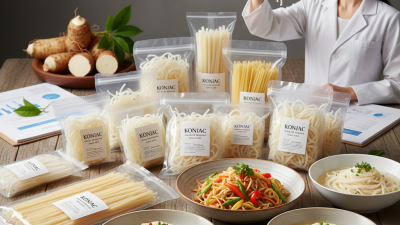
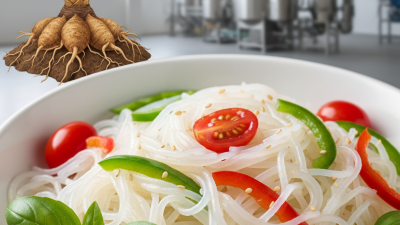
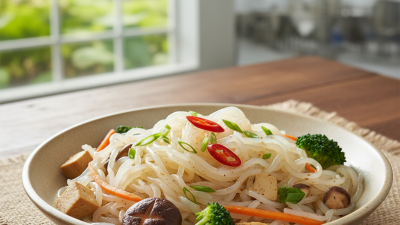
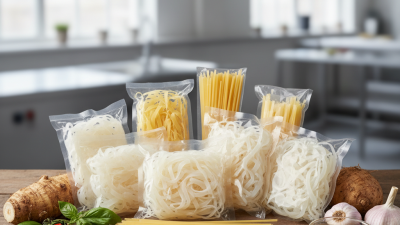
Lately, Konjac Kuey Teow has been catching quite a bit of attention worldwide. If you haven’t tried it yet, it’s this pretty cool noodle made from the konjac plant — and honestly, it’s been a hit with folks who are into healthier eating. Dr. Emily Chen, who’s really into food innovation at Health Noodle Co., puts it nicely when she says, “Konjac Kuey Teow offers a low-calorie alternative without sacrificing taste.” I mean, that’s pretty awesome, right?
What makes these noodles even more appealing is how versatile they are. They fit right into all kinds of dishes, from stir-fries to soups and salads, and they soak up flavors like a sponge. Plus, with their low carb count, they’re not just for weight-watchers — anyone looking to eat healthier might want to give these a shot. But, here’s the thing — not all brands are created equal. It’s worth doing a little homework to find out about the quality and where they come from.
Now, I get it — some people might find the texture a bit weird at first. It’s definitely a different experience, and honestly, it could take a little getting used to. That’s why spreading the word and educating folks about what to expect is pretty important. All in all, though, the pros totally outweigh the cons, and it’s definitely an exciting addition to anyone’s culinary lineup looking to switch things up.
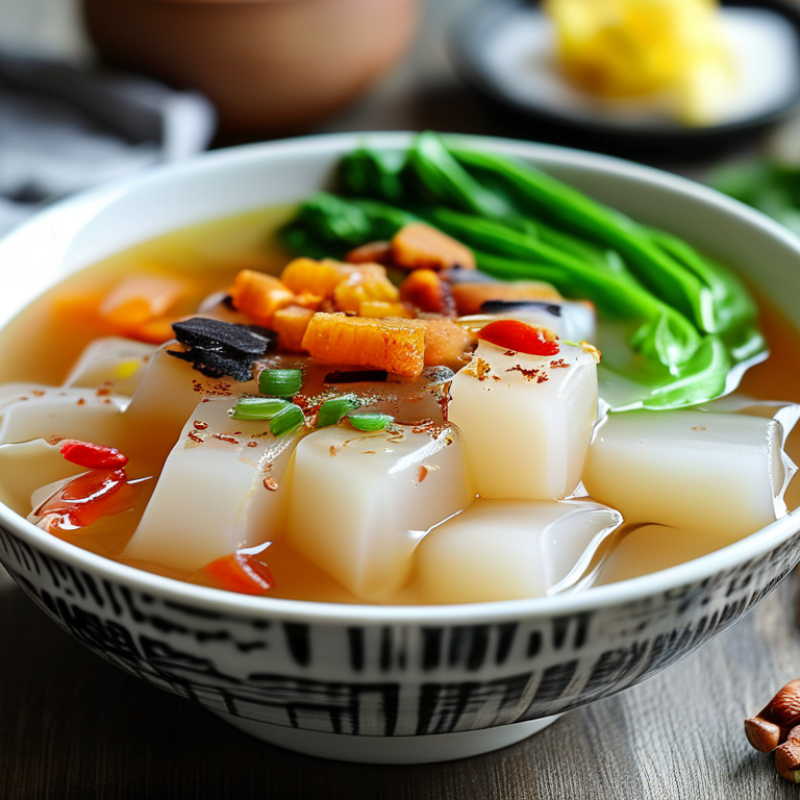
Top 10 Health Benefits of Konjac Kuey Teow for Nutritional Awareness
Konjac Kuey Teow offers numerous health benefits that appeal to health-conscious consumers. Made from konjac flour, it's rich in glucomannan, a water-soluble fiber. This fiber aids digestion and promotes gut health. Eating konjac noodles may help manage cholesterol levels. Studies suggest soluble fibers like glucomannan can lower bad cholesterol.
Weight management is another key benefit. Konjac Kuey Teow is low in calories but high in volume. This makes it a satisfying alternative to traditional noodles. The high fiber content can help people feel full longer. Some might find it challenging to adapt their cooking methods. However, the versatility of Konjac Brothers Konjac Cold Noodles allows for various preparations.
Moreover, konjac noodles are gluten-free and suitable for various diets. They can cater to vegan and vegetarian lifestyles. Their neutral taste absorbs flavors well, enhancing any dish. While many enjoy these noodles immediately, some may struggle with texture. It’s essential to experiment with different recipes to find the perfect balance. Overall, Konjac Kuey Teow is a nutritious option for anyone looking to improve their diet.
The Role of Konjac Kuey Teow in Weight Management and Satiety
Konjac Kuey Teow has gained popularity as a unique dietary option. Its low-calorie content makes it appealing for weight management. Made primarily from konjac yam, it is rich in glucomannan fiber. This fiber is known for its ability to absorb water, which helps promote a feeling of fullness. Many people report reduced cravings after incorporating it into their meals.
When considering weight management strategies, the role of Konjac Kuey Teow becomes significant. It can be an excellent base for a variety of dishes. This versatility allows individuals to adapt it to their tastes while still enjoying substantial portions. Unfortunately, some may find it bland or unappealing alone. Pairing it with flavorful sauces or vegetables is essential to enhance the experience. The Konjac Knot can sometimes appear challenging to those not accustomed to it. Adjustments may be necessary to ensure the perfect texture and taste.
Moreover, the impact of fiber on satiety can vary among individuals. Some may need to modify their intake to avoid digestive discomfort. Listening to one's body is crucial in this case. Ultimately, while Konjac Kuey Teow offers promising benefits, personal preferences and experiences will shape each person's journey towards healthier eating.
Investigating the Low-Calorie Profile of Konjac Kuey Teow
Konjac Kuey Teow is gaining attention for its low-calorie profile. Made from the konjac root, it's a popular choice for those looking to reduce calorie intake. A 100-gram serving contains around 10 calories. This is significantly lower than traditional noodles. For individuals aiming to manage their weight, this noodle type can be a game changer.
Many people struggle with the monotony of diets. Foods can feel bland and uninteresting. Yet, Konjac Kuey Teow provides a satisfying texture. It can absorb flavors well. You can pair it with various sauces and vegetables. This makes meals enjoyable without adding extra calories. However, some consumers find it has a unique, gelatinous texture that takes time to get used to.
Nutrition experts see potential in konjac's high fiber content. It can help with digestion and promote a feeling of fullness. Some, however, emphasize the need for balance. Relying solely on low-calorie foods may lead to nutrient deficiencies. Diversity in diet is essential. As more people explore healthy eating options, Konjac Kuey Teow continues to stand out.
Fiber Content in Konjac Kuey Teow and Its Digestive Health Benefits
Konjac Kuey Teow has gained popularity for its unique properties, particularly its high fiber content. This noodle alternative is made from the konjac plant, which is rich in glucomannan, a soluble fiber. This fiber can promote digestive health by adding bulk to your diet. As a result, it may help alleviate constipation and improve overall gut health. Many find it aids digestion and supports a balanced microbiome.
In addition to its fiber benefits, Konjac Kuey Teow is low in calories, often referred to as "Konjac Kcal." This makes it appealing for those looking to maintain or lose weight. The noodles can be a filling addition to meals without adding excessive calories. However, some may find the texture and taste different from traditional noodles. Adjusting to this can take time, but many appreciate the health benefits that come with this unique ingredient.
Cooking with Konjac Kuey Teow can be a journey. Exploring how to pair it with various sauces or ingredients can be fulfilling. Each experience can teach you more about your preferences and help refine your cooking skills.
Konjac Kuey Teow: A Gluten-Free Alternative for Dietary Restrictions
Konjac Kuey Teow is gaining popularity as a gluten-free alternative. Many people experience dietary restrictions due to gluten intolerance or celiac disease. This noodle type, made from the konjac plant, provides a satisfying texture without the gluten. It allows individuals to enjoy a variety of dishes without compromising their health.
Incorporating Konjac Rice into meals is another great option. It is low in calories and has a unique ability to absorb flavors from sauces and spices. This makes it versatile for countless recipes, from Asian stir-fries to savory soups.
However, some may find the texture different from traditional pasta. Adjusting to these nuances can require a bit of time and experimentation in the kitchen.
Despite its benefits, consumers should pay attention to portion sizes. Overeating konjac products may lead to digestive discomfort in some individuals. It's essential to listen to your body and balance your diet with whole foods. Utilizing Konjac Kuey Teow can be a delicious journey for those with dietary limitations, but moderation and adaptability are key elements for a long-term commitment.
Sustainability of Konjac Farming and Its Impact on Global Markets
Konjac farming has gained attention for its sustainability. This plant thrives in poor soil, reducing the need for chemical fertilizers. Farmers can cultivate konjac without harming ecosystems. As global demand grows, the environmental impact remains minimal. This practice encourages biodiversity, offering a green alternative in food production.
However, challenges persist. Some regions face overcultivation risks. It’s essential to monitor farming practices to prevent resource depletion. Balancing demand and sustainability is crucial. Buyers must remain informed about sustainability practices in konjac production. Educating consumers stimulates responsible purchasing choices.
Tips: Always ask suppliers about their farming methods. Check for certifications related to sustainable practices. Stay aware of the farming techniques used in konjac cultivation. This will contribute to a healthier market for everyone involved.
Exploring Konjac Kuey Teow's Versatility in Global Culinary Traditions
Konjac Kuey Teow has quickly gained recognition in various culinary traditions worldwide. This food product adapts seamlessly to different dishes, making it a versatile choice for chefs and home cooks alike. From stir-fries to soups, Konjac Kuey Teow can enhance the texture and flavor without overpowering other ingredients. Its ability to absorb flavors makes it particularly enjoyable in spicy or tangy dishes.
When incorporating Konjac Kuey Teow into meals, consider these tips. Start by rinsing it thoroughly to remove any excess moisture. This helps improve its texture in your recipes. Experiment with different cooking techniques. You can sauté, boil, or even use it in salads. All methods provide unique outcomes.
It's essential to note that while Konjac Kuey Teow is low in calories, moderation is key. Overindulging in any food can lead to digestive discomfort. Moreover, some individuals may have allergies or sensitivities, so it's wise to observe how your body reacts. Getting to know this ingredient fully can enhance your cooking experience. Enjoy the journey of discovery with Konjac Kuey Teow!
Top 10 Benefits of Konjac Kuey Teow for Global Buyers
| Benefit |
Description |
Culinary Use |
| Low Calorie |
Konjac Kuey Teow is extremely low in calories, making it perfect for weight management diets. |
Used in salads and stir-fried dishes to add volume without excess calories. |
| High Fiber |
Rich in glucomannan, it helps improve digestive health and promotes regularity. |
Incorporated in soups and broths to enhance fiber content. |
| Gluten-Free |
An excellent alternative for those with gluten sensitivities or celiac disease. |
Used in gluten-free noodle dishes and various Asian recipes. |
| Versatile Ingredient |
Easily absorbs flavors, making it suitable for a wide range of cuisines. |
Ideal for use in stir-fries, salads, and soups across many culinary traditions. |
| Satiating |
Helps you feel full longer, which can aid in weight loss. |
Commonly added to meals to increase satiety without adding calories. |
| No Added Sugars |
Contains no sugars, making it suitable for diabetic diets. |
Perfect for low-carb and keto dishes. |
| Plant-Based |
A plant-based ingredient that fits vegan and vegetarian diets. |
Used in vegan recipes to create hearty meals. |
| Culinary Tradition |
Widely used in Asian cuisines, particularly in Japanese and Chinese dishes. |
Essential in noodle soups and Asian stir-fries. |
| Rich in Minerals |
Contains trace minerals beneficial for health. |
Enhances nutritional content of various dishes. |
| Easy to Prepare |
Quick to cook and easy to integrate into various meals. |
Can be prepared rapidly for fast meals or snacks. |
Market Analysis of Low-Calorie Snacks: The Rise of Konjac Products and Their Appeal in Spicy & Mala Variants
The rise of low-calorie snacks has significantly transformed consumer preferences in recent years, particularly with the growing popularity of konjac products. These snacks stand out not only for their low-calorie content but also for their high fiber, making them an ideal choice for health-conscious consumers. According to market research, the low-calorie snack segment is projected to grow significantly, with an increasing number of consumers seeking convenient, guilt-free indulgences that fit their busy lifestyles.
In this context, the appeal of spicy and mala flavors has captured the attention of snack enthusiasts. Spicy and mala variants are notorious for their robust flavors that promise to tantalize taste buds. Our low-calorie, high-fiber konjac crisps, available in these delightful flavors, reflect this trend toward bold, exciting snacks that cater to diverse palates. Each 200g box, containing 20 handy sachets, is designed for busy individuals seeking a satisfying yet healthy leisure snack.
The convenience of these gluten-free crisps complements the evolving snacking habits, aligning perfectly with the rising demand for on-the-go snack options. As more consumers move away from traditional high-calorie snacks, the market for innovative products like these konjac crisps is set to expand, with sales of low-calorie snacks anticipated to reach impressive heights in the coming years. Partnering with suppliers from regions renowned for their manufacturing capabilities, like Shaanxi, China, guarantees access to authentic and quality snack products that cater to the increasing appetite for healthier snack options.
FAQS
: Konjac Kuey Teow is a low-calorie noodle made from the konjac root, popular for weight management.
A 100-gram serving contains around 10 calories, making it significantly lower than traditional noodles.
It has a unique, gelatinous texture that some need time to get used to.
It is high in fiber, particularly glucomannan, which helps add bulk to the diet and relieve constipation.
Yes, it's a gluten-free alternative, allowing those with gluten intolerance to enjoy various dishes safely.
Pair it with different sauces and ingredients to find what you like. Experimentation is key for enjoyment.
Overeating can lead to digestive discomfort, so it's important to observe portion sizes and balance meals.
No, relying solely on low-calorie foods may lead to nutrient deficiencies. A diverse diet is essential for health.
It absorbs flavors well, so using flavorful sauces and adding vegetables can enhance your meals significantly.
Yes, many find the taste and texture different from traditional noodles, and adjustment may take some time.
Conclusion
Konjac Kuey Teow is gaining popularity among health-conscious consumers worldwide due to its numerous benefits. This versatile food offers a low-calorie profile, making it an excellent choice for weight management and promoting satiety. With its high fiber content, Konjac Kuey Teow supports digestive health and is a gluten-free alternative, appealing to those with dietary restrictions. Furthermore, the sustainability of konjac farming not only enhances its market value but also contributes positively to global food systems.
Additionally, Konjac Kuey Teow’s versatility in culinary traditions around the world allows it to be incorporated into various dishes, making it an appealing option for diverse palates. As consumers become more aware of nutritional benefits, Konjac Kuey Teow stands out as a healthy, sustainable choice that aligns with modern dietary preferences.

 86+09153618258
 Contact Email