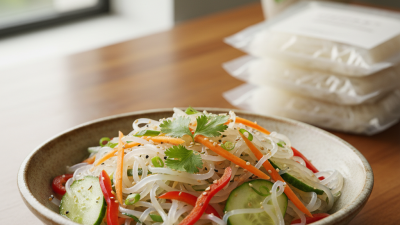
Lately, you've probably noticed that Konjac Noodle Bundles are really starting to grab attention, especially among folks into healthy living. These noodles are pretty unique—they’re made from the konjac plant, which means they’re super low in calories but high in fiber. That makes them a great alternative to your usual pasta. What’s cool about them is how they soak up flavors so easily, so you can toss them into all sorts of dishes. A lot of people like using them when they’re watching what they eat or trying to keep their digestion in check.
Nutrition pros often sing their praises, saying these noodles are a handy trick for keeping meals satisfying without packing on extra calories. They help you feel full longer, which is a win if you're trying to curb your appetite. That said, I won’t sugarcoat it—at first, their chewy, slightly different texture can feel a little strange. It takes some getting used to, but honestly, once you figure out how to use them in your recipes, they can become a fun part of your regular meals.
Of course, while Konjac Noodle Bundles are packed with health benefits, let’s be real—they’re not some magic fix for everything. A balanced diet, regular exercise, and all that good stuff are still key to feeling your best. And don’t be afraid to get creative! Playing around with different recipes can make the whole experience more enjoyable and help you discover new flavors and ways to cook. In the end, trying out these noodles might just lead you to some fun culinary adventures—and better health goals down the line.
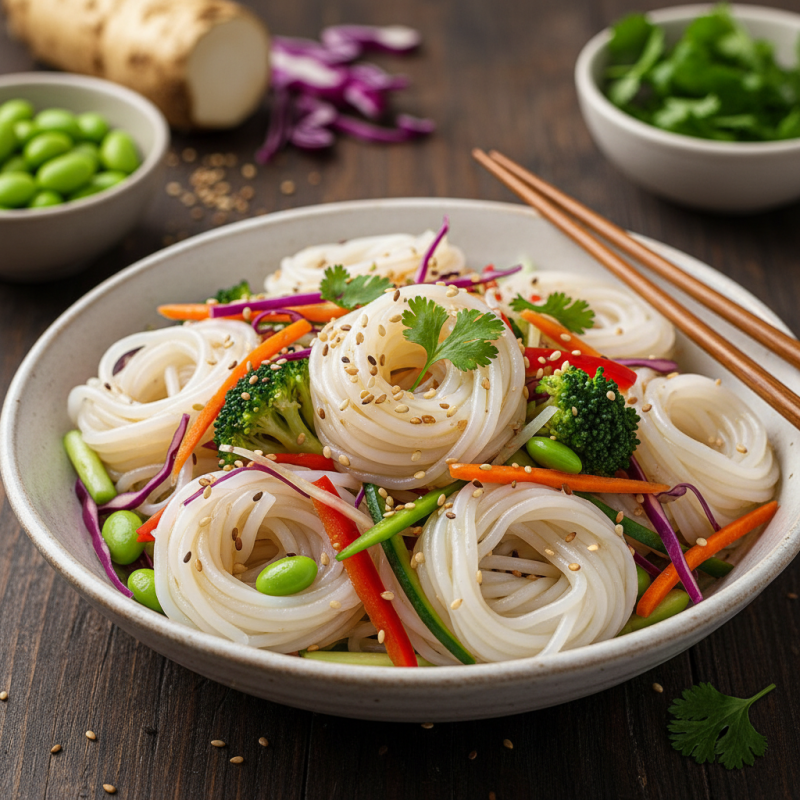
Understanding Konjac Noodles: What They Are and How They're Made
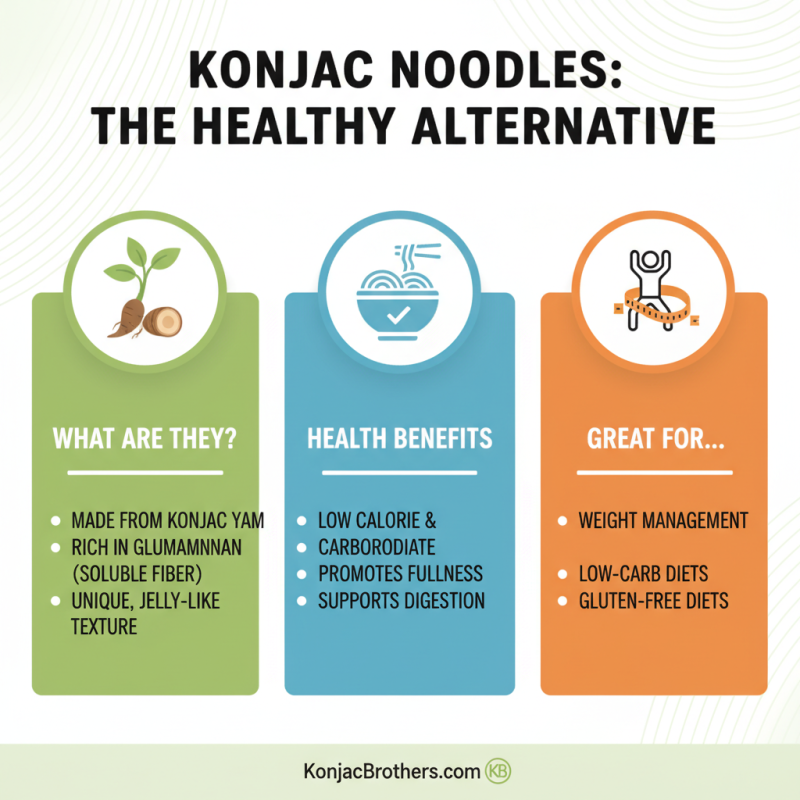
Konjac noodles, made from the konjac yam, have gained popularity as a health food. They are primarily composed of glucomannan, a type of soluble fiber. This ingredient creates a unique texture and offers various health benefits. Konjac Yam Noodle Bundles are low in calories and carbohydrates, making them an attractive option for those seeking to reduce their weight.
Understanding how konjac noodles are made is essential. The process begins with harvesting the konjac root. After cleaning and processing the root, it is transformed into a gelatinous flour. Water is added, and the mixture is cooked to form noodles. This cooking process gives the noodles their chewy texture. However, some may find the taste quite bland on its own. Additional flavoring or sauces are often needed to enhance their appeal.
While konjac noodles offer health benefits, moderation is crucial. Overconsumption may lead to digestive discomfort due to their high fiber content. Individuals should be aware of potential side effects. Incorporating Konjac Yam Noodle Bundles mindfully into meals can lead to a satisfying experience without the added calories.
Nutritional Profile of Konjac Noodles and Their Health Benefits
Konjac noodles, derived from the konjac plant, boast a unique nutritional profile. They are primarily composed of glucomannan, a soluble fiber that can absorb water and expand in the stomach. According to a study published in the Journal of Nutrition, glucomannan promotes a feeling of fullness, which can help with weight management. A serving typically contains fewer than 20 calories, making them a low-calorie food choice. For those on a Konjac Noodle Diet, incorporating these noodles can lead to decreased overall calorie intake.
Additionally, konjac noodles are gluten-free and low in carbohydrates. In fact, a report from the International Journal of Food Sciences found that a diet high in dietary fiber is associated with better digestive health. The fibers from konjac can improve gut health, reducing the risk of constipation. While konjac noodles are often praised for their health benefits, it's important to consider portion control and meal planning. Some may find it challenging to adapt the texture in traditional recipes. Experimentation is key when incorporating them into meals.
The use of konjac noodles can also support blood sugar control. Research from the British Journal of Nutrition indicates that soluble fibers may help regulate glucose absorption. However, individuals looking to reduce carbohydrate intake should pay attention to their overall dietary balance. The appeal of a Konjac Noodle Diet lies not only in its health benefits but also in the culinary creativity it encourages.
How Konjac Noodles Aid in Weight Management and Digestion
Konjac noodles, often called Konjac Jelly Noodles, are gaining traction as a health food. They are rich in glucomannan, a soluble fiber known for aiding digestion. This fiber absorbs water, expanding in the stomach and creating a feeling of fullness. Many people find that incorporating Konjac noodles into their meals helps curb cravings. This can lead to reduced calorie intake over time, promoting weight management.
Moreover, Konjac noodles are low in calories and carbohydrates. They provide a unique way to enjoy favorite dishes without the added calories. However, it's important to note that not everyone's digestive system responds the same way to fiber. Some may experience bloating or discomfort. Listening to your body and adjusting your intake is essential for making the most of these benefits. Enjoying Konjac Jelly Noodles in moderation is key to harnessing their health advantages effectively.
Discover the Benefits of Konjac Noodle Bundles for Health
Exploring the Low-Calorie Nature of Konjac Noodle Bundles
Konjac noodle bundles are gaining popularity for their low-calorie nature. They are made from the konjac plant, which contains glucomannan. This soluble fiber expands in your stomach, promoting a feeling of fullness. As a result, they can help with weight management and reduce calorie intake.
One serving of konjac noodles is remarkably low in calories, often containing fewer than 10 calories. This aspect makes them an attractive option for those on calorie-restricted diets. The texture is unique, resembling traditional pasta, which can satisfy cravings without the added calories. It’s important to consider how these noodles fit into your overall diet, though. They may lack some nutrients found in whole grains or other pasta options.
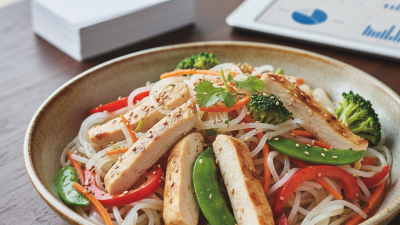
Incorporating konjac noodles into meals can be an interesting culinary experience. You can add various vegetables, proteins, and sauces to create a delicious dish. However, some might find the texture a bit unusual at first. Experimenting with different recipes can help improve the flavor and texture. Overall, while konjac noodles offer a low-calorie option, it’s essential to balance them with a variety of foods for optimal nutrition.
Potential Health Risks and Considerations when Consuming Konjac Noodles
Konjac noodles, made from the konjac yam, are low in calories and high in dietary fiber. However, there are important health risks to consider when incorporating them into your diet. One primary concern is their texture. The slippery consistency can pose a choking hazard, especially for those who may have difficulty swallowing. It’s crucial to chew thoroughly and stay mindful when consuming these noodles.
Another consideration is the potential for digestive issues. Some individuals may experience bloating or discomfort due to the high fiber content. This can lead to unintended disruptions in the digestive system. Gradually introducing konjac noodles into your meals can help minimize these effects. It’s also wise to consult with a healthcare provider, especially if you have pre-existing gut issues.
While konjac noodles offer a unique, healthy alternative to traditional pasta, they are not without risk. Monitoring your body's response is essential. Adjusting portion sizes and observing how your digestive system reacts will guide healthier choices. Balancing these noodles with a variety of other foods will contribute to a well-rounded diet.
Discover the Benefits of Konjac Noodle Bundles for Health? - Potential Health Risks and Considerations when Consuming Konjac Noodles
| Health Benefits |
Nutritional Content (per 100g) |
Potential Health Risks |
Considerations |
| Low calorie content |
Calories: 10 kcal, Protein: 1 g, Carbs: 3 g, Fiber: 2 g |
May cause digestive discomfort |
Ensure adequate hydration when consuming |
| Promotes gut health |
Fat: 0 g, Sugar: 0 g |
Risk of choking if not chewed well |
Introduce gradually into diet |
| Weight management support |
Sodium: 5 mg |
Interference with medication absorption |
Consult a healthcare provider if on medications |
| Blood sugar control |
Calcium: 0 mg, Iron: 0 mg |
May cause abdominal bloating |
Monitor body’s response after consumption |
Creative Ways to Incorporate Konjac Noodles into Your Diet
Konjac noodles, made from the konjac plant, are gaining popularity in many diets. They are low in calories and high in fiber. This unique texture makes them a versatile ingredient in various dishes.
One creative way to include konjac noodles is by tossing them in a refreshing salad. Pair them with fresh veggies and a light vinaigrette. The noodles absorb the dressing well, enhancing the flavors.
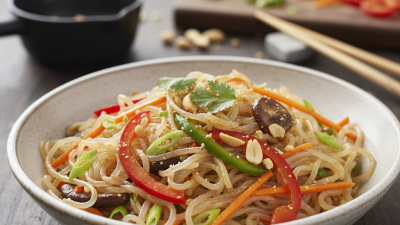
Another delightful option is to stir-fry konjac noodles with a blend of colorful vegetables. Throw in some garlic and ginger for a flavor boost. This dish is quick to prepare and packed with nutrients. You might want to play with different sauces, too. Just be mindful of the sodium content in sauces.
For those who enjoy soups, konjac noodles work beautifully. They provide a satisfying chew and soak up broth flavors. Consider adding them to a spicy miso soup or a vegetable broth. This can turn a simple dish into a hearty meal. Remember, experimenting with new ingredients is key. It can lead to delicious surprises.
Comparing Konjac Noodles to Traditional Pasta and Other Alternatives
Konjac noodles have gained popularity as a healthier alternative to traditional pasta. These noodles are made from the konjac plant, rich in glucomannan, a soluble fiber. They are low in calories and carbohydrates, making them suitable for those managing their weight. Unlike regular pasta, konjac noodles are gluten-free and can be a great option for individuals with gluten sensitivities.
When comparing Healthy Noodle Konjac to traditional pasta, the texture and taste differ. Konjac noodles have a unique, slightly chewy texture that might not appeal to everyone. Some find it lacks the flavor of wheat-based pasta. However, they can absorb sauces well, enhancing the overall meal experience. It may require some experimentation to find perfect pairings for konjac noodles.
Many people appreciate the health benefits they offer. They may help with digestion and promote a feeling of fullness. Yet, it is crucial to consume them mindfully. Overeating any product, even a healthy one, can lead to discomfort. As with any dietary changes, individual experiences may vary. Exploring the benefits of konjac noodles encourages a balanced approach to diet and meal choices.
FAQS
: They are made from the konjac yam, which is primarily composed of glucomannan fiber.
They are low in calories, promote fullness, and support digestive health.
The konjac root is harvested, processed into flour, and cooked to create noodles.
Yes, their fiber content can reduce cravings and lead to lower calorie intake.
Not everyone tolerates them well; some may experience digestive discomfort.
They tend to be bland individually and often require sauce or seasoning for taste.
Yes, they are gluten-free and low in carbohydrates, making them suitable for various diets.
Experiment with recipes, but watch portion sizes to avoid digestive issues.
Moderation is important, as overconsumption may lead to digestive discomfort.
Yes, they help regulate glucose absorption due to their soluble fiber content.
Conclusion
Konjac Noodle Bundles are a unique and innovative food product made from the konjac plant, which is rich in glucomannan, a type of soluble fiber. These noodles are known for their low-calorie content and health benefits, making them an appealing choice for those looking to manage their weight and improve digestion. Their nutritional profile includes minimal calories and carbohydrates, while providing a feeling of fullness, which can aid in weight management.
In addition to their weight management benefits, Konjac Noodle Bundles are versatile and can be creatively incorporated into a variety of dishes, from stir-fries to salads. However, it's important to be mindful of potential health risks, such as digestive discomfort for some individuals. When compared to traditional pasta, konjac noodles offer a lower-calorie alternative that aligns with various dietary preferences, making them a popular choice for health-conscious consumers.

 86+09153618258
 Contact Email