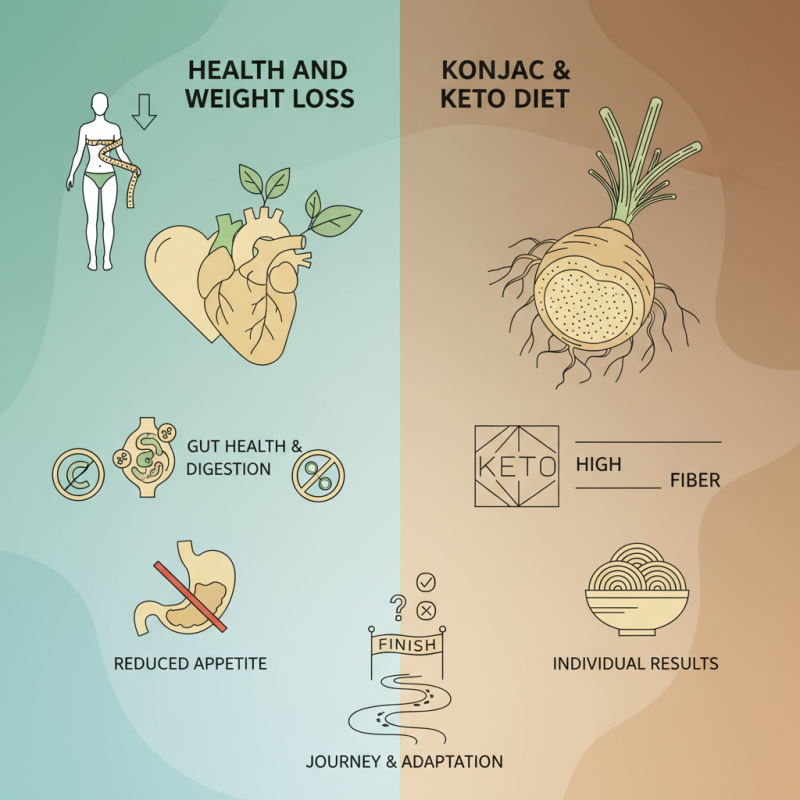
The Konjac Keto Diet has really been catching people's attention lately as a pretty effective way to boost health and shed some pounds. Experts often talk about its potential perks, and Dr. Emily Zhou, who's a nutritionist over at Health Innovations, mentions, “The Konjac Keto Diet can help curb your appetite and support natural weight loss.” Basically, it leverages konjac, which is a root vegetable known for being super high in fiber.
So, consuming konjac can make you feel full without loading up on calories—that's pretty wild, right? Many folks are genuinely surprised by how just a slight tweak in their diet can make such a difference. The fiber in konjac doesn’t just fill you up; it also helps keep your digestion on track and supports gut health. That said, it’s important to keep in mind that not everyone will get the same results—some might take longer to adjust or might find it a bit tricky at first.
Trying out the Konjac Keto Diet definitely calls for patience and being mindful of how your body responds. Transitioning from regular eating habits can be a challenge, and success varies depending on individual health conditions. Even with its hurdles, lots of people are still embracing the benefits because they want to live healthier. Honestly, it’s all part of the journey—learning what works for you and finding what fits best is what makes it worth it.
Benefits of Konjac Root in the Keto Diet
Konjac root is gaining popularity in the keto diet for its unique health benefits. This root, rich in glucomannan, is a natural fiber that promotes satiety. Research shows that high fiber diets can enhance weight management. A study published in the Journal of Nutrition found that diets high in fiber help individuals consume fewer calories overall. This aligns well with keto's low-carb philosophy.
Incorporating konjac into meals adds bulk without many calories. For example, a 100-gram serving of konjac contains just 10 calories. This is a stark contrast to traditional pasta, which can have over 200 calories in the same serving size. Moreover, consuming konjac may aid digestion. The fiber content can enhance gut health by promoting regular bowel movements.
However, some people might experience digestive discomfort when increasing fiber intake suddenly. This is a point worth reflecting on. Moderation is key when adding konjac to the diet. Observing how your body reacts to konjac is essential. Balancing benefits with potential side effects can lead to better health outcomes in the long run.
Understanding the Nutritional Profile of Konjac
Konjac is a unique plant known for its high fiber content. Its root is particularly rich in glucomannan, a soluble fiber that expands in water. This property helps promote a feeling of fullness, which can aid in weight loss. Many people following the Konjac Noodle Diet enjoy the benefits of reducing their overall calorie intake.
The nutritional profile of Konjac is impressive. It contains almost no calories and is very low in carbohydrates. This makes it an excellent choice for those on a keto diet. Some users report that it helps with digestion as well. However, not everyone tolerates it well. Some may experience bloating or discomfort. It's essential to introduce it gradually into your diet.
Incorporating Konjac noodles into meals can add variety. They can be used in stir-fries, soups, or salads. The texture is different from traditional noodles. Adjusting to this change may take some time. Experimentation is key to finding enjoyable ways to use Konjac. With the right approach, it can be a valuable addition to your health journey.
How Konjac Aids in Weight Loss and Appetite Control
Konjac is a unique root vegetable known for its high fiber content. It plays a significant role in weight loss and appetite control. The soluble fiber in konjac expands in the stomach. This can help you feel full faster, leading to reduced calorie intake during meals. Many people find that Diet Noodles Konjac can be a satisfying substitute for traditional pasta, making your meals lighter yet filling.
Tips: Try incorporating Konjac into salads and soups. Its neutral flavor allows it to absorb various sauces and seasonings. You might start with small portions to see how your body reacts. Some people feel bloated initially, which usually subsides. Listen to your body’s signals to adjust your intake.
Konjac can also aid in stabilizing blood sugar levels. This stability helps in controlling cravings for sugary snacks. It can be a helpful addition for those managing their weight. However, it’s essential to consume it alongside a balanced diet. Some individuals may struggle with digesting konjac fiber. If discomfort arises, reevaluate your portion sizes and drink plenty of water.
The Role of Glucomannan in Digestive Health
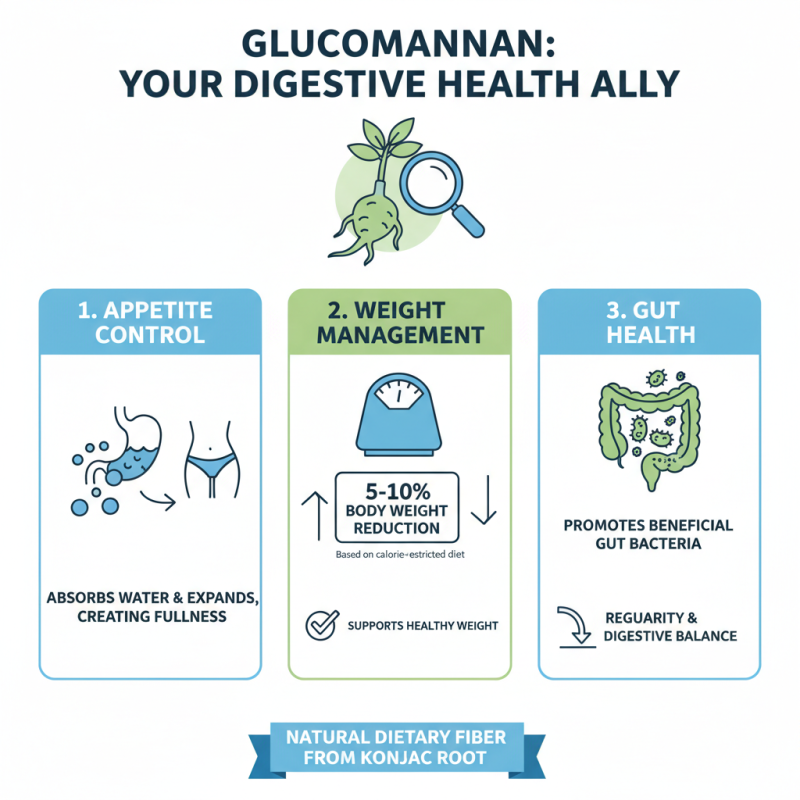
Glucomannan, a natural dietary fiber derived from the konjac root, plays a vital role in digestive health. This soluble fiber can absorb water, expanding in the stomach. It creates a feeling of fullness, which may help control appetite. Research shows that glucomannan can lead to a 5-10% reduction in body weight for individuals on a calorie-restricted diet. Many studies indicate its potential benefits for gut health.
The fiber content in glucomannan promotes regular bowel movements. It can alleviate constipation by adding bulk to stool. A study published in the Journal of Nutrition revealed that participants experienced improved bowel function. Regularly consuming glucomannan may lead to a healthier microbiome by acting as a prebiotic. This supports the growth of beneficial gut bacteria and can mitigate digestive issues.
While glucomannan has many positive attributes, not everyone experiences these benefits. Some individuals may face bloating or gas when first incorporating it into their diets. It's crucial to introduce it gradually. Monitor your body’s response to optimize its use. Understanding the balance is essential for making dietary changes, particularly for those with digestive sensitivities.
Comparing Konjac with Other Keto Diet Ingredients
When comparing Konjac to other keto diet ingredients, its unique properties come to light. Konjac is low in calories and rich in fiber. This combination makes it an appealing option for those seeking weight loss. Other keto ingredients may be higher in calories and fats, making them less suitable for a calorie-restricted diet. For instance, traditional high-fat creams can lead to excess caloric intake, which some may find hard to manage.
Pasta Keto Konjac, a popular alternative, offers a satisfying texture without the guilt. It can replace conventional pasta, which often adds unwanted carbs. Many have mixed feelings about its flavor, as it is quite neutral. Some users note that it needs more seasoning, while others enjoy its mild taste. The adaptability of Konjac in various dishes is both a blessing and a challenge.
Incorporating Konjac into keto meals can promote satiety. However, some might experience digestive discomfort initially. It's beneficial to start with smaller portions and adjust as needed. Learning to balance Konjac with other ingredients can enhance flavors. This approach adds variety to the keto diet without compromising weight loss goals.
Tips for Incorporating Konjac into Your Meals
Konjac is a versatile ingredient in the keto diet, often found in various forms like noodles or flour. It's low in calories and rich in fiber. This can help with satiety and weight management. Incorporating konjac into your meals is straightforward.
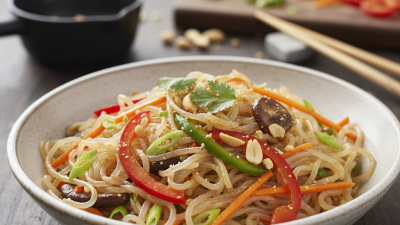
One delicious way to use konjac is in stir-fries. Simply sauté your favorite vegetables and add cooked konjac noodles. The noodles absorb flavors well, enhancing the overall taste. Another option is to create a hearty konjac pasta dish. Toss Pasta Konjac Keto with a simple tomato sauce or olive oil and garlic. It’s satisfying and quite filling.
Don’t forget the importance of balance. While konjac can aid in weight loss, moderation is key. Too much fiber from konjac can cause digestive discomfort. Trying different recipes can spark creativity. Keep experimenting to find what works.
Benefits of Incorporating Konjac in Your Keto Diet
This chart illustrates the health benefits of adding konjac to your meals, primarily focusing on weight loss and digestion.
Potential Side Effects and Considerations for Use
Potential side effects of using konjac in a keto diet should be carefully considered. Although konjac is rich in fiber, excessive consumption can lead to digestive discomfort. Reports indicate that some people experience bloating, gas, or stomach cramps. A study published in the Journal of Nutrition suggests that starting with small amounts can help mitigate these issues.
Tips: Gradually introduce konjac into your meals. Start with about a teaspoon and observe how your body reacts.
Dehydration is another concern linked to konjac. Since it absorbs significant water, lacking sufficient hydration can lead to constipation. A 2021 health report highlighted that drinking plenty of water is crucial when incorporating konjac into a diet. Following a keto plan can further limit your hydration if you're not careful.
Tips: Aim for at least eight glasses of water daily when consuming konjac. It ensures optimal digestion and prevents dry mouth.
Consider your overall nutrient intake as well. A purely konjac-based diet may leave you lacking essential vitamins. Strive for balance by including a variety of whole foods. Each person's body responds uniquely, so individual experiences may vary. Reflect on your dietary choices and adjust as necessary for your wellness.
Exploring the Unique Delight of 210g Cup-Style Xi'an Konjac Cold Noodles: A Limited Edition Culinary Adventure
The culinary landscape is continually evolving, and one of the standout trends in recent years has been the rising popularity of konjac-based products, particularly in the form of cold noodles. Among these, cup-style konjac cold noodles have emerged as a unique delight for adventurous food lovers. Specifically, the new 210g Cup-Style Xi'an Konjac Cold Noodles offer a taste experience steeped in tradition and innovation, perfectly blending convenience with authentic flavors.
These noodles, featuring a Spicy Oil Splash flavor, cater to the shifting consumer preferences for plant-based and low-calorie foods. Recent industry reports indicate a significant increase in the consumption of konjac products, driven by a growing awareness of health benefits such as weight management and dietary fiber content. Konjac, made from the root of the konjac plant, is not only low in calories but also high in glucomannan - a soluble fiber that promotes satiety and digestive health.
In addition to the Spicy Oil Splash variant, the offering also includes a Sesame Paste flavor, appealing to diverse taste preferences while appealing to health-conscious consumers. Market research has shown that the demand for gluten-free and low-carb options is on the rise, with more than 30% of consumers actively searching for these attributes in their meal choices. As food trends continue to shift toward convenience and health, the cup-style format of these konjac cold noodles provides a quick, nutritious, and flavorful meal option that can be enjoyed at home or on-the-go, making them a desirable choice for modern lifestyles.
FAQS
: Konjac is a root vegetable known for its high fiber content.
The soluble fiber in konjac expands in the stomach, helping you feel full faster.
Yes, many find konjac noodles to be a satisfying, low-calorie alternative.
Begin with small portions in salads or soups to gauge your body's reaction.
It’s common to feel bloated initially; this usually subsides over time.
Konjac can help stabilize blood sugar, reducing cravings for sugary snacks.
Some individuals may struggle with digesting konjac. If discomfort occurs, adjust portions.
Try incorporating konjac in stir-fries or as a base for pasta dishes.
Moderation is important; too much fiber can lead to digestive issues.
Yes, drinking plenty of water is essential when consuming konjac fiber.
Conclusion
The Konjac Keto Diet offers numerous health benefits, primarily through the natural properties of konjac root, which is rich in glucomannan fiber. This dietary fiber not only promotes feelings of fullness, aiding in appetite control and weight loss, but also supports digestive health. By understanding the nutritional profile of konjac, individuals can effectively incorporate it into their meals, enhancing their keto diet experience.
Comparatively, konjac stands out among other keto diet ingredients for its unique ability to absorb water and expand in the stomach, further assisting with weight management. However, it is important to be aware of potential side effects and considerations when using konjac to ensure safe consumption. Overall, the Konjac Keto Diet presents a viable option for those seeking a healthier lifestyle while managing their weight.

 86+09153618258
 Contact Email