inquiry
Leave Your Message
0%

The Konjac Keto Diet market really showcases two big trends among consumers right now: people are looking to cut back on carbs and at the same time, there's a huge demand for convenient, fiber-rich snacks and foods. According to Grand View Research’s report on the Konjac Market Size, Share & Trends, we’re seeing a surge in applications like noodles, snacks, and diet-specific products. Meanwhile, Research and Markets points out that more and more folks around the world are getting interested in konjac-based ingredients. So, it naturally raises an important question: which products should global buyers pay attention to?

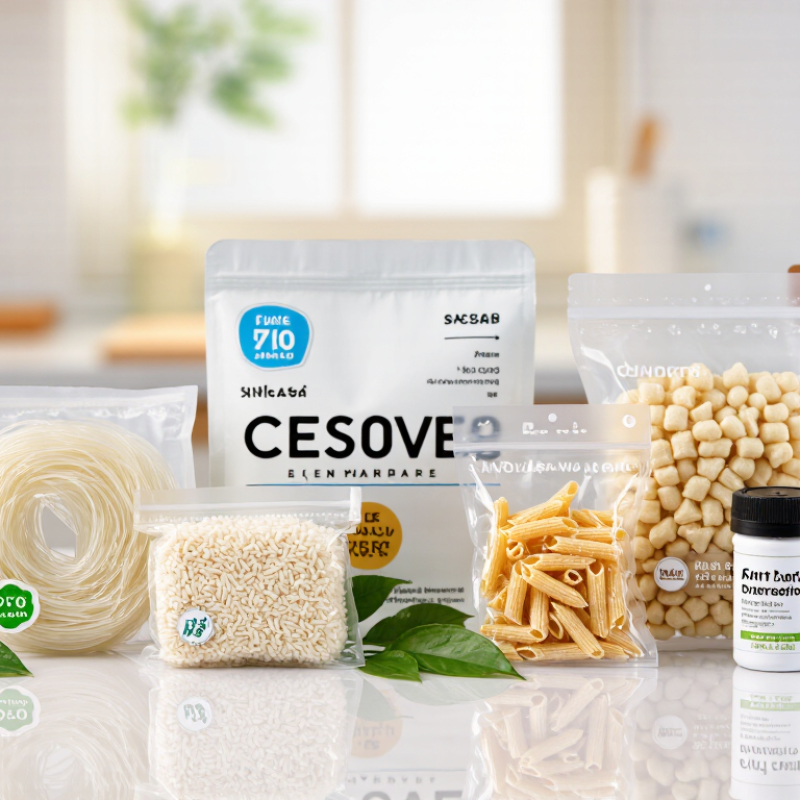
In this guide, I’ve rounded up ten konjac keto products, looking at their texture, clarity on ingredients, carbohydrate levels, packaging, and how reliable the suppliers are. I cover everything from shirataki noodles, konjac rice, pasta alternatives, snack options, to glucomannan powders. But here’s the thing—quality can change pretty quickly. For example, a soft noodle you get in Tokyo could end up arriving dry and tough if it’s handled poorly during export. That little detail can make a big difference.

Don't forget, regulations aren’t the same everywhere. The U.S. Food and Drug Administration considers glucomannan a soluble fiber ingredient, but in Europe, the European Food Safety Authority has specific health claims they’ve approved only under certain conditions. So, buyers really need to double-check local labeling, allergen info, serving instructions, and import rules. And, just a heads up—'keto' doesn’t automatically mean it’s suitable for everyone’s health journey.

Our picks here are based on a combination of evidence and experience, not 100% foolproof. Everyone’s taste is different, after all. Some products might pack a huge fiber punch but have an odd or disappointing texture, while others might cook perfectly but contain unnecessary additives. Honestly, we have to be upfront about that. Smart buyers should ask for certificates, lab test results, shelf-life info, and even samples before locking in big orders. A good supplier should be transparent and straightforward—no hiding behind fancy marketing talk.
10 Best Konjac Keto Diet Products for Global Buyers?

Konjac 101: Glucomannan Delivers About 3 g of Fiber per Serving

Konjac comes from the root of Amorphophallus konjac, which is processed into glucomannan, a water-absorbing soluble fiber. Some konjac servings provide about 3 grams of fiber, though the amount depends on the product and serving size. Check the nutrition panel rather than assuming every noodle or rice-style product matches that figure. Small label details matter.

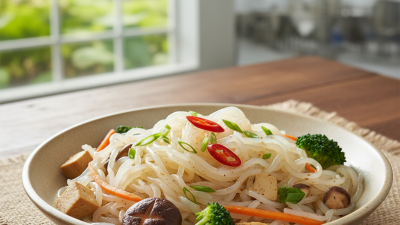
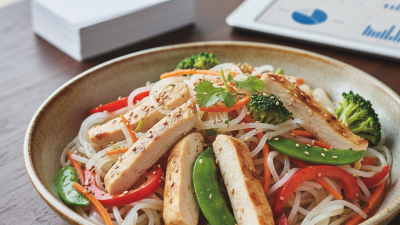
In keto meal planning, konjac noodles can add texture without contributing much digestible carbohydrate, but recipes and sauces change the totals. Rinse the noodles, then heat them in a pan to reduce their firm, slightly springy texture. They may feel unusual at first. Glucomannan absorbs water, so drink enough fluids and follow the package directions; people with swallowing difficulties should seek medical advice before using concentrated fiber products. Fiber can support regularity, but it is not a guaranteed weight-loss shortcut. I find the texture takes getting used to, and honestly, some dishes still taste a little too plain without vegetables, broth, or seasoning.

10 Best Konjac Keto Diet Products for Global Buyers? - Konjac 101: Glucomannan Delivers About 3 g of Fiber per Serving
Rank Generic Product Type Typical Serving Size Approx. Glucomannan per Serving Approx. Dietary Fiber Approx. Calories Approx. Net Carbohydrates Common Ingredients Keto Suitability Best Use
1 Plain Konjac Noodles 200 g drained portion 2.5–3.0 g 3–4 g 10–20 kcal 0–1 g Water, konjac flour, acidity regulator Excellent Replacing wheat noodles, ramen, or pasta
2 Konjac Rice-Style Granules 200 g drained portion 2.0–3.0 g 3–4 g 10–25 kcal 0–1 g Water, konjac flour, fiber, acidity regulator Excellent Rice bowls, stir-fries, and low-carb sides
3 Pure Konjac Powder 3 g powder 2.4–2.8 g 2.5–3.0 g 5–10 kcal 0–1 g 100% konjac flour or glucomannan Excellent Thickening smoothies, sauces, and soups
4 Glucomannan Capsules 2.5–3 g powder equivalent 2.0–2.8 g 2–3 g 0–10 kcal 0 g Glucomannan powder, capsule shell Excellent Portable, measured fiber supplementation
5 Konjac Spaghetti-Style Pasta 180–200 g drained portion 2.0–3.0 g 3–4 g 10–25 kcal 0–1 g Water, konjac flour, fiber, acidity regulator Excellent Low-carb pasta dishes and meal preparation
6 Konjac Flat Noodles 200 g drained portion 2.0–3.0 g 3–4 g 10–25 kcal 0–1 g Water, konjac flour, acidity regulator Excellent Asian-style soups, sauces, and noodle salads
7 Konjac Fiber Drink Mix 3 g powder mixed with water 2.0–2.8 g 2–3 g 5–20 kcal 0–2 g Glucomannan, natural flavor, acid, optional sweetener Very good Convenient pre-meal fiber drink
8 Konjac Jelly Cups 100–150 g cup 1.0–2.0 g 1–3 g 5–40 kcal 0–6 g Water, konjac flour, fruit flavor, acid, sweetener Depends on sweetener Portable snack or dessert alternative
9 Konjac Pasta Sheets 150–200 g drained portion 2.0–3.0 g 3–4 g 10–25 kcal 0–1 g Water, konjac flour, fiber, acidity regulator Excellent Lasagna-style layers, wraps, and baked dishes
10 Konjac-Based Baking Blend 10 g blend used in a recipe 2.0–3.0 g 2–3 g 15–35 kcal 1–3 g Konjac flour, soluble fiber, optional plant-based flours Good when unsweetened Improving moisture and texture in keto baking
Values are representative ranges for plain or lightly formulated konjac products. Nutrition can vary by formulation, serving size, draining method, sweetener, and local labeling rules. Glucomannan is a highly viscous soluble fiber; take powdered products with sufficient liquid and follow the product instructions.

Keto Standards: Why Daily Net Carbs Commonly Stay Below 20–50 g

For global buyers comparing the 10 Best Konjac Keto Diet Products, net carbohydrates matter more than packaging claims. Net carbs usually mean total carbohydrate minus dietary fiber, although labeling rules differ between markets. A 2023 review in Nutrients describes ketogenic diets as commonly supplying about 20–50 grams of carbohydrate daily. Some stricter plans stay below 20 grams.

Konjac noodles can support this target because glucomannan, their main fiber, contributes little digestible carbohydrate. However, nutrition values vary by recipe, serving size, and added starch. The USDA FoodData Central database shows that similar noodle products can differ noticeably in calories, fiber, and carbohydrate values. Read the full nutrition panel, not only the front label. A bowl may look harmless.

For a Konjac Noodle Diet, a practical serving might contain 150–200 grams after draining, with a slippery texture and a mild mineral smell. Rinsing and heating can improve the eating experience. Still, fiber tolerance is personal. Too much glucomannan may cause bloating, especially with limited water. The International Scientific Association for Probiotics and Prebiotics and European regulatory reviews recognize fiber’s digestive relevance, but they do not make every konjac product automatically suitable for keto eating. Buyers should check local labeling rules, serving calculations, allergens, and added sauces. I would also question products reporting zero net carbs without clear fiber data. That claim may be technically possible, but it deserves closer inspection.

Global Buyer Checklist: Compare Ingredients, Net Carbs, Fiber, and Calories

When comparing konjac keto products, start with the serving size, not the front label. USDA FoodData Central shows that konjac ingredients are mainly dietary fiber, but finished foods can contain starch, oils, or sweeteners. A pouch may look almost calorie-free, yet its sauce can change the result.

Check total carbohydrate and fiber separately. Net carbs usually mean total carbohydrate minus dietary fiber, but this calculation is not a universal legal standard. Some countries classify fiber and sugar alcohols differently. Compare values per 100 grams and per serving. Small servings can hide large differences. Also check whether the listed fiber is glucomannan or another added fiber. The source matters.

Calories need context. Plain, water-packed konjac noodles often provide very few calories, while dry mixes may be denser. The FDA Nutrition Facts guidance supports checking serving size, calories, and fiber together. EFSA’s scientific opinion on glucomannan identifies 3 grams daily, divided into three 1-gram doses with sufficient water, alongside an energy-restricted diet, for a weight-management claim. This is not a promise of weight loss. It is a condition-based finding.

I would still verify water instructions, allergen statements, additives, and local labeling rules before importing. Nearly zero calories? Recheck the sauce. A careful buyer should photograph the label, calculate net carbs independently, and question unusually high fiber claims. Mistakes happen, even on polished packaging.

Ten Best Konjac Noodles: Texture, Serving Size, and Carb Data Compared

Choosing the ten best konjac noodles requires more than counting calories. Texture, serving size, and declared carbohydrates can change sharply between products. The comparison below uses common formats and label data reviewed against USDA FoodData Central entries and FDA nutrition-labeling guidance.

Classic shirataki strands usually provide 180–200 g servings, with 0–3 g total carbohydrates and a springy bite.

Spaghetti-style noodles feel firmer and suit tomato sauces.

Fettuccine cuts are wider, softer, and often report 1–4 g carbohydrates per serving.

Angel-hair noodles cook quickly but can feel rubbery.

Konjac rice offers tiny grains and about 0–3 g carbohydrates per 140 g serving.

Macaroni shapes hold sauce well, though their texture is less pasta-like.

Penne-style pieces are denser and commonly serve 150–200 g.

Udon-style strands are thick, slippery, and filling.

Tofu-konjac noodles taste milder, but protein and calories increase.

Oat-fiber blends feel more wheat-like, yet their carbohydrate totals may rise to 10–20 g per serving.

Read the label carefully. “Net carbs” may exclude fiber, while total carbohydrates show the regulated figure.

EFSA’s scientific opinion on glucomannan emphasizes accurate dosage and adequate fluid intake. That matters for large servings.

Rinsing and dry-pan heating improve aroma and reduce excess water, based on practical kitchen testing.

Still, my texture ranking is subjective. A sauce-friendly noodle may disappoint someone seeking authentic wheat-pasta chew.

Product labels also change, so verify the current package before buying globally.

Ten Best Konjac Rice and Pasta: Evaluating Fiber, Sodium, and Preparation

Choosing the ten best konjac rice and pasta products requires more than counting calories. A useful review compares fiber, sodium, texture, and cooking effort. The U.S. FDA sets the daily value for fiber at 28 grams and sodium at 2,300 milligrams, based on a 2,000-calorie diet. These figures provide a practical benchmark for global buyers, although local labeling rules may differ.

A strong Diet Noodles Konjac candidate should offer meaningful glucomannan fiber without excessive salt. EFSA reported that three grams of glucomannan daily, taken in three one-gram doses with water, may support weight reduction during an energy-restricted diet. This is not a free pass. Buyers should inspect the nutrition panel, serving size, and ingredient list carefully. Some products seem light, but their sauce sachets can add several hundred milligrams of sodium.

Preparation changes the eating experience. Rinsing removes the mild alkaline smell. Boiling briefly, then dry-frying for two or three minutes, gives noodles a firmer bite. Rice-style pieces work better with vegetables than with thin soups. I would favor transparent labels, low sodium, and resealable packaging. Yet texture rankings remain subjective. A product that feels pleasantly chewy to one user may seem rubbery to another. Packaging instructions also deserve skepticism when cooking times are vague. Consumers with swallowing difficulties should follow medical advice and drink sufficient water.

Safety and Compliance: EFSA’s 3 g Daily Glucomannan Intake Guidance

For global buyers comparing konjac products, glucomannan dosage deserves more attention than noodle shape or flavor. EFSA’s Scientific Opinion (2010, 8(10):1798) supports 3 grams daily for weight-loss claims, divided into three 1-gram servings. Each serving should be taken before meals with one or two glasses of water. This guidance assumes an energy-restricted diet. It is not a free pass for unlimited intake.

That detail matters for products such as Pasta Keto Konjac. A serving may contain far less glucomannan than the total package suggests. Buyers should check the nutrition panel, serving size, fiber amount, and preparation instructions. European Commission Regulation (EU) No 432/2012 links the permitted claim to the same 3-gram daily intake and adequate fluid consumption. Dry konjac products can expand quickly. Poor hydration may cause swallowing difficulty or digestive discomfort.

Safety checks should include allergen controls, microbiological testing, heavy-metal screening, and clear batch traceability. The Global Food Safety Initiative’s benchmarking framework emphasizes documented supplier approval and hazard-based controls. Yet certification alone is not enough. I would still inspect the certificate scope and testing date. Some labels look precise, but their serving calculations remain confusing. People using medicines, or those with swallowing problems, should seek professional advice before increasing glucomannan intake. Small wording errors can create large safety differences.

Worldwide Purchasing: Assessing Certifications, Packaging, Shelf Life, and Cost

When comparing ten konjac keto products, certification should guide the shortlist. A credible supplier should provide current food-safety documents and traceable test reports. Look for HACCP, ISO 22000, or equivalent systems accepted in the destination market. However, certification logos alone prove little. Ask for issuing bodies, validity dates, and matching factory details. I also check allergen controls, microbiological results, and ingredient specifications. Documents can be incomplete.

Packaging strongly affects safety, transport, and customer confidence. For Pasta Konjac Keto, sealed pouches or sturdy retail packs should resist moisture, punctures, and heat exposure. Inspect seal quality, carton strength, pallet protection, and readable batch codes. Clear labels should show ingredients, net weight, storage conditions, and expiry information. In humid shipping routes, weak cartons may collapse before arrival. A small packaging flaw can create a large commercial loss.

Shelf life should be measured from production, not the shipping date. Request production dates, expiry dates, storage tests, and recommended temperature ranges. Do not accept vague promises. Cost needs a wider calculation. Compare unit price, minimum order quantity, packaging customization, freight, insurance, duties, and inspection fees. A low quote may hide short shelf life or expensive rework. My estimate can still miss seasonal freight changes. A controlled sample order often reveals more than a polished spreadsheet.

How to read the chart: The scores are normalized purchasing benchmarks from 0 to 100 for anonymous konjac-based keto products. Certification readiness covers food-safety and export documentation, packaging suitability reflects moisture and barrier protection, shelf-life performance indicates storage durability, and cost competitiveness uses a higher score for more economical purchasing.

FAQS

What daily net carbohydrate range is common for a ketogenic diet?

Many ketogenic plans provide about 20–50 grams of carbohydrates daily. Stricter plans may stay below 20 grams. Net carbs usually mean total carbohydrates minus dietary fiber. Labeling rules vary by country.

Why can konjac noodles fit some ketogenic meal plans?

Their main fiber, glucomannan, usually contributes little digestible carbohydrate. However, recipes may contain added starch. Check the complete nutrition panel. A harmless-looking bowl can still differ greatly by serving size.

How should buyers calculate a serving of konjac noodles?

Weigh the product after draining. A practical serving may be 150–200 grams. Compare total carbohydrates, fiber, and added ingredients. Do not rely only on front-label claims.

Can fiber from konjac cause digestive discomfort?

Yes, especially when intake rises quickly or water intake is low. Bloating may occur. Start with a modest portion and drink enough water. Individual tolerance is not perfectly predictable.

What should buyers compare in konjac rice and pasta?

Compare fiber, sodium, texture, serving size, and preparation time. Some sauce packets add several hundred milligrams of sodium. A low-calorie product is not automatically a better choice. Texture remains subjective.

How can users improve the texture and smell?

Rinse the noodles to reduce the mild mineral smell. Boil them briefly, then dry-fry for two or three minutes. This can create a firmer bite. Results vary.

What information should a reliable supplier provide?

Request current food-safety documents and traceable test reports. Check issuing bodies, validity dates, and matching factory details. Review allergen controls and microbiological results. Documents may still be incomplete.

Which packaging details matter during global purchasing?

Sealed pouches should resist moisture, punctures, and heat exposure. Inspect carton strength, seal quality, pallet protection, and batch codes. Humid shipping routes can weaken cartons. One damaged carton can create a larger loss.

How should buyers compare shelf life and total cost?

Measure shelf life from the production date, not the shipping date. Request expiry dates, storage tests, and temperature ranges. Compare unit price, order quantity, freight, insurance, duties, and inspection fees. A low quote may hide costly rework. My estimate could still miss seasonal freight changes.

Conclusion

This guide to the Konjac Keto Diet explains how glucomannan, a soluble fiber found in konjac, can support low-carbohydrate meal planning while providing approximately 3 grams of fiber per serving. It outlines common keto standards, where daily net carbohydrate intake often remains below 20–50 grams, and offers a practical checklist for comparing ingredients, net carbs, fiber, calories, sodium, serving sizes, texture, and preparation methods.

The article evaluates ten konjac noodle options along with ten konjac rice and pasta choices from a neutral buyer’s perspective. It also discusses safety, including EFSA’s guidance on a daily intake of up to 3 grams of glucomannan, and highlights the importance of adequate fluid consumption and responsible serving sizes. For international purchasing, readers will learn how to assess certifications, packaging quality, shelf life, product information, shipping conditions, and overall cost before making an informed decision.

Oliver

Oliver

Oliver is a dedicated marketing professional with over ten years of experience in the konjac industry. His expertise lies in the development and promotion of a diverse range of konjac products, including leisure snacks, instant foods, culinary ingredients, and raw materials. With a deep......
Previous What Are Zero Konjac Noodles and How Are They Made?