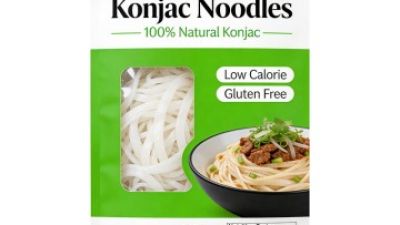
As more and more people are looking for healthier food options, konjac noodles have really started to catch on. These noodles are made from the konjac plant, which is packed with something called glucomannan fiber—basically, a super fiber that’s great for keeping you full. A bunch of studies have shown that glucomannan can help with weight loss by curbing hunger and cutting down on calories overall. For example, the Global Journal of Obesity even reported that diets including glucomannan can really lead to noticeable weight reductions.
Market research from Allied Market Research suggests that the konjac product scene is set to grow quite a bit, especially with more folks trying to eat healthier. Companies like Konjac Brothers are coming out with some pretty innovative stuff — like their Konjac Cold Noodles, which are a low-calorie alternative to regular pasta. Perfect if you're trying to cut carbs but still want to enjoy delicious, versatile meals.
That said, not all konjac products are exactly the same, so it’s worth paying attention to the quality of ingredients and how they’re prepared. Some people might experience digestive issues if they eat too much konjac at once, so it’s good to know your own tolerance. Opting for reputable brands like Konjac Brothers can really help you develop healthier eating habits without the worry.
All in all, konjac noodles can be a great addition to a balanced diet — just remember to choose quality products and listen to your body after trying them out.
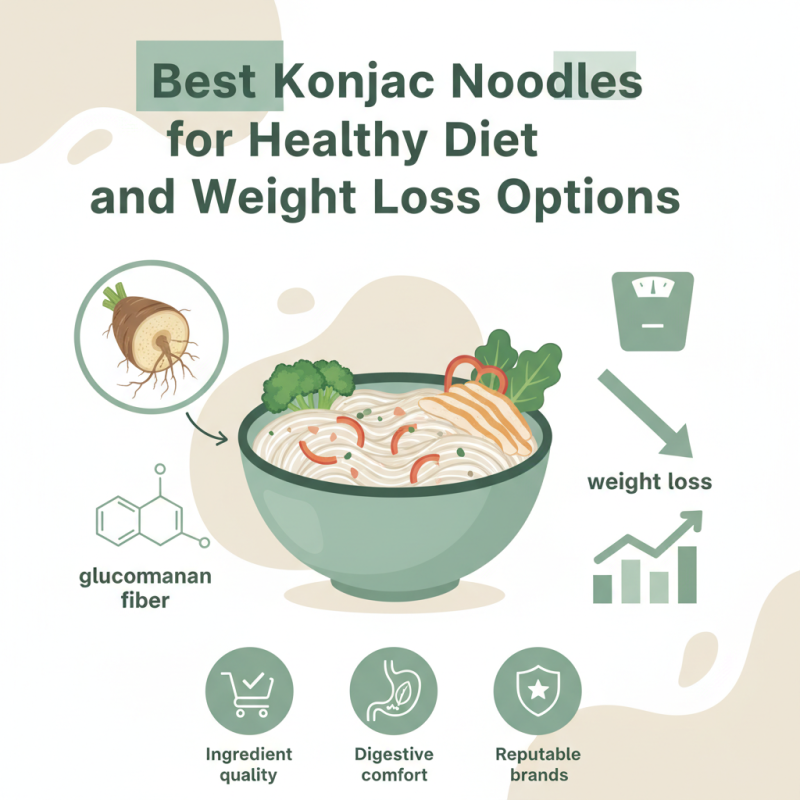
Overview of Konjac Noodles and Their Nutritional Benefits
Konjac Noodles are derived from the konjac root, a plant native to Asia. They are known for their low-calorie content and unique texture, making them a popular choice for those pursuing a healthy lifestyle. These noodles are mostly water and glucomannan, a dietary fiber that expands in the stomach. This can enhance feelings of fullness and help control hunger.
In terms of nutrition, konjac noodles are nearly calorie-free. They contain minimal carbohydrates and fat, which can aid in weight management. However, this can also mean they lack proteins and essential vitamins. It's important to balance the diet with other nutrient-rich foods. Eating konjac noodles without additional ingredients may lead to nutrient deficiencies over time. Consider pairing them with vegetables or proteins to create a healthier meal.
While konjac noodles offer various benefits, moderation is key. Some individuals may experience digestive issues due to high fiber content. It’s important to listen to your body. Start with small portions to see how it reacts. This plant-based option is versatile and can be a valuable part of a balanced diet if consumed mindfully.
Best Konjac Noodles for Healthy Diet and Weight Loss Options
How Konjac Noodles Aid in Weight Loss and Healthy Eating
Konjac noodles have gained popularity as a healthy alternative to traditional pasta. These noodles are derived from the konjac plant, which is rich in glucomannan, a type of soluble fiber. Research shows that glucomannan can promote feelings of fullness and reduce overall calorie intake. A study from the Journal of Nutrition highlights that incorporating glucomannan in meals can lead to a weight loss of up to 5.5 pounds in just a few months.
In addition to aiding in weight loss, konjac noodles are low in calories and carbohydrates. A typical serving contains less than 20 calories, making it an excellent choice for those following a low-calorie diet. These noodles can easily absorb flavors, allowing for versatility in meals. However, although konjac noodles provide health benefits, they lack essential nutrients. It’s crucial to pair them with vegetables, lean proteins, and healthy fats to create a balanced meal.
While konjac noodles can support weight management, they are not a magic solution. Individuals may experience digestive discomfort due to increased fiber intake. This highlights the importance of consuming konjac noodles gradually and mixing them with other foods. Monitoring your body's response can help you find the right balance.
Comparing Different Types of Konjac Noodles on the Market
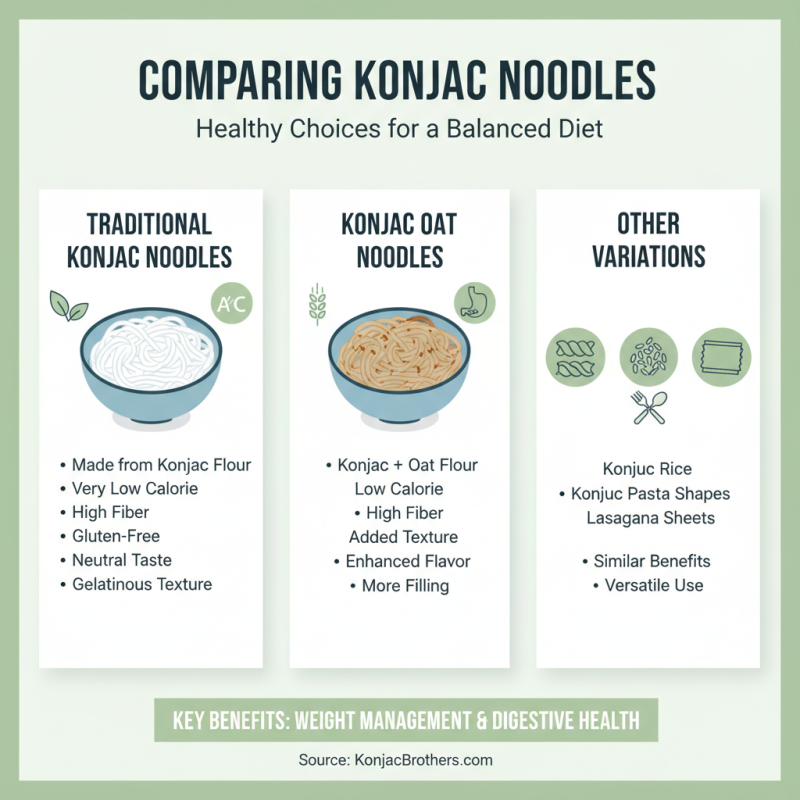
Konjac noodles have become a popular choice for those seeking a healthy diet and weight loss options. When comparing different types, it’s crucial to understand their nutritional benefits. Many konjac noodles are made from konjac flour, which is low in calories and high in fiber. This makes them a filling option that helps control appetite. Some variations include Konjac Oat Noodles, which add additional texture and taste while still remaining low in calories.
When choosing konjac noodles, look for options that have minimal additives. Check the ingredient list for any preservatives or artificial flavors. Fiber content can vary, so remember to find brands that enhance satiety. If you're experimenting in the kitchen, consider pairing these noodles with fresh vegetables for added nutrients.
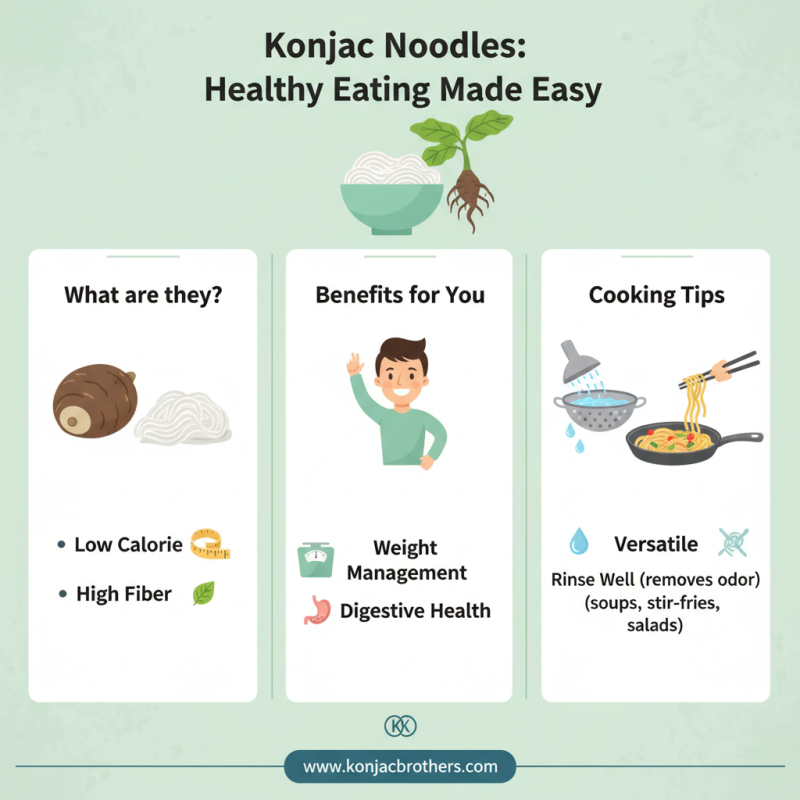
Tips for preparing konjac noodles include rinsing them thoroughly before use. This helps to remove the natural odor. Also, remember to cook them briefly to achieve the best texture. While konjac noodles are versatile, not everyone will enjoy their unique texture. It might take a few attempts to find your perfect dish. Don’t hesitate to adjust seasonings to enhance flavors according to your preferences.
Top Brands of Konjac Noodles for Diet and Wellness
When exploring konjac noodles, several top brands stand out for diet and wellness. These noodles are low in calories and high in fiber. They can help you feel full without gaining weight. Choosing the right brand can significantly impact your health journey.
Many brands offer konjac noodles that vary in texture and flavor. Some noodles are smooth and soft, while others may be chewier. Look for options that have a good balance of taste and nutrition.
Reading labels is essential. Some products may include additives that alter their health benefits.
It's also important to consider personal preferences. Some people may find the taste mild, needing seasoning or sauces. Others might enjoy the natural flavor. Experimentation plays a role in finding what works best for each individual. An open mind can lead to delightful discoveries.
Don't hesitate to reflect on your choices; the goal is to make sustainable and enjoyable dietary changes.
Cooking Tips and Recipe Ideas Using Konjac Noodles
Konjac noodles are a wonderful substitute for traditional pasta. Made from konjac yam, they are low in calories and high in fiber. This makes them perfect for anyone focused on healthy eating or weight loss. When using Konjac Yam Noodles, it's essential to rinse them well. This step removes any residual odor and enhances the flavor.
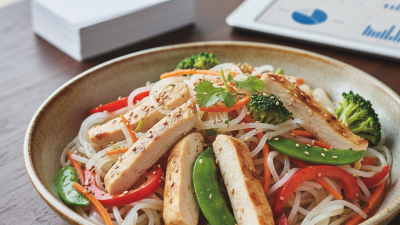
Try adding sautéed vegetables like bell peppers, carrots, and broccoli. Toss them in a little olive oil and garlic for an aromatic dish. You can also mix konjac noodles into soups for added texture. They absorb the flavors of the broth beautifully. Don't be afraid to experiment with sauces too; a light soy sauce or homemade pesto can elevate your meal.
Remember that konjac noodles have a unique texture. They're chewy, which might feel different compared to traditional pasta. Some people appreciate this change, while others may need time to adjust. It's worth trying various cooking methods to find your favorite. Whether stir-frying, boiling, or baking, the versatility of konjac yam noodles offers endless possibilities for creating delicious, healthy dishes.
Potential Health Concerns and Considerations of Konjac Noodles
Konjac noodles, derived from the konjac plant, are often praised for their low-calorie and high-fiber content. However, there are considerations to keep in mind.
These noodles can be beneficial for weight loss due to their ability to create a feeling of fullness. For many, this helps in reducing overall calorie intake. However, the texture can be unusual, leading to mixed reviews among consumers. Some may not enjoy the gelatinous feel, and this is worth noting.
Another important aspect is dietary sensitivities. Konjac contains glucomannan, a soluble fiber that can cause digestive discomfort in some individuals. Bloating and gas are common side effects. Additionally, those with certain medical conditions should consult healthcare providers before including konjac noodles in their diet.
It’s also possible to overconsume fiber, which can lead to adverse effects. This highlights the need for moderation and awareness of one’s body reactions.
Lastly, always consider the nutritional balance of meals. Relying solely on konjac noodles may not provide enough vitamins and minerals. They should complement a varied diet rich in whole foods. Incorporating them wisely can enhance meals, but they are not a miracle solution for weight loss. This calls for thoughtful integration into a healthy lifestyle.
User Reviews and Feedback on the Best Konjac Noodles
When exploring the world of Konjac noodles, user reviews provide valuable insights. Many appreciate the noodles for their low-calorie count and versatility in dishes. They serve as a great alternative to traditional pasta. However, experiences vary widely. Some users report a unique texture that takes time to get used to. This feedback shows that taste preferences play a significant role.
One common concern is the digestive effects of Konjac noodles. Many users mention bloating or discomfort. This highlights the importance of individual dietary needs. While some find it beneficial for weight loss, others feel “Konjac Noodles Bad” for their digestion. This variation emphasizes the need for cautious experimentation. Listening to your body is crucial when integrating these noodles into your diet.
In terms of cooking, reviews indicate mixed experiences. Some suggest rinsing well before cooking to improve taste. Others find that certain recipes work better than others. The feedback reflects the journey of discovering the best way to enjoy Konjac noodles. User reviews remind us that everyone’s palate and body response differ significantly.
Exploring the Health Benefits and Culinary Versatility of Protein Konjac Noodles in Modern Diets
In recent years, konjac noodles have been garnering attention for their impressive health benefits and culinary versatility. Made primarily from the konjac root, these noodles are an excellent choice for health-conscious consumers seeking low-calorie options. With a net weight of either 170g or 200g per bag, konjac noodles are high in dietary fiber and contain zero fat and minimal carbohydrates. This makes them an ideal staple for various diets, including keto, vegan, and gluten-free.
Research indicates that konjac noodles can aid in weight management by providing a feeling of fullness due to their high fiber content. Fiber plays a crucial role in digestive health and can help regulate blood sugar levels, making these noodles a smart addition to any meal. According to findings from the Journal of Nutrition, dietary fiber is essential for maintaining gut health and can even reduce the risk of chronic diseases. This makes the chewy texture and versatility of konjac noodles an appealing option for those looking to enhance their overall diet without sacrificing taste.
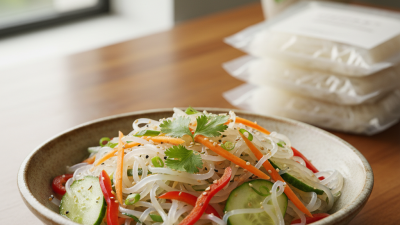
Additionally, konjac noodles offer culinary versatility that allows for endless recipe possibilities. They can be used in soups, stir-fries, or salads, accommodating various flavors and cuisines. Their ability to absorb the flavors of accompanying ingredients enhances the dining experience while keeping the meal light and nutritious. As more individuals embrace healthy eating habits, incorporating konjac noodles into daily diets serves both health and culinary interests seamlessly.
FAQS
: Konjac noodles are made from konjac flour, which is low in calories and high in fiber.
They create a feeling of fullness, which can help reduce overall calorie intake.
Yes, it’s best to choose options with minimal additives, preservatives, or artificial flavors.
Rinse them thoroughly to remove odor, and cook them briefly for the best texture.
The texture is unique and might not appeal to everyone. It’s okay to experiment.
Yes, they contain glucomannan, which can cause bloating and gas for some people.
No, they should complement a balanced diet, rich in vitamins and minerals from various foods.
Don’t hesitate to adjust seasonings based on your taste preferences to enjoy them more.
Yes, consuming too much fiber can lead to adverse effects; moderation is key.
Those with certain medical conditions should consult a healthcare provider first.
Conclusion
Konjac noodles are a popular choice for those seeking a healthy diet and effective weight loss options. These low-calorie noodles, derived from the konjac plant, are rich in dietary fiber, which aids in promoting satiety and regulating appetite. The article explores how incorporating konjac noodles into meals can enhance nutritional benefits while supporting weight management efforts.
Additionally, the article compares various types of konjac noodles available on the market, highlighting their unique characteristics and advantages. It provides cooking tips and creative recipe ideas to make the most of these versatile noodles. While konjac noodles offer numerous health benefits, the article also addresses potential health concerns and considerations for consumers. User reviews illustrate the experiences of those who have incorporated konjac noodles into their diets, providing insights into their effectiveness and taste.

 86+09153618258
 Contact Email