inquiry
Leave Your Message
0%

In 2026, global buyers are asking a tougher question: which Konjac Rice actually delivers dependable texture, clean labeling, and real commercial value?

Market reports? They still point to steady interest. Grand View Research’s Konjac Market Size, Share & Trends Analysis Report points to rising demand for low-calorie, high-fiber food ingredients. IMARC Group also ties konjac growth to weight-management products, reduced-carb diets, and functional foods. All that matters, sure—but it doesn’t mean every Konjac Rice product is created equal.

Dr. Qingxin Zhang, who studies konjac glucomannan science, once put it simply: “Texture is the first test of consumer acceptance.” And buyers get that fast. If a bowl feels watery or rubbery, it’s probably not getting a second order. The better product? It should hold its grain shape after rinsing, have a gentle aroma, and work well with sauces, veggies, and protein.

Don’t just trust the front label. Dig into glucomannan content, the rice-to-konjac ratio, moisture levels, packaging integrity, and prep instructions. Check food-safety systems, allergen controls, traceability, and export paperwork. Certifications should actually fit the destination market—not just look pretty on the package.

Supply consistency is another thing people overlook. One shipment cooks great; the next turns too soft. Could be formulation changes, storage conditions, or just weak QC. So buyers should ask for samples from multiple production lots.

The “best” option isn’t automatically the cheapest or lowest-calorie one. It’s the one that performs consistently, tells you the truth, and earns repeat purchases. Some assumptions still need testing. And that’s exactly why serious global sourcing means samples, lab data, and supplier audits before you scale up.
What Is the Best Konjac Rice for Global Buyers in 2026?

What Konjac Rice Is and Why Global Buyers Consider It in 2026

What Is the Best Konjac Rice for Global Buyers in 2026?

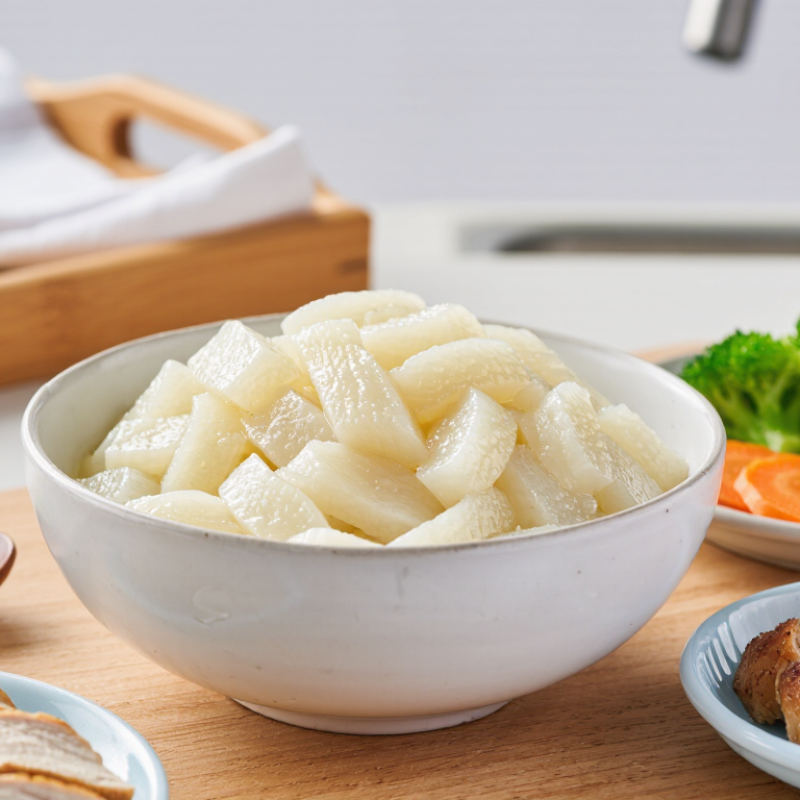
Konjac rice is made from glucomannan, a soluble fiber extracted from the konjac plant. It is commonly shaped into small rice-like grains and packed with water. Unlike ordinary rice, it usually contains very little starch and fewer calories per serving. However, it does not cook or taste exactly like steamed rice. That difference matters.

During a practical kitchen test, rinsing the grains removed their mild earthy smell. A short pan-drying step improved the texture before adding vegetables or protein. The grains stayed separate in a Konjac Fried Rice recipe, but they absorbed less seasoning than jasmine rice. A stronger sauce may be needed. Texture remains subjective.

Global buyers should examine the ingredient list, fiber content, serving size, and storage instructions. A reliable supplier should provide batch information, food safety documentation, and clear country-specific labeling support. Packaging also deserves attention. Pouches must resist leakage, swelling, and temperature changes during transport. Shelf-life claims should match verified testing, not optimistic estimates.

Low carbohydrate content may interest shoppers managing their daily intake, but it does not make konjac rice suitable for every diet. Some people may experience digestive discomfort after eating large portions. Clear usage guidance builds trust. Buyers should also check whether the product uses added starch, flavoring, or preservatives. The “best” option depends on texture, formulation, documentation, logistics, and consumer expectations.

Key Quality Standards for Evaluating Konjac Rice Products

Global buyers should evaluate konjac rice through measurable quality standards, not attractive packaging. A reliable product should list konjac glucomannan content, rice ingredients, serving size, and preparation instructions clearly. Ingredient percentages matter because they affect texture, satiety, and cooking performance.

Laboratory documents should cover moisture, microbiological safety, heavy metals, and undeclared allergens. Moisture levels influence shelf stability and the risk of clumping. A batch with a sour smell, swollen pouch, or cloudy liquid deserves careful investigation. Packaging should remain sealed after transport, especially through humid ports. Buyers should also request batch numbers, production dates, traceability records, and recent test reports. Certifications can support trust, but they should be verified with the issuing body. A certificate alone proves little.

Tips: Cook a sample before ordering. Rinse it, heat it, and check its firmness after ten minutes. Compare texture across batches, not just one sample. Ask suppliers how they control odor, since washing methods can vary. Do not judge quality only by whiteness; excessive processing may reduce the product’s natural character. I have found that texture claims are sometimes optimistic. A product described as “rice-like” may still feel rubbery beside steamed rice. This is where practical testing matters. Buyers should record cooking time, drained weight, aroma, and consumer feedback before approving larger shipments.

How to Compare Ingredients, Texture, Flavor, and Nutrition

For global buyers, the best Konjac Flour Rice starts with a clear ingredient panel. Look for konjac flour or glucomannan near the top, not vague “vegetable fiber.” Some products also contain rice flour, tapioca starch, or oat fiber. These additions improve bite, but they raise carbohydrates and calories.

USDA FoodData Central lists cooked white rice at about 130 calories per 100 grams, while many konjac-based products report fewer than 20 calories. Check the serving size carefully. Labels can make comparison surprisingly difficult.

Texture often separates a good product from a disappointing one. In my kitchen trials, thorough rinsing reduced the sharp odor, while two minutes of dry pan-heating produced a firmer, less watery bite. Too much heat made the strands rubbery.

Flavor should remain mild enough for curry, soup, or stir-fry. A faint marine or sulfur note may appear before rinsing. That is not automatically spoilage, but buyers should inspect the package date and storage instructions.

Nutrition claims need restraint. The European Food Safety Authority evaluated glucomannan and recognized a weight-management effect only under specific conditions, including three grams daily with adequate water and a controlled diet. That finding does not make every rice substitute a slimming food.

Products with added starch may taste more familiar, yet their nutrition moves closer to conventional noodles. I would compare fiber, net carbohydrates, sodium, and protein per 100 grams, not per pouch.

My own mistake was judging quality by calories alone; texture and ingredient transparency mattered more.

Which Packaging and Shelf-Life Features Matter for International Trade

What Is the Best Konjac Rice for Global Buyers in 2026?

For international trade, the best konjac rice is not defined by texture alone. Packaging and shelf life often determine whether the product arrives in good condition. A high-barrier pouch can reduce exposure to oxygen, moisture, and light. Strong seals also matter during long sea shipments and repeated warehouse handling. One small leak can ruin an entire carton.

Buyers should check the packing date, best-before date, lot code, and storage instructions. These details support traceability and help importers manage stock rotation. For products such as Konjac Brothers Konjac Cold Noodles, clear labeling should explain preparation, net weight, ingredients, and storage conditions. The outer carton needs useful shipping marks, not crowded decoration. It should survive stacking without collapsing.

Shelf-life claims deserve evidence. Suppliers should provide stability data, microbial test results, and packaging specifications. Accelerated testing is useful, but it cannot fully replace real-time observation. I have seen attractive pouches fail because their seals were poorly checked. A long date means little when temperature control is ignored. Warehouses may become hot, even when the container leaves a cool port. Buyers should confirm transport conditions, pallet strength, and destination requirements before ordering. Some packaging choices look economical, yet create higher losses later. That is worth questioning.

What Is the Best Konjac Rice for Global Buyers in 2026?

Packaging and shelf-life features that matter most in international trade

High-barrier packaging, reliable sealing, moisture protection, and sufficient remaining shelf life are key requirements for exporting konjac rice. The chart uses a 100-point trade-readiness scale to compare practical packaging features commonly evaluated by international buyers. Multilayer barrier pouches score highest because they help limit oxygen and moisture exposure during extended storage and ocean transport.

How Certifications and Regulatory Compliance Affect Global Purchasing

What Is the Best Konjac Rice for Global Buyers in 2026?

For global buyers, the best konjac rice is not simply the lowest-calorie option. Compliance often decides whether a shipment clears customs, reaches retailers, and earns repeat orders. Grand View Research’s 2024 konjac market assessment reported continued market growth, driven by low-carbohydrate and high-fiber food demand. That growth also increases scrutiny.

Check the certificate scope, not only the certificate logo. A credible supplier should provide HACCP or ISO 22000 documentation, recent microbial testing, heavy-metal results, pesticide screening, and full batch traceability. BRCGS certification can strengthen retailer confidence, but it does not replace destination-country approval. Organic certification matters only when the product, ingredients, processing site, and claim meet the importing market’s rules.

Regulatory details can change the purchase decision. In the European Union, glucomannan-related claims must follow Regulation (EC) No 1924/2006 and the permitted conditions under Regulation (EU) No 432/2012. The product may also require a clear warning about adequate fluid intake and choking risk. In the United States, buyers should verify ingredient status, labeling, nutrition facts, and facility registration requirements before import. Rules differ.

Ask for the latest certificate.

A certificate can expire.

I have seen buyers overlook the rice’s alkaline smell, texture after reheating, and pouch instructions. Those details are not illegal, but they can cause complaints. Testing should include sensory checks, serving preparation, shelf-life stability, and packaging integrity. Market reports offer useful direction, yet they cannot replace a destination-specific compliance review.

How to Choose the Best Konjac Rice Supplier for Your Market

What Is the Best Konjac Rice for Global Buyers in 2026?

Choosing the best konjac rice supplier starts with market fit, not a low quotation. A supplier should explain the rice’s konjac content, processing method, texture, and preparation instructions. Ask for recent laboratory reports, allergen controls, microbiological testing, and batch traceability. These records show whether quality is repeatable, not merely attractive on a sample day.

Request samples from different production lots. Cook them in your local water and kitchen equipment. Check firmness after five minutes, aroma after heating, and texture after refrigeration. A reliable supplier should provide clear packaging specifications and shelf-life evidence. Confirm that the product suits your market’s food standards, labeling rules, and import documents. Requirements can differ sharply between countries. Never rely on informal promises.

Packaging also deserves practical testing. Can the pouch survive a humid warehouse? Does the seal remain firm after transport? Ask whether the supplier can support stable volumes without changing ingredients unexpectedly. Communication matters here. Slow answers may become expensive delays later. A supplier offering rice, rice blends, and a Konjac Knot format may help you build a wider product range. Still, more options do not always mean better service. I have seen promising samples fail during scale-up. That is a useful warning. Leave room for another trial, even when the first results look convincing.

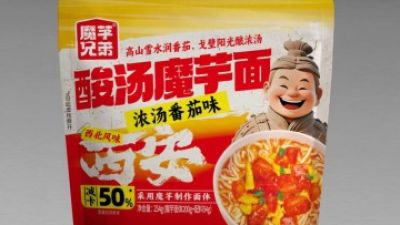
Sour Soup Konjac Noodles: Rich Tomato Flavor, Authentic Northwest China Taste & Trusted Factory Supply

Sour Soup Konjac Noodles bring the bold, comforting taste of Northwest China to the table with a deliciously rich tomato broth. Inspired by the cuisine of Shaanxi, the soup combines savory depth, gentle tanginess, and a satisfying tomato flavor that coats every strand of konjac noodles. Its balanced profile makes each bite flavorful without overpowering the natural appeal of the noodles, offering a convenient way to enjoy a regional-style sour soup at home or in foodservice settings.

Each 254g bag contains 200g of konjac noodles along with carefully prepared seasoning and vegetable packets, creating a complete and convenient meal solution. Made in Shaanxi, China, the product reflects the culinary character of Northwest China while benefiting from reliable factory production and consistent quality control. The flexible packaging format is suitable for retail distribution, restaurants, catering businesses, and bulk purchasing, helping customers enjoy a distinctive tomato-based noodle experience with efficient preparation and dependable supply.

FAQS

What information should a konjac rice label show?

It should list konjac glucomannan, rice ingredients, serving size, and cooking instructions. Ingredient percentages affect texture, fullness, and cooking results. Vague terms like “vegetable fiber” need clarification.

Which laboratory tests should buyers request?

Request results for moisture, microbiological safety, heavy metals, and undeclared allergens. Also ask for batch numbers, production dates, and traceability records. A certificate alone proves little.

How can buyers test texture before placing a large order?

Rinse one sample, heat it, and check firmness after ten minutes. Record cooking time, drained weight, aroma, and texture. Compare several batches, not just one.

Can a mild marine or sulfur smell indicate spoilage?

Not automatically. Rinsing may reduce a sharp odor, especially before cooking. However, sour smells, swollen pouches, or cloudy liquid require investigation.

How do added ingredients affect nutrition?

Rice flour, tapioca starch, and oat fiber can improve the bite. They may also increase carbohydrates and calories. Compare fiber, net carbohydrates, sodium, and protein per 100 grams.

Is low calorie content enough to prove product quality?

No. Texture and ingredient transparency matter too. I once judged quality by calories alone, and that was a poor shortcut. A rubbery product remains disappointing.

What packaging features support international shipping?

High-barrier pouches help limit oxygen, moisture, and light exposure. Strong seals must survive humid ports and warehouse handling. One small leak can damage a carton.

How should buyers evaluate shelf-life claims?

Ask for stability data, microbial results, and packaging specifications. Confirm storage temperatures, pallet strength, and destination requirements. A long date means little when heat control fails.

Conclusion

In 2026, Konjac Rice is attracting global buyers seeking a practical, low-calorie alternative to conventional rice. Made primarily from konjac-based ingredients, it is valued for its light nutritional profile, convenience, and compatibility with various dietary preferences. To evaluate product quality, buyers should examine ingredient transparency, texture, aroma, flavor, moisture level, and consistency after preparation. A high-quality product should offer a pleasant mouthfeel without excessive odor or an artificial aftertaste, while providing clear and reliable nutrition information.

For international trade, packaging durability, portion design, storage conditions, and shelf life are essential considerations. Buyers should also verify applicable food safety certifications, labeling accuracy, traceability, and regulatory compliance in both the exporting and importing markets. Choosing the best supplier requires assessing production capacity, quality-control procedures, documentation, communication, customization options, and delivery reliability. A supplier that demonstrates stable product quality and supports market-specific requirements can help global buyers build a dependable and competitive Konjac Rice offering.


Emily

Emily

Emily is a highly skilled marketing professional with over a decade of experience in the konjac product industry. Her deep understanding of the market and its demands has allowed her to develop a diverse portfolio of konjac products, ranging from leisure snacks and instant foods to essential......
Previous What Are the China Top 10 Konjac Flour Suppliers?