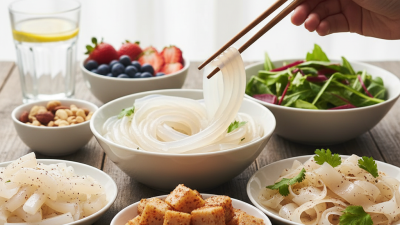
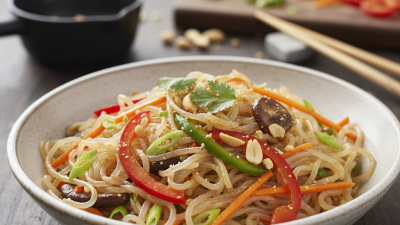
You know, as more and folks everywhere start leaning into healthy, plant-based options, Konjac Kuey Teow has really been gaining some serious popularity. It’s this pretty cool, unique noodle made from the Konjac plant, and tons of people are loving it because it’s low in calories and gluten-free — perfect for those looking to munch healthier. Chinese manufacturers have been stepping up their game, especially in 2026, rolling out new techniques and flavor ideas, which is pretty exciting to see.
That said, if you’re looking into ODM (Original Design Manufacturer) options for Konjac Kuey Teow, it’s kinda important to do your homework. Some manufacturers are absolute pros, delivering top-quality products, while others might fall a bit short. Figuring out which suppliers are legit involves checking out their production methods, looking at certifications, and reading reviews from other customers.
Honestly, trust and dependability are huge here. As buyers, we’ve gotta ask ourselves—are we just going for the cheapest option, or are we actually thinking about quality and sustainability? Making these kinds of choices is pretty crucial because it shapes what we end up with. So, as we sift through the options, keeping these questions in mind can help us make smarter decisions about our future picks for Konjac Kuey Teow.
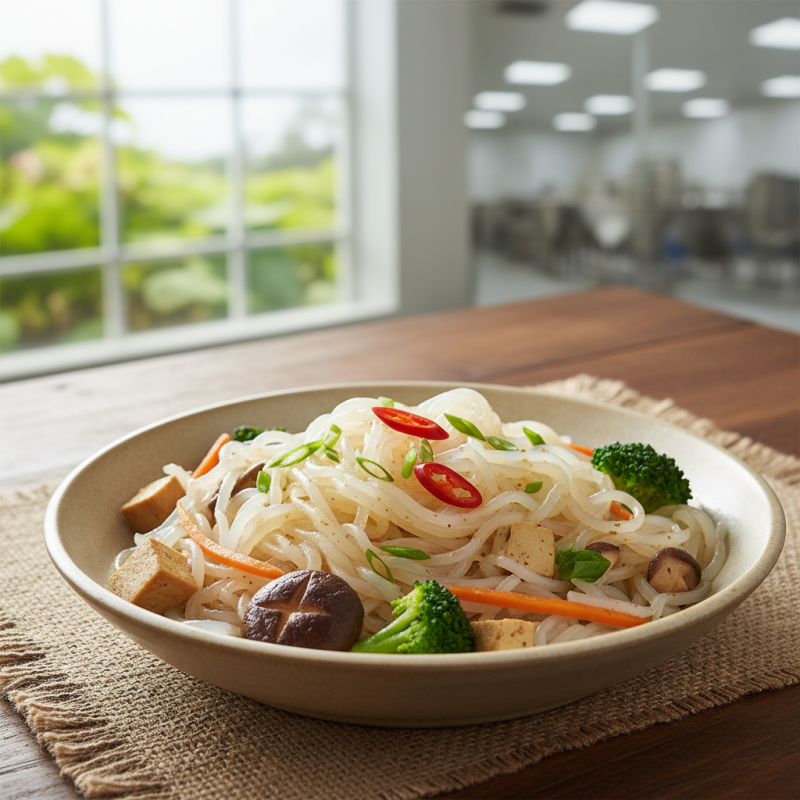
Overview of Konjac Kuey Teow and Its Popularity in 2026
The konjac industry has seen significant growth and transformation in 2026. Konjac Kuey Teow, made from konjac yam, has become a staple in many diets around the world. Its low-calorie content and high fiber make it popular among health-conscious consumers. According to industry sources, sales of konjac-based products increased by 15% in just the first half of this year. This surge is attributed to rising interest in gluten-free and plant-based foods.
The popularity of Konjac Kuey Teow can be reflected in social media trends. Many influencers endorse its health benefits. However, not all consumers are aware of preparation methods. Some find the texture unfamiliar, and this can deter first-time users. Education on cooking and incorporating it into meals can boost its acceptance.
Reliable sources suggest that brands like Konjac Brothers Konjac Cold Noodles are setting industry standards. They've pioneered innovative flavors and forms, making konjac noodles more appealing. Yet, there's still a gap in understanding. More research is needed into the long-term effects of regular consumption. This includes potential digestive impacts. As the market grows, it is crucial for manufacturers to address these consumer concerns.
Key Features and Benefits of ODM Products in the Food Industry
In 2026, the food industry increasingly relies on ODM (Original Design Manufacturing) for product innovation. ODM manufacturers in China, particularly for Konjac Kuey Teow, offer numerous advantages. Their expertise ensures high-quality products that comply with international standards. A recent market report indicated that the global demand for plant-based foods is projected to grow by 11.9% annually. This shift highlights the appeal of Konjac products, known for their health benefits.
One key feature of ODM products is customization. Manufacturers can tailor products to meet consumer preferences, enhancing market appeal. A survey found that 75% of consumers favor personalized food options. Furthermore, ODM partners often provide competitive pricing due to their vast resources. This allows businesses to optimize their supply chains while maintaining quality. However, businesses should also consider the challenges of relying on ODMs, such as ensuring consistency in product quality.
Transparent communication becomes crucial when dealing with ODMs. Misunderstandings can arise regarding product specifications or timelines. Establishing clear expectations helps mitigate these risks. As the food industry evolves, leveraging the strengths of ODM manufacturers while addressing potential concerns can lead to a successful partnership.
Criteria for Selecting the Best ODM Manufacturers in China
When searching for the best ODM manufacturers of Konjac Kuey Teow in China, several criteria stand out. Quality control processes should be robust. According to a recent industry report, 75% of manufacturers fail quality inspections due to inadequate standards. Reliable manufacturers invest in certifications and consistent testing. This not only assures quality but also builds trust with clients.
Another key criterion is production capacity. The best manufacturers often report the ability to scale efficiently. In 2025, the Konjac product market was valued at approximately $250 million, with projections suggesting a steady growth of 6% annually. This indicates a growing demand. Manufacturers need to keep pace to fulfill orders promptly. Timeliness can make or break a partnership.
Lastly, consider their responsiveness to innovation and trends. The industry has seen a rise in health-conscious consumers. Manufacturers who adapt swiftly to these trends gain a competitive edge. However, only 30% of manufacturers successfully crunch market data to inform their production. Thus, choosing the right ODM partner involves scrutinizing their approach to market responsiveness.
Leading ODM Konjac Kuey Teow Manufacturers in 2026
As the demand for healthier food alternatives rises, Konjac Kuey Teow is becoming increasingly popular. This trend is evident in the growth of manufacturers focusing on this product. According to market research, the global Konjac market is expected to reach USD 1.4 billion by 2026, with a CAGR of 10.2%. This indicates a robust interest in Konjac-based products, often linked to dietary health.
The leading ODM Konjac Kuey Teow manufacturers in 2026 are faced with the challenge of maintaining quality while meeting rising consumer expectations. These manufacturers must also navigate the complexities of sourcing high-quality Konjac Knot. Sourcing raw materials sustainably is crucial. Manufacturers are investing more in technology and innovation to enhance the nutritional profiles of their products. They seek to create products that are both appealing and beneficial for health-conscious consumers.
Despite these advancements, there remain concerns about the consistency of product quality. Variability in sourcing can affect end products significantly. Manufacturers must also address consumer education on the benefits of Konjac, as many still lack awareness. This ongoing dialogue between producers and consumers is essential for fostering trust and achieving long-term successes in the Konjac Kuey Teow market.
Top ODM Konjac Kuey Teow Manufacturers - Production Volume in 2026
Innovative Production Techniques Used by ODM Manufacturers
As the demand for healthier alternatives in the food industry grows, ODM manufacturers of Konjac Kuey Teow are leveraging innovative production techniques. These methods focus on sustainability and efficiency, meeting health-conscious consumer needs.
One approach involves the use of advanced extrusion technology. This method enhances texture while maintaining low calories. Reports indicate that a 100g serving of Konjac Kuey Teow contains only around 10 to 20 calories—efficient for weight management. Additionally, successful manufacturers utilize vacuum packaging, extending shelf life and maintaining quality without preservatives.
Tips: Consider the sourcing of raw materials. High-quality konjac flour is crucial for the best texture. Look for suppliers with transparent practices.
Moreover, manufacturers are adopting digital monitoring systems in their production lines. These systems ensure consistency in quality, yielding products that consistently meet nutritional guidelines. Data from industry analysts predict an increasing trend in demand for konjac products, reflecting consumers' desire for solutions that fit their health goals.
Tips: Research the nutritional content of products like Konjac Kcal and its potential in your diet. Understanding the benefits can enhance your choices.
Market Trends Impacting ODM Konjac Kuey Teow in 2026
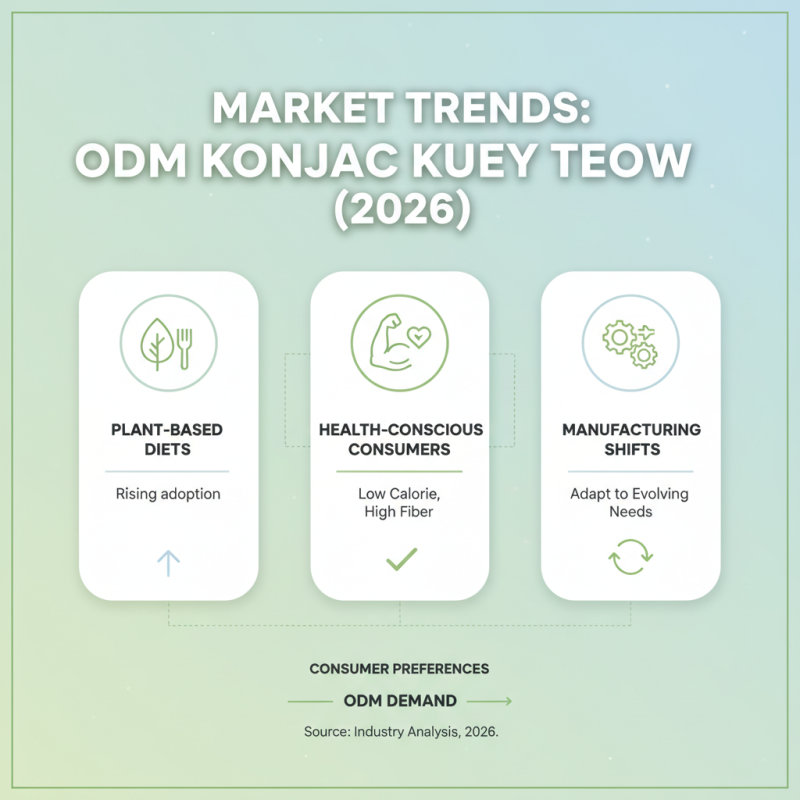
In 2026, the ODM market for Konjac Kuey Teow is experiencing notable shifts driven by consumer preferences and health trends. As more people embrace plant-based diets, the demand for konjac products is rising. This root vegetable is known for its low calorie and high fiber content, appealing to health-conscious consumers. Manufacturers need to pay attention to these trends. They must ensure their products meet the evolving needs.
Sustainability is another major factor. Consumers increasingly prefer environmentally friendly options. Manufacturers should consider eco-friendly packaging and sourcing practices. Additionally, transparency in ingredient sourcing is crucial. This builds trust with customers and strengthens brand loyalty. However, not all manufacturers prioritize these practices. Companies risk losing market share if they fall behind.
Some challenges remain. Quality control in ODM production can vary widely. Buyers must navigate this inconsistency. Seeking out reliable manufacturers becomes essential. A lack of standardization in product quality may lead to disappointment in the market. As the industry progresses, constant evaluation and adaptation will be necessary to stay competitive.
Sustainability Practices in Konjac Kuey Teow Manufacturing
The sustainability practices of Konjac Kuey Teow manufacturers are now more important than ever. Many companies are shifting towards eco-friendly production methods. This includes sourcing raw materials from sustainable farms. Konjac, a plant-based ingredient, is utilized in a variety of dishes, including
Konjac Rice. It serves as an excellent alternative for those seeking healthier options.
Waste reduction is another key focus. Some manufacturers are implementing recycling programs. They aim to minimize environmental impact throughout the production cycle. However, challenges remain. It's crucial to balance cost efficiency with sustainable practices. Not all manufacturers are adopting these methods. The industry still faces skepticism regarding its commitment to sustainability.
Consumer awareness is driving change. As more people demand transparency, the pressure mounts on manufacturers to improve. Many are now exploring organic cultivation of Konjac. This shift promotes not only health benefits but also ecological responsibility. There is a growing realization that sustainable practices can enhance brand reputation. Yet, the transition isn’t without its hurdles. The journey toward sustainable Konjac Kuey Teow production is ongoing and requires continuous improvement.
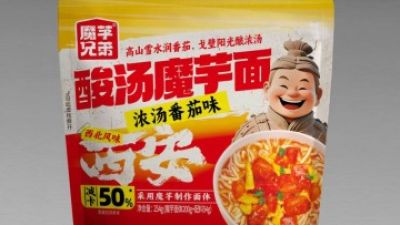
Exploring the Health and Market Trends of Konjac Noodles: A Focus on Sour Soup Rich Tomato Flavor in China's Culinary Landscape
In recent years, konjac noodles have surged in popularity, particularly as consumers become more health-conscious and seek low-calorie, gluten-free alternatives to traditional pasta. These unique noodles, derived from the konjac plant, are celebrated not only for their health benefits—such as being high in fiber and low in calories—but also for their versatility in culinary applications. The demand for konjac-based products, particularly in China’s diverse food market, has been notably driven by innovative flavors and regional inspirations.
One of the standout products in this category is the sour soup konjac noodles, which leverage the rich flavors of Shaanxi cuisine, particularly the tangy and nutrient-packed rich tomato broth. This flavor profile resonates deeply within the context of Northwest Chinese culinary traditions, where bold and spicy soups are a staple. A recent market analysis indicated that the flavored noodle segment is expected to witness significant growth, with consumers increasingly gravitating towards unique, culturally inspired offerings that provide both taste and health benefits.
According to industry reports, the overall konjac noodles market has seen a compound annual growth rate (CAGR) of over 5% in recent years, indicating a robust trend towards healthier eating habits. The integration of flavors such as rich tomato not only enhances the sensory experience but also captures the essence of local cuisines, making it an attractive choice for those looking to explore the depths of China's culinary landscape while maintaining a focus on health. The rich tomato flavor, combined with the nutritional profile of konjac noodles, positions this product as a prime candidate for health-conscious consumers eager to enjoy guilt-free meals that do not compromise on taste.
FAQS
: Focus on quality control processes and certifications. Many manufacturers fail inspections due to poor standards.
Production capacity is vital. Manufacturers need to scale efficiently to meet growing demand projected at 6% annually.
Manufacturers must adapt to health trends. Only 30% successfully analyze market data to inform their production methods.
Advanced extrusion technology improves texture while keeping calories low. Vacuum packaging extends shelf life without preservatives.
High-quality konjac flour leads to the best texture. Choose suppliers with transparent sourcing practices for optimal results.
Manufacturers are using eco-friendly methods and sourcing from sustainable farms, yet not all are fully committed to these practices.
Balancing cost efficiency with eco-friendly practices is tough. The industry still faces skepticism regarding its commitment.
Growing consumer demand for transparency pressures manufacturers to adopt sustainable practices and improve their operations.
Organic cultivation promotes health benefits and ecological responsibility, enhancing brand reputation but requires continuous efforts.
No, the transition is complex and ongoing. Manufacturers must consider various hurdles to improve their sustainability efforts.
Conclusion
The article titled "Exploring the Best ODM China Konjac Kuey Teow Manufacturers in 2026" provides an in-depth look at the increasing demand for Konjac Kuey Teow in 2026, highlighting its nutritional benefits and versatility in various cuisines. The exploration begins with an overview of this unique food product, known for its low-calorie and gluten-free properties, which have contributed to its popularity among health-conscious consumers.
The article further discusses the key features of Original Design Manufacturer (ODM) products and outlines essential criteria for selecting the top manufacturers in China. It highlights innovative production techniques adopted by these manufacturers, alongside current market trends influencing the Konjac Kuey Teow sector. Additionally, sustainability practices in production highlight the industry's commitment to environmentally friendly methods, ensuring that the growing popularity of this product aligns with consumer and ecological demands.

 86+09153618258
 Contact Email