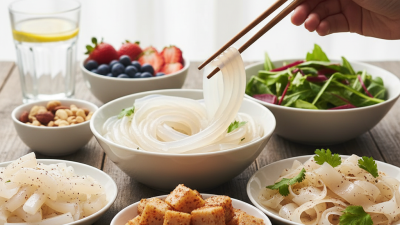
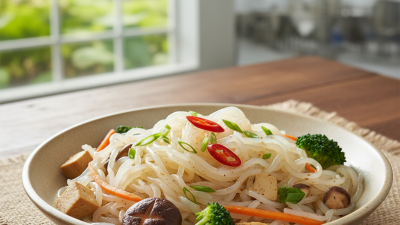
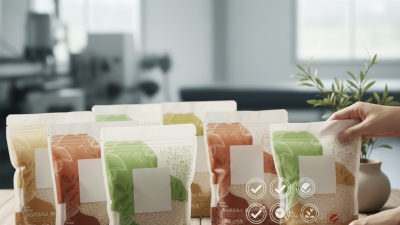
Lately, I've noticed the global market for Pure Konjac Strips has been really booming. You know, it's pretty interesting how these little strips have taken off — people love them for their unique health perks and how versatile they are. Dr. Emily Tan, who’s pretty well-known in food science circles, mentioned, "Pure Konjac Strips offer a low-calorie alternative that’s perfect for anyone trying to eat healthier." That really highlights how more folks are looking for natural, plant-based options these days.
As more and more people get conscious about what they put into their bodies, Pure Konjac Strips are definitely becoming a go-to choice. They’re gluten-free, low in calories, and packed with fiber — all the stuff that fits into pretty much any diet, whether you're vegan, paleo, or just trying to eat healthier. Brands like Konjac Wellness are really leading the way, offering high-quality products that people can trust for their authenticity and health benefits.
Of course, not everything’s smooth sailing. Some brands out there aren’t as transparent as they should be, which makes you wonder about the quality of their products. It’s super important for shoppers to find trustworthy sources. While Pure Konjac Strips definitely have a lot of potential, the industry needs to keep integrity at the forefront. Making informed choices will help everything move forward, and in the end, benefit everyone involved.
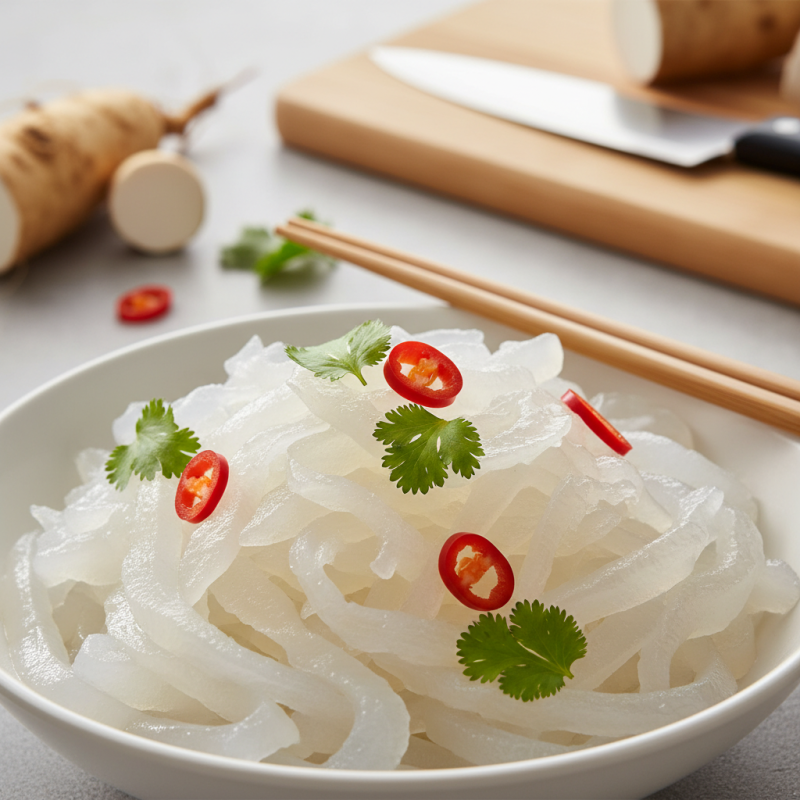
Overview of Konjac Strips and Their Global Popularity in 2026
Konjac strips have gained significant global popularity by 2026. This surge ties closely to rising health awareness. According to recent industry reports, the market for konjac products is projected to exceed $500 million by the end of 2026. These low-calorie, high-fiber snacks appeal to a broad demographic. They align well with vegetarian and gluten-free diets, especially among younger consumers.
The appeal of konjac strips is further enhanced by innovative flavors. Hot Selling Cool And Spicy Strips Konjac Vegetarian Hairy Belly Net Red Dormitory Office Snacks are now trending across various social media platforms. Research indicates that flavors significantly influence purchase decisions. Consumers increasingly prefer unique and bold tastes. This shift highlights the need for brands to adapt quickly and creatively.
However, challenges exist in the konjac market. Not all consumers find konjac textures appealing. Some may describe the mouthfeel as unusual or unappealing. Educating consumers about the benefits and versatility of konjac remains crucial. Brands must navigate these perceptions to build customer loyalty. Moreover, expanding the product range while maintaining quality will be vital for sustained growth.
Key Benefits of Pure Konjac Strips for Health and Wellness
Konjac strips, derived from the konjac plant, are gaining recognition for their health benefits. A recent study found that konjac, rich in glucomannan, can support weight management. This soluble fiber expands in the stomach, promoting a feeling of fullness. Reports suggest that incorporating konjac strips into meals can aid those looking to reduce caloric intake effectively.
Many nutritionists recommend these strips for their low-calorie, low-carb properties. They are 97% water and contain minimal calories, making them ideal for healthy diets. However, one study highlighted that consuming konjac without adequate water could lead to digestive discomfort.
Tips for incorporating konjac strips:
- Use them in stir-fries or salads for added texture.
- Ensure you drink plenty of water when consuming konjac to avoid digestive issues.
- Start with small amounts to see how your body reacts.
Experts emphasize the importance of moderation. Over-reliance on any food, even healthy ones, can lead to imbalances. So be mindful of your intake while enjoying the benefits of pure konjac strips.
Top Brands Offering Pure Konjac Strips for International Consumers
The global demand for pure Konjac strips has been on the rise, with significant interest from international buyers. Reports indicate that the Konjac market is expected to reach $1.1 billion by 2026, driven by the increasing popularity of low-calorie, high-fiber foods. This trend highlights the need for reliable brands that deliver high-quality Konjac products.
Several top brands are positioning themselves as leaders in this niche market, offering pure Konjac strips tailored for diverse tastes. Consumers often seek products that not only meet dietary needs but also align with ethical sourcing. Unfortunately, some brands struggle with transparency about their sourcing methods. Establishing trust is crucial in gaining consumer loyalty.
As buyers explore options like Konjac Brothers Konjac Cold Noodles, attention to ingredient sourcing and customer reviews remains vital. Increasingly, consumers want to know how their food is produced. Inadequate information can lead to skepticism. Therefore, brands must work harder to communicate their values and quality standards. Investing in consumer education will help foster a deeper connection between brands and international markets.
Best Pure Konjac Strips for Global Buyers in 2026
| Product Type |
Texture |
Certifications |
Packaging Size |
Price Range (USD) |
| Pure Konjac Strips |
Soft and Chewy |
Organic, Non-GMO |
200g |
$5 - $8 |
| Konjac Noodles |
Firm and Slimy |
Gluten-Free, Vegan |
300g |
$7 - $11 |
| Konjac Rice |
Fluffy and Light |
Kosher, Non-GMO |
250g |
$6 - $10 |
| Konjac Fettuccine |
Thick and Chewy |
Organic, Vegan |
400g |
$8 - $12 |
Factors to Consider When Choosing Konjac Strips
When selecting pure konjac strips, several important factors come into play. First, consider the source of the konjac root. Eco-friendly practices matter. Organic certification can indicate a more reliable product. A study showed that 80% of buyers prefer sustainably sourced products. Thus, checking certifications is essential for informed choices.
Texture and flavor are also key. Pure konjac strips vary widely. Some are softer, while others have a distinct chewiness. According to recent market insights, around 60% of consumers prioritize texture when deciding on meals. A good Konjac Knot should enhance the dish without overpowering it. Testing for different flavors could provide a unique culinary experience, especially for those new to konjac.
Packaging plays a significant role too. Clear information about nutrition and ingredients is a must. Recent trends indicate that consumers are more cautious. About 70% seek transparency regarding additives and preservatives. Thoughtful labeling enhances trust and can significantly impact purchasing decisions. Each aspect reflects a buyer's growing awareness and desire for quality in their konjac selections.
Emerging Trends in the Konjac Market for 2026
The global konjac market is evolving rapidly as more consumers seek healthy alternatives. Konjac, known for its low-calorie content, is gaining popularity among health-conscious individuals. People are increasingly aware of
"Konjac Kcal", which makes it an attractive option for weight management.
Manufacturers are responding to this trend by introducing innovative konjac products, from noodles to snacks.
Sustainability is also becoming a focal point in the konjac industry. Brands are exploring eco-friendly packaging options and sustainable sourcing. This shift is driven by consumer demand for transparency and corporate responsibility.
However, not all products meet these expectations. There are still gaps in quality assurance, and some products may not reflect their advertised benefits.
Additionally, flavor and texture are key considerations in product development. While konjac provides unique culinary uses, it can sometimes lack appeal. Consumers might find certain products unsatisfactory.
Creating a more enjoyable eating experience will be crucial for industry growth. As the market evolves, balancing health benefits with consumer preferences will be essential for success.
Sustainability and Sourcing Practices in Konjac Production
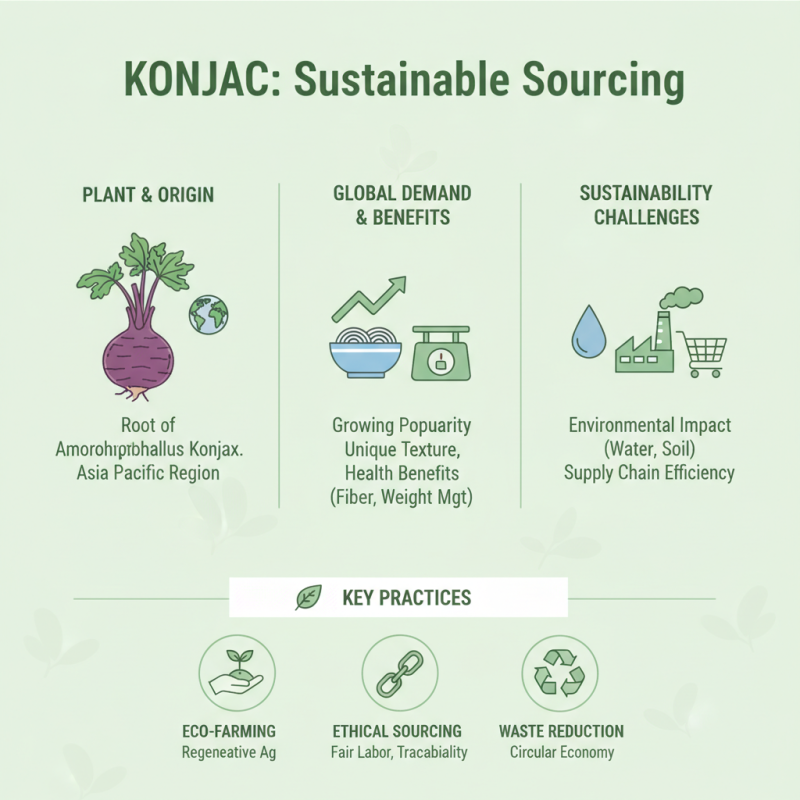
Konjac, derived from the root of the Amorphophallus konjac plant, is gaining popularity worldwide. Its distinct texture and health benefits attract numerous consumers. However, sustainability in konjac production remains a crucial concern. The konjac supply chain must address environmental impacts while meeting growing global demand.
According to industry reports, over 80% of konjac cultivation occurs in China. Land use practices can lead to soil degradation if not managed properly. Sustainable farming techniques, like crop rotation and reduced pesticide use, are essential. A 2022 study noted a 30% increase in yield with these methods. Yet, compliance among farmers often lags behind.
Furthermore, sourcing transparency is vital. Many consumers want assurance that their konjac is ethically sourced. Reportedly, only 42% of konjac products show clear sourcing information. This gap raises questions about accountability in harvesting practices. Buyers should advocate for greater transparency as they navigate the evolving market landscape. The future of konjac lies in balancing production with sustainable and responsible practices.
Consumer Reviews and Ratings for the Best Konjac Strips
When searching for the best pure konjac strips, consumer reviews provide vital insight. Many users appreciate konjac's health benefits, such as low calories and high fiber. These strips are often praised for their unique texture, which can enhance various dishes. Reviewers consistently mention how konjac strips absorb flavors well, making them versatile in different cuisines.
However, not all reviews are positive. Some consumers report a tricky adjustment period while getting used to the texture. Others express disappointment in certain brands lacking flavor. It’s essential for potential buyers to read multiple reviews to get a balanced view. Some users find success when pairing konjac strips with bold sauces. Others recommend mixing them into stir-fries or salads for added benefits and satisfaction.
Selecting konjac strips involves understanding personal preferences. Sifting through reviews can illuminate what to expect. Look for honest feedback about taste and cooking experience. A well-rounded perspective will guide buyers toward making informed choices on this unique culinary ingredient.
Best Pure Konjac Strips Ratings in 2026
FAQS
: Pure Konjac strips are low-calorie, high-fiber food products made from the konjac root. They are popular for healthy diets.
Increased awareness of health benefits and fiber-rich diets drives the demand for Konjac products worldwide.
Over 80% of konjac cultivation occurs in China, raising concerns over sustainable farming practices.
Soil degradation and environmental impacts are issues that need addressing as global demand grows.
Consumers should look for brands that provide clear information about their sourcing practices and sustainability efforts.
Transparency builds consumer trust. Many buyers want assurance about how and where their food is sourced.
Reportedly, only 42% of konjac products show transparency in sourcing, leading to consumer skepticism.
Techniques like crop rotation can increase yields by 30%, helping producers meet demand without harming the environment.
Educated consumers are more likely to connect with brands, influencing purchasing decisions based on values and standards.
Many consumers are skeptical about sourcing methods. Clear communication can help address these doubts and build loyalty.
Conclusion
In 2026, Pure Konjac Strips have gained immense popularity worldwide due to their numerous health benefits and versatile applications. These strips, derived from the konjac plant, are celebrated for their low-calorie content, high fiber, and ability to support weight management and digestive health. As more consumers globally seek healthier dietary options, the demand for Pure Konjac Strips continues to rise.
When selecting Pure Konjac Strips, it is crucial to consider various factors such as ingredient quality, sourcing practices, and sustainability. Emerging trends indicate a growing focus on eco-friendly production methods and transparency in sourcing. Consumer reviews further highlight the positive experiences with these products, solidifying their standing in the health and wellness market. As the konjac market evolves, Pure Konjac Strips are poised to remain a staple for health-conscious individuals seeking natural food alternatives.

 86+09153618258
 Contact Email