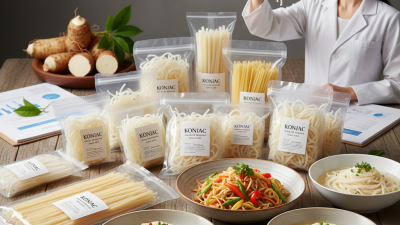
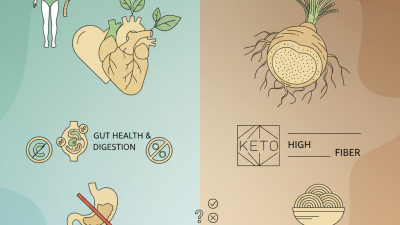
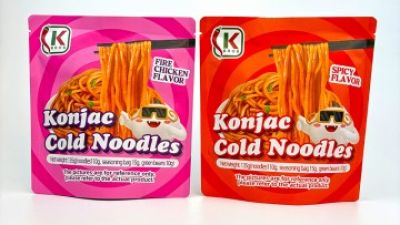
You know, in the ever-changing world of food, everyone’s always on the lookout for healthier options. One thing that’s been getting a lot of attention lately is Konjac Green Bean Noodles. It’s honestly a pretty promising choice if you're into trying new, healthier alternatives. Dr. Sarah Johnson from Healthy Living Co. even says, 'Konjac Green Bean Noodles are a fantastic way to sneak low-calorie fiber into your diet.' Pretty cool, right?
These noodles are made from konjac flour, which is known for its health perks. They’re low in calories, gluten-free — so they catch the eye of many folks looking for that kind of thing. And get this, the texture? Surprisingly tender yet satisfying, making them super versatile for all kinds of dishes. Just a heads-up though—be careful with how you cook them. Overdo it, and they can turn into a kind of mush that’s less than appealing.
That said, while 'Konjac Green Bean Noodles' hold a lot of promise, some folks do have their concerns. Their unique qualities might throw off traditional pasta lovers at first. As more people are becoming health-conscious, companies really need to be transparent about how they make these noodles and ensure top-notch quality. Keeping innovating is key because more folks want healthy, tasty options. Overall, the future of these noodles in the wholesale market looks bright, but there’s definitely some thinking and planning involved to get there.
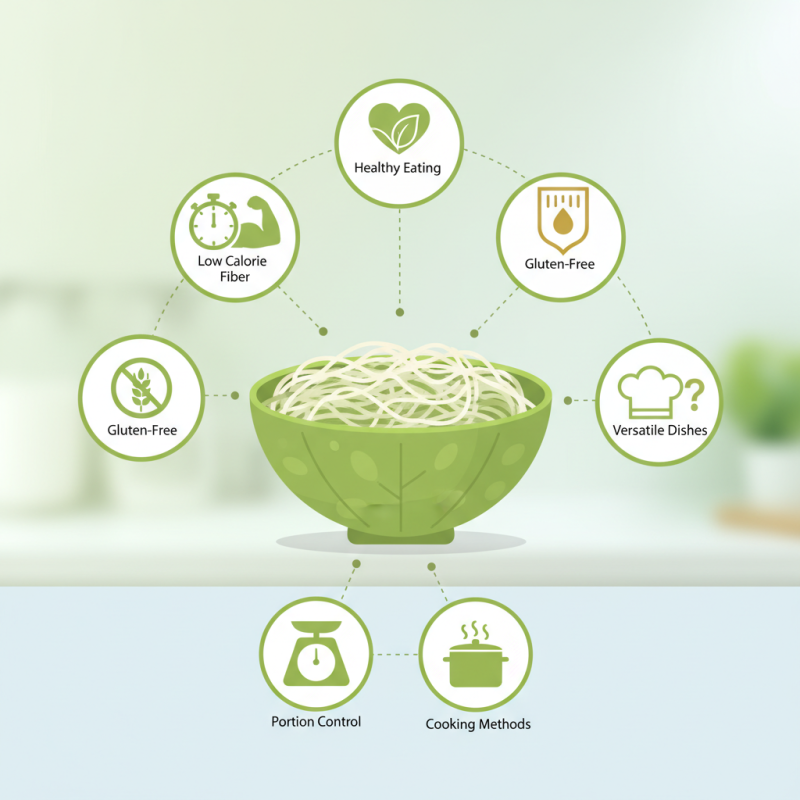
2026 Overview of Konjac Green Bean Noodles
Konjac green bean noodles have gained immense popularity in recent years.
These noodles are low in calories and high in fiber,
making them an appealing choice for health-conscious consumers. A report from Market Research Future highlights that the global konjac noodle market is
projected to grow at a CAGR of 7% from 2020 to 2026. This trend reflects an
increased demand for healthy eating options.
Research indicates that konjac noodles help with weight management. They are known to promote a feeling of fullness due to their high glucomannan content.
This soluble fiber can expand in the stomach, leading to reduced appetite. However, not everyone experiences the same results.
Some consumers report digestive discomfort, questioning whether these noodles suit their dietary needs.
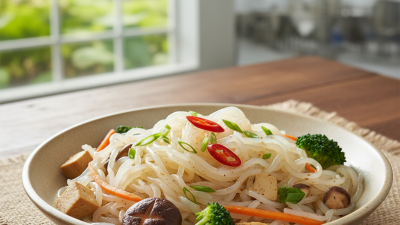
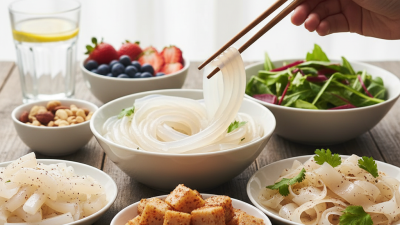
The versatility of these noodles allows for various culinary applications. Recipes ranging from stir-fries to salads can easily incorporate them.
The "Green Beans Snack Cup Konjac Noodles"
offer a unique way to enjoy this product. They provide a convenient option for on-the-go eating.
Nonetheless, while they promise health benefits, individuals must monitor their body's response to fiber intake.
Different experiences highlight that not all digestive systems respond well to high-fiber foods.
Nutritional Benefits of Konjac Green Bean Noodles
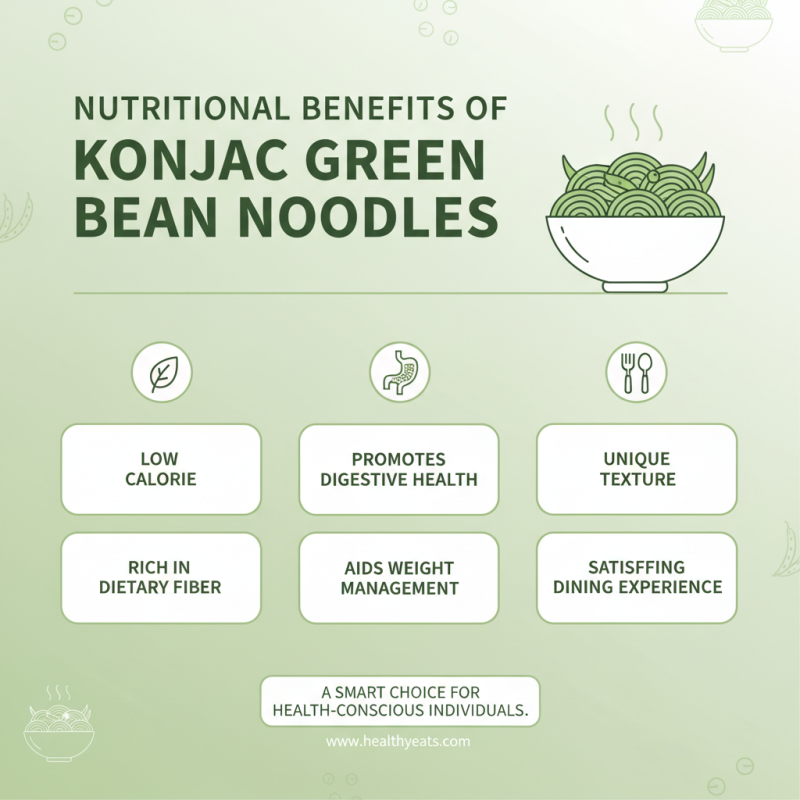
Konjac green bean noodles are gaining attention for their nutritional benefits. These noodles are low in calories and rich in dietary fiber, making them a smart choice for health-conscious individuals. They can help promote digestive health and can aid in weight management. Plus, the unique texture of these noodles offers a satisfying dining experience.
Many people struggle with traditional pasta, which can be heavy and lead to post-meal sluggishness. Konjac green bean noodles, such as the ones offered by Konjac Brothers Konjac Cold Noodles, present a light alternative. They offer a guilt-free option for various dishes, from stir-fries to salads. However, not everyone enjoys their distinct taste. Some users might find they need time to adjust.
Cooking with konjac noodles can be straightforward, but it does involve some learning. Preparing them properly is essential to achieving the desired flavor and texture. There are countless recipes online, but experimenting is key. Overall, konjac noodles are an excellent addition to a balanced diet, but they may not be for everyone. Adapting to new foods can take time, and finding the right recipes is a personal journey.
Comparison of Wholesale Suppliers for Konjac Noodles
When considering wholesale suppliers for Konjac noodles, there are some key factors to evaluate. The global demand for low-calorie, gluten-free alternatives has risen sharply. According to recent industry reports, Konjac products are forecasted to grow annually by over 5% through 2026. This trend indicates a robust market for wholesalers.
Suppliers vary in quality and distribution capabilities. Some prioritize organic sourcing, which can significantly impact both the price and health benefits of their noodles. You might encounter some inconsistent quality among suppliers, so evaluating certifications is crucial. Look for suppliers that provide transparent ingredient lists and undergo third-party testing. This can help ensure the reliability of their products.
Tips: When assessing potential suppliers, request samples before committing. Taste, texture, and packaging should meet your standards. It's also beneficial to check customer reviews and industry feedback. Establishing relationships with suppliers that prioritize food safety can mitigate risks associated with quality inconsistency. Each detail counts when serving health-conscious consumers.
Production Process of Konjac Green Bean Noodles
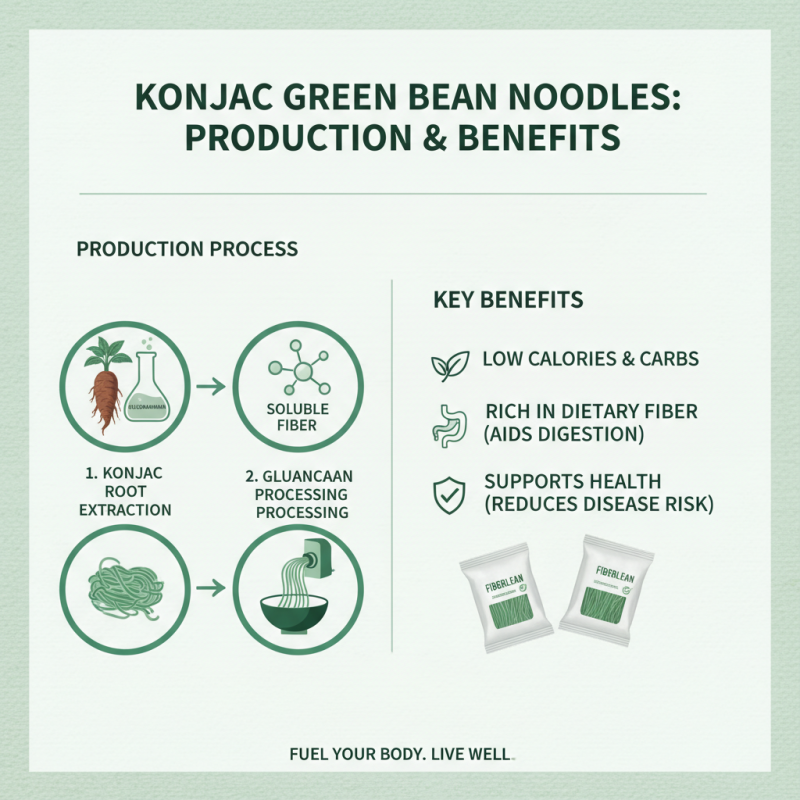
Konjac green bean noodles are gaining popularity for their health benefits. The production process begins with the extraction of glucomannan from konjac roots. Glucomannan is a soluble fiber known for its nutritional properties. Unlike traditional noodles, these noodles are low in calories and carbohydrates. They also provide a good source of fiber, which aids digestion. Studies show that incorporating fiber in diets can reduce the risk of various diseases.
The production process is intricate. First, konjac roots undergo cleaning and slicing. Then, they are dehydrated and ground into a fine powder. This powder is mixed with water to form a gel-like substance. After that, it is shaped into noodles and cooked. The cooking process eliminates any bitter taste, resulting in a neutral flavor. This allows the noodles to easily absorb the flavors of accompanying sauces. Quality control is crucial at every step to ensure the final product meets safety standards.
Despite the health benefits, some consumers may experience gastrointestinal discomfort when consuming konjac products. It’s essential to monitor portion sizes. Educational resources about these noodles can help users make informed choices. Reliable data suggests that the global market for konjac products has seen annual growth rates of over 20%. This trend indicates a growing interest in healthier food options. As production processes evolve, the focus should remain on enhancing the purity and quality of ingredients used.
Health Considerations for Eating Konjac Noodles
Konjac Noodles have gained attention as a low-calorie, high-fiber food option. These noodles are made from the konjac plant, which contains glucomannan. Glucomannan is a soluble fiber known for its ability to promote satiety and support digestive health. Research indicates that diets high in fiber can aid in weight management, with fiber intake linked to a 30% reduced risk of obesity-related diseases.
However, moderation is key. While konjac noodles provide benefits, they also pose risks for some individuals. The high fiber content can lead to digestive discomfort like bloating or gas, especially if consumed in large quantities. Moreover, consuming konjac noodles without adequate hydration can lead to choking hazards. It's essential to accompany these noodles with sufficient water and a balanced diet.
One report from the International Journal of Obesity highlights that incorporating konjac noodles into meals can help people feel fuller longer. This can decrease overall calorie intake, which may support weight loss. Still, everyone’s body reacts differently. Personal dietary choices should be informed and cautious. In conclusion, konjac noodles can be a healthy addition, but individuals need to consider their own digestive health and fiber tolerance.
Culinary Uses and Recipes for Konjac Green Bean Noodles
Konjac green bean noodles are becoming a popular choice for
healthy diets. These noodles are low in calories and rich in dietary fiber.
They have a unique texture that many find appealing. You can use them
in various dishes, from stir-fries to soups. The noodles absorb flavors well, making them perfect for marinating.
Tips for cooking: Rinse the noodles thoroughly before use. This helps remove the
natural aroma, enhancing their taste. To add depth, sauté them quickly with garlic and vegetables.
Consider using Konjac Oat Noodles
for added nutrition. They provide a different flavor profile and additional health benefits.
Experiment with sauces. A light soy sauce or sesame oil can elevate the dish. You might also try adding fresh herbs or spices.
These noodles can be a blank canvas for your culinary creativity. However, not
everyone enjoys their texture at first. It's worth giving them a fair chance in your meals. They can truly transform your
healthy eating experience.
Market Trends for Wholesale OEM Konjac Products in 2026
The demand for Konjac products is on the rise, driven by health-conscious consumers. According to a recent market report, the global Konjac market is expected to reach $1.2 billion by 2026. This growth is fueled by increasing awareness of the health benefits associated with Konjac, such as weight management and digestive health. Notably, the use of Konjac in noodle form is becoming more popular, particularly green bean noodles, which are low in calories and high in dietary fiber.
In 2026, market trends indicate a sharp increase in the availability of wholesale OEM Konjac noodles. A significant 65% of consumers are prioritizing healthier options, particularly plant-based foods. However, some challenges remain. Not all manufacturers adhere to quality standards, which can impact product reliability. This inconsistency raises questions about sourcing and production methods. Retail analysts caution that transparency in the supply chain is crucial for consumer trust.
Market experts highlight an essential aspect of consumer behavior: preference for sustainability. Over 70% of buyers prefer products with eco-friendly packaging. This trend necessitates a shift in production practices. Brands must not only focus on health benefits but also ensure their practices are environmentally conscious. Despite the obstacles, the future appears bright for Konjac products, provided manufacturers adapt to evolving consumer expectations.
Emerging Trends in Health Food: The Rise of KONJAC BROTHERS Konjac Noodles as a Low-Calorie, Gluten-Free Alternative
The health food industry is experiencing a significant shift as consumers increasingly seek low-calorie, gluten-free alternatives that fit their dietary needs. Among the emerging trends, konjac noodles, particularly those flavored with spicy or hot chicken variants, are gaining remarkable popularity. Known for their impressive nutritional profile, konjac noodles are low in calories and carbohydrates, making them a staple for those following low-carb or keto diets. With a high fiber content, these noodles also promote digestive health and provide a satisfying texture that makes them an appealing choice for health-conscious individuals.
Recent industry reports indicate that the global demand for gluten-free products has surged, with the gluten-free market projected to reach over $33 billion by 2025. As part of this trend, konjac noodles are positioned as an exceptional option, especially for those looking to reduce their calorie intake while enjoying flavorful meals. The versatility of konjac noodles allows them to be incorporated into a variety of dishes, from stir-fries to soups, catering to diverse culinary preferences without compromising on health benefits.
With their origins in Shaanxi, China, these noodles are not only a traditional staple but also an innovative leisure food that resonates with modern consumers. The convenience and customization options available further enhance their appeal, empowering brands to offer unique flavors that attract a broader audience. As the health food landscape evolves, konjac noodles represent a compelling intersection of taste, health, and dietary inclusivity.
FAQS
: They are made from glucomannan extracted from konjac roots.
They are low in calories and carbohydrates and high in fiber.
It aids digestion and may reduce the risk of certain diseases.
It includes cleaning, slicing, dehydrating, grinding, and cooking konjac roots.
Yes, gastrointestinal discomfort can occur, so monitoring portion sizes is important.
The global market is expected to grow to $1.2 billion, driven by health awareness.
Not all manufacturers meet quality standards, raising reliability questions.
Over 70% of buyers prefer eco-friendly packaging, influencing purchasing decisions.
They have a neutral flavor, allowing them to absorb sauces well.
They need to enhance ingredient quality and ensure sustainable practices.
Conclusion
The article titled "2026 Best Wholesale OEM Konjac Green Bean Noodles for Healthy Eating?" provides a comprehensive overview of Konjac Green Bean Noodles, highlighting their nutritional benefits and the increasing interest in healthy eating options. It discusses the production process and key health considerations, emphasizing the low-calorie, high-fiber nature of these noodles that make them a popular choice for health-conscious consumers.
Additionally, the article compares various wholesale suppliers, offering insights into market trends for Konjac products in 2026. It also explores culinary uses and provides recipes, demonstrating the versatility of Konjac Green Bean Noodles in various dishes. Overall, this article serves as a valuable resource for those interested in incorporating healthy, innovative food options into their diet.

 86+09153618258
 Contact Email