inquiry
Leave Your Message
0%

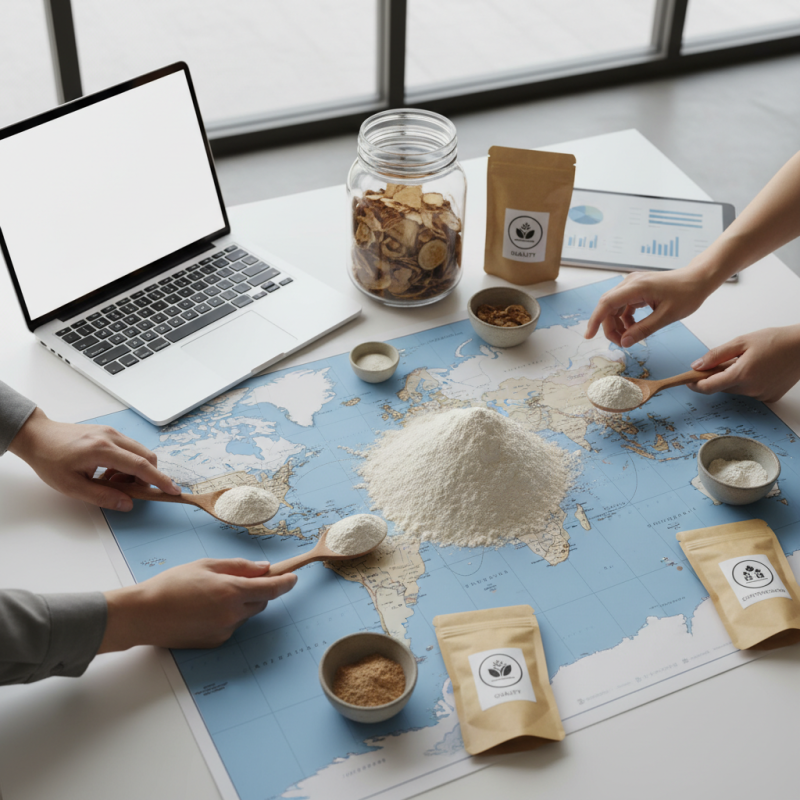
These days, sourcing ingredients like Konjac Flour in the global market isn’t always straightforward. It’s a bit of a balancing act because this special flour, made from the konjac plant, has really become popular—not just in cooking but also for health perks. If you're thinking about getting some, it’s super important to find trustworthy suppliers who care about quality and sustainability.

With more folks wanting Konjac Flour, there are tons of suppliers popping up everywhere. But here’s the thing—not everything on the market is the same. So, it's worth doing your homework. Check out their certifications, read customer reviews, and get a sense of how they source their ingredients. That way, you'll avoid surprises and end up with stuff that’s legit.

Of course, buying globally opens up some great opportunities, but it also comes with its share of challenges. Sometimes, the quality can really vary, so it’s smart to chat with industry insiders or experts—they can give you some solid advice. At the end of the day, making informed decisions about where you buy your Konjac Flour really matters, because it affects both the product’s quality and your health too.
How to Buy Konjac Flour for Global Sourcing Needs?

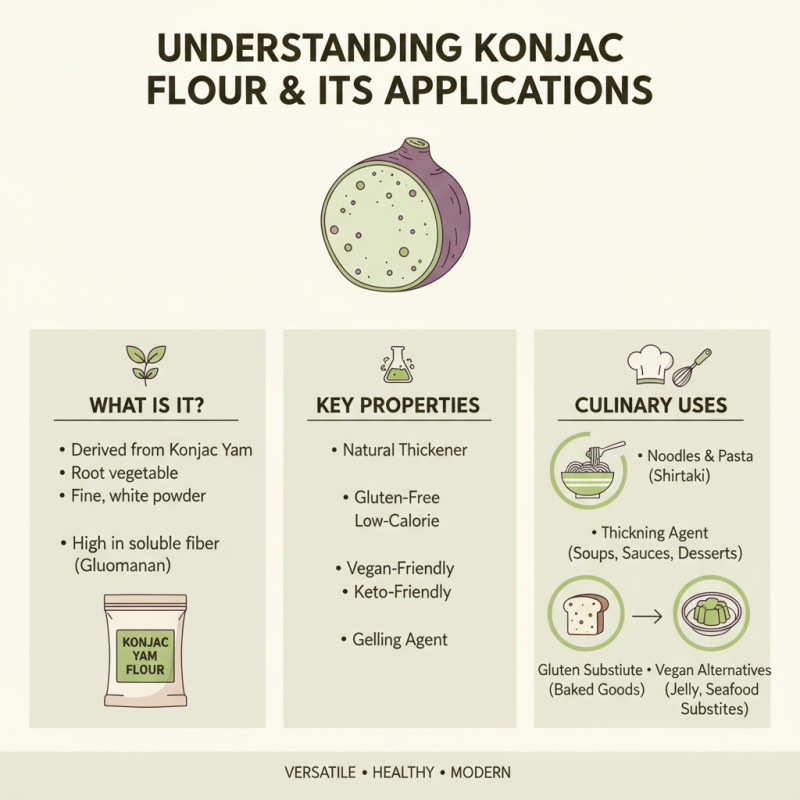
Understanding Konjac Flour and Its Applications

How to Buy Konjac Flour for Global Sourcing Needs?

Konjac flour, derived from the konjac yam, is gaining popularity in various culinary applications. Its unique properties make it a versatile ingredient in both traditional and modern cooking. Chefs and home cooks alike use Konjac Yam Flour as a thickening agent, a gluten substitute, and even in the creation of low-calorie noodles. This versatility allows it to fit into numerous dietary preferences, including vegan and keto diets.

Rich in glucomannan, konjac flour has health benefits that appeal to many. It can aid in digestion and promote a feeling of fullness. However, it’s essential to use this ingredient mindfully. Overconsumption may lead to digestive discomfort. Understanding how to incorporate konjac yam flour effectively can make its advantages more pronounced while minimizing potential downsides.

When sourcing konjac flour globally, it's crucial to seek reliable suppliers. Transparency in sourcing practices can ensure you are getting a quality product. Look for certifications that reflect safety and sustainability. This diligence aids in building trust with suppliers, which is vital in the global marketplace. Be aware that not all konjac flour is created equal, making research a necessary step for informed choices.

Identifying Reliable Suppliers for Konjac Flour

When sourcing konjac flour, identifying reliable suppliers is crucial. Look for suppliers with a solid history in the industry. Check their experience in sourcing and the quality of their products. Experienced suppliers often have established connections and can provide better insight into market trends.

Tips: Verify the supplier's certifications. This adds a layer of trust. Quality assurance should be paramount in your decision-making. Look into their manufacturing processes. Transparent suppliers tend to offer better communication and reliability.

Consider asking for samples before making a bulk purchase. This can reveal the flour's quality and consistency. Sometimes, suppliers may provide inconsistent batches, leading to quality issues. Avoid being swayed by the lowest price; quality often correlates with price.

In the search for the right supplier, choose those who maintain good customer relationships. This can lead to better service and support. Trust your instincts, but also do your homework. Your sourcing needs deserve careful evaluation for sustainable outcomes.

Evaluating Quality Standards of Konjac Flour

When sourcing konjac flour, evaluating quality standards is essential. Look for certifications that indicate adherence to food safety regulations. Quality can vary drastically among suppliers. Testing samples from various sources can help in assessing texture and purity.

Tips: Always check for a clear ingredient list. Pure konjac flour should contain no additives. If a product contains fillers or starches, consider it a red flag.

The texture of konjac flour is crucial for your needs. It should be fine and powdery without lumps. Poor quality flour may result in a subpar end product. Take the time to analyze the flour and its packaging. Good packaging protects the flour from moisture and contamination.

Tips: Use your senses. Smell the flour; it should have a neutral aroma. If it smells off or has an unusual color, avoid it.

Quality does not just come from certifications. It also stems from understanding how the flour is processed. Investigate the sourcing methods. Sustainable practices often indicate higher quality. Know your supplier to ensure reliable product consistency.

Comparing Prices and Packaging Options for Konjac Flour

When sourcing Konjac flour, assessing packaging options is crucial. Different suppliers offer a variety of package sizes. Smaller bags often suit personal use, while bulk packaging is more cost-effective for businesses. Consider how you'll store the flour. Proper storage prevents moisture absorption.

Price comparison is also vital. Different regions may have different pricing strategies. A supplier in one area might offer better rates than another. Always check for hidden costs. Shipping fees can significantly affect your budget when buying in bulk.

Packaging affects freshness, too. Vacuum-sealed options may provide longer shelf life. Reducing packaging waste is another factor to reflect upon. Many companies now opt for eco-friendly packaging, aligning with sustainability trends. Ultimately, choosing the right packaging and price requires careful consideration, ensuring that you obtain quality Konjac Flour Rice for your specific needs.

How to Buy Konjac Flour for Global Sourcing Needs? - Comparing Prices and Packaging Options for Konjac Flour

Supplier Location Price per kg (USD) Minimum Order Quantity (kg) Packaging Options Lead Time (Days)
China $3.50 100 25 kg bags, 50 kg bulk 30
Japan $4.20 200 1 kg pouches, 10 kg cartons 15
Vietnam $3.80 150 20 kg bags, 40 kg bulk 25
South Korea $4.00 100 500 g bags, 5 kg boxes 20

Navigating Import Regulations and Shipping for Konjac Flour

When sourcing konjac flour globally, understanding import regulations is crucial. Each country has distinct rules governing food products. For instance, the European Union mandates that all food imports comply with their health and safety standards. This often includes ensuring that products are free from contaminants and properly labeled. A recent report from the Food and Agriculture Organization highlights that around 30% of shipments face delays due to non-compliance with these regulations.

Shipping is another area of concern. The process can be complex, primarily due to varying customs requirements. Did you know that incorrect documentation can lead to significant fines? A study published by the International Trade Centre suggests that these issues can increase lead times by up to 50%. Suppliers should prepare all necessary documents in advance. Additionally, utilizing experienced logistics providers can help navigate these obstacles efficiently.

Importers should also consider the environmental impact of shipping practices. The carbon footprint of international shipping can be substantial. Research indicates that emissions from freight transport contribute significantly to global climate change. Evaluating sustainable shipping options can enhance a company’s reputation and align with eco-friendly standards. Such reflections can make a real difference in sourcing konjac flour responsibly.

Assessing Market Demand for Konjac Flour Globally

The demand for konjac flour has grown rapidly due to its unique properties. This natural ingredient is often used to create low-calorie and gluten-free products, such as Konjac Flour Pasta. Consumers are increasingly looking for healthier alternatives in their diets. Hence, assessing market demand is crucial for global sourcing needs.

Research shows that konjac flour is popular in Asia, but its acceptance is spreading to Western markets. Many health-conscious consumers are discovering its benefits. However, the market can be unpredictable. Trends can shift quickly, and preferences may vary by region. Buyers need to stay updated on consumer behaviors to adapt. Engaging with local distributors may provide insights into regional preferences.

It's important to consider sourcing challenges. Availability can fluctuate based on harvest seasons and supply chain issues. Therefore, having multiple suppliers can mitigate risks. Buyers should also evaluate product quality continuously. Not all konjac flour is the same. Ensuring that the sourced product meets quality standards is essential for maintaining customer trust. This ongoing evaluation will build reliability in your sourcing strategy.

Establishing Long-term Relationships with Konjac Flour Suppliers

Establishing long-term relationships with Konjac flour suppliers is crucial for successful global sourcing. According to market research, the demand for Konjac flour has increased by over 12% annually. This growth highlights the importance of finding reliable partners who can ensure consistent quality and supply. Building trust requires clear communication about your needs. Regular check-ins can help maintain these relationships.

Understanding the nutritional benefits of Konjac flour can strengthen your partnerships. For instance, it has minimal calories—approximately 10 calories per 100 grams. Emphasizing health trends encourages suppliers to prioritize quality. This focus can lead to a mutual commitment to meet changing consumer preferences. Yet, it’s vital to assess the suppliers’ capabilities continuously. Inconsistent quality can damage relationships over time.

Sustainability is another critical aspect of these partnerships. Many suppliers are striving to adopt more sustainable practices. However, not all claim adherence to eco-friendly standards. Researching certifications helps ensure that you are working with reputable suppliers. A transparent and honest approach fosters accountability and reinforces long-term commitments.

Monthly Global Konjac Flour Import Volumes

This chart illustrates the monthly import volumes of Konjac flour across the globe. It shows a steady increase in demand, highlighting the importance of establishing long-term relationships with suppliers to meet growing global sourcing needs.

FAQS

: What should I look for when sourcing konjac flour?

: Check for certifications that show adherence to food safety regulations. Quality can differ significantly among suppliers.

How can I assess the quality of konjac flour?

Test samples for texture and purity. It should be fine, powdery, and free from lumps to ensure quality.

What does a good packaging look like for konjac flour?

Good packaging protects from moisture and contamination. Vacuum-sealed options may provide longer shelf life.

What should I avoid in konjac flour products?

Avoid products with fillers or starches. A clear ingredient list is vital for ensuring purity.

Why is understanding import regulations important?

Each country has unique rules for food safety. Non-compliance may lead to shipment delays or fines.

How can shipping affect my konjac flour sourcing?

Poor documentation can increase lead times by up to 50%. Accurate paperwork is crucial to avoid issues.

What factors influence the price of konjac flour?

Prices vary by region and may include hidden shipping costs. Always compare prices from different suppliers.

Are eco-friendly packaging options available?

Many suppliers now offer sustainable packaging. This aligns with current trends and reduces packaging waste.

Is it important to know my supplier?

Yes, understanding your supplier ensures product consistency and quality. Sustainable practices often indicate better quality.

How can I assess the aroma of konjac flour?

Use your senses. A neutral aroma indicates good quality. Unusual smells or colors should raise concerns.

Conclusion

In the realm of global sourcing, understanding Konjac Flour and its diverse applications is crucial for businesses seeking to cater to the growing demand for health-oriented products. This article outlines key steps for successfully purchasing Konjac Flour, starting with identifying reliable suppliers who adhere to quality standards. It emphasizes the importance of evaluating product quality, comparing pricing and packaging options, and navigating the complexities of import regulations and shipping procedures.

Additionally, the article highlights the necessity of assessing market demand for Konjac Flour globally, enabling businesses to make informed decisions. Establishing long-term relationships with suppliers can further enhance the sourcing process, ensuring consistent quality and supply. By following these guidelines, organizations can effectively meet their Konjac Flour needs while fostering sustainable partnerships in a competitive market.

Oliver

Oliver

Oliver is a dedicated marketing professional with over ten years of experience in the konjac industry. His expertise lies in the development and promotion of a diverse range of konjac products, including leisure snacks, instant foods, culinary ingredients, and raw materials. With a deep......
Previous Top 5 Konjac Crackers Trends at the 2026 Canton Fair?