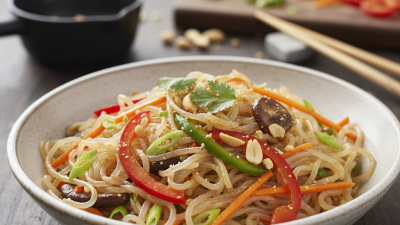
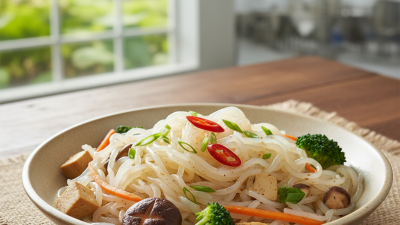
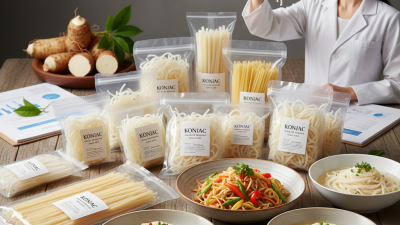
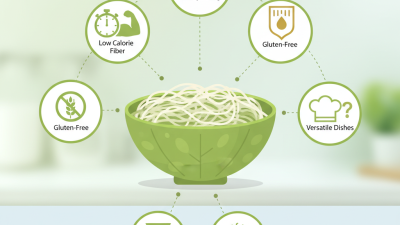
Lately, it feels like everyone's been moving towards healthier eating habits, right? More and more people are on the hunt for tasty alternatives that can help manage weight and boost overall wellness. One option that’s been catching on is Low-Calorie Konjac Noodles. Made from the konjac plant, these noodles are becoming more popular, thanks to their unique texture and the health perks they bring.
What’s great about these noodles is that they’re a satisfying way to cut down on calories. They’re mainly made from glucomannan, which is a type of soluble fiber that absorbs water and helps you feel full longer. So, tossing them into your meals can really help cut down on overeating and keep your diet in check.
Plus, they’re pretty versatile when it comes to cooking. You can toss them into stir-fries, soups, or whatever you’re craving—there’s no shortage of ways to enjoy them. Companies like Best OEM are working to supply top-quality Low-Calorie Konjac Noodles to meet all the hype. They might not totally replace your traditional pasta, but they make a pretty awesome, healthy addition if you’re trying to eat smarter.
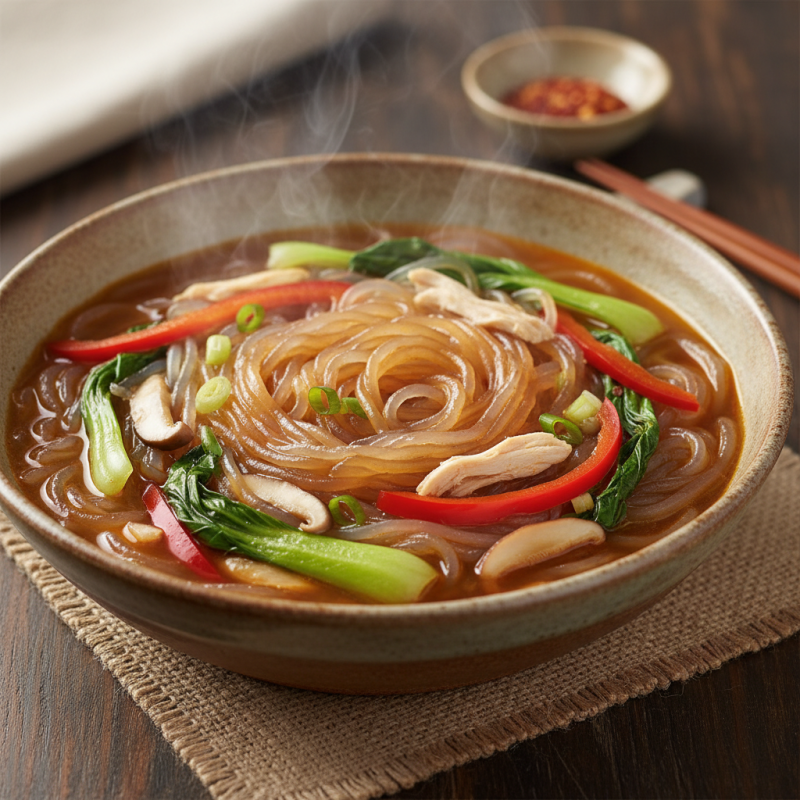
Benefits of Konjac Noodles: A Low-Calorie Dietary Choice
Konjac noodles have gained popularity for their low-calorie benefits. These noodles, derived from the konjac plant, are known to be 97% water and contain minimal calories—about 10 calories per serving. This makes them an ideal diet choice for calorie-conscious individuals. The Dietary Guidelines for Americans recommend lower calorie intake to promote a healthy lifestyle, and konjac noodles fit right in.
Nutritionists often point to the high fiber content in Low Calorie Noodles Konjac. They are rich in glucomannan, a soluble fiber linked to improved digestive health. Studies suggest that high-fiber diets can enhance satiety, helping manage appetite. One report from the American Society for Nutrition indicates that increasing fiber intake can lead to reduced body weight and improved metabolic health. However, incorporating konjac noodles into meals requires careful planning. They can be bland and may need flavorful sauces or spices to enliven dishes.
While konjac noodles offer many advantages, they also come with a few caveats. Some individuals may experience digestive discomfort, especially if they consume them in large quantities. It’s important to increase fiber gradually in the diet. Despite their ease of use, they should not be the sole component of a balanced meal. Understanding these nuances can help individuals make informed choices about including low calorie noodles konjac in their diet, allowing for a more holistic approach to weight management.
Benefits and Uses of Low-Calorie Konjac Noodles
| Benefit |
Description |
Usage |
| Low-Calorie |
Konjac noodles contain very few calories, making them an excellent choice for weight management. |
In salads, soups, and as a substitute for traditional pasta. |
| High in Fiber |
They are rich in glucomannan, a soluble fiber that aids digestion. |
Great addition to digestive health smoothies and meals. |
| Gluten-Free |
A perfect alternative for those with gluten sensitivity or celiac disease. |
Used in gluten-free recipes and Asian cuisines. |
| Blood Sugar Regulation |
May help manage blood sugar levels due to its fiber content. |
In diabetic-friendly meals and meal prepping. |
| Versatile Ingredient |
Easily absorbs flavors and can be used in a variety of dishes. |
In stir-fries, casseroles, and baked dishes. |
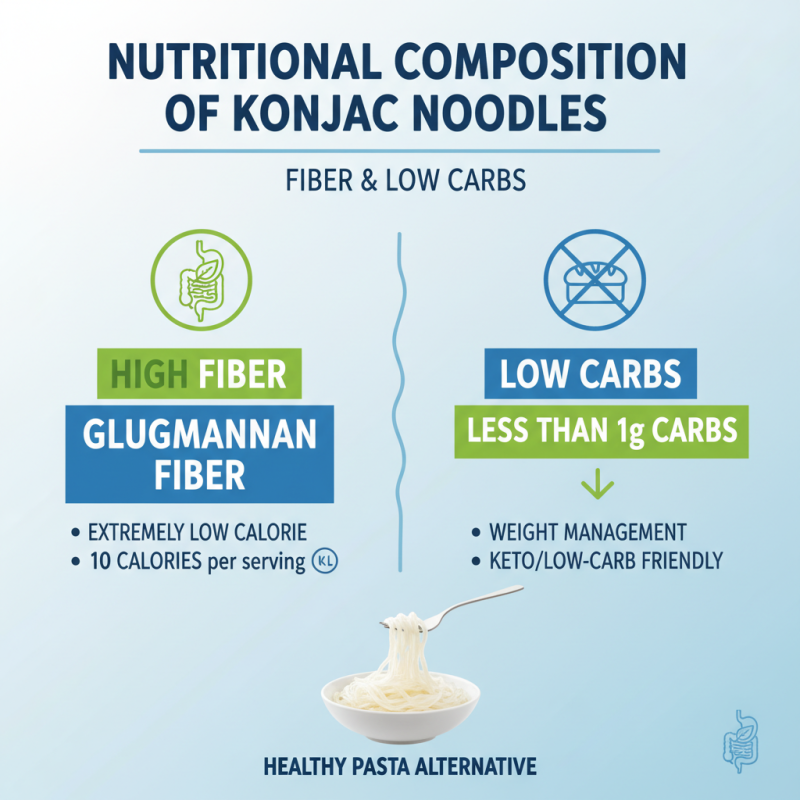
Nutritional Composition of Konjac Noodles: Fiber and Low Carbs
Konjac noodles have gained popularity for their unique nutritional benefits. These noodles, predominantly composed of glucomannan fiber, are extremely low in calories. A typical serving contains just 10 calories, making them an excellent choice for weight management. In contrast to traditional pasta, Konjac noodles have a significantly reduced carbohydrate content, often less than 1 gram per serving. This can be beneficial for those following a low-carb diet.
The high fiber content of konjac noodles contributes to a feeling of fullness. Glucomannan expands in the stomach, which may help suppress appetite. Research indicates fiber may aid digestive health, promoting regularity and gut bacteria balance. This can lead to overall improved health outcomes. Some studies suggest that increasing dietary fiber can lower cholesterol levels and enhance metabolic health.
Despite these benefits, it's essential to approach konjac noodles with care. Some individuals may experience gastrointestinal discomfort if they are not used to high-fiber foods. It's advisable to introduce them gradually into the diet. Additionally, while they are low-calorie and low-carb, they lack essential nutrients. Incorporating them with other nutrient-dense foods can provide a more balanced meal. Konjac Angel Hair Low Calorie Fat products can serve as a creative base for many flavorful dishes.
Health Benefits of Glucomannan: Konjac's Key Ingredient
Konjac noodles are becoming popular due to their low-calorie nature. The main ingredient, glucomannan, has numerous health benefits. This dietary fiber absorbs water, expanding in your stomach and promoting a feeling of fullness. As a result, it can assist with weight management. Incorporating konjac noodles into meals may help control calorie intake while providing a unique texture.
Glucomannan also plays a role in digestive health. It may support regular bowel movements by easing constipation. Some studies suggest that this fiber can help maintain healthy cholesterol levels. Learning to include it in your diet can be a game-changer for many health-conscious individuals.
Tips: Start by adding konjac noodles to salads or stir-fries. Experiment with different sauces for flavor enhancement. Remember, overeating even low-calorie foods can hinder weight loss efforts. Always listen to your body’s hunger cues.
Konjac Noodles vs. Traditional Pasta: A Caloric Comparison
When comparing konjac noodles to traditional pasta, the caloric difference is striking. Traditional pasta typically contains around 200 calories per cooked cup, while konjac noodles offer a mere 10 calories. This makes konjac spaghetti low-calorie pasta organic an appealing option for those managing their weight. With a high water content, these noodles have a unique texture and a neutral taste that pairs well with various sauces.
The health benefits of konjac noodles extend beyond calorie count. They are rich in glucomannan, a soluble fiber that promotes digestive health. This fiber can help you feel full, potentially leading to reduced calorie intake. However, the texture of konjac noodles can sometimes be off-putting. Some find them too slippery or gelatinous. Experimenting with cooking times and sauces can help enhance the experience.
In terms of nutrition, traditional pasta can provide vital nutrients like iron and B vitamins. While konjac noodles excel in calorie control, they lack essential nutrients. Consider incorporating vegetables or protein sources to create a balanced meal. Understanding both options helps in making informed dietary choices.
Culinary Uses of Konjac Noodles in Different Cuisines
Konjac noodles have gained popularity in various culinary traditions. Their unique texture makes them a versatile ingredient in many dishes. In Asian cuisine, they are often used in soups and stir-fries. The noodles absorb flavors well, enhancing the overall taste of the meal. In countries like Japan and Korea, konjac noodles are a staple in traditional recipes.
In Western cuisines, chefs are starting to embrace konjac noodles as a low-calorie alternative. They can replace traditional pasta in salads or baked dishes. The noodles blend seamlessly with different sauces, making them ideal for healthier meal preparations. Some people find that konjac noodles require careful cooking. Overcooking can lead to a mushy texture, which might be unappealing.
Cooking skills vary widely. Some may struggle with seasoning konjac noodles properly. The subtle flavor can be challenging to enhance. Trying different herbs and spices can improve the overall dish. It's important to experiment and find the right balance. These details can make or break a meal. Each culinary tradition showcases the adaptability of konjac noodles, offering endless possibilities in the kitchen.
Market Trends: Demand for Low-Calorie Alternatives in Food Industry
The demand for low-calorie options in the food industry has increased significantly. Health-conscious consumers are seeking healthier alternatives to traditional pasta and noodles. This trend is driven by a growing awareness of diet-related health issues. Many people want to maintain a healthy weight without sacrificing their favorite meals.
Konjac noodles have gained popularity as a low-calorie substitute. They are made from the konjac plant, which is high in fiber and low in calories. This unique composition helps people feel full without consuming excessive calories. However, some may find the texture unusual or less satisfying than traditional noodles. Experimenting with different sauces and seasonings can enhance the overall experience.
As restaurants and manufacturers innovate, more low-calorie options will emerge. Consumers are demanding transparency about ingredients and nutritional benefits. This trend encourages companies to focus on quality and healthier formulations. However, not all low-calorie products are created equal, and consumers should research before fully embracing them.
Sourcing and Wholesale Options for Konjac Noodles in China
When sourcing konjac noodles in China, buyers should consider several factors.
Low Calorie Shirataki Noodles are made from the konjac plant, offering a healthy alternative to traditional pasta.
These noodles have gained popularity for their unique texture and health benefits. Importers should look for manufacturers that maintain strict quality control standards.
Exploring wholesale options requires due diligence. Buyers need to verify the certifications of suppliers to ensure product safety and quality.
Communicating directly with manufacturers can provide insights into their production processes. This step helps in identifying reputable partners.
Attending trade shows can also offer networking opportunities with various producers.
Pricing is another critical aspect. While low calorie shirataki noodles are generally affordable, prices can vary widely among suppliers.
Conducting a market analysis before making bulk purchases can lead to better decisions.
Always consider the potential challenges of sourcing, such as shipping logistics and customs regulations.
Understanding these factors is key for successful imports.
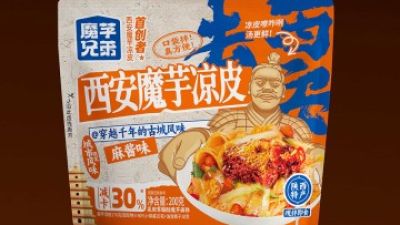
Exploring the Delicacies of Xi'an Konjac Cold Noodles: A Dive into the Sesame Paste Flavor Experience
Discover the delightful flavors of Xi'an through the lens of a culinary classic—Konjac Cold Noodles, particularly highlighting the rich taste of sesame paste. This beloved dish combines chewy, health-conscious konjac noodles with the robust aromas of Xi’an’s culinary traditions. The unique texture of these noodles provides a perfect canvas for the intricate flavors they are dressed with, particularly the bold sesame paste, which infuses each bite with a creamy smoothness. The addition of aromatic chili oil creates a dynamic contrast, delivering just the right degree of spice that complements rather than overwhelms.
The essence of this dish lies in its balance of textures and flavors, brilliantly encapsulating the spirit of Shaanxi cuisine. Eating these noodles is not just about nourishment; it’s an experience that evokes the vibrant street food culture of Xi’an. Packaged conveniently for those on the go, these noodles allow food enthusiasts to indulge in an authentic taste of Xi'an anytime, anywhere. Whether you are a seasoned connoisseur or new to this cuisine, this delightful blend of spicy and creamy notes serves as a beautiful invitation to explore the rich tapestry of flavors that Xi'an has to offer.
FAQS
: Konjac noodles are low-calorie noodles made from the konjac plant. They contain about 10 calories per serving.
They are low in calories and high in fiber, promoting fullness and helping to manage appetite effectively.
No, they have less than 1 gram of carbohydrates per serving, ideal for low-carb diets.
Yes, some individuals may experience discomfort, especially if consumed in large amounts or suddenly introduced.
Yes, they can be bland and often need flavorful sauces or spices to improve their taste.
No, they should not be the only part of a meal and should be balanced with nutrient-dense foods.
Glucomannan is a soluble fiber in konjac noodles that can aid digestion and increase feelings of fullness.
It’s wise to start with small amounts and gradually increase to avoid gastrointestinal discomfort.
More consumers are health-conscious and seek alternatives to traditional high-calorie foods to maintain a healthy weight.
Not all low-calorie options are equal; it's essential to research ingredients and nutritional benefits before choosing them.
Conclusion
Low-Calorie Konjac Noodles have gained popularity as a nutritious and versatile dietary option. Rich in dietary fiber and low in carbohydrates, these noodles offer significant health benefits, primarily due to glucomannan, the key ingredient derived from the konjac plant. Unlike traditional pasta, Low-Calorie Konjac Noodles provide a much lower caloric content, making them an excellent choice for those looking to manage their weight while enjoying a variety of dishes.
Culinary uses for Low-Calorie Konjac Noodles are diverse, with the ability to adapt to different cuisines, offering a healthy alternative in various recipes. As market trends shift towards healthier eating habits, the demand for low-calorie alternatives like konjac noodles continues to rise. For those interested in sourcing wholesale options, the Chinese market presents numerous opportunities to access these nutritious noodles.

 86+09153618258
 Contact Email