inquiry
Leave Your Message
0%

Picking the best China-based manufacturer for Konjac Healthy Noodles isn't just about comparing prices. You also need proof that their quality is steady, their processing is safe, and they've got solid export experience. And a supplier you can rely on? They should be clear about where their konjac comes from, the glucomannan content, how production is controlled, and how the packaging is handled. Honestly? A factory visit, getting your hands on some actual product samples, or reading independent lab reports—those can uncover details that brochures usually skip over.

Texture matters—a lot, actually. After rinsing and cooking, a good konjac healthy noodle should feel firm, clean, and pleasant. It also shouldn’t have a strong alkaline smell. On top of that, the manufacturer should be transparent about ingredient lists, allergen information, batch records, and any food-safety certifications needed for the target markets. Dr. Joanne Slavin, a well-respected dietary-fiber researcher, has said that fiber is an important part of a healthy diet. I mean, she does make a good point—it adds some useful context. But yeah, konjac noodles aren't exactly a full meal, and they're definitely not some miracle food. Portion size and balanced nutrition still matter.

China's got plenty of capable manufacturers, but each one's strengths are a bit different. Some are great at private-label support. Others are all about high-volume runs or retail-ready packaging. Truth is, no factory is perfect. Even a supplier that looks really promising might have uneven texture from batch to batch, or they might be slow to reply during peak season. So this guide looks at manufacturing experience, quality assurance, customization, logistics, and what real customers actually say. Because the best partner isn't just the cheapest one. Honestly? It’s the company that can actually stay consistent, be honest with you, and get better when problems come up.
China Best Konjac Healthy Noodles Manufacturer?

What Are Konjac Healthy Noodles?

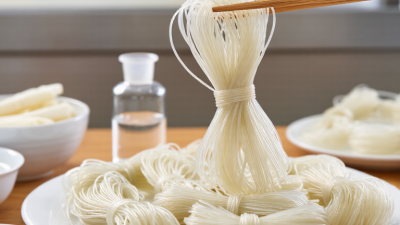
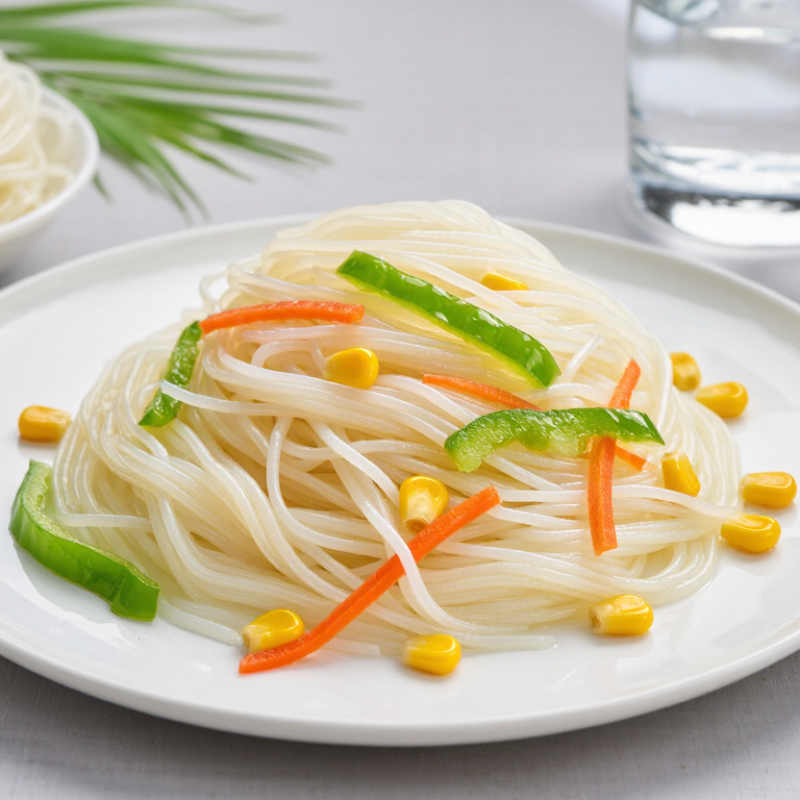
Konjac healthy noodles are made from glucomannan, a soluble fiber extracted from the konjac root. Manufacturers mix this fiber with water and a food-grade alkaline solution, creating translucent noodles with a springy, slightly chewy texture. They contain very little digestible carbohydrate and usually provide fewer calories than wheat-based noodles. However, nutrition values vary by recipe and serving size.

A 2024 Grand View Research report estimated continued growth in the global konjac market, supported by demand for low-calorie and high-fiber foods. Research published in the European Journal of Clinical Nutrition also links glucomannan with increased satiety when consumed with enough water. That does not make every bowl automatically healthy. Some products contain added sodium, and their fiber content can differ greatly. Check the label.

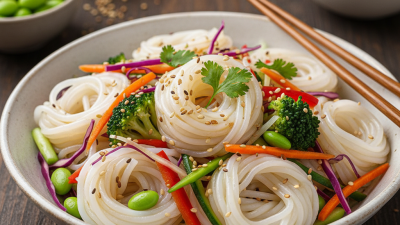
For shoppers searching “Konjac Noodles Healthy,” preparation matters. Rinse the noodles thoroughly, boil them briefly, then dry-fry them for two or three minutes. This removes their mild earthy smell and improves their bite. Add vegetables, eggs, tofu, or lean protein for a more balanced meal. The texture may feel unusual at first. I still find it less satisfying than fresh wheat noodles in some dishes. That honest limitation matters. Eating large amounts without enough fluid may also cause digestive discomfort, so gradual portions are sensible.

Why China Is a Major Konjac Noodle Manufacturing Center

China has become a major konjac noodle manufacturing center because it connects raw materials, processing expertise, and large-scale food production. Much of the country’s konjac supply comes from southwest regions. Their climate supports reliable cultivation. Local processors understand how to clean, dry, mill, and purify konjac flour. This knowledge matters. Glucomannan behaves differently from ordinary wheat starch. Manufacturers must control hydration, texture, and cooking stability during production.

A capable facility usually links several steps under controlled conditions. These include ingredient inspection, mixing, extrusion, thermal treatment, drying, and sealed packing. Modern lines can produce shirataki-style noodles, rice shapes, and other convenient formats. Quality starts upstream. Food safety systems should include batch traceability, sanitation records, metal detection, and laboratory testing. Buyers should request specifications, certificates of analysis, shelf-life data, and allergen statements before placing large orders. Small details matter. Consistent noodle diameter can improve cooking results across batches.

China’s advantage also comes from flexible supply chains and experienced export logistics. Manufacturers can adjust packaging, portion size, seasoning, and texture for different markets. However, low price does not always mean strong value. Not every factory excels. Some suppliers may describe products broadly without showing enough testing evidence. A careful buyer should inspect the facility, verify documents, and test samples under real kitchen conditions. That extra step can reveal problems with odor, firmness, or leakage before a shipment becomes expensive.

China Best Konjac Healthy Noodles Manufacturer? - Why China Is a Major Konjac Noodle Manufacturing Center
Data Dimension Factual Data Manufacturing Relevance Reference Basis
Primary raw material Konjac corms from the Amorphophallus konjac plant The corms are processed into konjac flour and purified konjac glucomannan before noodle production. Botanical and food-science references
Major cultivation base Southwestern and central areas of China, including Sichuan, Yunnan, Guizhou, Hubei and Chongqing Regional cultivation supports a domestic supply chain for corms, flour, glucomannan and finished noodles. Chinese agricultural and crop-distribution references
Key functional ingredient Konjac glucomannan, a water-soluble dietary fiber and hydrocolloid It absorbs water and forms a firm, elastic gel, which gives konjac noodles their characteristic texture. Food chemistry literature
Main processing stages Cleaning, slicing, drying, milling, purification, hydration, alkaline setting, cooking or sterilization, filling and sealing An integrated production chain helps manufacturers manage texture, hygiene, filling accuracy and package integrity. Conventional konjac-food processing practice
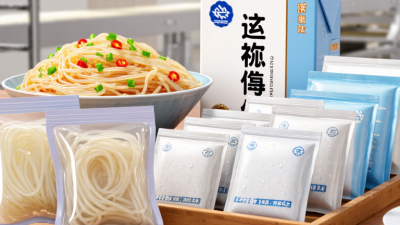
Typical retail format Wet, ready-to-eat noodles packed in liquid-filled pouches or trays Wet packaging reduces the need for consumers to rehydrate the noodles before cooking. Common food-service and retail formats
Moisture profile Many ready-to-eat wet konjac noodle products contain more than 90% water; the exact level varies by formulation. High moisture contributes to low energy density but makes thermal processing and package hygiene important. Product specifications vary by formulation
Energy characteristics Wet konjac noodles are commonly marketed as low-energy foods; many products fall approximately within 5–20 kcal per 100 g. Actual energy depends on the amount of konjac flour, starch, seasonings and other ingredients. Indicative range; confirm with the final nutrition label
Gluten status Pure konjac is naturally gluten-free. A gluten-free claim depends on the complete recipe, additives, processing environment and applicable certification requirements. Ingredient composition and facility controls
Texture control Texture is affected by glucomannan concentration, hydration level, alkaline treatment, heating time and cooling conditions. Process control allows manufacturers to produce thin noodles, thick noodles, rice-shaped pieces and other formats. Konjac gel-formation principles
Quality-control priorities Raw-material identity, glucomannan content, viscosity, pH, microbiological safety, foreign matter, seal integrity and net weight These checks help maintain consistent texture, food safety and compliance with destination-market requirements. Food-safety management and product-specification practice
Packaging and storage Shelf-stable products generally use sealed, liquid-filled packaging and require storage according to the validated product specification. Shelf life depends on thermal processing, acidity or alkalinity, packaging performance and storage temperature. Final product validation and label requirements
Why China is a major manufacturing center China combines suitable cultivation regions, established konjac-flour processing, food-machinery capacity, packaging infrastructure and export-oriented food manufacturing. The combination supports large-scale customization of noodle shape, packaging, texture and market-specific labeling. Agricultural, processing and supply-chain characteristics
Note: Nutritional values, moisture levels, shelf life and quality specifications vary by recipe, processing method, packaging format and destination-market regulations. Final values should always be confirmed through the finished product specification and laboratory testing.

How Konjac Healthy Noodles Are Made in China

How Konjac Healthy Noodles Are Made in China

In China, konjac noodles begin with carefully cleaned konjac corms. Workers wash away soil, trim damaged sections, and slice the corms before drying them. The dried material is milled into konjac flour, which contains glucomannan, a soluble dietary fiber. Each batch is checked for moisture, color, and particle size. Small differences matter.

In the production room, technicians blend konjac flour with purified water and approved food ingredients. The mixture becomes a thick, smooth gel. It is then pushed through narrow molds to create strands, ribbons, or rice-shaped pieces. Heat helps the noodles set. Afterward, workers rinse them several times to reduce the natural konjac odor. The noodles may then receive heat treatment and enter sealed food-grade packaging.

Quality control continues after processing. Samples are tested for texture, acidity, cleanliness, and package sealing. Production records can connect finished packs with specific raw-material batches. This supports traceability and responsible manufacturing. The phrase Healthy Noodle Konjac sounds simple, but the product depends on careful formulation and handling. A softer texture is not always a defect. It can reflect water balance, processing time, or storage conditions. Even experienced factories sometimes adjust formulas after reviewing customer feedback. Clear labeling remains important, because konjac noodles are not automatically suitable for every diet.

Key Quality Standards for Chinese Konjac Noodle Manufacturers

China Best Konjac Healthy Noodles Manufacturer?

Key Quality Standards for Chinese Konjac Noodle Manufacturers

Quality starts with the raw konjac powder. A reliable manufacturer should identify glucomannan content, moisture, origin, and batch number. Batch records should show supplier details, microbiological results, and inspection dates. This evidence matters more than polished packaging. Factories should control water quality, mixing temperature, drying time, and line hygiene. Operators need documented cleaning procedures and practical training. Small gaps can affect texture.

Ask for third-party tests before approving a supplier. Common checks include microbial limits, heavy metals, pesticide residues, and nutrition accuracy. Testing should match destination-market requirements, not a generic report. Look for HACCP-based controls and recognized food-safety systems, with current certificates verified directly. An on-site or remote audit can reveal storage humidity, pest control, and staff practices. Photos help, but they are not proof.

Texture testing deserves equal attention. After boiling, noodles should remain elastic without a strong odor or excessive cloudiness. Ask for cooking instructions and compare samples from different batches. Experienced buyers also review packaging seals, shelf-life studies, and transport conditions. One weakness is often overlooked: communication. If a supplier cannot explain a failed test or delayed batch clearly, risk increases. No factory is perfect. The better partner documents mistakes, corrects causes, and welcomes independent verification.

Health Benefits and Nutritional Features of Konjac Noodles

Konjac noodles are made from glucomannan, a soluble fiber extracted from the konjac root. Their texture is springy, almost like thin glass strands, while their energy content remains very low.

USDA FoodData Central entries for konjac-based noodles commonly show about 10–20 calories per 100 grams, depending on formulation and packing liquid. This makes them appealing to people seeking a Healthy Low Calorie meal without removing vegetables or protein.

The European Food Safety Authority reports that three grams of glucomannan daily, taken with sufficient water during an energy-restricted diet, can support weight loss. Portion timing matters.

Drink water.

Glucomannan absorbs water and may increase fullness, but it is not a miracle ingredient. A bowl of noodles cannot balance a meal built around salty sauce and fried toppings.

In practical kitchen use, rinsing and heating can reduce the packaged odor and improve the bite. Nutrition labels still deserve close attention, because sodium levels vary between products.

People with swallowing difficulties should use extra caution and follow medical advice. Research also suggests that fiber benefits depend on regular intake, adequate fluids, and an overall balanced diet, not one fashionable food.

How to Choose the Best Konjac Noodle Manufacturer in China

China Best Konjac Healthy Noodles Manufacturer?

Choosing a reliable Chinese manufacturer requires more than comparing prices. Grand View Research reported that the global konjac market was valued at about USD 1.2 billion in 2023, with continued growth expected through 2030. This expansion attracts experienced factories and inexperienced traders. Check whether the supplier owns its production line. Request HACCP or ISO 22000 certificates, recent audit records, and batch-level certificates of analysis. Ask for glucomannan content, moisture, pH, microbiological results, and allergen controls. A polished brochure proves little.

Product trials should use your target recipe and packaging.

For a search phrase such as Konjac Brothers Konjac Cold Noodles, verify the actual manufacturer behind the listing. Inspect the noodle texture after rinsing, heating, and storage. It should remain clean, elastic, and free from a strong odor.

China’s food processing industry also faces stricter traceability expectations, so request raw-material lot records and recall procedures. The FAO and WHO food hygiene principles support this approach. Do not accept copied certificates. Call the issuing body when possible.

A low quote can still become expensive after reformulation, delayed shipping, or failed testing.

In practical sourcing, small details matter: sealed cartons, readable dates, and controlled warehouse temperature.

No factory is perfect. I would still question suppliers that avoid independent testing.

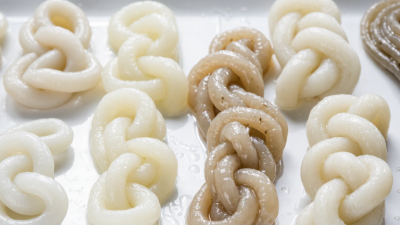
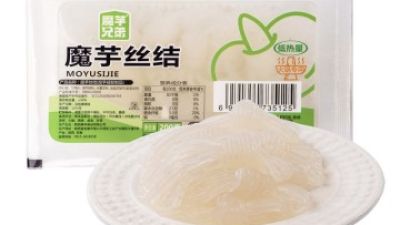
KONJAC BROTHERS Konjac Knots 200g Boxed: A Simple Guide to Easy, Versatile Meal Ideas

Konjac knots are a simple, versatile staple for quick everyday meals. Each premium sealed box contains 200g of konjac knots, also known as shirataki knots, with a light texture that easily absorbs the flavors of sauces, broths, and seasonings. To prepare them, rinse well, drain, and briefly heat before adding them to your favorite dish. They can be tossed with garlic, vegetables, and a savory sauce for a fast stir-fry, or simmered in soup with mushrooms, leafy greens, and tofu.

These konjac knots are low in calories and carbohydrates, high in fiber, gluten-free, and suitable for keto-friendly meal plans. They can replace traditional noodles in hot pots, serve as a base for spicy mixed dishes, or be paired with chicken, seafood, or plant-based proteins. Their neutral flavor makes them easy to customize for Asian-inspired, Mediterranean, or simple home-style recipes. Packed in a premium sealed box, they have a 12-month shelf life when stored properly. Produced in Shaanxi, China, the product is also available with OEM service for customized business needs.

FAQS

What are konjac healthy noodles made from?

They are made from glucomannan, a soluble fiber extracted from konjac root. Manufacturers combine it with water and a food-grade alkaline solution. The noodles become translucent, springy, and slightly chewy.

Are konjac noodles low in calories?

They usually contain fewer calories than wheat noodles. Their digestible carbohydrate content is also very low. Nutrition varies by recipe, serving size, and added ingredients. Check the label.

Can konjac noodles help you feel full?

Glucomannan may increase satiety when consumed with enough water. This does not make every bowl automatically healthy. Large portions without enough fluid may cause digestive discomfort. Start gradually.

How should I prepare konjac noodles?

Rinse them thoroughly under running water. Boil them briefly, then dry-fry them for two or three minutes. This reduces their earthy smell and improves their bite. Preparation matters.

What foods pair well with konjac noodles?

Add vegetables, eggs, tofu, or lean protein for a more balanced meal. A small amount of sauce can improve flavor. The texture may feel unusual at first. I sometimes find it less satisfying than fresh wheat noodles.

Why is China a major production center for konjac noodles?

China connects reliable raw materials, processing knowledge, and large-scale food production. Southwest regions provide suitable growing conditions. Local processors understand cleaning, drying, milling, and glucomannan purification.

What production steps should a reliable facility control?

Important steps include ingredient inspection, mixing, extrusion, thermal treatment, drying, and sealed packing. Facilities should maintain sanitation records and batch traceability. Metal detection and laboratory testing also matter. Small details matter.

What should buyers check before placing a large order?

Request product specifications, laboratory certificates, shelf-life data, and allergen statements. Test samples in real kitchen conditions. Examine odor, firmness, noodle diameter, and package leakage. Low price is not always strong value.

Conclusion

Konjac Healthy Noodles are a low-calorie, fiber-rich food made primarily from konjac glucomannan, a soluble dietary fiber obtained from the konjac plant. Their neutral flavor, chewy texture, and ability to absorb sauces make them a practical alternative to traditional wheat or rice noodles. China has become a major manufacturing center because it has suitable konjac-growing regions, established food-processing capabilities, and efficient supply chains for domestic and international markets.

Chinese manufacturers typically process konjac flour, water, and approved ingredients through mixing, shaping, cooking, sterilization, and packaging. Reliable producers should maintain strict standards for raw material sourcing, hygiene, traceability, texture consistency, packaging safety, and regulatory compliance. Konjac noodles may support weight-management goals and digestive health when included in a balanced diet, while their low carbohydrate and calorie content suits various dietary preferences. When choosing the best supplier, buyers should evaluate production capacity, quality certifications, testing procedures, customization options, delivery reliability, and transparent communication.
Charlotte

Charlotte

Charlotte is a seasoned marketing professional with over a decade of experience in the konjac product industry. As a key member of her organization, she brings a wealth of knowledge and expertise to the table, regularly updating the company's professional blog with insightful articles that......
Previous 7 Tips for Buying Konjac Rice in Bulk?