 86+09153618258
Leave Your Message
-
Contact Phone
-
 Contact Email
When it comes to choosing the top Konjac Flour suppliers in China, it’s really important to do your homework and not just jump at the first shiny website you see. China is still a huge player when it comes to konjac-based ingredients, supplying products to the food, drink, dietary supplement, and plant-based industries all over the globe.
In this guide, we’ll take a closer look at some key players like Hubei Yizhi Konjac Biotechnology, Sichuan Fanya Biotechnology, Shanghai Brilliant Gum, Green Fresh, and Konson Konjac. We’ll also consider others such as Chengdu Newstar Konjac, Shaanxi Jintai Biological Engineering, and Baoji Freet Biotechnology. Keep in mind, company names can change, and sometimes product offerings are different depending on whether you’re looking at export markets or local catalogs.
Food science expert Dr. Fereidoon Shahidi once described functional foods as “foods that provide health benefits beyond basic nutrition.” This really helps explain why Konjac Flour continues to be so popular — with its glucomannan content, water-binding properties, and neutral taste, it fits into many formulations. Of course, how it performs depends on factors like particle size, viscosity, purity, how it’s processed, and how it’s stored.
Just because a supplier’s website looks professional doesn’t mean they’re the real deal.
That’s why you need to dig a little deeper. This guide aims to look past the glossy online presence, focusing instead on certifications, factory info, technical docs, batch consistency, packaging, minimum order sizes, and how well they communicate. Before you place an order, it’s always smart to ask for up-to-date specs, allergen info, microbiological test results, and some samples so you can see and test the product for yourself.
Of course, no supplier is perfect. A big exporter might not be the best fit for a small beverage startup, and smaller producers might be more flexible but lack comprehensive documentation. These differences are important. The right Konjac Flour supplier isn’t necessarily the most famous or the cheapest — it’s the one that can reliably deliver the quality you need, with good evidence and support when you need it.
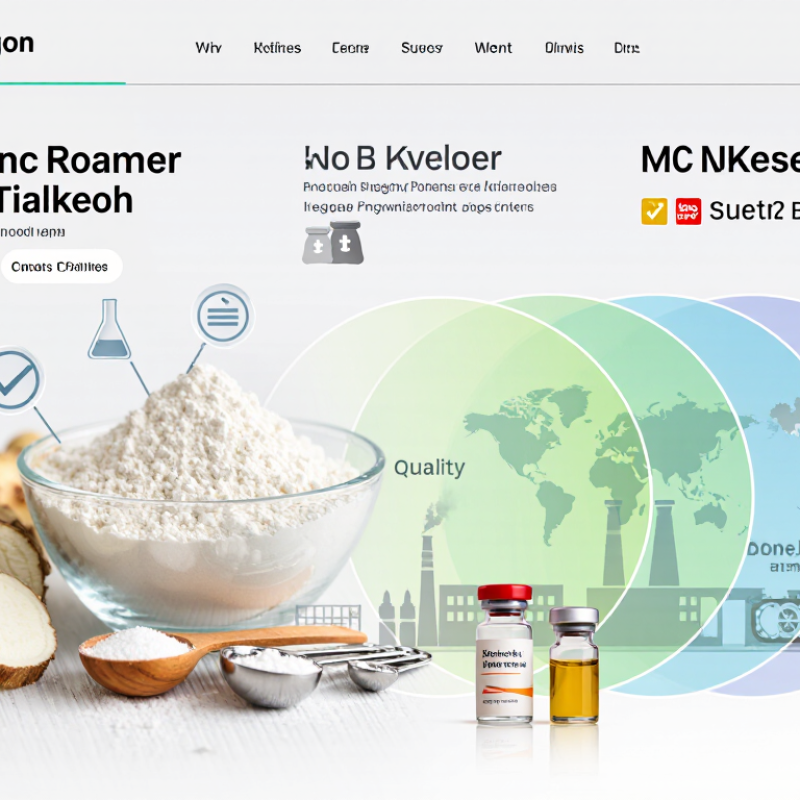
Konjac flour is milled from the underground tuber of the konjac plant. It is also called Konjac Yam Flour. Its main functional compound is glucomannan, a soluble dietary fiber that absorbs water and expands into a smooth gel. The powder may look ordinary, but a small amount can change texture quickly. It is used in noodles, jelly products, sauces, bakery fillings, and fiber supplements.
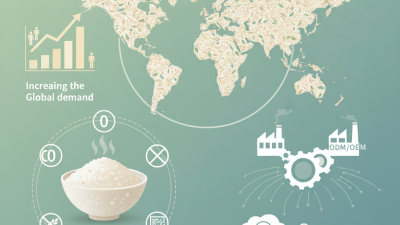
Grand View Research reported that the global konjac market was valued at about USD 1.12 billion in 2022. The same report projected a 6.4% compound annual growth rate through 2030. This demand reflects interest in low-energy foods and plant-based texture systems. Konjac flour can improve thickness, moisture retention, and chewiness without adding much fat. It can also reduce the need for some starches. However, results depend on particle size, glucomannan content, and mixing speed. Small differences matter.
EFSA’s scientific opinion identified glucomannan as a fiber associated with weight-loss claims under specific intake and water conditions. That is not permission to treat it as medicine. Users should follow product instructions carefully, especially with swallowing difficulties. For supplier evaluation, buyers should request a certificate of analysis, microbiological results, heavy-metal testing, and traceability records. A clean-looking powder proves very little. Even experienced formulators can overestimate its stability. Viscosity may fall after poor storage, excessive heat, or inconsistent hydration.
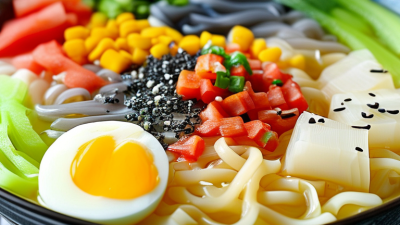
The global konjac noodles market is gaining attention as consumers seek convenient, lower-calorie alternatives to traditional wheat-based noodles. Insights highlighted in Grand View Research and IMARC reports point to rising interest in plant-based foods, weight-management products, gluten-free choices, and ready-to-prepare meals. These trends are especially relevant to younger consumers and busy households looking for satisfying dishes that fit modern dietary preferences without sacrificing flavor or cultural character.
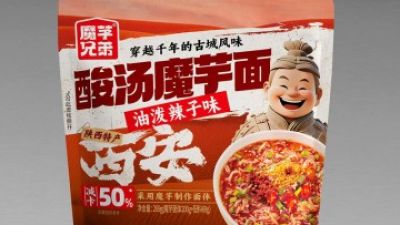
Sour Soup Konjac Noodles—Xi’an Limited Edition brings these market trends together in a distinctive regional recipe. Produced in Shaanxi, China, each 269g bag contains 200g of konjac noodles and a carefully blended seasoning packet. The flavor reflects Xi’an’s bold culinary identity, combining tangy sour soup notes with the warmth of spicy oil. Quick to prepare and light in texture, the noodles offer a practical option for consumers who want a flavorful meal with a lower-calorie profile.
As the konjac category continues to develop, products with authentic regional storytelling and convenient preparation may appeal to both experienced health-conscious shoppers and consumers discovering konjac for the first time. This Xi’an-inspired edition provides a balance of traditional Chinese taste, modern convenience, and portion-conscious eating, making it suitable for home meals, office lunches, and quick weeknight dining.
Compare glucomannan content, viscosity, moisture, ash, mesh size, and microbial limits. These figures affect noodles, gels, and fiber formulations.
No. Certificates can support confidence, but they cannot prove every batch remains consistent. Request recent records and independent laboratory results.
Ask for batch-specific test reports, production records, traceability details, and a written product specification. Keep the paperwork together.
Test more than one sample batch. Compare supplier results with an independent laboratory report and retain sealed samples for later review.
Check raw-material storage, drying areas, metal detection, allergen controls, dust control, and warehouse humidity. Small details matter.
Review three to six months of delivery history. Stable lead times may matter more than the lowest quotation.
Yes. Rice-style products may need fine particles, mild odor, and steady hydration. Noodles may require stronger gel formation and stable viscosity.
Be cautious about vague answers, changing specifications, or unexplained rejected batches. A perfect sample proves little by itself.
Use written specifications, retention samples, and agreed corrective actions. I would still review each batch, because assumptions can fail.
Rankings provide a starting point, not proof. Harvest conditions, processing capacity, and pricing can change quickly. Verify current performance.
Konjac Flour is a plant-based ingredient made from the root of the konjac plant. It is widely used in food manufacturing because it can provide dietary fiber, improve texture, support thickening, and help create low-calorie products. China has become an important sourcing market, offering different grades for noodles, jelly products, sauces, dietary supplements, and other formulated foods. When reviewing the top 10 Konjac Flour suppliers in China, buyers should consider production capacity, raw material sourcing, processing technology, product consistency, and experience with international trade.
A reliable supplier should provide clear specifications, suitable particle sizes, stable viscosity, and complete quality documentation. Buyers should also compare prices according to purity, grade, packaging, order volume, and delivery terms rather than choosing only the lowest quotation. Certifications, laboratory testing, traceability, hygiene controls, and export support are equally important for long-term cooperation. By evaluating product performance, safety management, communication, lead times, and after-sales service together, importers can select a supplier that matches their technical, commercial, and regulatory requirements.