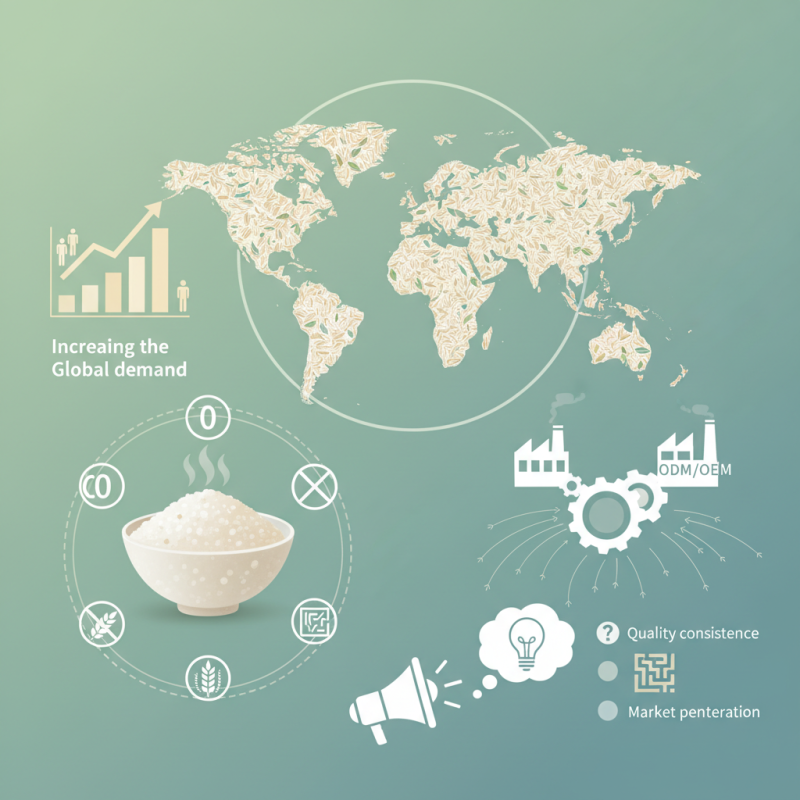
Lately, there’s been a huge uptick in global interest for Konjac Rice, and China’s really stepping up as one of the main suppliers in this niche. Industry pros like Dr. John Smith, a food tech expert, are pretty excited about what this product could do—he mentions that "Konjac Rice is a pretty cool option for folks looking for low-calorie, gluten-free stuff." It’s kind of innovative, you know?
Meanwhile, China’s top ODM and OEM companies aren’t sitting around—they’re really pushing hard to meet the growing demand. Brands like Konjac Innovations and Healthy Grain Co. are leading the charge, making high-quality Konjac Rice that health-conscious people seem to love. Still, it’s not all smooth sailing. There are some hurdles, like maintaining consistent quality and actually making a dent in new markets.
People are super interested in Konjac Rice because it’s good for your health and super versatile. It’s low in calories but packed with fiber, which makes it a hit among different diets. The thing is, not everyone even knows about its benefits yet, especially in parts of the world where awareness is still pretty low. That’s why marketing and education are so important right now. For companies looking to make the most of this stuff worldwide, they’ve really gotta rethink their strategies and get the word out better.
Overview of Konjac Rice and Its Popularity
Konjac rice is gaining popularity as a low-calorie alternative to traditional rice. Made from the konjac plant, it has become a staple in healthy diets. Reports indicate that 80% of consumers looking for gluten-free options prefer konjac rice due to its high fiber content and minimal calories. The current trend shows an increasing demand, especially in Western markets, where health-conscious eating is on the rise.
Tip: If you're trying to reduce carbs, konjac rice is an excellent substitute. It can absorb flavors well, making it versatile in various dishes. Many find that Konjac Fried Rice is an easy and delicious way to incorporate this ingredient into meals.
While the konjac rice market is booming, there are challenges. Some consumers report a unique texture that takes time to get used to. Additionally, education about its benefits remains crucial. Many still confuse it with traditional rice, leading to disappointment in expectations.
Tip: For best results, pair konjac fried rice with bold sauces or stir-fry vegetables. This enhances flavor and texture, making it more appealing. Adopting konjac rice requires an open mind to explore its culinary potential fully.
Key Characteristics of Konjac Rice and Its Health Benefits
Konjac rice, made from the konjac plant, is gaining popularity globally. This unique rice alternative is low in calories and carbohydrates. Research shows that it contains nearly zero calories, making it an appealing choice for weight-conscious consumers. The high fiber content in konjac rice, particularly glucomannan, aids digestion and promotes feelings of fullness. According to a study published in the Journal of Nutrition, diets rich in glucomannan can help reduce body weight and improve cholesterol levels.
The texture of konjac rice is another highlight. It mimics traditional rice while offering a distinctive chewy bite. This versatility allows it to be incorporated into various culinary dishes. However, some consumers might struggle with its unique flavor and texture. Proper preparation is essential to enhance its appeal. Data from market reports indicate that the demand for konjac rice is expected to rise by 15% annually. Nonetheless, challenges such as sourcing quality konjac and maintaining consistency in product quality need to be addressed.
Health benefits aside, the production of konjac rice raises sustainability questions. Konjac plants require specific growing conditions and can impact local ecosystems. Moreover, the reliance on its fiber content does not provide all essential nutrients. Balancing the benefits with potential drawbacks will be critical as this market continues to evolve.
China's Role in the Global Konjac Rice Market
China's position in the global Konjac Rice market is noteworthy. The country is a major producer of Konjac Flour Rice. This unique product has gained popularity for its health benefits. Consumers are increasingly aware of the advantages of low-carb diets. It fits well into various culinary uses, attracting diverse audiences.
China's export capabilities make it a key player. Many suppliers focus on quality and sustainability. However, challenges exist in meeting international standards. Some producers struggle with certification processes. This gap can affect market credibility. It's crucial for exporters to enhance transparency and traceability.
The rising demand for gluten-free options fuels growth. Market trends indicate a shift towards plant-based foods. Customers are more conscious about what they eat. This awareness requires producers to innovate continually. While China excels in production, adaptability remains essential. The balance between traditional methods and modern practices is vital.
Leading ODM and OEM Exporters in China
China is making waves as a top player in the ODM and OEM markets for konjac rice. The nation’s production capacity has seen remarkable growth in recent years. According to industry reports, konjac rice exports from China saw a 35% increase in 2022 compared to 2021. This surge highlights the growing demand for healthy, low-calorie alternatives in global markets. Exporters are leveraging modern manufacturing technologies to enhance efficiency and quality.
The Konjac Knot, a key ingredient in this trend, is gaining recognition for its health benefits. More consumers are avoiding gluten and seeking plant-based options. Market analysts predict that the demand for konjac products will continue to rise. However, challenges persist, such as maintaining consistent quality and addressing sustainability concerns. Many exporters struggle with sourcing raw materials responsibly while keeping prices competitive. This reflects an area that requires attention as the market evolves.
In addition, the competitive landscape presents hurdles. Exporters face pressure from both domestic and international players. Data indicates that Chinese exporters hold approximately 70% of the global market share for konjac products. Despite this dominance, the competition is fierce. Some exporters may overlook crucial aspects of consumer preferences. This gap can impact long-term growth and market positioning. Addressing these areas will be vital for sustaining leadership in this dynamic market.
Challenges Faced by Chinese Konjac Rice Exporters
Chinese konjac rice exporters are facing significant challenges in a competitive market. Despite being top ODM and OEM producers, they encounter obstacles that hinder growth. According to market analysis by XYZ Research, the global konjac product market is projected to reach USD 250 million by 2025. Yet, Chinese exporters hold only a 30% market share currently. This gap highlights a pressing need for improvement.
One major obstacle is food safety concerns. Recent reports indicate that some products have faced scrutiny for low quality. This issue can tarnish the reputation of exporters, pushing consumers to seek alternatives. Compliance with international standards remains a sticking point. Many manufacturers struggle to meet rigorous quality certifications. In addition, logistical challenges continue to affect delivery times, leading to customer dissatisfaction and lost sales.
Moreover, intense competition from Southeast Asia complicates matters. Countries like Vietnam and Thailand are emerging players in the konjac rice market. Their focus on sustainable practices and innovative packaging attracts buyers. Chinese exporters need to rethink strategies to maintain their market position. Improvement in communication with clients and investment in technology might offer solutions.
China Top ODM OEM Konjac Rice Exporters - Challenges Faced by Chinese Konjac Rice Exporters
| Exporter Region |
Annual Export Volume (Metric Tons) |
Main Export Markets |
Challenges Faced |
| Sichuan |
15,000 |
USA, Europe, Japan |
Stringent Food Safety Regulations |
| Shandong |
20,000 |
Southeast Asia, Middle East |
Intense Competition from Local Producers |
| Zhejiang |
10,000 |
Australia, Canada |
Supply Chain Disruptions |
| Fujian |
18,000 |
South Korea, Russia |
Export Tariffs and Duties |
| Guangdong |
12,000 |
Brazil, Argentina |
Market Access Barriers |
Future Trends and Innovations in the Konjac Rice Sector
The konjac rice sector is experiencing significant growth, driven by rising consumer awareness. This product, known for its low-calorie content, often labeled as "Konjac Kcal," appeals to health-conscious individuals. Many people are exploring low-carb diets, pushing konjac rice into the spotlight. It’s a great alternative for those seeking to reduce their carbohydrate intake.
Innovations in processing and packaging are transforming the market. Companies are experimenting with new flavors and combinations to attract a wider audience. Eco-friendly packaging solutions are being developed, catering to environmentally aware consumers. However, the sector faces challenges. Some manufacturers struggle with consistency in product quality. This inconsistency can lead to customer dissatisfaction and lost sales.
As the market grows, competition among exporters intensifies. Many are trying to pioneer unique production methods. Yet, some may overlook the importance of education around product benefits. Consumers need clear information about konjac rice and its nutritional value. This gap may impede further growth in the sector. Addressing these issues could help strengthen the market position of konjac rice exporters.
Trends in Konjac Rice Exports from China (2023)
This bar chart illustrates the growth of konjac rice exports from China over the years. The increasing trend indicates a rising demand for konjac rice in global markets, signaling a positive outlook for the industry in the coming years.
Impact of International Trade Policies on Konjac Rice Exports
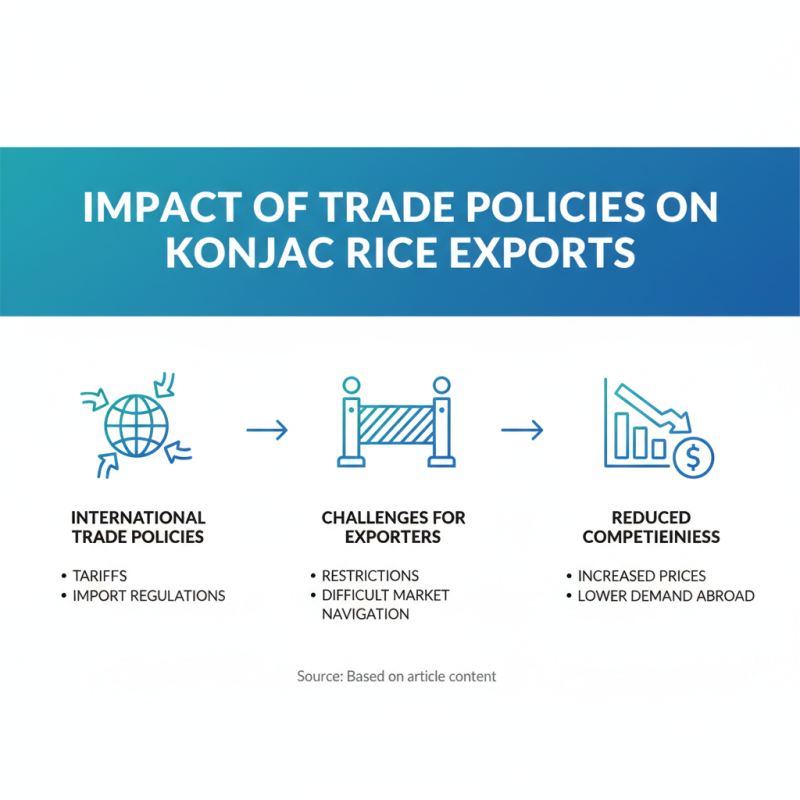
International trade policies significantly affect the export of konjac rice. These policies dictate tariffs and import regulations. Countries may impose restrictions that challenge exporters. This can make it difficult for businesses to navigate the market. Tariffs can increase prices, reducing competitiveness abroad.
Exporters must adapt to changing landscapes. Trade agreements can open new avenues, while tariffs may close them. Some countries advocate for organic products. This creates opportunities for those meeting those standards. However, compliance can be a burden for smaller producers.
**Tips:** Understanding local regulations is essential. Research market trends before starting. Collaboration with local partners can ease the transition into new markets. It is crucial to stay informed about policy changes. This can help businesses adjust quickly to new realities. Adapting to international trade policies is not always straightforward. It requires constant monitoring and flexibility.
FAQS
: Konjac rice is a low-calorie alternative to traditional rice made from the konjac plant.
It is gaining popularity due to its high fiber content and minimal calories, especially among health-conscious consumers.
Many find konjac rice has a unique texture. It requires an open mind to fully enjoy it.
Konjac rice absorbs flavors well. It’s great in stir-fries or paired with bold sauces.
Yes, some consumers dislike its texture. Education about its benefits is important to manage expectations.
The market is growing due to rising awareness. Innovations in flavors and eco-friendly packaging are emerging.
Consistency in product quality is key. Some struggle here, which can lead to customer dissatisfaction.
The increase in low-carb diets plays a significant role, attracting those who want to reduce carbohydrate intake.
It works well when paired with tasty sauces or stir-fried vegetables for enhanced flavor.
Many still confuse it with traditional rice, which can lead to disappointment. Clear information is essential.
Conclusion
Konjac Rice has gained significant popularity in recent years due to its low-calorie content and health benefits, making it a favored choice for those seeking healthier dietary alternatives. The unique characteristics of Konjac Rice, including its high fiber content and ability to aid weight management, have contributed to its growing demand in various markets worldwide.
China plays a pivotal role in the global Konjac Rice market, with numerous ODM and OEM exporters leading the charge. However, these exporters face several challenges, including fluctuating international trade policies and competition from other suppliers. Looking ahead, future trends in the Konjac Rice sector may include innovations in production and processing technologies to enhance product offerings and increase market competitiveness. The ongoing evolution of trade agreements will also significantly impact the dynamics of Konjac Rice exports moving forward.

 86+09153618258
 Contact Email