inquiry
Leave Your Message
0%

Choosing a reliable Konjac Protein Tofu supplier isn’t just about comparing prices—it’s about looking for proof of quality, you know? You really want some solid evidence before making the call.

The Good Food Institute’s 2024 State of the Industry report points out that taste, texture, affordability, and how well the product performs are still big challenges for plant-based foods. And let’s be honest, these issues directly affect tofu buyers. For example, a firm block that crumbles when you cut into it not only creates waste but also causes delays and annoys customers. On the flip side, even a smooth-looking sample might still fail after freezing, shipping, or reheating—that’s just part of the game.

Did you know the Food and Agriculture Organization says that livestock farming accounts for around 14.5% of all human-caused greenhouse gases globally? That kind of info is making people more interested in alternative proteins. But here’s the thing—it’s crucial to verify environmental claims, don’t just take them at face value. Buyers should ask for detailed ingredient specs, allergen info, production records, and certifications that are recognized worldwide. And traceability? It should cover everything—from konjac powder and soybeans to the packaging and the final shipment.”,

Honestly, that sounds pretty straightforward, right? Well, not so fast.

It’s actually more complicated than it seems. A trustworthy supplier needs to show that they can deliver consistent protein content, a clean taste, good moisture control, and a stable texture from batch to batch. Production capacity matters too. Sometimes a factory can whip up great samples in the beginning but then struggle when it comes to larger orders—that’s something worth asking about. The gap between a trial batch and the full production run deserves careful questions. Independent lab testing can help confirm things like safety standards, nutritional info, and shelf-life claims. Plus, audits of their facilities should check sanitation, temperature control, worker training, and how they handle issues when things go wrong.

Below, I’ve put together seven practical tips for choosing the right supplier. They cover everything from formulation expertise and certifications to factory capacity, quality control, customization options, logistics, and overall reliability. Keep in mind, some suppliers may look fantastic online—their documents and samples might seem perfect. But a thorough comparison is key to making sure product quality stays high and your business can grow strong over the long haul.

7 Tips for Choosing Konjac Protein Tofu Suppliers?

Define Your Konjac Protein Tofu Product Requirements

Before choosing a konjac protein tofu supplier, define the product precisely. Decide the protein source, target protein per serving, moisture level, firmness, color, and flavor. Note whether the tofu should be chilled, frozen, or shelf-stable. A small detail matters: should slices remain firm after pan-frying for three minutes?

Tip 1 Create a one-page product specification. Include ingredient limits, pack size, serving weight, shelf life, storage temperature, and acceptable texture. Add testing requirements for nutrition, microbiological safety, allergens, and contaminants. Clear specifications prevent attractive samples from hiding practical weaknesses. Keep the wording measurable.

Tip 2 Request samples made under production conditions, not only laboratory prototypes. Test them after opening, reheating, and two weeks of storage. Check water release, odor, bite, and package leakage. A product can taste excellent on day one, yet fail in a retail refrigerator.

I once underestimated packaging space; the tofu met the recipe target but arrived crushed. That mistake deserves attention.

Tip 3 Define commercial boundaries before negotiations. State your expected monthly volume, trial quantity, delivery schedule, documentation, and acceptable variation between batches. Ask for ingredient declarations, certificates of analysis, traceability records, and facility quality procedures. Do not assume a high protein number guarantees a satisfying product. Texture may matter more to consumers. Reconsider weak requirements early. Suppliers can only perform reliably when the target is specific, testable, and realistic.

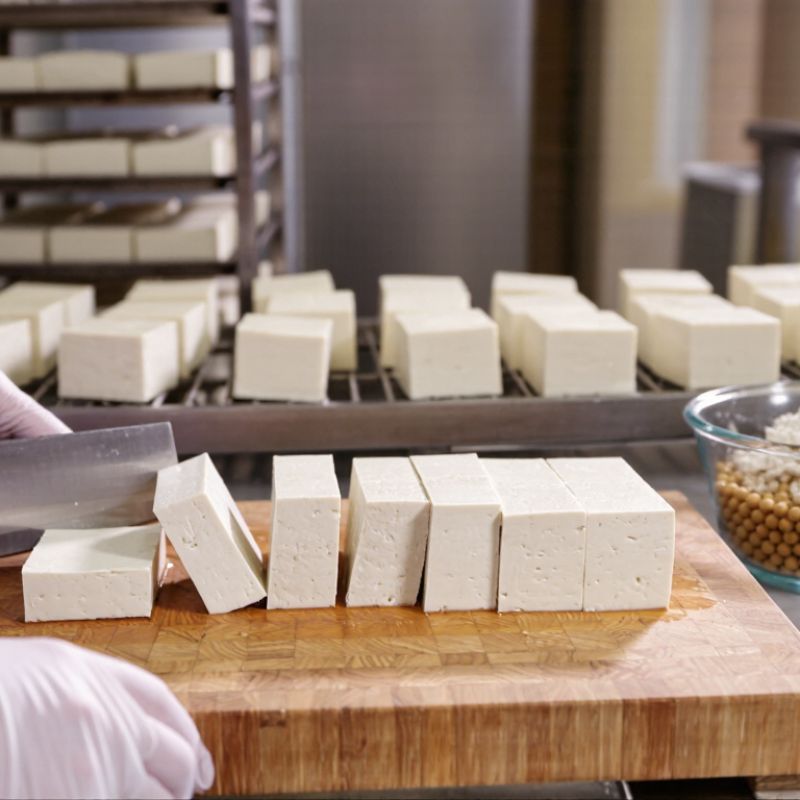
Verify Supplier Experience and Manufacturing Capabilities

7 Tips for Choosing Konjac Protein Tofu Suppliers

Verify supplier experience before discussing price. A capable supplier should explain how konjac powder, protein ingredients, and moisture levels are controlled. Ask for production records, batch samples, and clear specifications. High-Protein Konjac Tofu needs stable texture, clean flavor, and reliable protein content across repeated batches. Request details about equipment, annual capacity, and experience with similar products. A factory that only shows bright photographs may still lack process control. Look closely.

Tip: Arrange a pilot order. Check whether the tofu keeps its shape after chilling, cutting, and cooking. Record texture changes, surface moisture, and package condition. These small observations often reveal more than a sales presentation.

Tip: Review manufacturing capabilities directly. Reliable suppliers should provide sanitation procedures, testing routines, traceability records, and trained quality staff. Ask how they handle ingredient variation or unexpected production delays. Their answers should be specific, not decorative. Third-party certifications can support credibility, but they do not replace an onsite review or independent testing. No audit is perfect.

A strong supplier also communicates limitations honestly. They should identify minimum order quantities, realistic lead times, storage conditions, and possible texture differences between batches. Ask for recent test reports and compare them with your own laboratory results. One weakness should not automatically end the discussion, but unexplained gaps deserve caution. I would rather accept a slower, transparent partner than a fast supplier with incomplete records. Experience becomes useful only when it produces consistent, verifiable results.

Assess Ingredient Quality and Product Safety Standards

7 Tips for Choosing Konjac Protein Tofu Suppliers

Ingredient quality should be checked before discussing price or production speed. Ask suppliers for the konjac powder’s origin, grade, and processing details. A clear specification should list protein sources, stabilizers, moisture content, and permitted additives. Request recent certificates of analysis for each major ingredient. Do not rely on a polished sample alone. Texture can hide inconsistent raw materials.

Product safety requires evidence, not confident promises. Review microbiological testing for pathogens, yeast, and mold. Check allergen controls, sanitation records, and foreign-material prevention procedures. The supplier should explain how each batch is coded and traced. Packaging must protect tofu from heat, moisture, and handling damage. Test samples after transport, not only at the factory. Small details matter.

Ask whether the facility follows a recognized food-safety system and conducts regular internal audits. Confirm that testing laboratories are qualified and that records remain available. Suppliers making Konjac Protein Noodles may understand konjac processing, but tofu requires separate texture and shelf-life validation. I once focused too heavily on appearance. That was a mistake. A firm sample may still fail after refrigeration or extended storage. Keep retention samples, compare batches, and document every concern before signing a supply agreement.

Review Customization, Packaging, and Private Label Options

Choosing a konjac protein tofu supplier requires more than comparing prices. The Good Food Institute reported U.S. plant-based retail sales of $8.1 billion in 2023. Demand exists, but buyers now expect flexible products and credible documentation. Ask whether the supplier can adjust protein content, firmness, seasoning, shape, and serving size. Request a small trial batch before signing a large contract. Small tests reveal texture problems quickly.

Review customization through written specifications. Confirm ingredient tolerances, nutrition targets, allergen controls, and acceptable color variation. Ask for batch records and recent laboratory results. A sample brief could include Konjac Brothers Konjac Cold Noodles, package weight, cooking instructions, and target customer. Keep every detail measurable. “Premium texture” is too vague. I would challenge my own assumptions here.

Packaging needs equal attention. The OECD reports that packaging creates about 40% of global plastic waste. Ask for material thickness, oxygen barriers, leak testing, recyclability information, and transport trials. A sealed pouch should survive a warm warehouse and a rough delivery carton. Request artwork templates and barcode support for private label production. Check whether the supplier owns the formula or only fills containers. Confirm label review, traceability, recall procedures, minimum order quantities, and lead times. Private label looks simple. It rarely is. A cheap pouch can become an expensive lesson when moisture damages the product.

Compare Pricing, Minimum Orders, and Production Lead Times

7 Tips for Choosing Konjac Protein Tofu Suppliers

Choosing a konjac protein tofu supplier requires more than comparing the lowest quoted price. Ask for a complete cost sheet. It should show tofu price, packaging, inland freight, testing, and payment terms.

Tip one: compare landed cost per case, not price per kilogram. A cheap quote can become expensive after small charges.

Tip two: request quotes for 500 and 5,000 units. This reveals whether scale discounts are realistic. Numbers matter.

Tip three: examine minimum orders by flavor, package size, and label design. Some suppliers combine quantities; others do not. Ask whether a mixed pallet is possible.

Tip four: check production lead times in writing. Separate sample approval, ingredient purchasing, production, and dispatch. “Fast delivery” means little. Ask for normal and peak-season timelines.

Tip five: confirm production capacity before paying a deposit. A factory may accept your order while another customer occupies its line. This happens.

Tip six: test price stability. Request a validity period and identify costs that may change. Packaging film and raw materials can shift sharply.

Tip seven: assess reliability through batch records, certificates, and recent shipment references. Request a pilot order with clear acceptance standards. Check texture, moisture, seal strength, and delivery accuracy.

I have found that the cheapest supplier is rarely the easiest partner. Still, premium pricing does not prove quality. Review three comparable quotes, record every assumption, and leave room for delays. One overlooked detail can disrupt a launch.

Evaluate Samples, Quality Control, and Supply Reliability

Choosing a Konjac Protein Tofu supplier requires more than a low quotation. The Good Food Institute’s 2023 report valued U.S. plant-based retail sales at about $8.1 billion, showing strong pressure for consistent supply. Request three production samples, including one Konjac Knot batch. Compare elasticity, moisture, color, odor, and cooking loss after refrigeration. Record results. Do not trust a polished sample alone.

Ask for recent certificates, batch records, allergen controls, and microbial test results. ISO 22000 or a comparable food-safety system can support evaluation, but certification does not replace your own audit. Check whether the supplier tests each lot for pathogens, pH, water activity, and protein content. The FAO’s 2023 Food Outlook highlights continuing volatility in food input markets, so review six months of delivery data. Check lead times, minimum order quantities, backup facilities, and packaging performance.

Visit the factory when possible. Watch a line changeover. Inspect stainless-steel surfaces, handwashing points, cold storage, and label controls. Ask for a mock recall; a reliable team should identify affected lots quickly. The 2023 ISO Survey recorded more than 1.26 million ISO 22000 certificates worldwide, yet certificate numbers alone reveal little about daily discipline. I have seen attractive samples fail after transport because cartons absorbed humidity. That mistake is easy to miss. Require retained samples, written specifications, and corrective-action reports before signing a long-term agreement.

Confirm Certifications, Communication, and Long-Term Support

Choosing a konjac protein tofu supplier requires more than comparing prices. In supplier reviews, I have learned to verify certificates directly. Check the certificate number, issuing body, product scope, and expiration date. A certificate covering another facility is not enough. Ask for recent audit records and food safety procedures. Confirm allergen controls, batch traceability, and testing for microbiological safety. Request a current certificate of analysis for each production lot.

Communication reveals operational discipline. Send detailed requirements for texture, protein content, moisture, packaging, and shelf life. Notice how clearly the supplier responds. Do they answer every question, or provide vague promises? Request a sample, then record its firmness after refrigeration and reheating. Ask about minimum order quantities, lead times, labeling files, and change notifications. Written specifications matter. Phone calls can be misunderstood.

Long-term support should be tested before signing a large order. Ask how complaints are investigated, documented, and corrected. Confirm whether they can maintain consistent texture during seasonal ingredient changes. Discuss backup raw materials, production capacity, and delivery delays. A dependable supplier should share realistic limits, not only optimistic timelines. I once overlooked response speed because the sample performed well. That was a mistake. Fast replies do not prove reliability, but repeated, accurate communication offers stronger evidence. Keep approval samples, test reports, and agreed specifications in one shared record.

How to use this chart: Use these suggested evaluation weights when comparing konjac protein tofu suppliers. Confirm food-safety certifications and audit evidence first, then assess product consistency, communication, traceability, production capacity, logistics reliability, and long-term support.

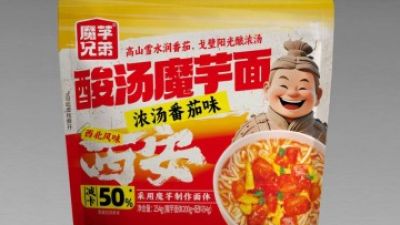
Sour Soup Konjac Noodles: Rich Tomato Flavor, Authentic Northwest China Taste & Trusted Factory Supply

Sour Soup Konjac Noodles bring together the bright, comforting taste of rich tomato broth and the distinctive character of Northwest China cuisine. Inspired by the bold flavors of Shaanxi, this convenient meal features smooth konjac noodles paired with a savory sour soup seasoning. The tomato base offers a delicious balance of tanginess and depth, creating a warming bowl with an authentic regional touch.

Each 254g bag contains 200g of konjac noodles along with separate seasoning and vegetable packets, making preparation simple while preserving the texture and flavor of each ingredient. Produced in Shaanxi, China, the noodles are crafted by experienced local suppliers and a renowned factory in the heart of Northwest China. With their satisfying texture, rich tomato flavor, and practical packaging, they are suitable for quick meals at home, in the office, or wherever a flavorful noodle dish is desired.

FAQS

How can I verify a supplier’s manufacturing experience?

Ask for production records, batch samples, equipment details, and annual capacity.

What should a pilot order test?

Chill, cut, and cook the tofu.

Which quality documents should a supplier provide?

Request sanitation procedures, traceability records, testing routines, and recent laboratory reports.

How should I compare supplier pricing?

Compare the complete landed cost per case, not only the kilogram price.

How do minimum order quantities affect purchasing?

Check minimums by flavor, package size, and label design.

How can I judge production lead times?

Separate sample approval, ingredient purchasing, production, and dispatch.

What should I evaluate in supplier communication?

Send detailed requirements for texture, protein content, moisture, packaging, and shelf life.

How can I assess long-term supplier reliability?

Ask how complaints are investigated, documented, and corrected.

Conclusion

Choosing the right Konjac Protein Tofu supplier starts with clearly defining your product requirements, including texture, flavor, nutrition profile, ingredients, format, and target market. Evaluate each supplier’s experience, production capacity, manufacturing processes, and ability to maintain consistent quality. Ingredient sourcing and food safety should also be carefully reviewed, with attention to testing procedures, hygiene controls, traceability, and relevant certifications.

It is equally important to compare customization options, packaging formats, private label services, minimum order quantities, pricing, and production lead times. Request samples to assess taste, texture, appearance, and shelf stability before making a decision. A reliable supplier should demonstrate strong quality control, dependable supply capabilities, responsive communication, and transparent documentation. By considering these factors together, you can select a partner that supports product development, meets your quality expectations, and provides stable long-term cooperation.

Oliver

Oliver

Oliver is a dedicated marketing professional with over ten years of experience in the konjac industry. His expertise lies in the development and promotion of a diverse range of konjac products, including leisure snacks, instant foods, culinary ingredients, and raw materials. With a deep......
Previous How to Source Low Calorie Konjac Noodles in 2026?