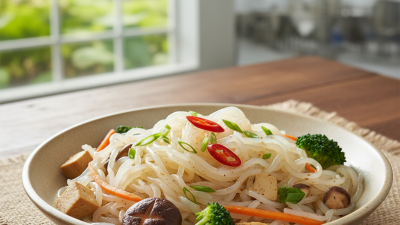
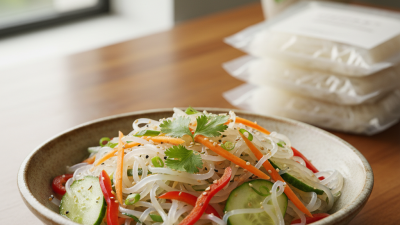
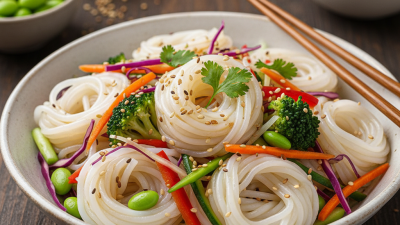
Looking for a healthier meal option? You might want to try low-calorie konjac noodles — they could be just what you're after. Made from konjac yam, these noodles are super low in calories and packed with fiber, making them a great swap for traditional pasta. They’re perfect if you're trying to manage your weight or just want a more balanced diet.
But, here’s the thing — picking the right brand really matters. You want products made from pure konjac, without a bunch of additives. Quality can make all the difference when it comes to actually getting health benefits. Also, keep an ear out for the texture and flavor, because some brands might be a bit different. Not every extra ingredient suits everyone, and your personal taste definitely plays a part here.
Oh, and just so you know — not all low-calorie konjac noodles are the same. Do a little digging: read reviews, ask around. Some might be disappointing, but others could totally blow your mind. Finding the perfect one takes a bit of patience, but trust me, discovering delicious, healthy meals makes it all worthwhile.
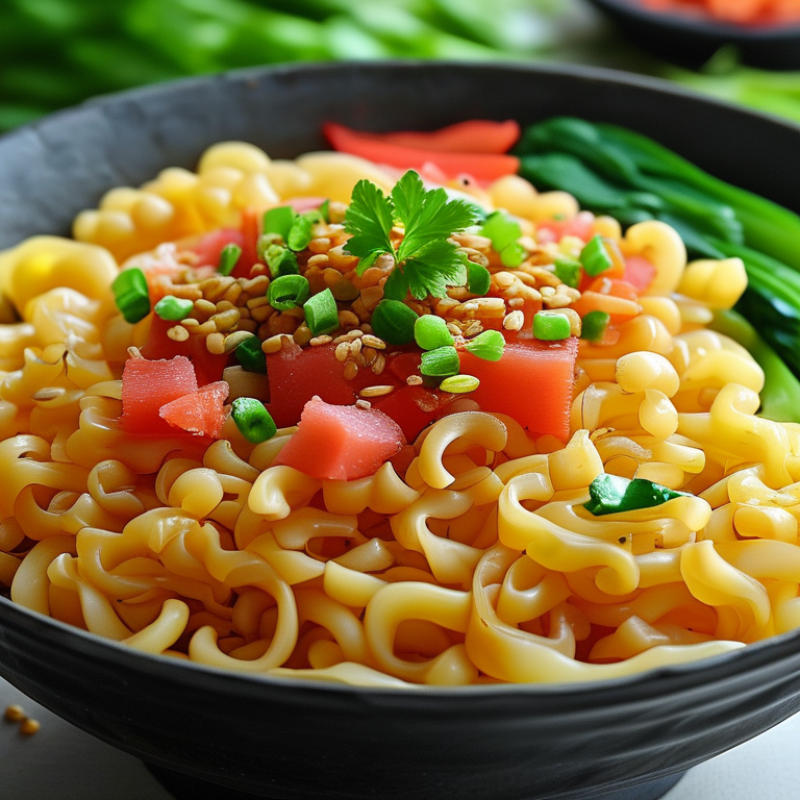
Understanding Konjac Noodles: Origin and Nutritional Benefits
Konjac noodles, also known as shirataki noodles, have their roots in Asia. These noodles are made from the konjac plant, which is rich in glucomannan. This soluble fiber absorbs water and expands in your stomach, promoting a feeling of fullness. Nutritionally, they contain very few calories, making them a popular choice for those seeking low-calorie meals. They are gluten-free, low-carb, and ideal for vegetarian and vegan diets.
When choosing low-calorie noodles konjac, it's essential to pay attention to their texture and taste. Unlike traditional noodles, konjac noodles can be slightly rubbery. Cooking them properly can enhance their appeal. Rinse them well and briefly boil or stir-fry them with your favorite ingredients. This method helps to improve the flavor and overall experience.
However, konjac noodles may not suit everyone's palate. Some people find the texture unappealing, and they can be an acquired taste. It's worth experimenting with different recipes to determine how to enjoy them best. Be mindful of your body's response, as too much konjac fiber can lead to digestive discomfort. Finding balance in your diet is key to enjoying these unique noodles.
Assessing Caloric Content: A Comparison of Konjac Noodles and Traditional Pasta
Konjac noodles are becoming popular for healthy meals. Their low calorie, low fat profile is appealing. They contain glucomannan, a natural fiber that aids in digestion and promotes satiety. This makes them a great alternative to traditional pasta.
When comparing caloric content, konjac noodles stand out. For instance, a single serving has about 10 calories, while typical spaghetti can be over 200 calories. This drastic difference allows for enjoyable meals without the guilt. However, not all konjac noodles are created equal. Some varieties may contain added sugars or preservatives, which can alter their health benefits.
**Tips:** Look for konjac noodles labeled as "low calorie fat" to ensure purity. Check the ingredient list carefully. Avoid options with complex additives. Experimenting with different preparations can enhance their taste. Consider pairing them with flavorful sauces or fresh veggies for a balanced meal. Remember, the key is to enjoy these noodles while maintaining nutritional integrity.
How to Choose Low Calorie Konjac Noodles for Healthy Meals?
| Type of Noodles |
Calories per 100g |
Carbohydrates (g) |
Fiber (g) |
Protein (g) |
Cooking Time (min) |
| Konjac Noodles |
10 |
2 |
9 |
0 |
3 |
| Spaghetti (Whole Wheat) |
348 |
73 |
12 |
14 |
10 |
| Rice Noodles |
192 |
44 |
1 |
3 |
5 |
| Egg Noodles |
220 |
41 |
2 |
8 |
7 |
Identifying Quality Indicators: How to Choose Authentic Konjac Products
When choosing authentic konjac noodles, consider these vital quality indicators. Look for products that list "konjac flour" as the primary ingredient. Quality konjac noodles should be minimally processed. Check the label for added ingredients. A shorter list often signifies a purer product.
Pay attention to texture and color. Authentic konjac noodles should have a slight translucence. Avoid overly bright colors, which may indicate artificial additives. The texture should be slightly chewy but not rubbery. This balance is essential for a satisfying meal.
Consider the packaging as well. Quality brands often use transparent packaging to showcase the product. Check for certifications or seals that indicate quality control. Research brands before purchasing. Reviews and experiences from other users can guide you toward reliable options.
Examining Fiber Content: Konjac Noodles and Their Role in Satiety
Konjac noodles are gaining popularity for their low-calorie and high-fiber traits. These noodles are primarily made from the konjac root, which is rich in glucomannan, a soluble fiber. Research shows that glucomannan can enhance feelings of fullness. A study published in the journal "Appetite" found that participants consuming glucomannan experienced greater satiety compared to those who did not. This effect can be particularly beneficial for those looking to manage their weight without the constant hunger that comes with calorie restriction.
Fiber content is critical in meal planning. Konjac noodles contain about 2 grams of fiber per serving, which can help support digestive health. However, it's essential to consider the overall fiber intake from your diet. While konjac noodles are low in calories, they may not be enough if relied upon exclusively. A diverse diet is crucial to meeting daily fiber recommendations, which is around 25 grams for women and 38 grams for men, according to dietary guidelines. Thus, balancing konjac noodles with other fiber-rich foods like vegetables and whole grains can optimize satiety and health benefits.
Choosing konjac noodles requires attention to preparation and serving size. While they can be a helpful addition, over-reliance on them may lead to unmet nutritional needs. They work best when combined with nutrient-dense ingredients. Consider the overall composition of your meals to ensure you’re achieving a balance.
Fiber Content in Different Types of Konjac Noodles
Evaluating Additives: What to Avoid in Low Calorie Konjac Noodles
When selecting low-calorie konjac noodles, evaluating additives is crucial. Many brands use various additives to enhance texture and flavor. Ingredients like artificial flavors and preservatives can undermine the health benefits of konjac noodles. A report by the Food and Drug Administration highlights that certain additives may cause allergic reactions in some individuals. Always read labels carefully.
Common additives include sodium, which can contribute to high blood pressure. Some noodles contain a significant amount of sodium, even exceeding daily recommendations. A 2022 study indicated that excessive sodium intake is linked to cardiovascular diseases. Opting for products without these additives is essential for maintaining a nutritious diet.
Additionally, avoid noodles that contain refined sugars and unhealthy fats. These can lead to unwanted weight gain and negate the low-calorie benefits. Research shows that healthy meals should be low in sugar and saturated fats. Take time to choose products with simple, recognizable ingredients. This is where really considering your choices matters.
Reading Labels: Navigating Nutrition Facts for Healthier Choices
When choosing low-calorie Konjac noodles for healthier meals, reading labels is crucial. Nutrition facts help you understand what you’re consuming. Research shows that konjac noodles can contain less than 10 calories per serving, making them ideal for weight management. These noodles, often labeled as
Konjac Spaghetti Low Calorie Pasta Organic, can provide filling options without excessive calories.
Pay attention to ingredients. Look for a short list; the best options typically contain just konjac flour and water. Avoid products with unnecessary additives. A study by the Journal of Nutrition and Dietetics highlights that consumers often overlook these nuances, leading to less optimal choices. The fiber content is vital too—high-fiber options can promote satiety.
Tip: Always compare the serving sizes. Some packages may provide misleading serving suggestions. A single serving can vary greatly between brands. Also, consider the sodium content; lower sodium means a healthier choice. Reading the label thoroughly can empower your dietary decisions, ensuring you choose the right product for your needs.
Cooking Techniques: Best Practices for Preparing Konjac Noodles in Meals
When preparing meals with Low Calorie Shirataki Noodles, it's essential to master the cooking techniques that enhance their texture and flavor. Start by rinsing the noodles thoroughly under cold water. This step removes any residual odor from the packaging. Following this, consider pan-frying them briefly. A hot skillet with a drop of oil helps achieve a firmer bite, transforming their often mushy texture.
Adding flavor can be challenging. Incorporate aromatic ingredients like garlic, ginger, or scallions while sautéing. This method effectively infuses the noodles with delicious taste. Pair them with colorful vegetables for added nutrition. Keep in mind that the noodles absorb flavors from the dish, so a well-seasoned sauce is crucial. In terms of cooking time, avoid overcooking; they only need a few minutes to heat.
Experimenting with various dishes can lead to different results. Some may find that their texture does not suit every recipe. If the noodles seem too slippery, mix them into stir-fries rather than soups. Reflecting on your own cooking experience, consider how slight adjustments can significantly change the outcome. Each attempt can serve as a lesson in perfecting your technique with Low Calorie Shirataki Noodles.
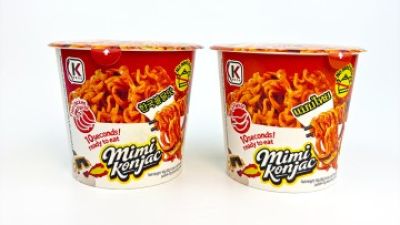
Exploring the Benefits and Culinary Uses of 90g Konjac Noodles: A Spicy & Low-Calorie Delight from Malaysia
Transform your culinary adventures with our 90g konjac noodles, a delicious and nutritious option hailing from Malaysia. These instant noodles are not only low-calorie but also offer an enticing spicy flavor that awakens the palate. Designed for convenience, each cup is a ready-to-eat meal, perfect for busy individuals seeking healthy choices without sacrificing taste. The high fiber content makes them an ideal addition to a balanced diet, especially for those following keto or gluten-free lifestyles.
Crafted in Shaanxi, China, these noodles are expertly prepared to meet Malaysian flavor preferences. With a shelf life of 12 months, stocking up on these instant delights ensures you always have a quick meal option on hand. They come in practical packaging, with each carton containing 60 cups, making it easy to serve and share with family and friends. Our konjac noodles provide an excellent alternative to traditional pasta, enhancing your meals while supporting your health and wellbeing goals.
FAQS
: Look for "konjac flour" as the primary ingredient.
They should have a slight translucence and a slightly chewy texture.
A shorter list often indicates a purer product without unnecessary additives.
Avoid artificial flavors, preservatives, and high sodium content.
Excess sodium can lead to high blood pressure and cardiovascular diseases.
Quality packaging often showcases the product transparently and has quality seals.
Labels help you understand calories, serving sizes, and essential nutrients accurately.
Look for noodles with few ingredients, low sodium, and high fiber content.
Serving sizes can vary greatly across brands, leading to potential misleading information.
Yes, it can lead to weight gain and negate the low-calorie benefits.
Conclusion
Low-Calorie Konjac Noodles are a popular alternative to traditional pasta, offering numerous nutritional benefits due to their low caloric content and high fiber content. Originating from the konjac plant, these noodles can aid in weight management and improve satiety. When choosing low-calorie konjac noodles, it's essential to assess their caloric content compared to regular pasta, identify quality indicators to ensure authenticity, and avoid unwanted additives that may detract from their health benefits.
Reading labels carefully is crucial in navigating nutrition facts, helping consumers make informed choices for healthier meals. Additionally, understanding effective cooking techniques will enhance the overall dining experience with konjac noodles, ensuring they are both tasty and satisfying. By following these guidelines, individuals can incorporate low-calorie konjac noodles into their diets for nutritious and delicious meals.

 86+09153618258
 Contact Email