In the fast-changing world of food, you’ve probably come across Konjac Flour Rice. It’s kind of a standout option for folks who are really into healthy eating. I recently read what Dr. Lisa Chen from Healthy Flour Co. had to say, and she’s pretty excited about it — she mentioned, “Konjac Flour Rice is a low-calorie, gluten-free alternative that could completely change how we plan our meals.” Basically, it’s made from konjac, a plant loaded with fiber, and it’s become pretty popular because of how versatile it is.
Getting konjac rice from different parts of the world isn’t exactly straightforward, but it’s definitely doable. Most of the big production happens in Asia, where the konjac plant grows like, crazy. Building trust with suppliers means you’ve gotta do your homework — knowing their standards and making sure everything’s up to snuff.
Of course, even with its growing fame, there are some hurdles. Some people might be a bit wary about what it tastes like or how it feels when you eat it. So, talking to folks, educating them about it, can really help ease those worries. As the demand for healthier food options keeps growing, I honestly think konjac rice is going to play an even bigger role in different diets. That said, it’s super important to keep an eye on where it’s coming from and its quality — that’s key if this is gonna be a sustainable trend.
Definition and Characteristics of Konjac Flour Rice
Konjac flour rice is a unique food product made from the konjac plant, native to Asia. This flour is derived from konjac root, which is rich in glucomannan, a type of soluble fiber. The resulting rice is low in calories and carbohydrates, making it appealing for health-conscious individuals. Its texture is similar to traditional rice, and it offers a slightly chewy bite. This makes it a popular alternative for those seeking to reduce their carbohydrate intake.
The characteristics of konjac flour rice include a high water content, making it very filling. It absorbs flavors well, enhancing the overall taste of dishes. The rice is also gluten-free, accommodating those with gluten sensitivities. However, some people may find its texture unusual. This could be an initial barrier for new adopters. Understanding these characteristics can help consumers make informed choices suitable to their dietary needs.
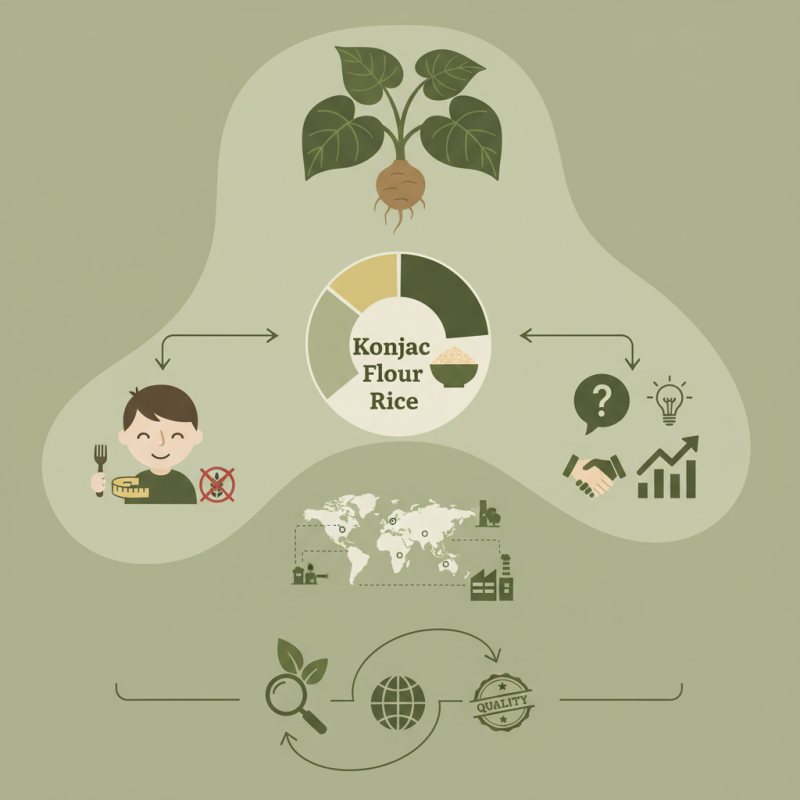
Sourcing konjac flour rice globally requires consideration of various factors. Regions in Asia are traditional producers, offering insights into the best practices for cultivation. Quality assurance is crucial, especially regarding food safety standards. Collaborating with reputable suppliers is essential. This ensures that the product meets quality benchmarks and health regulations. Always seek transparency in sourcing to avoid potential pitfalls.
Nutritional Benefits of Konjac Flour Rice
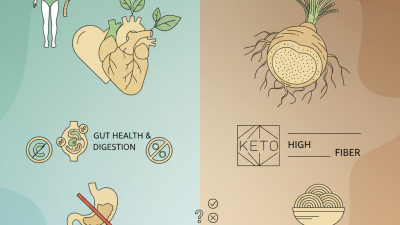
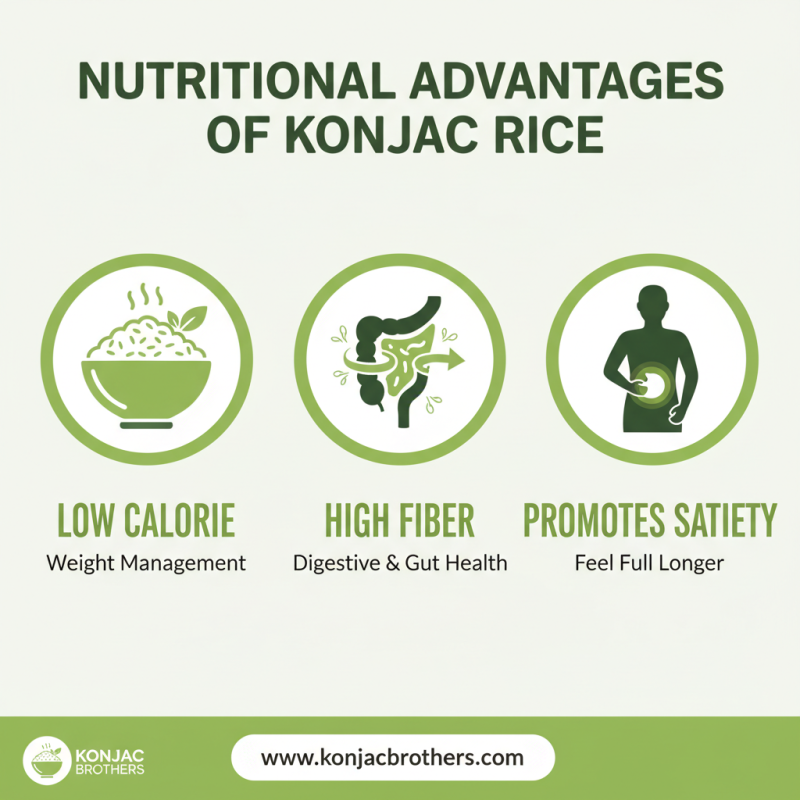
Konjac Flour Rice offers a unique nutritional profile. Made from the konjac plant, it is low in calories and high in fiber. This composition helps promote satiety, making it a favored choice for those looking to manage their weight. The fiber content can also assist in digestion, contributing to gut health. Many people appreciate how Konjac Rice provides a sense of fullness without adding excessive calories.
Some might wonder about the sources of Konjac Rice and its growing popularity. It is primarily sourced from East Asia, where the konjac plant thrives in warm climates. Farmers cultivate konjac for its starchy corm, which is then processed into flour and shaped into rice-like granules. Despite its benefits, the taste and texture can be quite different from traditional rice. This may require some adjustment for new consumers. Experimenting with various cooking techniques can enhance the overall experience with Konjac Rice.
Additionally, it’s essential to be mindful of sourcing methods. While there are many suppliers globally, finding reputable ones is crucial. Some may lack proper quality controls, impacting the final product. Relying on trusted networks or certifications can help ensure you receive a safe and nutritious product. Adjusting to new food has its challenges, but the potential health benefits of Konjac Rice make the journey worthwhile.
Culinary Uses and Recipe Ideas for Konjac Flour Rice
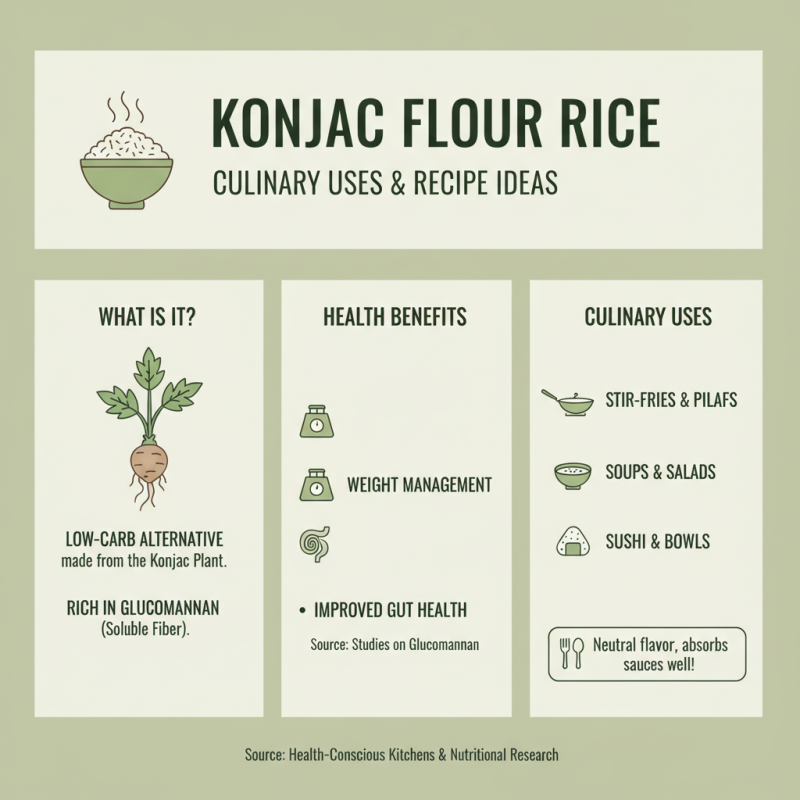
Konjac flour rice is a low-carb alternative gaining popularity in health-conscious kitchens. Made from the konjac plant, it is rich in glucomannan, a soluble fiber known for its health benefits. Research indicates that including glucomannan in your diet may aid in weight management and improve gut health.
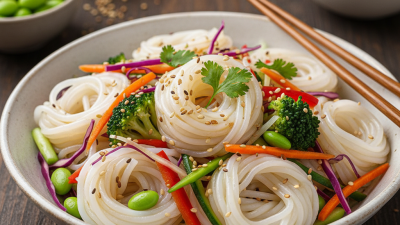
When using konjac flour rice, the culinary possibilities are vast. It can be stir-fried with vegetables and proteins to create delicious Konjac Fried Rice. The light texture of konjac rice allows it to absorb flavors well, making it a versatile base for various cuisines. Adding spices or sauces can turn a simple dish into a gourmet experience.
Tip: To enhance the flavor, rinse konjac rice thoroughly before cooking. This helps eliminate any residual smell from the konjac plant. Experimenting with different seasonings can bring out the best in each dish. While some might find the texture unusual initially, a little creativity in preparation can make it a family favorite. Remember, every new ingredient deserves a chance to shine with a thoughtful approach.
Global Sourcing Methods for Konjac Flour Rice
Global sourcing for Konjac Flour Rice presents unique challenges and opportunities. Understanding the supply chain is key. Start by researching regions known for high-quality konjac production, primarily in Asia. Many farmers cultivate konjac under traditional methods, emphasizing sustainability and quality. Directly connecting with producers can enhance reliability in sourcing.
Online platforms serve as useful tools. Utilize trade websites and global marketplaces focused on food ingredients. Always verify the authenticity of suppliers. Seek certifications that ensure the quality of konjac flour. Engaging with industry experts can provide valuable insights. Networking at food fairs or agricultural expos may uncover reputable sources.
However, challenges may arise. Differences in processing methods and quality standards exist across regions. It is essential to maintain open communication with suppliers. Regular quality checks are necessary to ensure that the konjac flour meets desired specifications. Consider the environmental impact of sourcing decisions. Sustainable practices should align with business values for long-term benefits.
Global Sourcing of Konjac Flour Rice by Region
Important Considerations When Purchasing Konjac Flour Rice
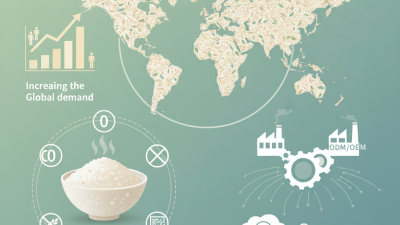
When considering the purchase of Konjac Flour Rice, it’s essential to evaluate several key factors. The global market for Konjac products, including Konjac Yam Flour, is projected to grow significantly, reaching USD 190 million by 2025 (source: Grand View Research). This growth highlights the increasing demand for plant-based alternatives.
Quality is crucial when sourcing Konjac Flour Rice. Make sure to check for certifications like ISO or organic labels. These certifications can provide insight into production methods. The quality of the flour can vary widely. Some suppliers may not meet expectations, leading to inconsistent results in cooked dishes.
Another consideration is the sourcing location. Asian countries are the primary producers of Konjac, with Japan and China leading the market. Communication with suppliers should be clear. Understand their production processes and sourcing methods. A lack of transparency can be a red flag. Furthermore, be aware of the increasing number of counterfeit products. Authentic Konjac Yam Flour should not be confused with lower-quality substitutes. This can impact both flavor and health benefits.
What is Konjac Flour Rice and How to Source It Globally? - Important Considerations When Purchasing Konjac Flour Rice
| Region |
Quality Indicators |
Average Price (USD per kg) |
Sourcing Tips |
Common Uses |
| Asia |
Low moisture, pure konjac content |
8.00 |
Verify supplier certifications |
Noodles, dietary supplements |
| Europe |
Organic certification, gluten-free |
10.50 |
Check for EU regulations compliance |
Baking, thickening agents |
| North America |
Non-GMO, high fiber content |
9.00 |
Seek reviews and testimonials |
Health foods, gluten alternatives |
| Australia |
Freshness, low additives |
11.00 |
Contact local suppliers directly |
Soups, gravies |
| South America |
Standardized particle size |
7.50 |
Explore import regulations |
Smoothies, weight management |
Key Global Suppliers and Markets for Konjac Flour Rice
Konjac flour rice is gaining popularity as a low-calorie rice alternative. Sourcing this product globally can be a complex task due to varying supply chains. Asia, particularly Japan and China, is home to key suppliers. These countries have cultivated konjac for centuries. Their expertise in processing ensures high-quality products. However, understanding the market dynamics can be challenging for newcomers.
In Europe and North America, demand for konjac flour rice is rising. Health-conscious consumers are keen to try it. Local suppliers may have limited stock, requiring imports from Asia. It’s important to verify suppliers' reputations. Conducting thorough research is crucial. Many suppliers may not meet international quality standards, leading to potential risks.
Trade shows and food expos can help identify reliable sources. Engaging with industry networks can provide insights. Online marketplaces also offer various suppliers. However, buyers must scrutinize reviews and ratings carefully. Not all listed suppliers are trustworthy. Ongoing quality checks are necessary to maintain product integrity. Emphasizing transparency in sourcing relationships enhances reliability.
Future Trends in the Konjac Flour Rice Industry
The konjac flour rice industry is on the brink of growth. This unique product, derived from the konjac plant, has gained popularity due to its low-calorie content. It caters to health-conscious consumers, especially those following low-carb diets. However, the industry is still in its formative stages. Challenges exist in scaling production while maintaining quality.
Sourcing konjac flour rice can be tricky. Many suppliers may not adhere to stringent quality standards. Global sourcing requires careful vetting of producers. Suppliers often operate locally, which can create inconsistencies. Thus, there is a need for improved supply chain transparency. Being aware of certifications and quality tests offered can aid sourcing decisions.
Future trends suggest a rise in innovative applications. As consumer awareness grows, new flavors and formulations may emerge. Research into the nutritional benefits of konjac flour rice is ongoing. Yet, uncertainties in market demand can lead to fluctuations. Companies must remain adaptable to these changes while prioritizing sustainability.
FAQS
: Understanding the supply chain is key to sourcing konjac flour rice effectively.
Focus on regions in Asia, particularly Japan and China, for quality konjac production.
Direct connections enhance reliability and ensure sustainable sourcing practices.
Utilize online trade websites and global marketplaces focused on food ingredients.
Always seek certifications that ensure the quality of the konjac flour.
Check for quality certifications like ISO or organic labels; quality can vary widely.
Clear communication helps understand production processes and prevents misunderstandings.
Counterfeit products can harm flavor and health benefits, confusing consumers.
Attend trade shows, network at expos, and scrutinize supplier reviews carefully.
Variations in processing methods and quality standards can complicate sourcing decisions.
Conclusion
Konjac Flour Rice is an innovative food product derived from the konjac plant, celebrated for its unique texture and low-calorie profile. This gluten-free rice alternative is rich in dietary fiber, particularly glucomannan, which contributes to various health benefits such as improved digestion and weight management. With its versatile culinary applications, Konjac Flour Rice can be used in various recipes ranging from stir-fries to salads, making it an attractive option for those seeking healthier meal alternatives.
When sourcing Konjac Flour Rice globally, it is essential to consider factors such as quality, sustainability, and supplier reliability. Key markets for this product include regions where konjac cultivation flourishes, ensuring a steady supply. As consumer demand for low-carb and gluten-free options continues to rise, the Konjac Flour Rice industry is poised for growth, with new trends emerging in product innovation and market expansion.

 86+09153618258
 Contact Email