Lately, plant-based diets have really been gaining popularity, haven't they? One thing that's been catching people's attention is Konjac Flour Rice. Made from the konjac plant, this stuff is pretty interesting—health buffs and foodies alike seem to be curious about it. Dr. Emily Chen, a nutrition specialist at Health Innovations, even says, “Konjac Flour Rice gives you a fun, low-carb way to enjoy your meals.” Her comments really highlight how more folks are starting to recognize the benefits of this ingredient.
Now, the texture of konjac rice is pretty different from your usual white rice. It's super low in calories but packed with fiber, making it a popular choice for folks trying to watch their weight. I mean, let's be honest—lots of us struggle to stick to traditional diets, especially when we’re craving flavor and that satisfying feeling from eating. This stuff can be a game-changer since you can mix it into all sorts of dishes. But, fair warning—it does take a bit of practice to get it just right in terms of taste and texture. That part can be a little tricky, especially if you're new to it.
Of course, not everyone’s totally sold on konjac products. Some people just don’t love how it tastes or feels in their mouth. And yeah, it can take a while to get used to. Wellness journeys aren’t always smooth sailing, and Konjac Flour Rice might not be everyone's cup of tea. Still, its potential is pretty big, which keeps health experts exploring and chatting about it. Who knows? Maybe it’ll become a staple for more people down the road.

What is Konjac Flour Rice?
Konjac flour rice, often called Konjac Rice, is a
low-calorie alternative to traditional rice. It is made from the glucomannan fiber found in the konjac plant. This unique ingredient is known for its
health benefits, particularly in weight management. Studies show that glucomannan can absorb water and expand in your stomach, leading to a feeling of
fullness. This quality can help control appetite and reduce overall calorie intake.
For those looking to integrate Konjac Rice into their diet, it is a versatile ingredient. It cooks quickly and can easily absorb flavors from sauces and
spices. Just be mindful that its texture may differ from regular rice, which could require some adjustment. Many people find it surprisingly satisfying, while some may miss the familiar grainy feel.
Tips: Start by mixing Konjac Rice with your favorite dishes. This can help adjust your taste buds. Aim for balance; pair it with high-protein sources to make
your meal more filling. Keep in mind that while Konjac Rice offers health benefits, it may not provide the same texture as traditional rice, so experimenting is key.
Nutritional Profile of Konjac Flour Rice
Konjac flour rice is made from the root of the konjac plant. It has gained popularity due to its unique nutritional benefits. Typically low in calories, a 100g serving contains only around 10 calories. This makes it an ideal choice for those looking to maintain or lose weight.
The nutritional profile of konjac flour rice is intriguing. It is high in glucomannan, a soluble fiber known for promoting a feeling of fullness. Studies suggest that glucomannan can help with weight control, cholesterol management, and improved gut health. Consuming konjac flour rice may support digestive health by acting as a prebiotic.
Tips: To maximize the benefits, combine
Konjac Fried Rice
with vegetables or lean protein. This adds essential nutrients while keeping calories low. It’s also important to drink plenty of water, as fiber absorbs water in the digestive system. However, not everyone may tolerate konjac flour well, leading to gastrointestinal discomfort in some individuals. Always start with small portions and reflect on how your body reacts.
Health Benefits of Konjac Flour: Weight Management
Konjac Flour rice is gaining popularity in healthy diets. This unique rice alternative offers a variety of health benefits, particularly for those focused on weight management. Made from the konjac plant, this flour is high in glucomannan, a soluble fiber that can promote feelings of fullness.
One of the primary advantages of konjac flour is its low caloric content. It contains fewer calories than traditional rice, making it a smart choice for anyone looking to lose weight. People often find it helps them reduce overall calorie intake. However, it's important to combine konjac flour with a balanced diet to be truly effective. You might experience slight digestive discomfort at first, which can be a sign of your body adjusting.
Tip: Start by adding konjac flour rice into one meal a day for better adaptation. Gradually increase as your digestive system adjusts. Be careful not to overload on fiber too quickly; that can lead to bloating.
Using konjac flour can be effective but requires mindful eating habits. Portion control remains crucial, even with a low-calorie option. Instead of seeing konjac flour as a magic solution, view it as part of a broader strategy for weight management.
Glycemic Index and Blood Sugar Control
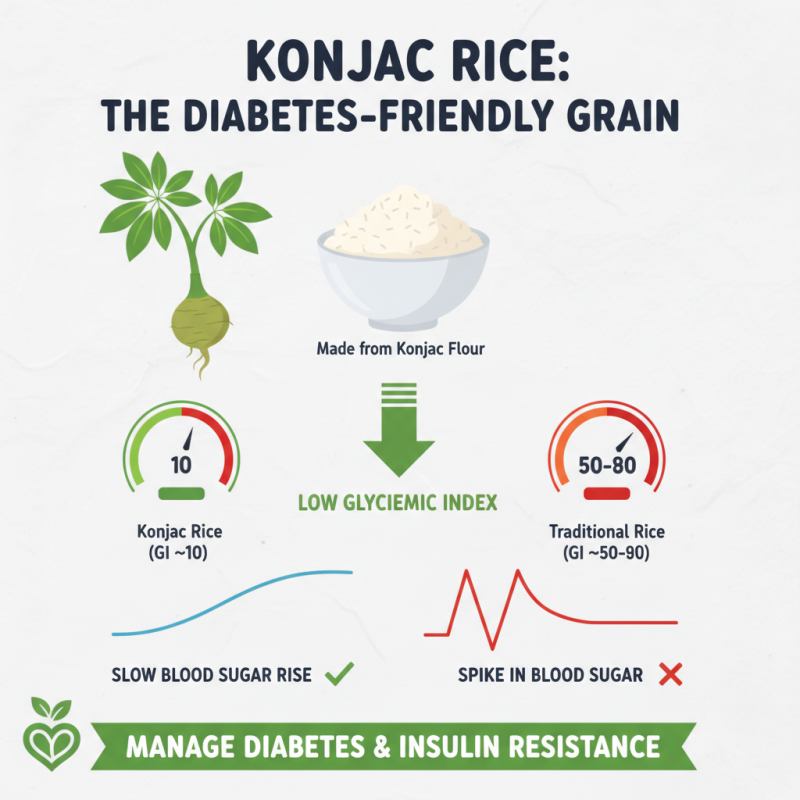
Konjac flour rice, made from the konjac plant, is gaining attention for its health benefits. One of its key advantages is its low glycemic index (GI). Studies show that konjac rice has a GI of around 10, which is significantly lower than traditional rice that can range from 50 to 90. This low GI means that konjac rice causes a slower rise in blood sugar levels. For those managing diabetes or insulin resistance, this can be a game-changer.
Research indicates that consuming foods with a low GI helps regulate blood sugar. A report from the American Diabetes Association highlights that low-GI diets can improve glycemic control and reduce the risk of complications. For instance, participants who included konjac rice in their meals experienced better glucose levels compared to those who consumed regular rice. However, konjac rice is not a complete substitute. Some may miss the texture and fullness of traditional grains, which can lead to feelings of hunger soon after eating.
Incorporating konjac rice into a balanced diet can support blood sugar control while inviting challenges. Not everyone enjoys its unique texture, and some may struggle to find recipes that fit. Experimentation is encouraged to discover how to make this healthier alternative enjoyable.
Digestive Health: Impact of Konjac Flour Rice
Konjac flour rice, made from the konjac plant, has gained popularity for its low-calorie content. It is rich in glucomannan, a soluble dietary fiber. This fiber has a unique ability to absorb water, expanding in the stomach. This can result in a feeling of fullness, which may help with weight management. However, the texture may not be pleasing to everyone. Getting used to it requires some patience.
When it comes to digestive health, konjac flour rice has notable benefits. It can promote regular bowel movements, aiding in preventing constipation. This soluble fiber can also support beneficial gut bacteria. A well-balanced gut microbiome plays a crucial role in overall health. However, consuming too much konjac at once may lead to bloating or discomfort. It's essential to introduce it into your diet gradually.
Some people may find konjac flour rice to be a handy substitute. It can help create a low-carb meal that feels satisfying. However, relying solely on it may not provide all the nutrients your body needs. Balance is important in diet, and variety should not be overlooked. Listening to your body’s reactions can enhance your experience with this unique food.
How to Incorporate Konjac Flour Rice into Your Diet
Konjac flour rice is a low-calorie alternative to traditional rice. It is made from the konjac plant, rich in glucomannan, a fiber that promotes fullness. Incorporating konjac flour rice into meals can be handy for those seeking weight management. Here are some ways to get started.
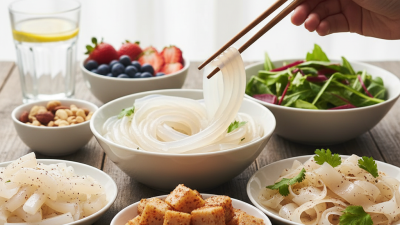
You can easily add konjac flour rice to stir-fries or soups. It absorbs flavors well, enhancing the overall taste of your dish. When purchasing, check the texture. Some might find it too chewy or gelatinous at first. A simple rinse can improve its mouthfeel.
Tips: Pair it with colorful veggies for a well-rounded meal. Experiment with spices to enhance flavor. If using it for the first time, start with smaller portions. This allows for adjustment to its unique texture.
Another approach is to mix konjac flour rice with other grains. This can create interesting textures in your meals. You might need to play around with cooking times. It can be an adventurous addition to your meals, but don’t expect perfection right away.
Potential Side Effects and Considerations for Consumption
When it comes to Konjac Flour Rice, understanding potential side effects is crucial. While it offers dietary fiber and low calories, some may experience digestive issues. Bloating or gas can occur, particularly with excessive consumption. Individuals with a sensitive stomach should approach it with caution.
Always introduce Konjac Yam Flour gradually into your diet. This allows your body to adjust without major discomfort. Staying hydrated is essential when consuming high-fiber foods. Drink plenty of water!
Another tip is to pair Konjac Flour Rice with other ingredients. This can enhance the meal’s nutritional profile. Try adding vegetables or lean protein. However, be mindful of portion sizes. Overindulgence can counteract its health benefits. Regular moderation is key.
Exploring the Benefits and Uses of HALAL Certified 90g Konjac Noodles in Modern Cuisine
HALAL certified 90g Konjac noodles are gaining popularity in modern cuisine due to their multitude of health benefits and versatile uses. These noodles are made from konjac flour, which is naturally low in calories and carbohydrates. With the growing trend towards healthier eating, especially among those following low-carb or ketogenic diets, these noodles provide a fantastic alternative to traditional pasta. Their remarkable ability to absorb flavors makes them an ideal addition to a variety of dishes, from stir-fries to soups, enhancing both texture and taste without adding unwanted calories.
Beyond their dietary advantages, HALAL certified konjac noodles also cater to diverse dietary restrictions. Being gluten-free and high in fiber, they offer a suitable option for those with gluten intolerance or those simply seeking to increase their fiber intake. Additionally, their convenience as instant food—available in easy-to-prepare cups—suits the fast-paced lifestyle of modern consumers. With a shelf life of 12 months, these noodles are not only practical but also a smart choice for those looking to stock up on healthy pantry staples. They represent an innovative fusion of health, convenience, and culinary versatility, making them an essential ingredient in contemporary kitchens.
FAQS
: There are various activities, including workshops, group discussions, and team-building exercises. Each is designed to enhance skills.
Yes, beginners are welcome. Activities cater to all skill levels and encourage everyone to learn at their own pace.
Most activities last between one to three hours. Some may extend depending on the topic and participants' engagement.
There is no strict age limit. However, some activities may be more suitable for older teens and adults.
Participants may need to bring personal items like notebooks, pens, or any specific materials mentioned in the activity description.
Meals are not typically provided. Participants should plan to bring their own snacks or lunches, especially for longer sessions.
Yes, you can participate. However, it's advisable to bring your own food if you have specific dietary needs.
You should notify the organizers as soon as possible. Refunds may not be guaranteed, depending on the cancellation policy.
Feedback is encouraged! Participants can share thoughts through surveys or direct communication with organizers.
Yes, networking is encouraged. Participants will have time to meet each other and exchange ideas throughout the program.
Conclusion
Konjac Flour Rice is a low-calorie alternative to traditional rice, made from the konjac plant's flour, which is rich in glucomannan, a soluble fiber. Its impressive nutritional profile includes minimal carbohydrates and calories, making it an ideal choice for those seeking to manage their weight. One of the significant health benefits of Konjac Flour Rice is its low glycemic index, which helps control blood sugar levels, making it especially beneficial for individuals with diabetes.
Additionally, the high fiber content in Konjac Flour Rice promotes digestive health by improving bowel regularity and preventing constipation. To incorporate this versatile rice into your diet, it can be used in various dishes, ranging from stir-fries to soups. However, it’s essential to consider potential side effects such as digestive discomfort if consumed in excess, so moderation is key when enjoying Konjac Flour Rice.

 86+09153618258
 Contact Email