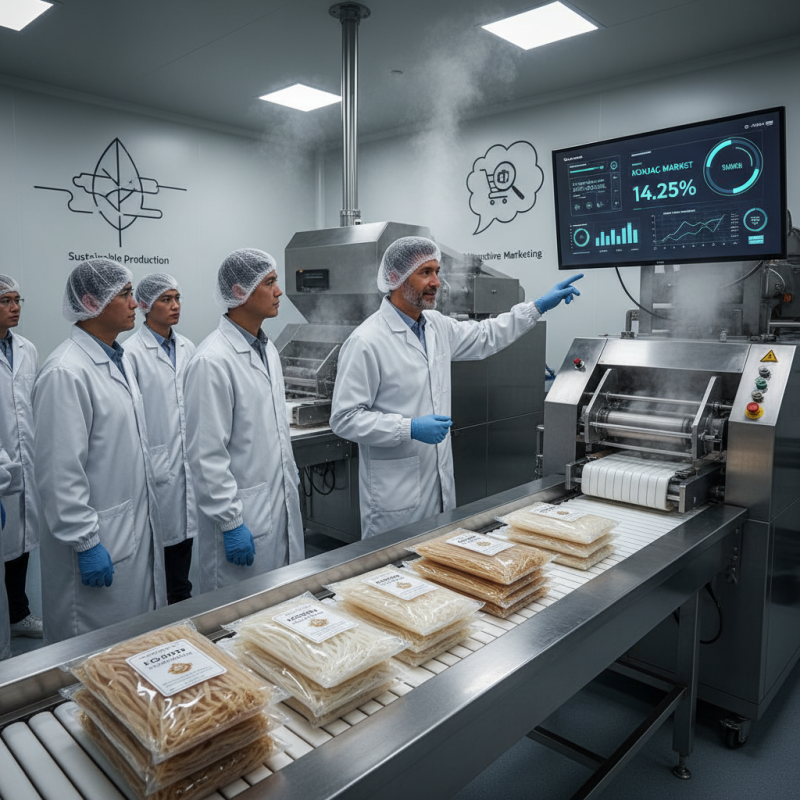
You know, it’s pretty interesting how konjac noodles have really started to gain popularity these days. More folks are looking for healthier options, and that’s definitely reflected in the food scene. There’s even a report from Research and Markets that says the global konjac market is set to grow pretty fast — like a 14.25% compound annual growth rate from 2020 to 2025. That’s actually a big opportunity for manufacturers, especially those doing OEM or ODM work, to really get creative and tap into this trend.
I was chatting with Dr. Jonathan Lee, who’s quite the expert on alternative foods, and he mentioned that innovation is what’s really going to drive the future of konjac noodles. His words? “The future of konjac noodles depends on sustainable production and smart marketing.” It’s pretty clear that brands need to rethink their strategies and stay aligned with what consumers want now.
Of course, it’s not all smooth sailing. One of the big challenges is educating people about the health benefits — not everyone knows why they should choose konjac noodles over regular pasta. Plus, the market’s pretty crowded, with a lot of companies trying to stand out. So, brands really need to find their unique angle if they want to make a real splash. The future looks promising, but taking a good hard look at what we’re doing now is key to staying successful in this space.
What is OEM and ODM in the Konjac Noodle Industry?
In the Konjac noodle industry, OEM and ODM play crucial roles. OEM stands for Original Equipment Manufacturer. ODM means Original Design Manufacturer. Both concepts highlight manufacturing partnerships. These collaborations are not just about production; they encompass design and branding too.
Many companies are leveraging these models. A recent report showed that the global konjac market is projected to reach $1 billion by 2026. As health consciousness rises, consumers seek low-calorie options. Konjac Oat Noodles are a favorite for many. They fit well in various diets. This trend creates opportunities for OEM and ODM relationships.
However, challenges exist. Quality control is vital. Without careful oversight, products can vary in texture and flavor. It is essential for manufacturers to engage closely with their partners to maintain standards. Not all manufacturers understand market needs. Some might fail to innovate, leading to stagnant products. This reality highlights the need for ongoing discussion and improvement in the Konjac noodle sector.
The Role of OEM in Konjac Noodles Manufacturing Process
OEM, or Original Equipment Manufacturer, plays a crucial role in the production of Konjac noodles. This process allows manufacturers to create products tailored to specific market needs. By outsourcing production, companies can focus on branding and marketing while trusting OEM partners with the manufacturing details.
In the Konjac noodles manufacturing process, OEM offers flexibility. Manufacturers can specify formulations, flavors, and packaging. This customization often enhances product appeal. However, there can be challenges. Quality control becomes essential. If the OEM partner does not meet standards, it can impact the final product. This risk requires careful selection of partners.
Furthermore, communication is key. Clear instructions help ensure the desired outcome. Companies must be aware of cultural differences and language barriers. Such misalignments can lead to product inconsistencies. When producing items like Konjac Yam Noodles, attention to detail is critical. Even small oversights can affect consumer satisfaction and brand reputation.
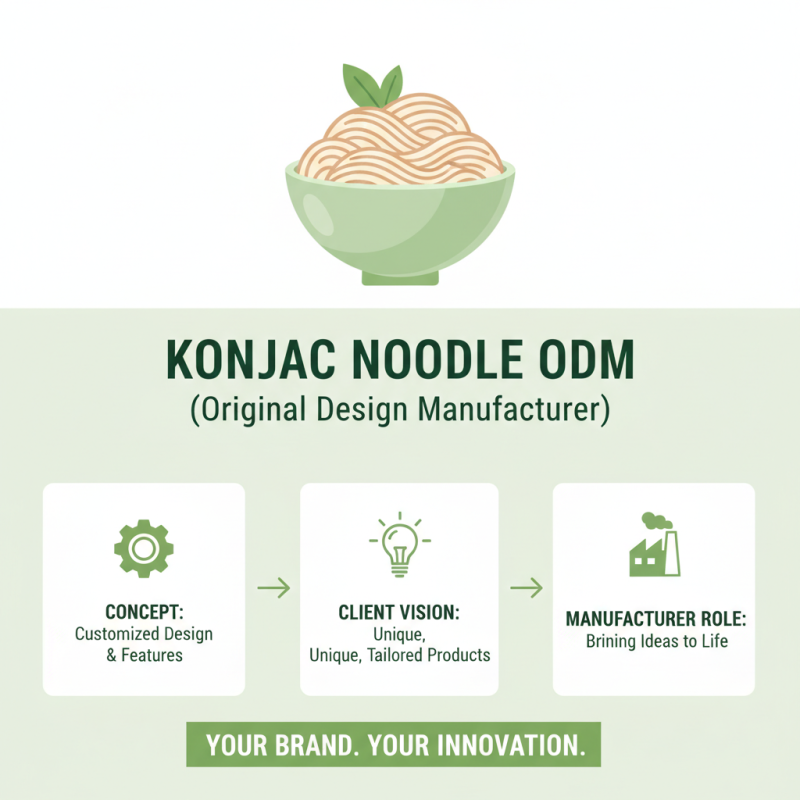
Understanding ODM: Customization and Design for Konjac Products
In the world of Konjac noodles, ODM stands for Original Design Manufacturer. This concept allows companies to customize the design and features of their products. Many customers want something unique and tailored to their brand. This is where ODM shines. Manufacturers focus on the client's vision for the Konjac product, bringing ideas to life.
Customization is key. It involves not just packaging but also texture and flavor adaptations. Some may struggle with choosing the right ingredients. Collaboration with an expert manufacturer can help refine ideas. This process can take time, but it's worth it. Patience is important when perfecting a product.
**Tip:** When working with ODM, keep communication clear. Share your brand's story and vision. This helps manufacturers align with your goals. **Tip:** Don't hesitate to ask for samples. They can reveal the quality and potential of your product. Remember, each decision shapes the final outcome. Reflect on choices and make adjustments as needed.
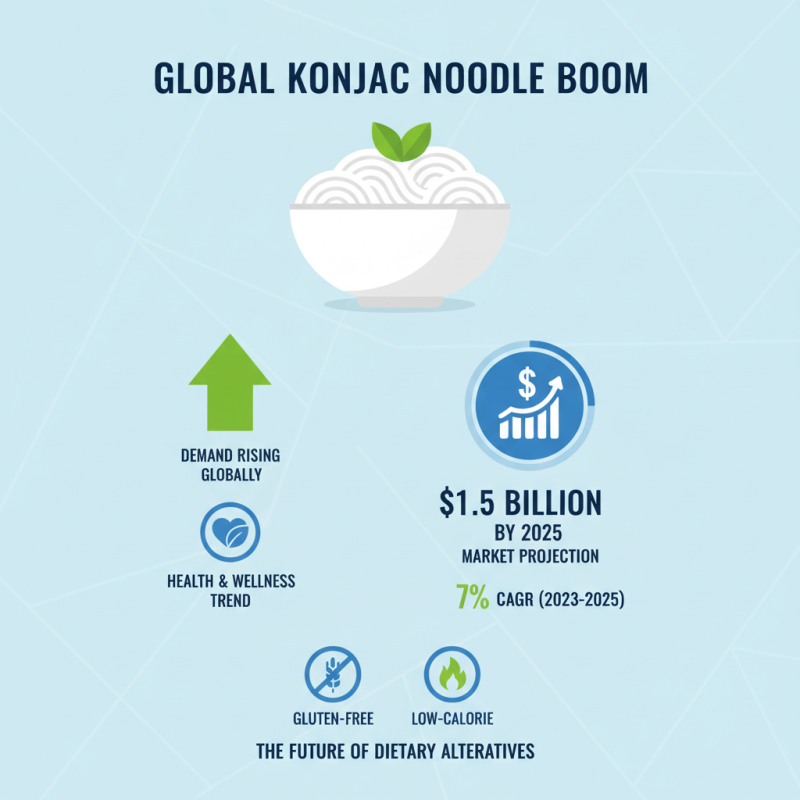
Market Demand for Konjac Noodles: Statistics and Trends
The demand for konjac noodles is rising globally, driven by growing interest in health and wellness. A recent market report revealed that the konjac noodle market is projected to reach $1.5 billion by 2025. This indicates a compound annual growth rate (CAGR) of around 7% from 2023. Such statistics highlight the trend toward low-calorie, gluten-free alternatives in diets.
However, the growing popularity also raises concerns. While konjac noodles are often marketed as a healthy option, not everyone tolerates konjac well. Some individuals may experience digestive issues, leading to complaints about **Konjac Noodles Bad** for their health. It is crucial for manufacturers to educate consumers about the possible side effects. Misleading marketing can result in disappointed customers.
As the market expands, competition intensifies. Manufacturers using OEM and ODM models must innovate. Developing better flavors and textures is essential. Reports suggest that consumers prefer noodles with more authentic tastes. Yet, achieving this while retaining health benefits is a challenging task. Balancing quality and affordability is vital for success in this evolving market.
Quality Control Mechanisms in OEM and ODM Manufacturing
OEM and ODM are crucial in the production of Konjac Noodles. These concepts, standing for Original Equipment Manufacturer and Original Design Manufacturer, play vital roles in ensuring quality. Both methods rely on stringent quality control mechanisms to maintain product integrity.
In OEM, manufacturers create noodles based on existing designs. They follow specific guidelines provided by the brand. This control ensures consistency in texture and flavor. However, some manufacturers may cut corners. This can lead to variations in product quality. It's critical to monitor all stages of production. Regular audits can help identify and eliminate inconsistencies.
Contrarily, ODM involves creating unique noodle recipes. This allows for more creativity but raises quality concerns. Different manufacturers may have varying standards. It is essential to establish clear quality benchmarks. It's easy to overlook details when rushing production schedules. Regular sampling and testing of the final product can mitigate risks. Achieving the perfect balance in quality control improves the overall consumer experience with Konjac Knot Noodles.
Quality Control Mechanisms in OEM and ODM Konjac Noodles Manufacturing
This chart illustrates the different quality control mechanisms implemented by OEM and ODM manufacturers in the production of Konjac noodles. The comparison highlights the emphasis on various quality aspects in the manufacturing process.
Cost Implications of OEM vs. ODM in Konjac Noodle Production
In the world of Konjac noodle production, OEM (Original Equipment Manufacturer) and ODM (Original Design Manufacturer) offer unique pathways for companies. Cost implications often dictate the choice between them. OEM focuses on manufacturing based on existing designs, while ODM provides both design and production. This difference greatly affects production costs and timelines.
When opting for OEM, companies can save on design costs. They simply need to find a manufacturer that meets quality standards. However, this approach limits creativity. The products may not stand out in a competitive market. Companies using OEM may find themselves in a crowded space.
In contrast, ODM allows for tailored solutions. However, the initial setup costs are usually higher. There’s an investment in design and branding that may not pay off immediately. This choice can make or break a business strategy. Assessing the market and potential return on investment is crucial.
Tips: Consider starting small with an OEM approach. Test the market before investing in ODM. Additionally, always ask for samples to ensure quality. An informed decision can significantly impact your financial outcome.
Key Players in the Konjac Noodle Supply Chain and Their Roles
In the Konjac noodle supply chain, several key players ensure everything runs smoothly. Manufacturers are at the heart, creating the noodles from konjac yam. They focus on quality and consistency. Some struggle with sourcing raw materials. This can lead to fluctuations in production and delays.
Distributors play a vital role, connecting manufacturers with retailers. They manage logistics and inventory, ensuring fresh products reach the market. However, not all distributors maintain effective communication with producers. This can create misunderstandings about product availability and lead times. Retailers also have their challenges, as they must keep consumer preferences in mind.
Consumers are the final players in this chain. Their feedback shapes product offerings. Manufacturers need to stay attuned to trends. However, many overlook vital insights from consumer reviews. This gap may hinder the development of innovative flavors or packaging. Each player must recognize their role to strengthen the supply chain.
What is OEM ODM in Konjac Noodles Manufacturers? - Key Players in the Konjac Noodle Supply Chain and Their Roles
| Player Role |
Description |
Key Activities |
| Raw Material Suppliers |
Provide high-quality konjac flour and other necessary ingredients for noodle production. |
Sourcing, quality control, and logistics of raw materials. |
| Manufacturers |
Convert raw materials into konjac noodles using various processing methods. |
Production, quality assurance, packaging, and labeling. |
| OEM Partners |
Produce noodles on behalf of brands, customizing based on specifications. |
Customization, manufacturing, and supply management. |
| ODM Partners |
Provide design and development of konjac noodle products for brands. |
Research and development, product engineering, and marketing strategy. |
| Distributors |
Handle the distribution of finished products from manufacturers to retailers. |
Logistics, warehousing, and retail partnerships. |
| Retailers |
Sell konjac noodles directly to consumers through various channels. |
Sales strategy, customer service, and inventory management. |
Deliciously Healthy: Exploring the Benefits of Konjac Brothers Konjac Noodles for a Guilt-Free Meal
Konjac noodles have gained popularity as a deliciously healthy alternative for those seeking guilt-free meal options. Rich in dietary fiber and low in calories, these noodles are perfect for anyone looking to maintain a balanced diet without sacrificing flavor. The unique konjac plant, known for its glucomannan, provides a satisfying base that can absorb various flavors, making every meal an enjoyable experience.
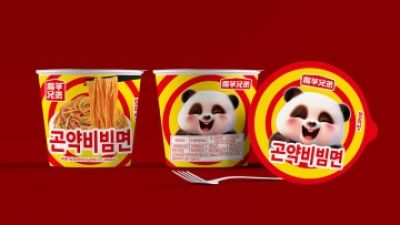
Among the varieties available, spicy flavor, hot chicken flavor, and sesame paste flavor stand out for their enticing taste profiles. Each cup of konjac noodles is conveniently packaged for instant meals, perfect for busy lifestyles while ensuring that health is not compromised. With a shelf life of 12 months, they are a practical choice for stocking up your pantry. Whether you're looking for a quick lunch or a satisfying dinner, konjac noodles bring a delightful twist to your culinary routine. Their versatility allows you to pair them with your favorite sauces, veggies, or proteins, creating a nourishing dish that leaves you feeling full without the guilt.
FAQS
: Poor diet can lead to fatigue. Lack of sleep affects energy levels. Stress accumulates and drains you.
Stick to a sleep schedule. Create a calming bedtime routine. Limit screen time before bed; it can be hard to resist.
Staying hydrated supports body functions. Dehydration can cause fatigue and confusion. Water is vital for your overall health.
Regular exercise boosts mood and energy. It improves sleep and strengthens muscles. Finding motivation can be a tough challenge.
A balanced diet fuels your body. Essential vitamins and minerals are crucial. Making healthy food choices is not always easy.
Stress can contribute to headaches and digestive issues. It may lead to severe long-term health problems. Learning to manage stress is essential.
Conclusion
The article "What is OEM ODM in Konjac Noodles Manufacturers?" explores the concepts of Original Equipment Manufacturer (OEM) and Original Design Manufacturer (ODM) within the context of the konjac noodle industry. It outlines the manufacturing processes and highlights the distinct roles of OEM in producing standard konjac noodles, while ODM focuses on customization and design, catering to unique consumer preferences.
Additionally, the article discusses market trends and statistics indicating the growing demand for konjac noodles, emphasizing the importance of quality control in both OEM and ODM approaches. Furthermore, it delves into the cost implications associated with each manufacturing model and identifies key players in the konjac noodle supply chain. Overall, understanding these dynamics is crucial for manufacturers aiming to succeed in the competitive konjac noodle market.
 86+09153618258
 Contact Email