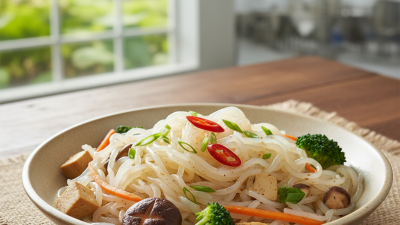
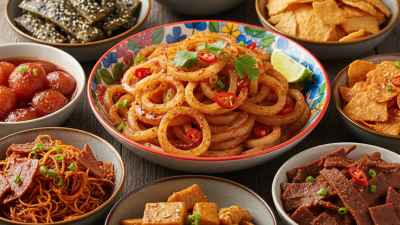
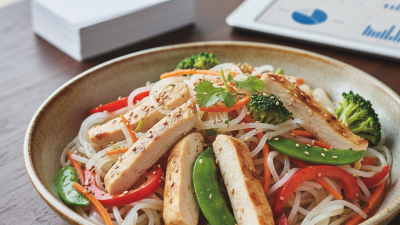
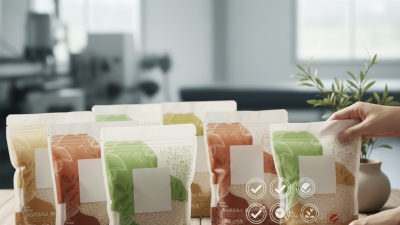
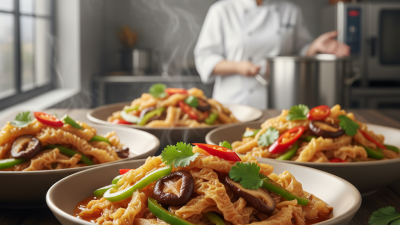
Lately, there's been a real uptick in folks looking for healthier food options. More people are trying to find alternatives that fit their dietary needs, you know? One product that's really been catching on is Low-Calorie Konjac Noodles. They're not just low in calories — they also have a pretty unique texture and can be used in all sorts of dishes, making them quite versatile.
If you're thinking about selling these noodles, going the OEM wholesale route could actually be a smart move for your business. Partnering up with a reliable manufacturer means you'll get top-notch quality and consistency, which is super important. Plus, offering something health-focused like this could boost your brand’s reputation and attract more health-conscious customers. Sure, the market’s pretty crowded, but adding these noodles to your lineup might be just what sets you apart from the competition.
Of course, don’t forget to pay close attention to where your ingredients come from and how they're sourced. Not all suppliers are created equal, and you want to make sure your OEM partner shares your standards and values. Doing your homework here is key — it helps build a trustworthy brand in the health food scene and keeps your customers happy and coming back.
The Rise of Low-Calorie Diet Trends in Food Industry
The food industry has witnessed a significant trend towards low-calorie diets. Health-conscious consumers are seeking alternatives to traditional high-calorie pasta. As a result, low-calorie noodles made from konjac are gaining popularity. These noodles are low in calories and high in fiber. This aligns perfectly with the rising demand for healthier food options.
Many people are looking for products that support weight management. Konjac noodles provide a solution that many find appealing. Their unique texture and ability to absorb flavors make them versatile. They can be incorporated into various dishes. This flexibility can boost a business's product line. However, it's essential to educate consumers about the origin and preparation of these noodles. Awareness can encourage proper usage and enjoyment.
While konjac noodles seem like a perfect solution, challenges exist. Some consumers may find the texture unusual. Others might be unaware of how to prepare them well. These aspects need addressing to enhance customer satisfaction. Businesses should consider workshops or online content to break down barriers. Creating an informed customer base can lead to increased sales and loyalty, making low-calorie noodles konjac a worthy investment.
Low-Calorie Diet Trends in the Food Industry
This chart illustrates the increasing demand for low-calorie konjac noodles over the years, highlighting the growing trend of low-calorie diets in the food industry. The data demonstrates a significant rise in consumer interest and market potential, making OEM wholesale low-calorie konjac noodles a valuable addition for businesses catering to health-conscious consumers.
Understanding Konjac Noodles and Their Health Benefits
Konjac noodles are becoming popular in health-conscious communities. These noodles are made from the konjac plant, which is rich in glucomannan, a soluble fiber. This fiber absorbs water and expands in the stomach, helping to promote a feeling of fullness. This can aid in weight management. They offer a low-calorie alternative to traditional pasta, making them appealing to those looking to reduce calorie intake.
The health benefits of konjac noodles go beyond weight loss. They support digestive health by improving gut function. Their high fiber content helps to regulate bowel movements. Additionally, konjac noodles have a low glycemic index. This means they do not cause significant spikes in blood sugar levels. This aspect makes them suitable for individuals with diabetes or those monitoring their blood sugar.
Despite these benefits, it's essential to consume konjac noodles in moderation. Some people may experience digestive discomfort if they eat excessive amounts. Always listen to your body and adjust your intake accordingly. While konjac noodles are a healthy choice, they should complement a balanced diet rich in other nutrient-dense foods. It's crucial to ensure a well-rounded approach for optimal health.
Advantages of Choosing OEM for Custom Konjac Noodle Production
Choosing OEM for custom konjac noodle production offers numerous advantages for businesses. It allows for tailored solutions that meet specific customer preferences. By leveraging OEM services, companies can access expert knowledge and experience in noodle manufacturing. This ensures a higher standard of quality and consistency in the final product.
One notable benefit of OEM is the flexibility in formulation. Businesses can create unique flavors, shapes, and packaging designs. This customization helps in standing out in a competitive market. Additionally, OEM manufacturers often have advanced technology and facilities. This can lead to improved production efficiency and reduced costs.
However, there can be challenges in the process. Communication between your team and the OEM provider is crucial. Misunderstandings may lead to unsatisfactory results. Businesses should invest time in building a strong relationship with their manufacturing partner. Regular feedback and monitoring can improve the outcome and ensure alignment with brand standards.
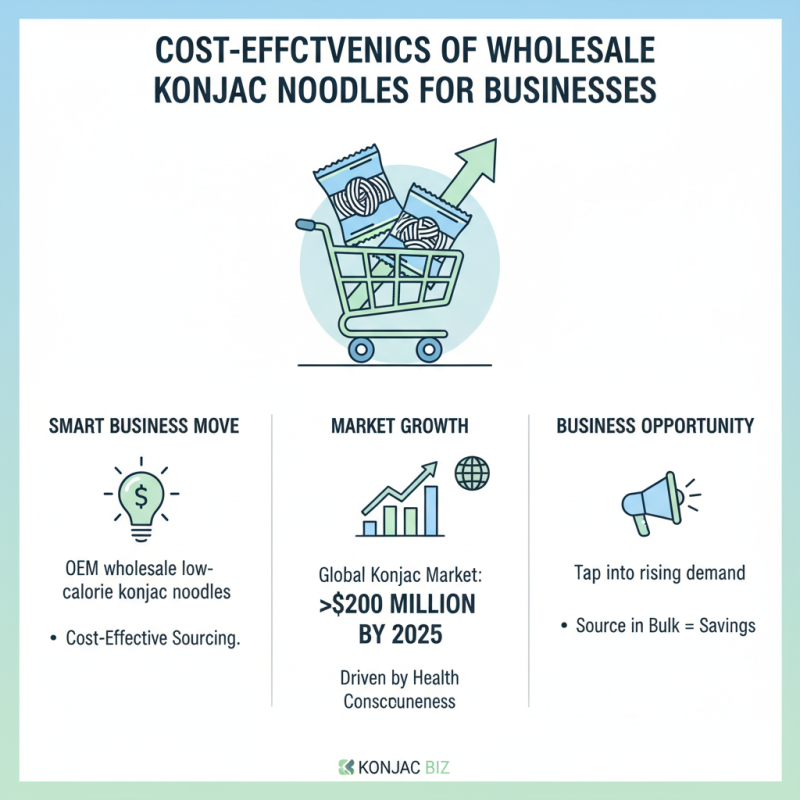
Cost-Effectiveness of Wholesale Konjac Noodles for Businesses
Choosing OEM wholesale low-calorie konjac noodles is a smart business decision, especially regarding cost-effectiveness. The global konjac market is projected to reach over $200 million by 2025, driven by the rising health consciousness among consumers. Businesses can tap into this trend by sourcing konjac noodles in bulk.
Wholesale konjac noodles offer significant savings. Purchasing in larger quantities often reduces the unit price, enabling businesses to maintain healthy profit margins. For instance, market reports indicate that wholesale prices can be up to 30% lower compared to retail. This can be a game-changer for restaurants and food manufacturers aiming to offer healthier menu options at competitive prices.
Moreover, konjac noodles have a long shelf life, reducing waste and inventory costs. They contain very few calories and are high in fiber, appealing to the health-focused demographic. It's crucial for businesses to stay updated on market trends and consumer preferences. Some businesses struggle to educate their staff about these benefits, leading to missed opportunities. Leveraging expert knowledge and consumer insights can enhance marketing strategies and boost sales.
Market Demand and Consumer Preferences for Low-Calorie Products
The demand for low-calorie products has seen a significant rise in recent years. Consumers are increasingly health-conscious and seek alternatives to traditional foods. This trend is especially evident in the noodle market. Many are turning to options like Konjac Angel Hair Low Calorie Fat, which provide a satisfying meal experience without the extra calories.
Market studies show that people prefer products with natural ingredients. Konjac noodles fit this description perfectly. Made from the konjac plant, they are gluten-free and low in carbohydrates. Their texture is similar to regular noodles, making them appealing to a broad audience. However, businesses must be aware that not all consumers are familiar with konjac noodles. Some may be hesitant due to the unfamiliar packaging or cooking methods.
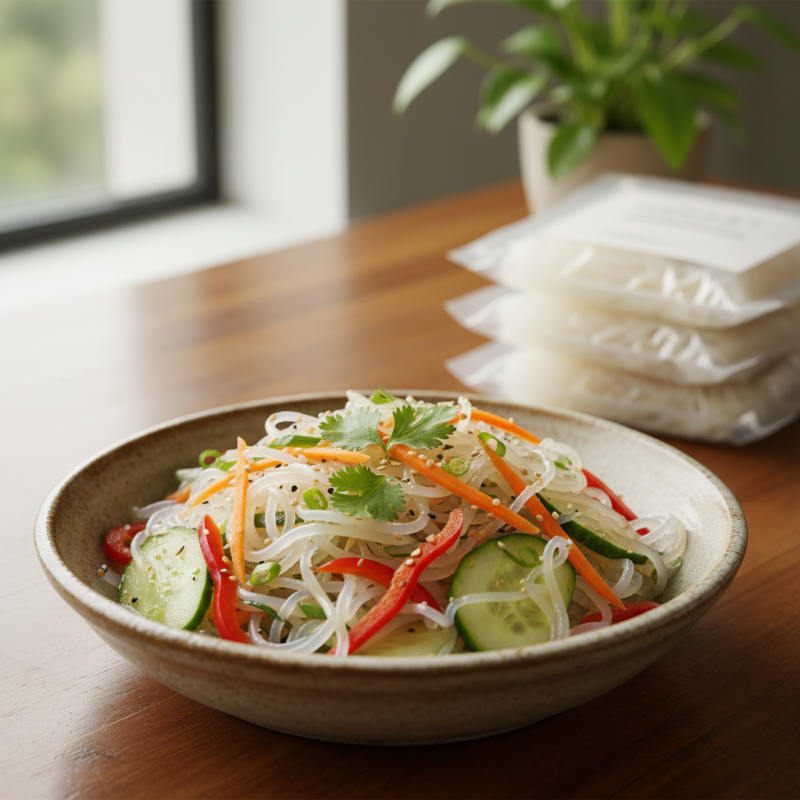
Educating consumers about the benefits of low-calorie products can help bridge this gap. Highlighting the versatility of Konjac Angel Hair Low Calorie Fat is key. They can be used in various dishes, from stir-fries to salads.
Nevertheless, businesses should reflect on the importance of clear marketing and comprehensive education for consumers. This can lead to increased interest and sales in the low-calorie segment of the market.
Strategies for Marketing OEM Konjac Noodles to Your Target Audience
Marketing OEM Konjac noodles requires a strategic approach. These low-calorie options appeal to health-conscious consumers. According to recent market research, the global demand for healthy pasta alternatives has surged by 20% annually. This trend is driven by the rise of plant-based diets. Highlighting the benefits of Konjac spaghetti can attract this target audience effectively.
Consider using data to reinforce your marketing message. For instance, studies show that Konjac noodles can reduce calorie intake by 40% compared to traditional pasta. This information resonates with individuals seeking weight management solutions. Creating informative content around this data can build trust. Visual marketing strategies, such as recipes or meal prep videos featuring Konjac Spaghetti Low Calorie Pasta Organic, can enhance consumer engagement.
Incorporating feedback loops is essential. Ask customers for their thoughts on the product. Use social media polls or reviews to gather insights. It’s crucial to adapt and refine product offerings based on consumer preferences. This adaptability can distinguish your brand in a competitive market. Emphasizing the unique selling points of Konjac noodles will facilitate deeper connections with your audience.
Potential Challenges in Sourcing and Selling Konjac Noodles
Sourcing and selling Konjac noodles, particularly Low Calorie Shirataki Noodles, can present several potential challenges. One significant issue is the quality consistency of the product. Reports show that there can be variations in texture and flavor between batches. This inconsistency can lead to customer dissatisfaction and brand damage.
Supply chain logistics is another concern. The sourcing of Konjac, the main ingredient, primarily relies on specific regions in Asia. According to industry data, disruptions in these areas can directly impact availability. Businesses must be prepared to adapt to sudden changes in supply, which can be both time-consuming and costly.
Moreover, consumer education is crucial. Many customers are unfamiliar with Low Calorie Shirataki Noodles and may have misconceptions. This can hinder sales, as customers may be hesitant to try a new product. Engaging marketing strategies that highlight the health benefits and versatility of these noodles can help address these gaps in knowledge. Understanding these challenges allows businesses to better navigate the market.
FAQS
: They are made from the konjac plant. This plant is high in glucomannan, a soluble fiber.
The glucomannan in konjac noodles absorbs water and expands in the stomach, promoting fullness.
Yes, they improve gut function and help regulate bowel movements due to their high fiber content.
Yes, their low glycemic index means they do not significantly spike blood sugar levels.
Yes, excessive consumption can lead to digestive discomfort. Moderation is essential.
They should complement a balanced diet, including other nutrient-dense foods for optimal health.
Health-conscious consumers seek alternatives to traditional foods, especially in the noodle market.
Yes, many prefer products made with natural ingredients, and konjac noodles meet this preference.
Some consumers may be unfamiliar with konjac noodles and hesitant due to packaging or cooking methods.
Educating consumers about the benefits and versatility of these products is crucial for growth.
Conclusion
The article explores the increasing popularity of low-calorie diet trends, highlighting the benefits of incorporating Low-Calorie Konjac Noodles into business offerings. These noodles, derived from the konjac plant, are praised for their health benefits, including weight management and low carbohydrate content. By opting for OEM (Original Equipment Manufacturer) wholesale production, businesses can customize their product offerings, which can lead to significant cost savings and higher consumer satisfaction.
Furthermore, the article discusses the growing market demand for low-calorie products and the importance of strategically marketing these noodles to attract health-conscious consumers. It also addresses potential challenges in sourcing and selling Low-Calorie Konjac Noodles, ensuring businesses are well-prepared to navigate the competitive landscape of the food industry. Overall, the integration of these noodles into a business's product line can be a strategic move to meet consumer preferences and capitalize on current diet trends.

 86+09153618258
 Contact Email