inquiry
Leave Your Message
0%

Lately, there’s been a real spike in demand for Konjac Flour Rice. Honestly, a lot of this comes down to folks being more health-conscious these days. If you look at the latest report from MarketsandMarkets, it projects the global konjac market hitting around USD 1.23 billion by 2025—pretty impressive, right? What’s catching people’s attention is how high in fiber and low in carbs this stuff is, making it a pretty appealing choice for those trying to eat healthier without sacrificing too much on taste.

That said, for businesses looking to jump into the game, sourcing good quality Konjac Flour Rice is super important. I mean, nobody wants a product that's subpar because of shoddy supply, and honestly, it can hurt your brand’s reputation pretty quickly. The key here is to scrutinize your suppliers carefully. Companies like Tereos and Nisshin OilliO get this—they know that maintaining high quality is essential for earning your customers’ trust.

But, it’s not all smooth sailing. Sourcing from different regions can be tricky because quality control varies a lot. Sometimes, you'll find suppliers who just can’t keep things consistent, and that can be a real headache. That’s why open, clear communication with your suppliers is so crucial—it helps ensure you’re getting what you expect and keeps your final product on point in a super competitive market.

How to Source High Quality Konjac Flour Rice for Your Business?

Understanding Konjac Flour Rice: Origins and Nutritional Benefits

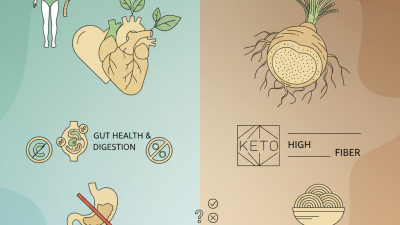
Konjac flour rice is gaining popularity due to its unique health benefits. Originating from the konjac plant, it is low in calories and rich in dietary fiber. A report from the International Journal of Food Sciences indicates that konjac flour contains about 70% fiber, primarily glucomannan. This soluble fiber promotes gut health and can aid in weight management.

When sourcing high-quality konjac flour rice, consider these tips. Look for suppliers that provide transparency in their sourcing and production processes. Quality konjac rice should have a smooth texture and a neutral taste. Be wary of products with additives or fillers, as they may compromise the nutritional value.

While konjac flour rice offers numerous health benefits, it is essential to reflect on potential drawbacks. Some individuals may experience digestive discomfort when consuming high-fiber products. It's advisable to introduce konjac slowly into the diet while monitoring the body's response. This practice ensures that customers enjoy the benefits without adverse effects, making it a smart choice for businesses aiming to meet health-conscious demands.

Identifying High-Quality Konjac Flour Rice: Key Characteristics to Look For

When sourcing high-quality konjac flour rice, it is crucial to focus on its key characteristics. Look for a pure product with a white to off-white color. High-quality konjac flour rice should have minimal particle size. A smooth texture ensures better cooking properties, enhancing its versatility for various culinary applications.

Testing the gelatinization temperature is essential. It should ideally fall between 60°C and 80°C. This range indicates optimal cooking performance, aligning with studies that report improved consumer satisfaction when these conditions are met. Moreover, consider the moisture content. A high-quality product typically contains less than 15% moisture. This level contributes to longer shelf life and better storage feasibility.

Additionally, you might want to check the glucomannan content. Studies suggest that superior konjac flour rice contains at least 70% glucomannan. This fiber is key for health benefits, including weight management and digestive support. Be cautious with suppliers. Transparency regarding these metrics is critical to ensure you are sourcing a reliable product.

Top Suppliers of Konjac Flour Rice: Where to Find the Best Options

How to Source High Quality Konjac Flour Rice for Your Business?

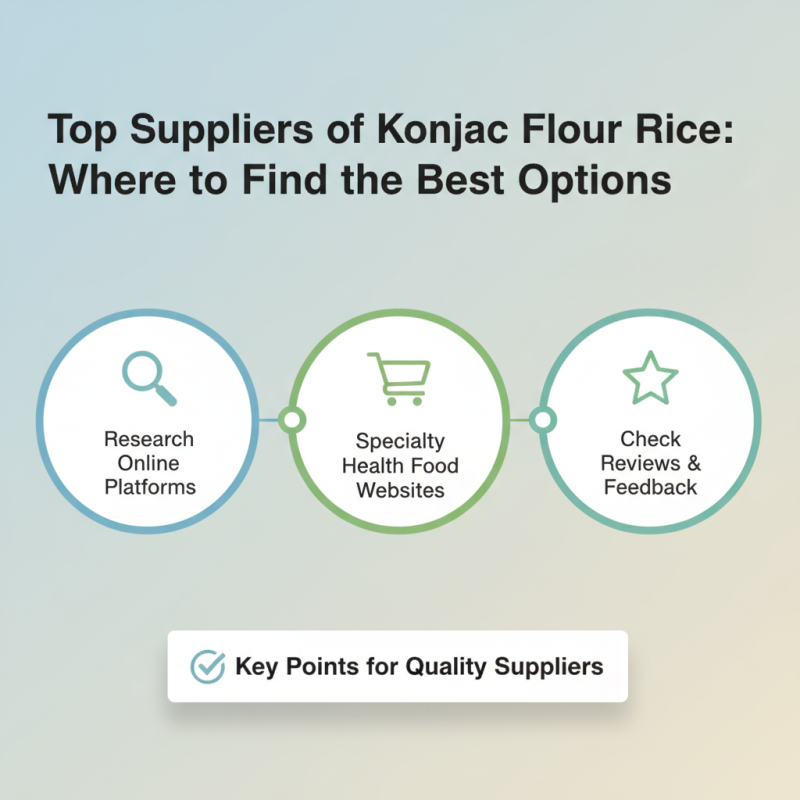
Finding the right suppliers for high-quality konjac flour rice can be challenging. Begin by researching online platforms that specialize in health food products. Websites that focus on organic or specialty ingredients often list reputable suppliers. Check the reviews and customer feedback to gauge satisfaction levels.

Trade shows are another excellent avenue for sourcing suppliers. Here, you can meet manufacturers face-to-face. This allows you to ask direct questions about their sourcing practices and quality control measures. Engaging with suppliers in person can provide insights that online research might miss.

Don't overlook the importance of certifications. A reliable supplier should provide information about product safety and quality standards. Certifications from recognized organizations can assure you of the product's integrity. However, be aware that not all suppliers may disclose their processes transparently. It’s important to follow up with your own inquiries. This helps establish a dependable relationship as you build your business around premium konjac flour rice.

Assessing Quality: Testing Methods for Konjac Flour Rice

Assessing the quality of konjac flour rice is crucial for any business looking to source it. One effective testing method is water absorption capacity. A report from the Journal of Food Engineering indicates that high-quality konjac flour exhibits superior absorption properties. This is key in applications where texture matters, such as in noodles or rice.

Another important metric is the fiber content. According to a study by the International Journal of Food Science, premium konjac flour can contain over 70% soluble fiber. This detail not only affects product quality but also nutritional value. Businesses should consider having their samples analyzed to verify these percentages.

Visual inspection also plays a role. High-grade konjac flour rice generally has a fine, consistent texture and a pale color. Discoloration or clumping can indicate inferior quality. However, relying solely on visual cues can be misleading. Sometimes, even well-presented products may not meet stringent quality criteria during laboratory analysis. This highlights the need for comprehensive testing in sourcing decisions.

Sourcing Strategies: Building Relationships with Konjac Suppliers

Sourcing high-quality konjac flour rice requires solid relationships with reliable suppliers. Establishing trust is vital for both parties. According to market reports, the global konjac flour market is projected to reach $541 million by 2025. This growth highlights the importance of connecting with reputable producers. Attend trade shows, join industry forums, and leverage online platforms to enhance your network.

When evaluating suppliers, consider their production methods. Look for transparency in sourcing and processing. Reliable suppliers often provide certifications to assure quality. A study by Food Quality and Preference reveals that consumers increasingly prioritize quality over price, especially in the health food sector. Marketers must reflect this preference in their sourcing strategies.

Tip: Always ask for samples before making bulk purchases. This step can reveal potential issues with product consistency. Building a reliable supplier relationship takes time and patience. Regular communication is key, but be prepared to address misunderstandings as they arise. Realizing that not every supplier will meet your expectations is part of the journey. Transparency can lead to better solutions in the long term.

Quality Comparison of Konjac Flour Rice Suppliers

This chart represents the quality scores given to various suppliers of Konjac flour rice. The scores range from 1 to 10, indicating the perceived quality based on criteria such as purity, texture, and taste. Analyzing these scores can help your business identify the best sources for high-quality Konjac flour rice.

Pricing and Market Trends: What to Expect in the Konjac Flour Industry

In recent years, the demand for konjac flour has surged. This is largely due to its health benefits, particularly in weight management and dietary restrictions. Understanding the pricing dynamics is vital for businesses sourcing high-quality konjac flour rice. Prices fluctuate based on several factors, including raw material quality and production methods. It's essential to stay updated on these trends to negotiate better deals.

Market research indicates a growing interest in plant-based products. As more consumers adopt vegetarian and vegan lifestyles, konjac flour could play a larger role in food production. However, some producers may struggle with quality consistency. This inconsistency can impact pricing, so it’s crucial to evaluate suppliers thoroughly. Regular testing and clear communication can help mitigate discrepancies.

The konjac flour market is competitive, and pricing can vary greatly depending on the source. Companies should consider regional suppliers for cost-effective options. However, sourcing locally may sacrifice some quality. A balance between cost and quality is often hard to find. Engaging with industry experts and attending trade shows can offer insights into emerging trends.

How to Source High Quality Konjac Flour Rice for Your Business? - Pricing and Market Trends: What to Expect in the Konjac Flour Industry

Region Average Price per kg Market Growth (%) Quality Grades Supply Availability
Asia-Pacific $3.50 15% A, B, C High
North America $4.00 10% A, B Moderate
Europe $4.50 12% A, B Moderate
South America $3.75 8% B, C Low
Africa $3.25 5% C Very Low

Regulatory Standards: Ensuring Compliance in Konjac Flour Sourcing

How to Source High Quality Konjac Flour Rice for Your Business?

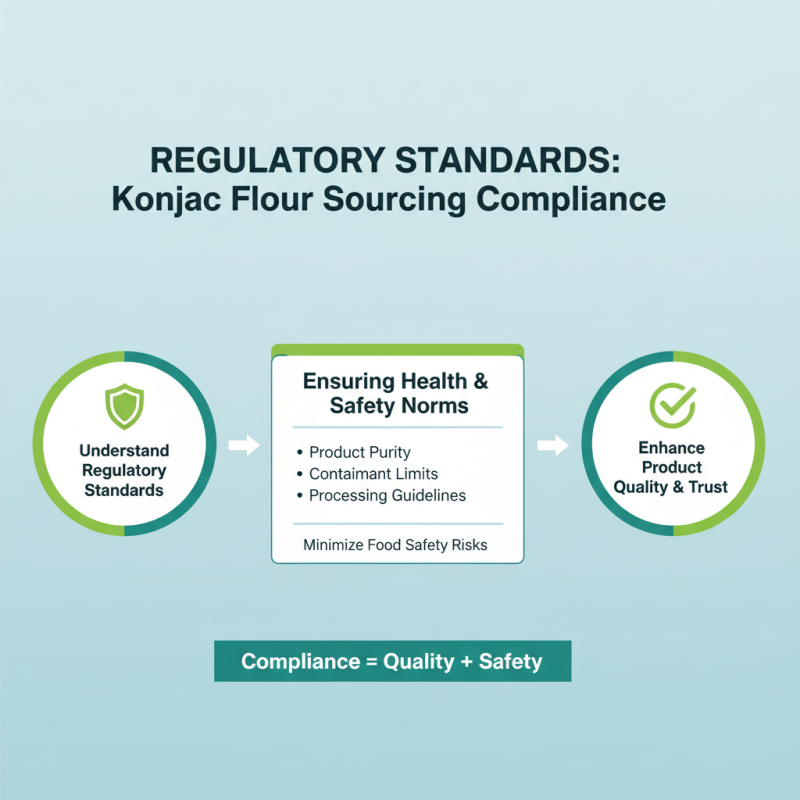
When sourcing konjac flour rice, it's crucial to understand regulatory standards. These standards ensure that the flour you procure aligns with health and safety norms. Compliance minimizes risks in food safety and enhances product quality.

Different regions have specific regulations. Familiarize yourself with local and international standards. For instance, quality checks on moisture content and heavy metal levels are common. Often, suppliers will provide certificates. However, verify their authenticity. It's wise to conduct independent tests. This adds an extra layer of trust and transparency.

Engage with industry experts. They can provide insights into sourcing practices and potential pitfalls. Building relationships with reliable suppliers also helps maintain quality. Keep in mind that non-compliance can lead to costly repercussions. Staying informed is not just beneficial; it’s essential.

FAQS

: What is konjac flour rice?

: It is a rice alternative made from the konjac plant, high in fiber and low in calories.

What are the main health benefits of konjac flour rice?

It promotes gut health and can assist with weight management due to its high glucomannan content.

How can I identify high-quality konjac flour rice?

Look for a white to off-white color and a smooth texture. It should have minimal particle size.

What should the moisture content be in quality konjac flour rice?

High-quality konjac flour rice should contain less than 15% moisture for better shelf life.

Are there any drawbacks to consuming konjac flour rice?

Some individuals may experience digestive discomfort. It’s best to introduce it slowly into the diet.

What cooking properties should I consider for konjac flour rice?

Optimal gelatinization temperature should be between 60°C and 80°C for the best cooking performance.

How can I ensure reliable sourcing of konjac flour rice?

Engage with certified suppliers and verify their compliance with food safety regulations.

Should I trust suppliers' certificates?

Always verify their authenticity and consider conducting independent tests for extra assurance.

How can I enhance my sourcing knowledge?

Engaging with industry experts can provide valuable insights and help you avoid common pitfalls.

Why is transparency important in sourcing konjac flour rice?

Transparency ensures the nutritional value and quality of the product you are sourcing.

Conclusion

Konjac Flour Rice is gaining popularity due to its unique properties and health benefits. Understanding its origins and nutritional value is crucial for businesses looking to incorporate this ingredient. When sourcing high-quality Konjac Flour Rice, it's important to identify key characteristics, such as texture and purity, that distinguish superior products. This article outlines the best sourcing strategies, including building strong relationships with suppliers and conducting proper quality assessments through testing methods.

Additionally, it highlights current pricing and market trends, helping businesses navigate the competitive landscape of the Konjac flour industry. Understanding regulatory standards ensures compliant sourcing, fostering trust and reliability in the supply chain. Ultimately, this comprehensive guide equips businesses with the knowledge needed to successfully procure high-quality Konjac Flour Rice for their offerings.

Oliver

Oliver

Oliver is a dedicated marketing professional with over ten years of experience in the konjac industry. His expertise lies in the development and promotion of a diverse range of konjac products, including leisure snacks, instant foods, culinary ingredients, and raw materials. With a deep......
Previous How to Buy Konjac Flour for Global Sourcing Needs?