sourcing Konjac Slim Knots can actually be quite a rewarding experience for buyers around the world. These are pretty unique products that come from the konjac plant, which is well-known for its health perks. If you're an entrepreneur or just someone looking to get into the game, you'll notice that there's a growing craving for natural and sustainable ingredients across many industries. But, figuring out reliable suppliers for Konjac Slim Knots isn’t always a walk in the park—it takes some effort to find the right fit and maintain high standards.
Believe me, there are plenty of suppliers claiming to offer Konjac Slim Knots, but not all of them deliver the same quality. It’s super important to do a bit of homework and check on their credibility before making any commitments. There are key details in how these products are made that directly impact their quality, so partnering with reputable exporters really helps streamline things. A seasoned supplier can make sure the products meet health regulations and industry standards, which is a huge relief.
Now, a word of caution—stay sharp throughout this process. Building genuine relationships with your suppliers isn’t something that happens overnight. It takes time, patience, and a lot of evaluating to avoid getting caught up in less-than-great deals. Plus, the market is always changing, with new players popping up all the time. So, keeping yourself updated on the latest trends can really make a difference and help you source those Konjac Slim Knots more effectively.
Understanding Konjac Slim Knots: A Comprehensive Overview
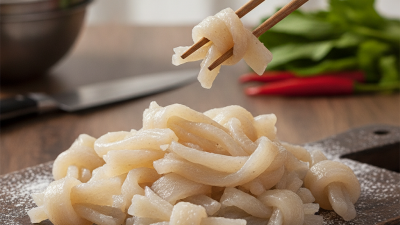
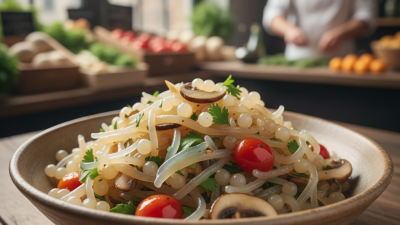
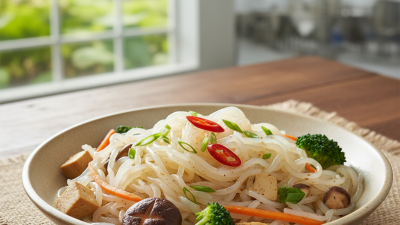
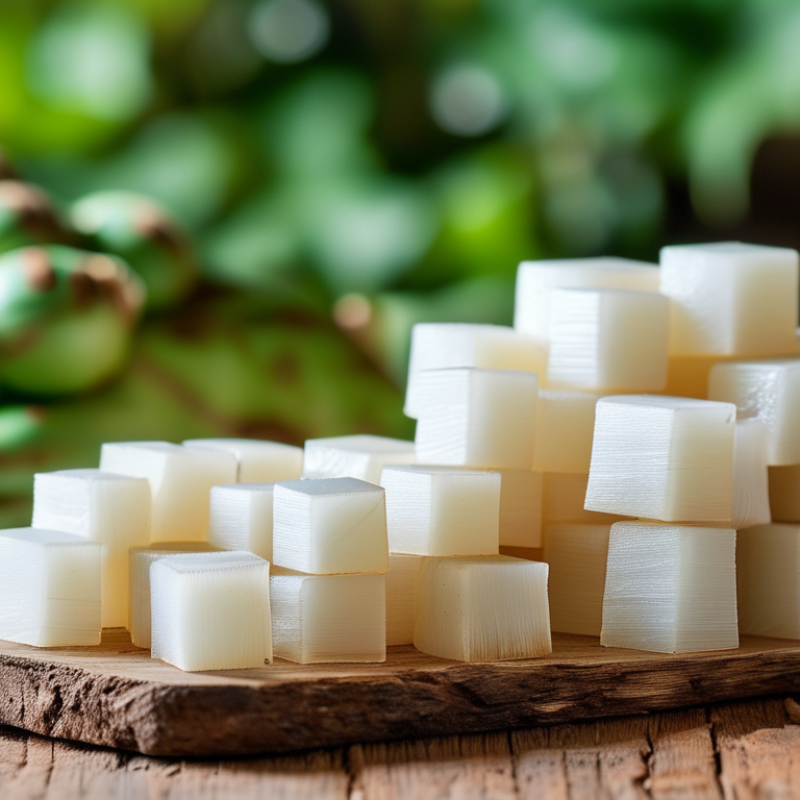
Konjac Slim Knots are unique products made from the konjac plant. Known for their dietary benefits, they are rich in fiber and low in calories. These alone make them appealing to health-conscious consumers worldwide. Konjac Slim Knots are often used in various dishes, including salads and soups. Their jelly-like texture can be a delightful addition to meals. However, sourcing them can be challenging.
When looking to source Konjac Slim Knots, it's vital to find reliable suppliers. Research potential partners thoroughly. Check their production processes and certifications. Quality matters, especially since these knots can affect health outcomes. Inadequate quality can lead to adverse effects. Be prepared to ask tough questions regarding sourcing and processing methods.
Consider the market demand for Slim Konjac. Trends can fluctuate, impacting your sourcing strategy. Stay updated on health and food trends to ensure your supply stays relevant. Engage with global buyers to understand preferences. Establish clear communication channels. This transparency can build trust and enhance your sourcing experience.
Konjac Slim Knots Sourcing Data
Identifying Reliable Suppliers of Konjac Slim Knots Globally
Sourcing Konjac slim knots requires a careful approach to identify trustworthy suppliers. Start by researching manufacturers with a strong reputation in the market. Look for suppliers that specialize in health foods and natural ingredients. Their expertise can help ensure product quality and compliance with safety standards.
Networking at trade shows and industry events can also lead to valuable connections. Engaging with professionals in the field showcases your commitment to due diligence. Building relationships with suppliers you meet offers insights into their production practices and transparency.
Don't hesitate to ask for samples. Evaluating the product firsthand can reveal a lot about the supplier's quality controls. Consider certifications or third-party audits as indicators of reliability. While navigating global suppliers can be complex, diligence, and thorough research will help you find the right partners in the Konjac market.
Evaluating Quality Standards for Konjac Slim Knots
When sourcing Konjac Slim Knots, quality standards play a crucial role. Buyers must prioritize firms with rigorous testing procedures. Inspect for certifications that guarantee compliance with safety regulations. A trustworthy supplier should provide detailed testing results. Direct communication with manufacturers can reveal insights into their production processes.
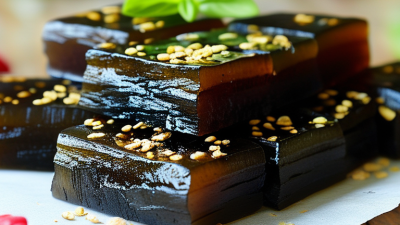
Evaluating the texture and color of Konjac Slim Knots is essential. The knots should maintain a consistency that appeals to global consumers. Colors should be natural, free from artificial dyes. Examine the packaging for proper labeling and expiration dates. During an initial order, consider testing a small batch for taste and texture. If there are discrepancies, address them promptly with the supplier. Finding reliable sources is a learning process.
Balancing quality and costs can pose challenges. Some suppliers may offer attractive pricing but compromise on standards. Be cautious about fluctuating prices; they might indicate inferior product quality. Always reconcile your expectations with the market reality to ensure satisfaction. Prioritize long-term relationships over short-term gains.
Sourcing Strategies for Importing Konjac Slim Knots
Sourcing Konjac Slim Knots for global buyers requires a keen understanding of various sourcing strategies. Knowledge of local suppliers is essential. Engage with manufacturers who specialize in producing Konjac products. Attend trade shows and industry events to connect with potential partners. Developing relationships can enhance your negotiating power.
Building trust with suppliers is crucial. Ensure they adhere to quality standards and ethical practices. Verify their credentials and ask for references. It’s also vital to conduct site visits if possible. This direct approach can uncover details not visible on paper. Quality and reliability should guide your decisions.
When evaluating suppliers, consider asking for samples. Testing the quality of Konjac Chinese Knots firsthand can save future complications. Also, pay attention to their communication. Prompt and clear responses indicate a reliable partner. Keep an open line of communication to navigate potential challenges. Being proactive and observant can make a significant difference.
Navigating International Regulations for Konjac Slim Knots Import
Navigating international regulations for importing Konjac slim knots can be complex. It's essential to understand the legal frameworks in different countries. Many regions require specific certifications for food products. For instance, the Codex Alimentarius often influences standards in Asia and Europe. According to a market analysis report by ResearchAndMarkets, the global konjac market is expected to grow at a CAGR of 10.5% through 2025. This growth raises concerns about compliance as the export volume increases.
Buyers must pay attention to labeling requirements. Each country has unique regulations governing nutrition labeling, ingredient disclosures, and allergen warnings. For instance, in the European Union, products containing konjac must meet the EFSA's guidelines. A breakdown of compliance hierarchy helps companies avoid pitfalls. Poor understanding of these legalities can lead to costly delays. The stark reality is that missteps often result in wasted time and financial loss.
Working with local experts can streamline the process. Import tariffs are another hurdle. They vary widely depending on the product's origin and intended market. Some regions may impose high import fees that can affect the pricing strategy. It’s not just about getting the product there; it's ensuring all paperwork is completed. Continuous learning and vigilance in these areas can enhance a buyer's readiness for global trade.
Building Strong Supplier Relationships for Consistent Sourcing
Building strong supplier relationships for sourcing Konjac Slim Knots is essential for any global buyer. Establishing trust is crucial. Take the time to understand suppliers' capabilities and business practices. Regular communication helps to clarify expectations, leading to better compliance and quality consistency. Honesty about your requirements encourages suppliers to be more proactive in ensuring product quality.
In the realm of Konjac Knots Hot Pot Special, creating a reliable supply chain demands careful attention. Perform audits to assess reliability and quality. Share feedback openly; it can foster loyalty and improve performance. Be prepared for challenges, like fluctuations in quality or availability. These issues often arise, so a flexible approach can mitigate risks. Each interaction with a supplier is an opportunity for growth. Consider how to enhance collaboration for mutual benefit.
Nurturing these connections will lead to better sourcing outcomes. It's a long-term investment that pays off. Reflect on past experiences to identify areas for improvement. Every relationship has its ups and downs. Fostering a culture of adaptation and learning can strengthen supplier relations, ultimately benefiting your sourcing strategy for Konjac Slim Knots.
Market Trends and Consumer Demand for Konjac Slim Knots
Consumer demand for konjac slim knots is rapidly increasing. This trend highlights the growing interest in health products. According to a recent market report, the global konjac market is expected to reach $1.2 billion by 2027, with a CAGR of 8.6% from 2020 to 2027. This data suggests that more consumers are focusing on healthy diets and weight management. Konjac, a low-calorie, high-fiber food, has gained popularity among health-conscious individuals.
Tips for sourcing include understanding your target consumer. Diverse demographics seek konjac products for various reasons. Younger consumers may prefer trendy snacks, while older customers focus on digestive health. Researching these preferences can guide you on how to market and source effectively. Also, be aware of the ethical sourcing practices. Many buyers are looking for products that are sustainably harvested and produced.
The konjac market is not without challenges. Import regulations can be strict in various regions. Ensuring compliance with local standards is crucial. As the market grows, quality control becomes vital too. Poor quality can lead to consumer distrust and damage brand reputation. Sourcing reliable suppliers who meet quality standards might require careful evaluation. This process can sometimes feel overwhelming and may need ongoing adjustments.
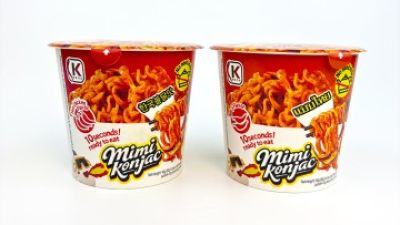
Emerging Trends in Healthy Eating: The Rise of 90g Konjac Noodles – Spicy & Hot Chicken Flavors in the Malaysian Market
In recent years, the trend of healthy eating has gained momentum, particularly in the Malaysian market, where consumers are increasingly seeking nutritious and convenient meal options. A prime example of this trend is the rising popularity of 90g Konjac noodles, also known as Shirataki noodles. These noodles are not only low in calories but also keto-friendly, making them an excellent choice for those looking to maintain a healthy lifestyle without compromising on flavor. Infused with spicy and hot chicken flavors, these noodles cater to the Malaysian palate, offering a delightful fusion of taste and health.
Available in convenient cup packaging, each serving provides a ready-to-eat meal that is gluten-free and high in fiber. These instant noodles are crafted in Shaanxi, China, ensuring high quality and adherence to local taste preferences. With a shelf life of 12 months and the option for customization, this product is ideal for businesses looking to meet the demands of health-conscious consumers. By choosing this innovative food solution, distributors can tap into the growing market of healthy eating while providing customers with a quick and satisfying meal option.
FAQS
: Buyers should prioritize firms that use rigorous testing procedures and provide safety certifications.
Evaluate texture, color, and ensure natural appearances without artificial dyes. Taste testing small batches helps too.
Direct communication reveals insights into production processes and establishes trust for better relationships.
Attractive pricing might imply compromised quality. Always align expectations with market realities to ensure satisfaction.
Yes, site visits can uncover details not apparent on paper, enhancing understanding of their capabilities.
Strong relationships foster trust and clarify expectations, leading to better compliance and improved product quality.
Openly sharing feedback fosters loyalty and encourages suppliers to enhance their quality and reliability.
Quality fluctuations and availability can be issues. A flexible approach can help mitigate these risks effectively.
Regular communication helps address challenges promptly and ensures both parties are aligned in their expectations.
Reflecting on past experiences can reveal areas for improvement and enhance supplier collaboration for mutual benefit.
Conclusion
The article "How to Source Konjac Slim Knots for Global Buyers?" provides an insightful guide for importers looking to procure Konjac Slim Knots, a popular health food product. It begins with a comprehensive overview of Konjac Slim Knots, highlighting their nutritional benefits and increasing consumer demand. The article proceeds to identify methods for finding reliable global suppliers, emphasizing the importance of evaluating quality standards to ensure product integrity.
Furthermore, it outlines effective sourcing strategies and highlights the necessity of navigating international import regulations. Building strong relationships with suppliers is emphasized as crucial for ensuring consistent sourcing and quality control. Finally, the article discusses current market trends surrounding Konjac Slim Knots, enabling buyers to make informed decisions in a competitive market. This guide serves as an essential resource for anyone interested in sourcing Konjac Slim Knots effectively and responsibly.

 86+09153618258
 Contact Email