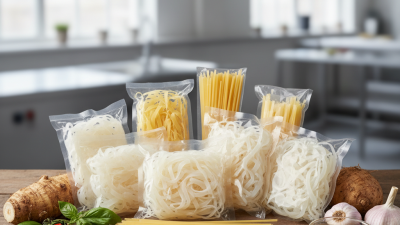
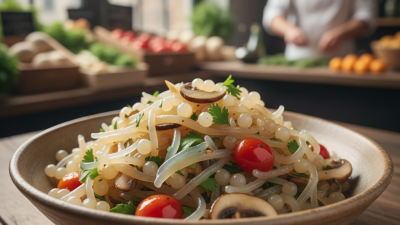
When it comes to food products, sourcing high-quality ingredients really is a big deal. I mean, Dr. Lisa Cheng, who’s pretty much an expert in Asian culinary stuff, once said, “The quality of the Konjac Knot can make or break the final dish.” That perfectly highlights how crucial it is to pick the best Konjac Knot for your culinary projects.
Honestly, making sure your Konjac Knots are up to par doesn’t just happen by accident. You should be doing thorough testing and vetting your suppliers. Not all suppliers are the same—some might cut corners, and it shows in the product. Take a close look at the texture and color of what you're getting; these little details really matter. Building good relationships with trusted growers can go a long way in ensuring quality. Sadly, a lot of folks just chase the lowest price without considering quality, but that often backfires with products that don’t meet customer expectations.
Knowing where and how you source these ingredients is pretty much essential. Things like where the Konjac comes from, how it’s processed, and how reliable your supplier is—these all add up. In such a competitive market, your choice of Konjac Knot could either elevate your brand or leave it struggling. So, as you navigate this whole sourcing process, it pays to keep evaluating and improving your approach. Honestly, the success of your brand might just hinge on picking the right Konjac Knot—and that’s worth paying attention to.
Understanding Konjac Knots: An Overview of Product Characteristics
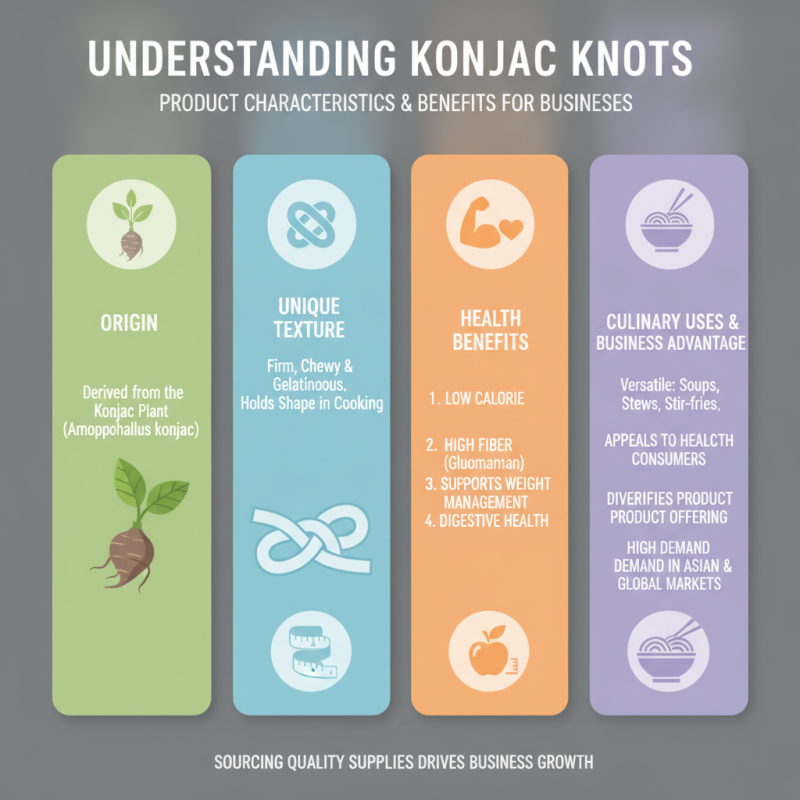
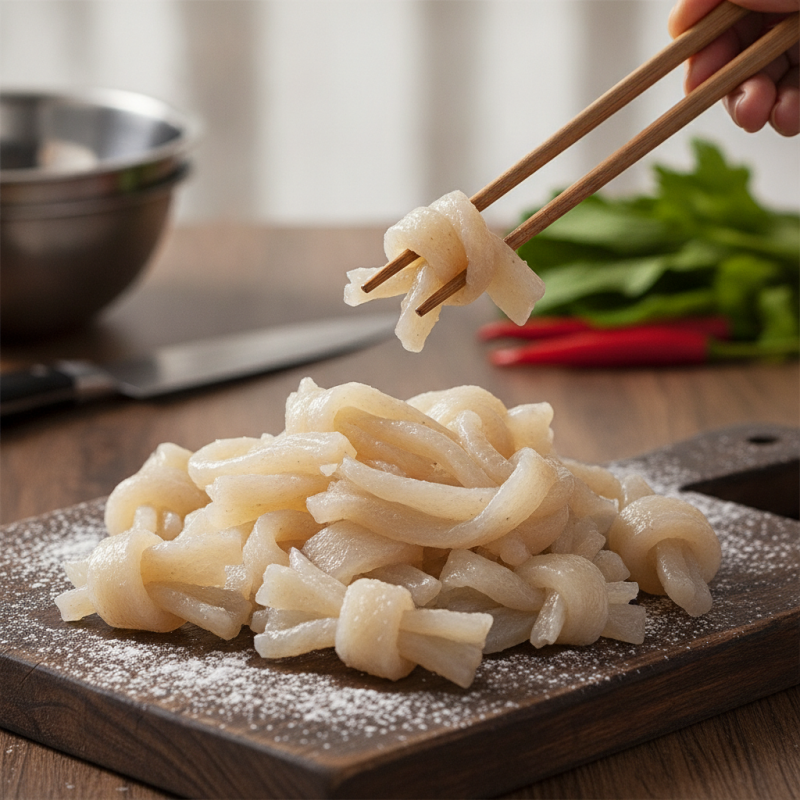
Konjac knots are derived from the konjac plant, primarily known for their unique texture and health benefits. These knots are often used in various culinary applications. They are celebrated for their low-calorie content and high fiber levels. This makes them a popular choice in weight management and healthy eating. Understanding their properties is crucial for sourcing quality supplies for your business.
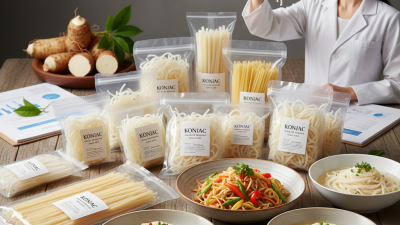
When sourcing Konjac Silk Knots, consider the source. Quality can vary greatly depending on cultivation methods. Look for suppliers who emphasize sustainability and traditional harvesting techniques. Products that are rich in fiber and free from additives should be prioritized. Packaging also plays a role; it should preserve freshness and prevent spoilage.
Tips: Always request samples before placing large orders. This allows you to evaluate texture and quality firsthand. Check for certifications that indicate quality control measures. Choosing reliable suppliers reduces potential risks associated with product variability. Regular communication with suppliers helps in understanding their practices better. This relationship can lead to consistently high-quality resources.
Identifying Reputable Suppliers for Quality Konjac Knots
Finding reputable suppliers for quality Konjac knots is crucial for any business. Start by researching potential partners online. Look for suppliers with solid reviews and a track record of reliability. Platforms that focus on food ingredients can offer options, but also dig deeper. Social media platforms are great for discovering smaller, local suppliers. They often showcase their products and customer feedback.
Once you identify potential suppliers, assess their quality standards. Ask for certifications related to product safety and quality. This can include organic or non-GMO certifications. It's also advisable to request samples of their Konjac knots. Testing the product firsthand gives you insight into its texture and quality. Pay attention to the consistency and scent. Each detail matters in sourcing.
Engage in conversations with suppliers. Inquire about their sourcing practices. Transparency indicates a more trustworthy supplier. Assess their communication speed and willingness to answer questions. This can reveal their level of customer service. Some suppliers may not have immediate answers, which can be a red flag. A careful evaluation at this stage can prevent future disappointments.
Evaluating the Quality Standards of Konjac Knots
When sourcing Konjac knots for your business, understanding quality standards is crucial. The texture and consistency of Konjac Knot Noodles are heavily influenced by the production methods. Assessing quality starts with examining the raw ingredients. Pure konjac flour should be free from additives. Misleading labels can be an issue, so look for certified suppliers with transparency in their sourcing practices.
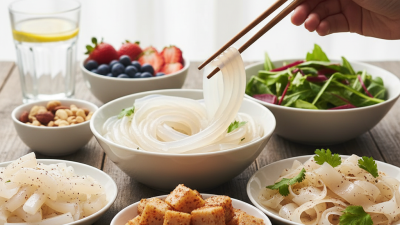
Next, consider the manufacturing process. High-quality Konjac Knot Noodles should have a firm texture, not a mushy feel. The noodles should be white and glossy, indicating freshness. Pay attention to the packaging as well. Quality packaging protects the product from moisture and contamination. It's essential to establish a relationship with producers who prioritize quality measures.
One might find inconsistencies in product batches, highlighting the need for rigorous quality checks. Request samples before placing bulk orders. Conduct taste tests to ensure the noodles meet your standards. Investing time in evaluations can prevent costly mistakes down the line. Quality assurance is a continuous process in this industry.
Sourcing Methods: Direct Purchasing vs. Wholesale Distributors
When sourcing high-quality konjac knots, businesses often face a pivotal choice: direct purchasing or relying on wholesale distributors. Direct purchasing from farmers can ensure product quality and freshness. Farmers typically cultivate konjac plants under strict conditions, contributing to the superior taste of Shirataki Silk Knot. Engaging directly may minimize costs, but it demands a deeper relationship and negotiation skills.
On the other hand, wholesale distributors offer convenience and variety. They consolidate supplies, saving businesses time and effort. Reports suggest that around 40% of businesses prefer this route for reliable delivery. However, it can lead to higher costs and potential quality inconsistencies. Businesses must carefully evaluate the financial implications when opting for this method. Reflecting on past sourcing experiences can yield insights for future decisions.
Investing time in researching potential suppliers greatly impacts the quality of Shirataki Silk Knot. Networking within the industry helps identify trustworthy sources. Moreover, consider visiting suppliers to assess their processes firsthand. Knowing the intricacies of each method can ultimately shape a business's success in the competitive konjac market.
Assessing Pricing Structures for Competitive Sourcing
Pricing strategies are essential when sourcing quality Konjac knots. To remain competitive, businesses must analyze various pricing structures. Elements influencing price include quality, supplier reputation, and market demand. Low prices might signal lower quality, while high costs don't guarantee premium products.
Engaging with multiple suppliers can bring insights into competitive pricing. Each supplier has unique pricing models that reflect their production costs and distribution. It's crucial to assess these models carefully. Take time to compare metrics such as minimum order quantities and shipping fees. Unexpected fees can greatly affect your overall costs and profit margins.
Understanding the broader market landscape also plays a role. Sometimes, prices fluctuate based on seasonal demand or new market entrants. Staying informed about these trends can help guide your purchasing decisions. Relying solely on price may overlook quality factors. Konjac products, such as Shirataki Noodles Knot, can vary significantly in quality. Balancing cost with quality is vital for building a reliable product line.
Pricing Analysis for Sourcing Quality Konjac Knots
Establishing Strong Supplier Relations for Consistent Quality
Building strong supplier relationships is key to sourcing quality konjac knots. Regular communication establishes trust. Understanding each other's expectations leads to better collaboration. Frequent check-ins can reveal hidden challenges. These discussions are not just about quality; they help streamline operations.
Integrating quality control measures from the outset is crucial. Suppliers may have different standards, leading to inconsistent quality. Conducting site visits can enhance understanding. Observing their processes firsthand provides valuable insights. It also shows commitment to the partnership. However, unexpected issues may arise, highlighting the need for adaptability.
Regular feedback loops are essential for maintaining quality. Celebrating achievements boosts morale. Addressing shortcomings promptly is equally important. A partnership thrives on honesty. Suppliers appreciate constructive criticism. This exchange fosters loyalty and encourages them to meet or exceed expectations. Emphasizing long-term goals can align interests and enhance overall quality.
Testing and Quality Control of Sourced Konjac Knots
Testing and quality control of sourced konjac knots is essential for your business. The global konjac market is projected to reach $1 billion by 2025, highlighting the growing demand for quality products. However, sourcing konjac knots that meet stringent standards can be challenging. Rapid testing methods for glucomannan content, for example, are crucial. A recent industry study revealed that 30% of sourced products failed to meet the required purity levels.
Regular audits and lab testing can significantly enhance quality assurance. Sampling from various batches can help identify inconsistencies. One lab found that samples from different suppliers showed variability in fiber content. This discrepancy necessitates a reliable testing protocol.
**Tip: Establish relationships with certified testing labs to streamline the quality assessment process.** Consistency in quality can lead to improved customer satisfaction. Consider implementing a traceability system to monitor product origins.
**Tip: Regularly review supplier performance metrics to maintain high standards.** Investing time in this process can prevent costly issues down the line. Document results meticulously to refine sourcing strategies.
How to Source Quality Konjac Knots for Your Business? - Testing and Quality Control of Sourced Konjac Knots
| Supplier Name |
Country of Origin |
Certification |
Quality Grade |
Moisture Content (%) |
Test Results |
| Supplier A |
Japan |
ISO 22000 |
A |
8.5 |
Pass |
| Supplier B |
China |
HACCP |
B |
9.0 |
Pass |
| Supplier C |
Taiwan |
GMP |
A+ |
7.8 |
Pass |
| Supplier D |
South Korea |
FSSC 22000 |
B+ |
8.2 |
Pass |
Exploring the Flavorful World of KONJAC BROTHERS Spicy & Hot Chicken Flavor Konjac Noodles: A Culinary Delight from China
The culinary landscape is continuously evolving, with a noticeable shift towards healthier food alternatives that do not compromise on flavor. One such innovation is the rise of konjac noodles, particularly in enticing flavors like Spicy and Hot Chicken. These noodles, typically low in calories and high in fiber, are increasingly popular among health-conscious consumers. According to a report by the Research Institute of Food Science, the global konjac products market is projected to reach over $100 million by 2025, reflecting growing demand for low-carb and gluten-free meal options.
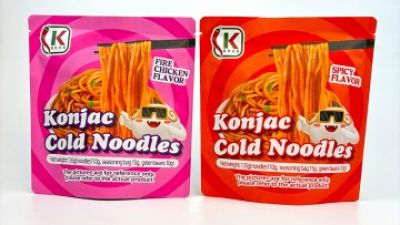
KONJAC BROTHERS Konjac Noodles, available in both Spicy and Hot Chicken flavors, provide a delectable solution for those pursuing a nutritious lifestyle without sacrificing taste. Each 135g pouch is crafted from high-quality konjac flour, known for its exceptional health benefits. These noodles are an ideal addition to various dishes, catering to diverse culinary preferences. They're perfect for lovers of leisure food who relish the joy of cooking while keeping their meals lighter and healthier.
Moreover, with an impressive shelf life of nine months and customizable options available, these noodles have garnered attention in the market. They align perfectly with the principles of the ketogenic diet and are suitable for a wide range of dietary needs. As consumer interest in plant-based and functional foods continues to rise, the appeal of konjac noodles as a versatile ingredient is undeniable, making them a staple in modern kitchens.
FAQS
: Konjac knots come from the konjac plant and are known for their unique texture and health benefits.
They are low in calories and high in fiber, making them a favorite for weight management and healthy eating.
Look for suppliers that prioritize sustainable practices and traditional harvesting methods to ensure quality.
Assess their certifications, transparency, and communication speed to understand their quality standards better.
Requesting samples allows you to evaluate the texture and quality before committing to large orders.
They should have a firm texture, be white and glossy, and be free from additives.
Quality packaging helps preserve freshness and protects Konjac knots from moisture and contamination.
Slow communication or reluctance to provide information may indicate a lack of trustworthiness.
Yes, product batch inconsistencies highlight the need for thorough quality checks before purchasing.
Regular evaluations and taste tests help maintain quality standards and prevent costly mistakes.
Conclusion
When sourcing quality Konjac Knots for your business, it is essential to understand the product's characteristics, including its texture, nutritional benefits, and sourcing origin. Identifying reputable suppliers who adhere to stringent quality standards is crucial for ensuring the reliability of your product. Evaluating different sourcing methods, such as direct purchasing versus utilizing wholesale distributors, allows businesses to determine the most cost-effective strategy while maintaining quality.
Furthermore, assessing pricing structures will help you remain competitive in the market. Establishing strong relationships with suppliers can lead to consistent quality and better communication regarding product availability and standards. Ultimately, implementing thorough testing and quality control measures on sourced Konjac Knots is vital to guarantee that the end products meet your business's expectations and satisfy consumer demands.

 86+09153618258
 Contact Email