Buying Konjac Rice in bulk can reduce costs, but only when quality, storage, and demand are evaluated carefully. A low unit price may hide short shelf life, inconsistent texture, or expensive freight charges. This guide introduces seven practical tips for making a more dependable purchasing decision.
Experienced buyers usually begin with a small sample order. It reveals texture, aroma, cooking performance, and package condition before a larger commitment. Check the ingredient list, nutrition panel, serving size, production date, lot number, and storage instructions. Ask suppliers for clear specifications and current quality documentation. Certifications may support trust, but they should be verified rather than accepted automatically.
Bulk purchasing also requires realistic planning. Estimate monthly usage, warehouse space, delivery schedules, and possible changes in customer demand. A restaurant may need stable texture across several cartons, while a retailer may prioritize attractive packaging and longer shelf life. Compare quotes on a delivered-cost basis, not only by carton price. Important details can include minimum order quantities, pallet dimensions, shipping insurance, and replacement policies. Small details matter.
Some assumptions may prove wrong. More inventory does not always create better savings. Konjac Rice can absorb storage problems when cartons face heat, humidity, or rough handling. Keep products in a clean, dry area and rotate stock by date. Reliable communication matters, especially when specifications change. These seven tips are designed to help buyers ask better questions, recognize avoidable risks, and build a purchasing process based on evidence rather than optimism.

Define Your Bulk Konjac Rice Needs
Define Your Bulk Konjac Rice Needs
Tip 1: Estimate real usage before contacting suppliers. Count weekly meals, restaurant portions, or retail packs. Add a modest buffer, not an enormous one. Ten percent may cover demand changes.
Tip 2: Specify your preferred format. Decide between dry grains, ready-to-eat pouches, or mixed-rice products. Each option needs different storage and preparation.
Tip 3: Check serving size carefully. A carton may contain twenty packs, but each pack can vary greatly.
Tip 4: Review storage conditions. Confirm warehouse temperature, humidity limits, pallet requirements, and shelf life. Konjac rice can absorb odors and moisture when packaging is damaged. Keep cartons off the floor.
Tip 5: Request a sample from the same production lot whenever possible. Texture, aroma, and cooking behavior should match your expectations. I once judged a product from one sample only. That was too optimistic.
Tip 6: Ask for complete documentation, including ingredient details, allergen statements, test reports, and traceability information. Reliable suppliers should explain production dates and batch codes clearly.
Tip 7: Calculate the landed cost, not just the unit price. Include freight, customs handling, storage, inspection, and possible waste. A low quote can become expensive after delivery. Leave room for delays. Bulk buying sounds efficient, but unused stock ties up cash and warehouse space. Recheck your forecast before placing a large order.
Check Ingredients, Nutrition, and Product Quality
When buying konjac rice in bulk, read the ingredient panel before comparing prices.
Tip: Look for simple ingredients, such as konjac flour and water. Some products include starches, oils, flavorings, or preservatives. Check for allergens and confirm the listed ingredients match your dietary needs.
Tip: Notice the processing details. Food-grade calcium hydroxide may appear in konjac products, but unfamiliar additives deserve careful research. I once trusted a short label too quickly, and the serving information was less clear than expected.
Nutrition panels need equal attention.
Tip: Compare serving sizes, not only calories per package. One package may contain two servings, which can distort your calculation. Check fiber, sodium, carbohydrates, and added sugars. Konjac rice is often low in calories, but recipes and sauces can change the meal substantially.
Tip: Consider your personal tolerance. A sudden increase in fiber may feel uncomfortable. Start with smaller portions. Labels are not perfect.
Product quality becomes more important when ordering cartons.
Tip: Inspect sealed packaging, production dates, expiration dates, and storage instructions. Swollen pouches, leaks, or unusual odors are warning signs.
Tip: Request a sample before placing a large order. Cook it and examine the texture, aroma, rinsing water, and consistency across packages.
Tip: Ask suppliers about batch testing and traceability. Reliable records matter.
Tip: Calculate delivered cost, including storage and possible waste. Bulk buying saves money only when the product stays usable and suits your cooking routine.
Compare Pack Sizes, Prices, and Minimum Orders
Buying Konjac Fried Rice in bulk requires more than choosing the lowest listed price. Compare pack sizes carefully, because a 20-pack may cost less per serving than ten smaller bags. Divide the total price by the number of servings. Check the net weight too. Two packs can look similar but contain different amounts. A kitchen scale helps when product photos seem unclear.
Tip: Request a complete quote before ordering. Include product price, shipping, taxes, packaging, and handling fees. Then compare the final cost per kilogram. Ask about minimum order quantities, or MOQs. A low unit price may require 500 packs, which can strain storage space and cash flow. For a small café, 50 or 100 packs may be more practical. I once overlooked carton dimensions and paid for unnecessary warehouse space. That mistake still shapes my buying checklist.
Compare standard packs with larger cases. Bulk cases usually reduce packaging waste and handling costs, but they may increase the risk of stale inventory. Confirm the best-before period and storage conditions in writing. Request a sample or small trial order before committing. Record cooking results, texture, breakage, and customer feedback. Prices can change with shipping rates and seasonal demand, so keep two supplier quotes for reference. A spreadsheet makes the differences visible. It is simple, but easy to neglect.
7 Tips for Buying Konjac Rice in Bulk? – Compare Pack Sizes, Prices, and Minimum Orders
| Tip |
Pack Size |
Typical Units per Case |
Indicative Wholesale Price* |
Estimated Case Value |
Common Minimum Order |
What to Check Before Ordering |
| 1. Compare serving sizes |
150–200 g pouch |
24–30 |
US$0.70–US$1.40 per unit |
US$17–US$42 |
1–5 cases |
Confirm drained weight, serving count, and whether the pouch is shelf-stable. |
| 2. Check larger food-service formats |
500–1,000 g bulk pouch |
10–20 |
US$2.00–US$5.50 per pouch |
US$20–US$55 |
5–20 cases |
Calculate cost per prepared serving, not only cost per pouch. |
| 3. Compare price breaks |
150–200 g retail-size packs |
24–30 per case |
US$0.55–US$1.10 per unit at 100+ cases |
US$13–US$33 |
50–100 cases for volume pricing |
Ask for tiered pricing at 10, 50, 100, and 500 cases. |
| 4. Confirm the true landed cost |
Any pack format |
24–30 per case |
Product price plus freight, duty, and fees |
Often 15%–40% above product cost |
Varies by destination and shipment size |
Request an Incoterm, carton dimensions, gross weight, and freight quotation. |
| 5. Match MOQ to demand |
Private-label retail packs |
24–30 per case |
US$0.80–US$1.80 per unit before artwork |
US$19–US$54 per case |
500–5,000 units |
Check setup charges, packaging lead time, and whether mixed flavors are allowed. |
| 6. Verify shelf life and storage |
Shelf-stable retort pouch |
24–30 per case |
US$0.65–US$1.50 per unit |
US$16–US$45 |
1–10 cases |
Look for a clearly stated best-before date, storage temperature, and batch code. |
| 7. Request samples before scaling up |
Sample set: 3–6 units |
Usually sold separately |
US$10–US$40 plus shipping |
Depends on sample assortment |
Usually 1 sample set |
Evaluate texture, odor, rinsing requirements, cooking yield, label compliance, and packaging integrity. |
*Indicative wholesale benchmarks in USD for shelf-stable konjac rice; actual prices vary by specification, order volume, destination, certification, packaging, freight terms, and seasonal market conditions. Confirm current quotations and minimum orders before purchasing.
Verify Packaging, Shelf Life, and Storage Requirements
7 Tips for Buying Konjac Rice in Bulk?
When buying Konjac Flour Rice in bulk, inspect every carton before payment. Packaging should be sealed, dry, and free from swelling, tears, oil stains, or crushed corners. Ask for the lot number, production date, ingredient list, and allergen statement. The Codex General Standard for the Labelling of Prepackaged Foods recommends clear identity, net contents, and date information. These details make recalls and stock checks easier. Small labels matter.
Shelf life deserves more than a printed date. USDA Economic Research Service explains that many date labels indicate product quality, not automatic safety. Request the supplier’s shelf-life validation, especially for products with sauces or high moisture. Do not accept vague claims like “long-lasting.” For dried konjac rice, check whether the supplier tested moisture migration and seal strength. For ready-to-eat packs, ask about refrigeration, heat treatment, and unopened storage limits. I would keep a sample carton for internal testing. It may expose problems early.
Storage conditions can quietly damage a large order. FAO’s 2019 food-loss report estimated that 14% of food is lost between harvest and retail. Bulk buyers should use clean, dry shelving away from sunlight, chemicals, and floor moisture. Follow the supplier’s temperature range exactly. Record receiving dates and use older lots first. I once underestimated warehouse humidity; the outer boxes looked fine, but inner packs softened. That mistake changed my inspection checklist.
Assess Suppliers, Certifications, and Customer Reviews
Buying konjac rice in bulk requires more than comparing prices. Start by checking the supplier’s production capacity, minimum order quantity, lead time, and storage guidance. Ask for a recent sample before signing a large contract. The grains should have a clean smell, consistent size, and firm texture after preparation. Request a specification sheet showing ingredients, nutrition data, shelf life, and packaging materials. Small details matter.
Review certification documents carefully. Look for food-safety systems such as HACCP or ISO 22000, then confirm the certificate number, issuing body, validity period, and covered facility. A certificate should match the actual product and production site. Ask for recent batch testing, allergen controls, microbiological results, and traceability records. Organic or non-GMO claims need separate verification. Paperwork can look impressive. It can still be incomplete.
Customer reviews reveal problems that sales pages may hide. Read recent comments about broken packaging, delayed shipments, texture changes, and support quality. Give more weight to detailed reviews with photos or order information. Search for feedback related to “Konjac Brothers Konjac Cold Noodles” only as a product-reference phrase, not as proof of supplier quality. Compare repeated patterns across several platforms. One weak review is not decisive, but ten similar complaints deserve attention. I would also contact two previous buyers when possible. This step may feel slow, yet skipping it can create expensive surprises. Even experienced buyers sometimes trust polished documents too quickly.
7 Tips for Buying Konjac Rice in Bulk: What to Verify
Use this seven-point evidence checklist when comparing bulk konjac rice suppliers. Each bar represents one distinct verification category to review before placing an order.
Request current documentation for ingredients, nutrition, allergen controls, food-safety certification, batch testing, traceability, and customer feedback. Certification scope and document validity should be checked for the specific facility and product.
Calculate Shipping Costs and Delivery Conditions
7 Tips for Buying Konjac Rice in Bulk: Calculate Shipping Costs and Delivery Conditions
Buying konjac rice in bulk requires more than comparing the unit price. Ask for the total shipment weight, carton dimensions, and number of pallets. Freight companies often calculate charges by actual or volumetric weight. A lightweight carton can still cost more when it occupies valuable space. Request a written shipping quote before confirming payment. Check whether it includes loading, export handling, customs clearance, and final delivery.
Delivery conditions deserve equal attention. Confirm the shipping method, estimated transit time, and temperature requirements. Konjac rice may tolerate normal transport, but damp storage can damage packaging and reduce product quality. Ask whether cartons travel in dry, covered vehicles. Also check the minimum remaining shelf life upon arrival. A low price is not useful if half the stock expires before sale.
I once underestimated destination fees because I considered only the ocean freight. The final invoice was higher than expected. That mistake changed my buying process. Now I compare door-to-door costs and request delivery terms in plain language. I also ask for photos of pallet wrapping and carton labels. Seven practical checks can help: freight basis, insurance, handling fees, delivery address, unloading equipment, damage claims, and late-delivery procedures. Keep every promise in writing. Quotes can change. Even careful calculations sometimes miss local charges.
Place a Small Trial Order Before Buying in Bulk
7 Tips for Buying Konjac Rice in Bulk
Place a Small Trial Order Before Buying in Bulk
A small trial order can prevent an expensive storage mistake. Request a modest quantity, such as 5 to 10 kilograms, before committing to a pallet. Check the ingredient list, net weight, production date, and remaining shelf life. Keep one unopened package for comparison later. Details matter.
Prepare the sample as your customers would. Rinse it, heat it, chill it, and mix it with sauce. Record its texture after five, ten, and twenty minutes. Some konjac rice stays pleasantly springy, while other batches become watery or rubbery. I once judged a sample after one quick tasting and overlooked excess liquid in the package. That was too generous. One test is not enough.
Compare the sample with your planned menu and serving size. If you also sell a Konjac Knot product, check whether its firmness and aroma match your quality expectations. Measure drained weight, cooking loss, and portion consistency. Ask the supplier how batch changes are monitored and how damaged cartons are handled. Review packaging strength by inspecting seams, labels, and inner seals after delivery. A trial shipment also reveals transit time, temperature exposure, and communication speed. Keep written notes, photos, and customer feedback before expanding the order. A cheaper unit price means little if waste increases.
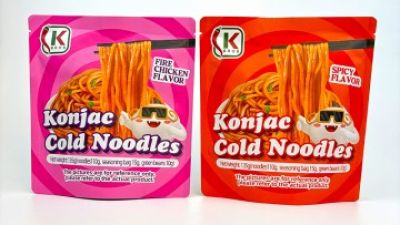
KONJAC BROTHERS Konjac Noodles 135g: Spicy & Hot Chicken Flavor Product Guide
These konjac noodles combine a satisfying texture with two bold flavor options: Spicy and Hot Chicken. Each 135g pouch provides a convenient serving for quick lunches, light dinners, or flavorful snacks. The noodles are low in calories, zero in carbohydrates, and rich in fiber, making them suitable for keto-friendly meal plans. Their gluten-free shirataki style offers a lighter alternative to traditional noodles while pairing well with vegetables, sliced meat, eggs, or other favorite ingredients.
Produced in Shaanxi, China, the noodles are designed for convenient leisure-food consumption and have a shelf life of nine months. The Spicy flavor delivers a lively chili kick, while the Hot Chicken flavor brings a savory, aromatic taste for consumers who enjoy rich seasoning. The product is supplied in individual pouches for easy storage, transport, and preparation. OEM and ODM services are available for customized packaging, flavors, and market requirements. The minimum order quantity is 500 cartons, supporting wholesale distribution, retail programs, and food-service supply.
FAQS
Count weekly meals, restaurant portions, or retail packs. Add a modest buffer, such as ten percent. Avoid buying excessive stock. Unused cartons tie up cash and warehouse space.
Choose dry grains, ready-to-eat pouches, or mixed-rice products. Each format needs different storage and preparation. Consider your kitchen equipment and customer habits. Keep the decision practical.
Check packs per carton and serving size carefully. Twenty packs may contain very different portion amounts. Confirm carton dimensions and pallet requirements. Small details affect ordering accuracy.
Confirm temperature, humidity limits, shelf life, and warehouse conditions. Keep cartons off the floor. Store them in a dry, covered area. Damaged packaging can absorb moisture and odors.
Yes, request a sample from the same production lot whenever possible. Check aroma, grain size, texture, and cooking behavior. A clean smell matters. One sample once seemed perfect to me, but that judgment was too optimistic.
Request ingredient details, allergen statements, nutrition data, test reports, and traceability records. Check production dates and batch codes. Review packaging materials and shelf-life information. Impressive paperwork can still be incomplete.
Check production capacity, minimum order quantity, lead time, and storage guidance. Read recent reviews about broken cartons and delayed shipments. Detailed reviews with photos deserve more attention. One complaint may be random; repeated complaints are harder to ignore.
Include product price, freight, handling, customs, storage, inspection, and possible waste. Request total weight, carton dimensions, and pallet counts. Compare door-to-door costs. My earlier freight estimate missed destination fees, and the final invoice surprised me.
Ask about shipping method, transit time, insurance, unloading equipment, and damage claims. Confirm dry, covered transport and minimum shelf life upon arrival. Put late-delivery procedures in writing. Quotes can change.
Conclusion
Buying Konjac Rice in bulk requires careful planning rather than focusing only on the lowest price. Start by estimating your expected usage, preferred rice style, and purchasing frequency. Review the ingredient list, nutrition facts, texture, and quality standards to ensure the product suits your dietary and cooking needs. Then compare pack sizes, unit prices, minimum order quantities, and possible discounts. It is also important to confirm packaging strength, shelf life, storage conditions, and whether the product can remain stable during transportation.
Before choosing a supplier, examine their certifications, quality-control practices, and customer feedback. Calculate the full shipping cost, including delivery fees, handling charges, and any special conditions that may affect the final price or arrival time. A small trial order is highly recommended before committing to a large purchase. This allows you to evaluate taste, texture, packaging, delivery reliability, and overall service, helping you make a confident and cost-effective bulk buying decision.

 86+09153618258
 Contact Email