inquiry
Leave Your Message
0%

Have you heard about Konjac Kuey Teow? It’s really moving beyond its usual image as a niche diet food and actually becoming a pretty practical, export-ready noodle option. People love that chewy texture, and it’s also low in starch and super easy to prepare. According to reports from Grand View Research and IMARC Group, the global market for konjac and glucomannan is only growing — mainly because more folks are looking for low-carb, high-fiber foods with cleaner ingredient labels. There are a few differences in their figures, though, which is worth keeping in mind.

China still plays a key role as a manufacturing hub. Now, there are lots of brands offering private-label packages, foodservice cartons, and retail-ready pouches. But if you’re thinking about buying, don’t just rely on factory photos. It’s important to check the glucomannan content, moisture control, texture consistency, packaging quality, and export docs. A sample might look perfect when it first arrives but could soften or change after shipping — that’s where proper testing really pays off.

Dr. Hidehiko Takigami, a konjac expert, describes glucomannan as having “high water-holding and gel-forming abilities,” which helps explain that unique bite we all associate with konjac noodles. But keep in mind, the texture doesn’t depend on the ingredient alone. Things like processing methods, rinsing instructions, pH levels, and storage temperatures can all influence the final product. A good supplier should explain these factors clearly. They should also provide traceable specs and evidence of shelf-life reliability.

In this guide, I’ve rounded up China’s top ten suppliers of Konjac Kuey Teow for global buyers. The list considers how experienced they are, how consistent their products are, their ability to customize, certifications, packaging capabilities, and how well they communicate. It’s not a perfect ranking — supplier performance can change over time. So, it’s always smart to ask for recent samples, audit reports, and independent test results before you commit to big orders.

China Top 10 Konjac Kuey Teow Suppliers for Global Buyers

What Is Konjac Kuey Teow and Why Is It Globally Sourced?

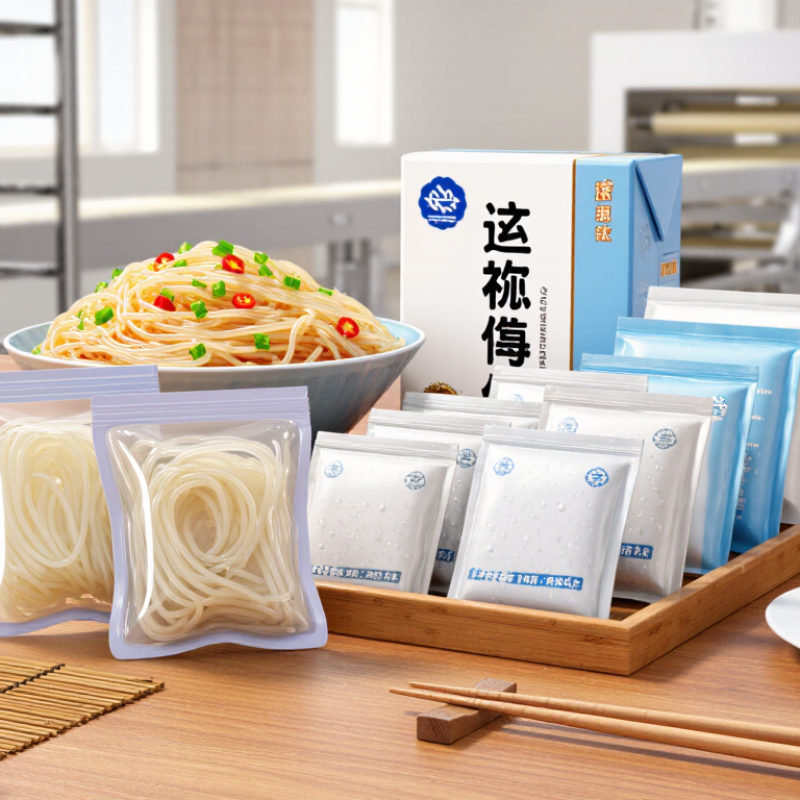
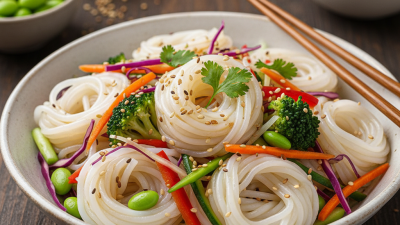
Konjac kuey teow is a noodle-like food made mainly from konjac flour, water, and a setting agent. It has a translucent appearance and a firm, springy bite. Unlike rice noodles, it is valued for its distinctive texture and relatively light composition. The noodles absorb sauces well, but they can release moisture if rinsed poorly.

Global buyers source konjac kuey teow from China because manufacturers offer varied cuts, packaging formats, and export experience. Reliable suppliers should provide ingredient specifications, allergen information, batch records, and food safety documentation. Factory audits also matter. A clean production floor tells more than polished photographs. Buyers may compare dried, wet, or ready-to-eat formats, depending on shipping conditions and local retail needs. Search terms such as Konjac Brothers Konjac Cold Noodles may describe a product style, but buyers should verify the actual manufacturer and specifications.

Tips: Request a sample before placing a large order. Check texture after refrigeration and reheating. Confirm shelf life under the intended transport temperature. Ask whether the packaging protects the noodles from leakage and odor transfer. Taste testing should include local sauces, not only plain noodles. I have found that texture preferences vary sharply between markets. A product that feels pleasantly chewy to one buyer may seem too rubbery to another. That detail deserves honest review.

Key Criteria for Evaluating Konjac Kuey Teow Suppliers

Evaluating Konjac Kuey Teow suppliers requires more than comparing prices.
Start with the ingredient specification. Ask for the glucomannan content, moisture level, additives, and production date. A dependable supplier should provide batch records and clear testing documents. Vague certificates deserve closer questions.

Request samples from different production batches. Cook them in boiling water, rinse them, and check firmness after ten minutes. The strands should remain springy, not rubbery or fragile. Test odor as well. A strong alkaline smell may indicate poor processing or insufficient rinsing. Try a Konjac Knot sample too. Its shape should hold during cooking and packaging.

Factory traceability matters. Review raw material sources, sanitation procedures, metal detection, and staff hygiene controls. Verify whether the facility follows recognized food safety systems and can support destination-market requirements. Packaging should protect the product from leakage, heat, and rough handling. Check carton strength and label accuracy. Also examine minimum order quantities, lead times, private packaging capability, and response speed. Fast replies are useful, but they do not prove technical competence. I would question unusually low prices, especially when testing details are missing. No supplier is perfect. Even experienced buyers can overlook texture changes caused by storage temperature. Keep written sample results, not memory, before selecting a long-term supplier.

Top 10 Konjac Kuey Teow Suppliers for International Buyers

Choosing among the top 10 konjac kuey teow suppliers for international buyers requires more than comparing prices. Experienced buyers should review ingredient specifications, texture, cooking tolerance, and packaging performance. A reliable supplier can provide product samples, batch records, and clear export documents. Ask whether the noodles contain added starch, preservatives, or allergens. Confirm the stated Konjac Kcal value through an independent nutrition review when possible.

During supplier evaluation, inspect the noodles after boiling and rinsing. Good strands should remain firm without a rubbery bite. Packaging should protect the product from moisture, heat, and crushing during long-distance shipping. Request recent certificates, factory audit evidence, and microbiological test results.

Communication also matters. Slow or vague replies may create problems later. I have found that a low quotation can hide higher freight, relabeling, or inspection costs. No supplier is perfect, so keep written records of every specification and approved sample.

Tips for international buyers:

  • Compare at least three quotations using the same requirements.
  • Check carton dimensions before calculating freight.
  • Confirm shelf life, storage temperature, minimum order quantity, and private-label options.
  • Test one small shipment before signing a larger contract.
  • Some buyers overlook local taste preferences, and that mistake can be expensive.
  • Ask for cooking instructions suited to your market, because preparation habits vary between countries.

Product Formats, Ingredients, Packaging, and Customization Options

China Top 10 Konjac Kuey Teow Suppliers for Global Buyers

Konjac kuey teow usually comes in flat strands, round noodles, or rice-shaped pieces. Konjac Rice suits meal kits, ready meals, and low-calorie side dishes. Buyers should request samples in each format. Texture changes after rinsing, boiling, and stir-frying. A practical test reveals more than a product sheet.

Typical formulas use konjac flour, purified water, and calcium hydroxide. Some suppliers add oat fiber, tapioca starch, or cellulose for improved bite. These additions affect texture, nutrition, and labeling requirements. Check ingredient percentages, allergen controls, microbial results, and shelf-life data. A certificate alone is not enough. Batch traceability matters.

Packaging may include retail pouches, food-service bags, or larger cartons. Liquid-packed noodles need secure seals and clear storage instructions. Dry formats require strong moisture barriers. Ask about pouch size, carton count, private labeling, barcode placement, and language support. Custom options can include strand width, portion weight, seasoning sachets, and cooking instructions. Confirm minimum order quantities before approving artwork. Small changes can increase costs unexpectedly. I have found that attractive packaging sometimes hides weak sealing performance, so drop tests and storage trials deserve attention. Some specifications may need revision after cooking tests. That is normal.

Quality Standards, Certifications, and Export Compliance

China Top 10 Konjac Kuey Teow Suppliers for Global Buyers

Global buyers often compare China’s top ten konjac kuey teow suppliers by more than price. Quality begins with controlled konjac flour, clean water, and a documented production flow. Reliable factories should provide batch records, ingredient specifications, and production photos when requested. On-site audits can check floor hygiene, metal detection, water treatment, and storage conditions. Small details matter. A loose carton seal can damage confidence quickly.

Look for HACCP-based controls and recognized systems such as ISO 22000, FSSC 22000, or BRCGS. Halal certification may be important for specific markets. Certificates should show the factory’s legal entity, scope, expiry date, and certification body.

Ask for recent laboratory reports covering microbiological limits, heavy metals, preservatives, and allergens. A certificate alone is not proof of perfect daily performance. Documents can be current while procedures weaken between audits.

Export compliance also depends on accurate labeling and traceability. Each package should show ingredients, nutrition information, net weight, lot code, shelf life, storage conditions, and the responsible importer details required by the destination country. Suppliers should support customs documents, commercial invoices, packing lists, and certificates of analysis. Request pre-shipment samples in final packaging. Test texture after transport, not only on the factory floor. Some evaluations overlook this step, and that mistake deserves reflection. Requirements also change, so buyers should verify rules with local authorities before shipment.

How to Compare Prices, Minimum Orders, and Production Capacity

For global buyers, price comparison starts with the same specification. Ask for konjac kuey teow prices per kilogram, not per carton. Confirm noodle weight, water content, packaging, shipping terms, and testing costs. A 2024 IMARC Group report describes the konjac market as a mid-single-digit growth sector through 2032. That growth can increase demand for stable, repeatable supply.

Request three prices: trial order, standard order, and annual-volume pricing. Compare landed cost, not only factory cost. The World Bank’s Logistics Performance Index 2023 shows meaningful differences in customs reliability and delivery performance across exporting markets. These differences can outweigh a small price discount. Check whether quotations include export documents, inspection, palletization, and temperature-controlled storage. They often do not.

Minimum orders need practical testing. A supplier may accept 500 kilograms for a trial, but require one to five tonnes for customized packaging. Confirm this in writing. Production capacity also needs evidence: monthly output, daily shift hours, drying equipment, and recent production records. Ask for the capacity reserved for your order, not the factory’s total capacity. A low quote can still be the wrong quote. Capacity claims deserve skepticism. This comparison remains imperfect, especially when freight rates change before shipment.

China Konjac Kuey Teow Supplier Benchmark

Anonymous export-market profiles comparing indicative FOB price, minimum order quantity, and annual production capacity for global buyers.

Lower FOB prices and MOQs may reduce initial purchasing costs, while higher annual capacity can support larger or recurring orders. Figures are anonymous benchmark estimates for procurement screening and should be verified directly through supplier quotations and factory audits.

Steps for Selecting and Importing from the Right Supplier

Selecting the right konjac kuey teow supplier requires more than comparing prices. Shortlist ten suppliers and check their factory experience, production capacity, export history, and food-safety systems. Request product specifications, ingredient lists, allergen statements, shelf-life data, and recent laboratory reports. A reliable supplier should explain how konjac flour is processed, how texture is controlled, and how contamination risks are managed.

Order samples before negotiating a large shipment. Examine the noodle texture, odor, package seal, drainage liquid, and cooking performance. Test samples under your expected storage conditions. Small differences can affect customer acceptance. Confirm carton dimensions, net weight, pallet limits, and minimum order quantities. Discuss payment terms, lead time, production schedules, and suitable Incoterms. I have found that vague answers often create costly delays later.

Tips: Ask for a video factory audit or arrange an independent inspection. Confirm that every document matches the shipped product. Check destination-country labeling rules, permitted ingredients, language requirements, customs codes, and import permits before booking freight. Use food-grade packaging with clear batch numbers and expiry dates. Keep written approval for artwork and specifications. Mistakes happen. A second review is worthwhile. After shipment, track temperature exposure, carton damage, and customs clearance, then record supplier performance for the next order.

China Top 10 Konjac Kuey Teow Suppliers for Global Buyers - Steps for Selecting and Importing from the Right Supplier
Anonymous supplier-screening matrix for global buyers. The figures below are practical procurement benchmarks rather than claims about named companies; all commercial, regulatory, and certification details should be verified before contracting.
Rank Anonymous Supplier Profile Typical Product Capability Recommended Buyer Segment Indicative Trial MOQ Indicative Production Lead Time Documents to Request Critical Verification Step Import Readiness Buyer Scorecard Weight
1 Profile A — Export-focused manufacturer Plain konjac kuey teow Retail packs Food-service packs Supermarkets, distributors, and established importers 500–1,000 cartons 25–40 days after artwork approval Specification sheet, COA, HACCP or equivalent food-safety evidence, packing list, commercial invoice, certificate of origin Match the approved sample, label, net weight, and microbiological limits with the production batch High Quality 30%
Compliance 25%
2 Profile B — Private-label specialist Custom packaging Multiple pack sizes OEM development Retail brands and regional grocery chains 1,000–2,000 cartons 35–55 days including packaging production Artwork proof, ingredient declaration, allergen statement, food-contact packaging declaration, COA Confirm ownership and approval of artwork, barcode details, language requirements, and packaging dimensions High Flexibility 25%
Packaging 20%
3 Profile C — High-volume industrial producer Bulk cartons Food-service format Stable year-round supply Wholesalers, restaurant distributors, and manufacturers 1,500–3,000 cartons 20–35 days for standard specifications Factory profile, production capacity statement, COA, batch traceability record, export documents Audit capacity, lot coding, storage conditions, and consistency across at least three batches High Capacity 30%
Consistency 25%
4 Profile D — Organic-oriented producer Organic-positioned products Clean-label recipes Premium packs Health-food retailers and premium online channels 300–800 cartons 30–50 days Valid organic certificate where applicable, ingredient traceability, pesticide or contaminant test results, COA Verify that the certificate covers the exact product, facility, ingredients, and destination-market claim Medium–High Certification 30%
Traceability 25%
5 Profile E — Flexible small-batch supplier Low-volume orders Sample customization Short product runs Start-ups, ethnic-food stores, and test-market buyers 100–300 cartons 20–35 days after specification confirmation Business license, product specification, COA, packing details, commercial invoice, certificate of origin Check whether the quoted MOQ applies to one SKU, one flavor, one package size, or the whole order Medium MOQ 30%
Responsiveness 20%
6 Profile F — Food-service noodle producer Large packs Neutral flavor Restaurant format Restaurants, catering suppliers, and institutional kitchens 500–1,500 cartons 25–45 days Food-service specification, shelf-life evidence, storage instructions, COA, pallet configuration, export documents Test cooking performance, texture after holding, drained weight, and pack integrity under commercial use High Performance 30%
Logistics 25%
7 Profile G — Convenience-food developer Ready-to-eat packs Seasoned formats Shelf-life development Convenience-food distributors and e-commerce sellers 800–1,500 cartons 40–70 days for new formulas Full ingredient list, nutrition data, process description, shelf-life study, COA, label artwork Confirm processing method, storage temperature, expiration-date format, and destination-market labeling rules Medium–High Regulatory 30%
Product fit 25%
8 Profile H — Certified food-safety facility Standardized production Audit-ready records Batch traceability Importers requiring formal supplier approval 500–1,000 cartons 30–45 days Current food-safety certificate, audit report or audit summary, COA, recall procedure, traceability documentation Validate certificate scope, issuing body, validity period, and site address against the production facility High Food safety 35%
Traceability 25%
9 Profile I — Logistics-oriented exporter Export documentation Palletized cargo Mixed-SKU coordination Trading companies and multi-country distributors 300–1,000 cartons 25–45 days plus shipping time Commercial invoice, packing list, bill of lading instructions, certificate of origin, HS-classification support, COA Confirm carton dimensions, gross weight, pallet pattern, container loading plan, and responsibility for customs data High Logistics 30%
Documentation 25%
10 Profile J — Cost-competitive standard producer Basic konjac kuey teow Standard packaging Price-sensitive supply Value retailers and price-sensitive distributors 800–2,000 cartons 25–45 days Product specification, COA, ingredient declaration, packing list, invoice, certificate of origin Compare landed cost rather than unit price, including freight, duties, inspection, relabeling, and possible demurrage Medium Landed cost 35%
Quality 25%
Recommended importing sequence: define the destination-market specification → shortlist suppliers by product fit and compliance → request samples and current documents → conduct product and packaging tests → confirm Incoterms, payment terms, MOQ, lead time, and inspection rights → approve the final label and batch specification → complete pre-shipment inspection → verify customs classification and import requirements with the destination-country authorities or customs broker.

FAQS

How should buyers compare prices for konjac kuey teow?

Compare prices per kilogram using identical specifications. Check noodle weight, water content, packaging, shipping terms, and testing fees. Request trial, standard-order, and annual-volume quotations. Small discounts can disappear after freight and customs costs.

What costs should be included in the landed price?

Confirm export documents, inspections, palletization, storage, freight, and destination charges. Some quotations exclude these items. Compare the final delivered cost, not only the factory price. Freight rates can change before shipment.

How can buyers evaluate minimum order quantities?

Ask for separate quantities for trial orders and customized packaging. A supplier might accept 500 kilograms for testing but require several tonnes later. Get every quantity in writing. This prevents an uncomfortable surprise.

What evidence can confirm production capacity?

Request monthly output, daily shift hours, drying equipment, and recent production records. Ask how much capacity is reserved for your order. Total factory capacity can sound impressive but remain unavailable. Claims deserve skepticism.

What documents should buyers request before ordering samples?

Request specifications, ingredient lists, allergen statements, shelf-life information, and recent laboratory reports. The supplier should explain flour processing and texture control. Ask how contamination risks are managed. Documents must match the shipped product.

What should buyers inspect when testing samples?

Examine texture, odor, package seals, drainage liquid, and cooking performance. Test the noodles under expected storage conditions. Record differences between samples. Small details matter.

Which packaging and shipment details need confirmation?

Confirm carton dimensions, net weight, pallet limits, batch numbers, and expiry dates. Use food-grade packaging with clear product information. Approve artwork and specifications in writing. Keep records.

How can buyers reduce import and delivery problems?

Check destination labeling rules, permitted ingredients, language requirements, customs codes, and import permits. Consider a video audit or independent inspection. After shipment, track temperature exposure, carton damage, and clearance progress. A second document review is worthwhile.

Conclusion

Konjac Kuey Teow is a low-calorie, fiber-rich noodle alternative valued for its chewy texture, light taste, and suitability for various dietary preferences. This guide explains why international buyers source it globally and outlines the main factors for evaluating suppliers, including ingredient quality, product consistency, processing capabilities, packaging options, customization services, and responsiveness to overseas customers.

It also presents a practical framework for comparing leading suppliers without focusing on specific brands. Buyers will learn how to review food safety certifications, export documentation, labeling requirements, minimum order quantities, pricing structures, production capacity, and delivery reliability. The guide concludes with a step-by-step approach to selecting the right partner, requesting samples, verifying quality standards, negotiating commercial terms, and planning import logistics. By using these criteria, global buyers can make informed purchasing decisions and establish dependable, compliant supply relationships for Konjac Kuey Teow products.

Emily

Emily

Emily is a highly skilled marketing professional with over a decade of experience in the konjac product industry. Her deep understanding of the market and its demands has allowed her to develop a diverse portfolio of konjac products, ranging from leisure snacks and instant foods to essential......
Previous 7 Tips for Choosing Konjac Protein Tofu Suppliers?