86+09153618258
Leave Your Message
-
Contact Phone
-
 Contact Email
Konjac Slim Knots are starting to pop up more often for shoppers who want a lighter, noodle-style option. But the name can be a little confusing. It’s not one standardized product that everyone makes the same way. Different brands may use “slim knots” to mean different shapes, textures, and ingredient mixes. This guide looks at ten common types and gets into practical stuff: knot size, how much konjac is actually in there, added starches, the liquid in the package, how you cook them, and how they feel when you eat them.
Dr. Joanne Slavin, a well-known dietary-fiber researcher, once said, “Fiber is an important part of a healthy diet.” That’s helpful context, sure—but it doesn’t magically turn konjac products into miracle food. Konjac usually gives you glucomannan, a soluble fiber that soaks up water. Tolerance varies from person to person, though. So read the label.
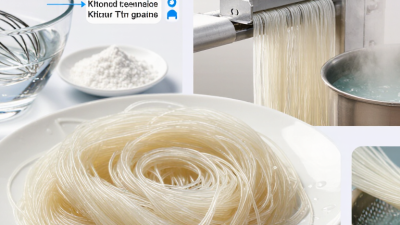
Some products are basically just konjac flour and water. Others throw in oat fiber, tapioca starch, or seaweed extracts. Those differences change firmness, smell, chewiness, and carb count. They also affect how well the knots hold onto sauce. A quick rinse can tone down that package aroma, and a short bit of heating can improve the texture.
This overview compares ten recognizable types of Konjac Slim Knots without pretending marketing talk is science. The ranking is practical, not set in stone. Texture is personal. What feels nicely springy to one person might seem rubbery to someone else. I’ve also left some room for uncertainty, since labels, recipes, and manufacturing standards can change. Check the current packaging, follow the prep instructions, and talk to a professional if you need dietary advice.
What Are the Top 10 Konjac Slim Knots Types?
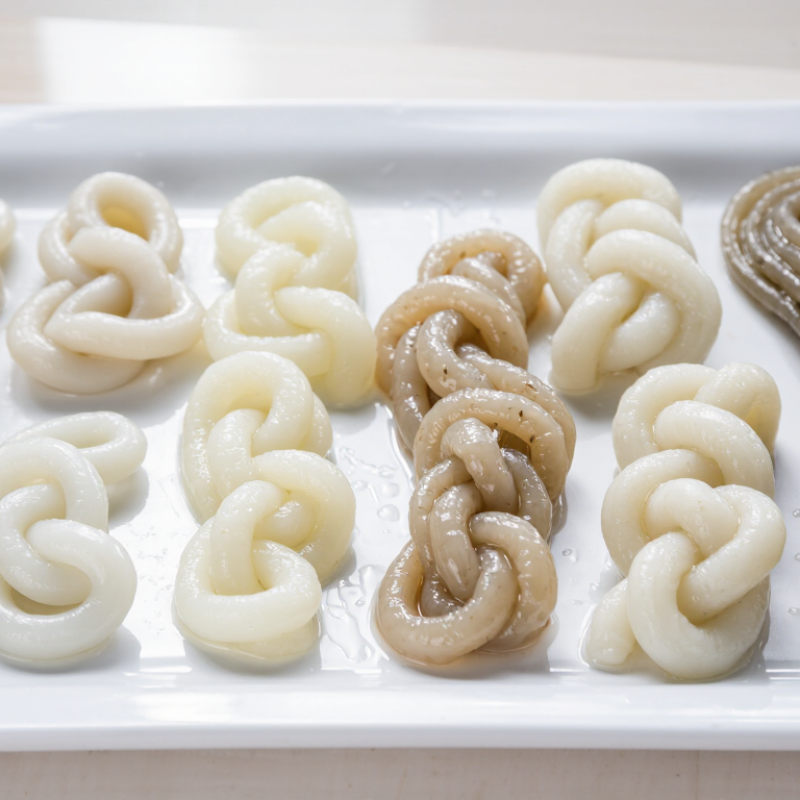
Konjac slim knots are knot-shaped noodles made from konjac glucomannan, a soluble fiber from the konjac plant. Their springy texture resembles pasta, but their calories are usually much lower. “Slim knots” is a market term, not a standardized legal category. Product formulas can differ considerably.
Common types include plain konjac knots, tofu-style knots, spinach knots, pumpkin knots, beetroot knots, tomato knots, mushroom knots, sesame knots, spicy knots, and mixed-vegetable knots. These varieties mainly differ in flavor, color, seasoning, and added ingredients. The knot shape holds broth well, which makes a small bowl feel more substantial. Still, texture matters. Some products feel rubbery after reheating.
Grand View Research has reported continued growth in the global konjac market, supported by interest in low-calorie foods and dietary fiber. EFSA concluded that glucomannan can support weight loss only within an energy-restricted diet, with 3 grams daily divided before meals and taken with sufficient water. That is a condition, not a promise. The U.S. National Institutes of Health also notes that evidence for weight-loss supplements remains mixed.
In practical use, rinse the knots, boil them briefly, and pair them with vegetables and protein. They may replace part of a calorie-dense noodle portion. They cannot replace balanced nutrition. Some people experience bloating or discomfort. Read the label. Hydration and careful chewing are important, especially for people with swallowing difficulties. One limitation deserves honesty: research on the specific “knot” shape is scarce, so claims should focus on glucomannan, not appearance.
| No. | Konjac Slim Knot Type | Typical Shape | Common Culinary Use | Texture and Sauce Absorption | Weight-Management Relevance |
|---|---|---|---|---|---|
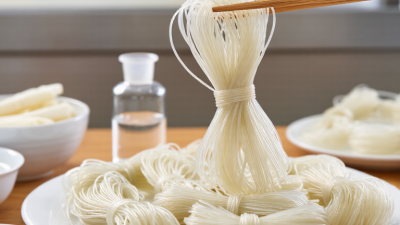
| 1 | Traditional Shirataki Knot | A bundle of thin konjac noodles tied into a compact knot. | Hot pots, soups, noodle bowls, and stir-fries. | Springy and slightly chewy; holds sauces well after rinsing and heating. | Usually low in energy, with prepared products commonly providing about 5–20 kcal per 100 g; can replace part of a higher-calorie noodle serving. |
| 2 | Double Knot | Two linked loops or two smaller knots joined together. | Soup dishes, braised meals, and vegetable-based stews. | Firm and resilient, with a larger surface area than a single knot. | The shape can make a portion look substantial, but total calories still depend on the serving size and accompanying ingredients. |
| 3 | Ribbon Knot | A broad, flat strip folded or tied into a loose knot. | Cold noodle salads, sesame dressings, and light stir-fries. | Broad surface provides good contact with dressings and sauces. | May support lower-calorie meal construction when used with vegetables and a moderate amount of protein. |
| 4 | Flat Konjac Knot | A flattened noodle sheet folded into a simple knot. | Stir-fried dishes, curry-style meals, and broth-based recipes. | Chewy with a relatively smooth mouthfeel and moderate sauce retention. | Can add volume without contributing the same energy as many wheat- or rice-based noodles, although nutritional labels vary by product. |
| 5 | Twisted Knot | A spiral or twisted strand tied into a compact shape. | Spicy broths, hot pots, and savory noodle dishes. | Bouncy and dense; the folds help carry flavorful liquids. | Useful as a lower-energy carrier for strongly flavored meals, but high-sodium sauces can increase the overall nutritional load. |
| 6 | Flower Knot | Several loops arranged in a flower-like or rosette pattern. | Plated soups, celebratory hot pots, and vegetable dishes. | Firm, decorative, and effective at holding broth between its folds. | Its visual volume may improve meal satisfaction, but it does not independently cause fat loss. |
| 7 | Mini Knot | Small individual knots designed for bite-sized portions. | Lunch boxes, small soups, appetizers, and portion-controlled meals. | Tender-chewy and easy to mix evenly with other ingredients. | Convenient for portion awareness; the calorie benefit comes from the overall meal pattern rather than knot size alone. |
| 8 | Wide Noodle Knot | Wide, ribbon-like konjac noodles tied into a loose or compact knot. | Peanut or sesame noodle dishes, curry, and vegetable stir-fries. | More surface area gives sauces a noticeable coating. | Can help reduce the proportion of conventional noodles in a meal while preserving a noodle-like eating experience. |
| 9 | Rice-Style Knot | Short, rice-like konjac pieces gathered or formed into small knots. | Rice bowls, fried-rice-style dishes, stuffed vegetables, and soups. | Soft-chewy with a small bite and good ability to mix with vegetables. | May lower the energy density of rice-based meals when it replaces part of the rice, but texture and nutrition differ from cooked rice. |
| 10 | Tofu-Style Konjac Knot | A thicker, compact konjac piece with a tofu-like block or knotted appearance. | Hot pots, braised dishes, soups, and grilled preparations. | Dense, elastic, and able to remain intact during prolonged cooking. | Can provide a filling, low-energy component, but it is not a complete protein and should be paired with nutritionally balanced foods. |
General note: Konjac knots are made primarily from glucomannan, a water-soluble fiber derived from the konjac plant. Their low energy density may support calorie reduction when they replace higher-calorie noodles or rice. Product nutrition varies, so check the package label, rinse and heat according to instructions, eat slowly, and drink adequate water. Fiber supplements and concentrated glucomannan products may require additional precautions and are not the same as ordinary prepared konjac foods.
The global appetite for convenient meals continues to expand. According to the World Instant Noodles Association, worldwide instant-noodle demand reached approximately 120.06 billion servings in 2023, highlighting the scale of the quick-meal category. At the same time, Innova Market Insights’ consumer trend research identifies convenience, portion control, and better-for-you positioning as important drivers in food purchasing. Konjac noodles respond to these preferences with a light, low-carbohydrate alternative to traditional wheat noodles, served in a practical cup format for busy consumers.
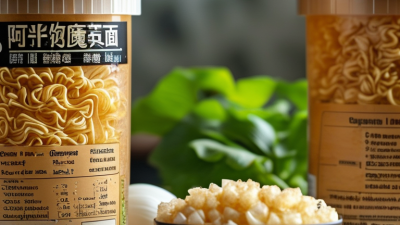
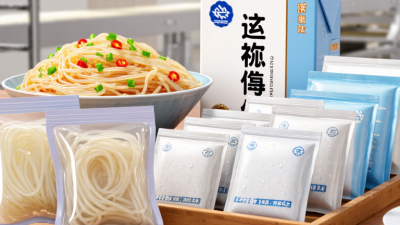
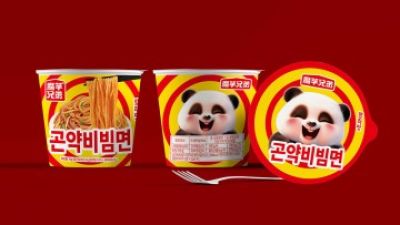
Each 90g cup delivers Korean-style instant noodles in three appealing flavors: Spicy, Hot Chicken, and Sesame Paste. The ready-to-prepare format suits offices, travel, convenience stores, and home pantries, while the bold seasonings provide variety across different taste preferences. Produced in Shaanxi, China, the product offers a 12-month shelf life, supporting efficient inventory planning for retailers and distributors. With a minimum order quantity of 300 cartons and OEM/ODM customization available, buyers can adapt packaging and product presentation for regional markets, private-label programs, and foodservice channels.
They are knot-shaped noodles made from konjac glucomannan, a soluble plant fiber. Their shape holds broth well. They usually contain fewer calories than traditional noodles.
Common varieties include plain, tofu-style, spinach, pumpkin, beetroot, tomato, mushroom, sesame, spicy, and mixed-vegetable knots. Differences usually involve flavor, color, texture, and added ingredients.
They may replace part of a higher-calorie noodle serving. Their fiber can support fullness within an energy-restricted diet. They do not guarantee weight loss. The evidence is limited.
Check calories, fiber, sodium, ingredients, and preparation directions. Plain knots offer better control over oil and seasoning. Wide knots suit thick sauces, while mini knots work well in soups.
Rinse them thoroughly first. Simmer briefly until fully heated. Pair them with vegetables and protein. A small bowl with greens, tofu, and clear broth feels more balanced.
Around 100 to 150 grams prepared is a sensible starting portion for many adults. Eat slowly and chew thoroughly. Low calorie does not mean unlimited.
Never swallow konjac knots dry. Drink water with the meal, but avoid forcing large amounts quickly. People with swallowing difficulties or digestive narrowing should seek medical advice first.
Some people experience bloating, gas, or digestive discomfort. Stop eating if pain, vomiting, persistent bloating, or difficulty swallowing occurs. I sometimes underestimate sauces. The extra oil can matter more than the knots.
Konjac Slim Knots are low-calorie, fiber-rich noodles made primarily from konjac glucomannan, a soluble fiber that can support fullness when included in a balanced diet. They are commonly classified by shape, thickness, firmness, and texture, with the top 10 types ranging from fine, thread-like knots to wider, chewier, and more structured varieties. Their nutritional differences may depend on fiber concentration, added ingredients, seasoning, and whether they are plain, fortified, or combined with other plant-based components.
Choosing the right Konjac Slim Knots depends on dietary goals, preferred texture, and the intended recipe. Fine types work well in soups and light salads, while thicker varieties can replace noodles in stir-fries or hearty meals. Most should be rinsed and briefly boiled, steamed, or dry-fried according to their texture. Beginners should start with modest portions, drink sufficient water, check ingredient labels for allergens or additives, and avoid relying on them as a complete source of nutrition. A varied diet and sensible serving sizes are essential for safe, practical weight management.