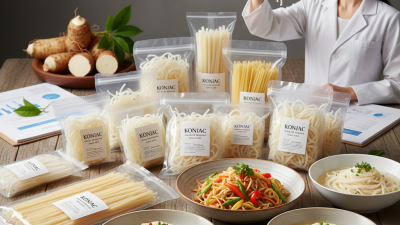
As the global market for alternative flours keeps growing, Konjac Flour Rice has definitely been catching people's attention. Basically, a recent report from the Global Health Association pointed out that folks are looking for healthier, low-calorie food options more than ever. People don’t want to cut taste out of the picture—they want food that’s both good for them and still yummy. Konjac Flour Rice really stands out here because it’s low in carbs, making it a popular pick for those on keto or just trying to cut back on carbs in general.
Health pros often mention the glucomannan fiber in Konjac Flour Rice—it’s supposedly great for digestion and can even help with weight management. A study in the Journal of Nutrition showed that eating more fiber can help you feel fuller longer and might also lower your calorie intake. That’s probably why it’s gaining popularity among folks wanting to eat healthier. But heads up—since not all brands are created equal, it’s a good idea to do a bit of homework before you buy, just to make sure you're getting the real deal.
And honestly, the best thing about Konjac Flour Rice? It’s super versatile. You can toss it into soups, mix it with sauces, or use it in all kinds of recipes. That kind of flexibility is a game-changer given how many different tastes and diets are out there these days. Of course, even with all these benefits, it’s smart to think about your personal needs. If you’re unsure, chatting with a nutritionist might be a good idea before adding something new to your diet.
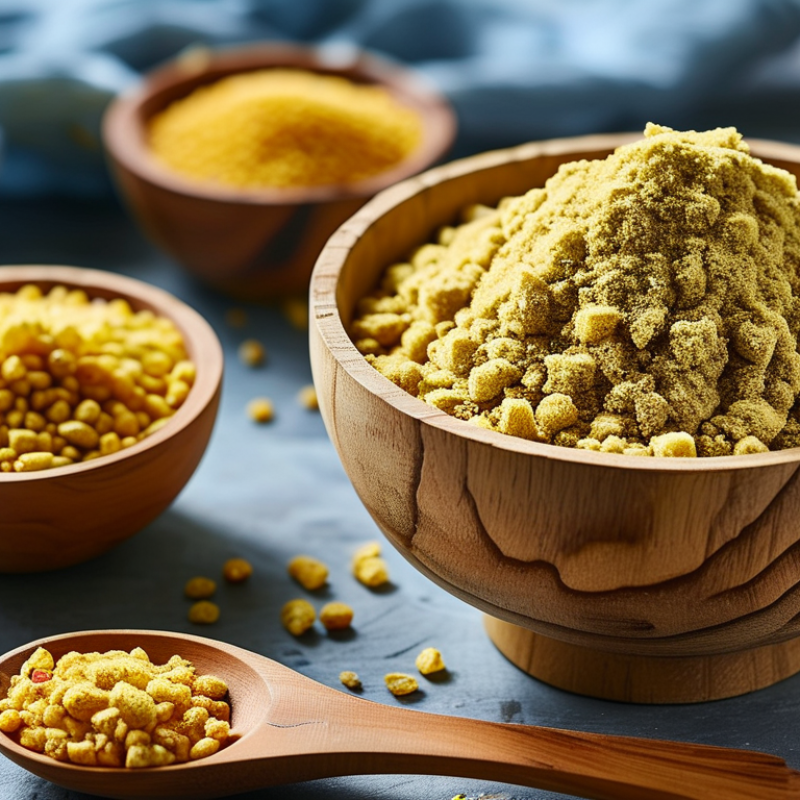
Health Benefits of Konjac Flour Rice for Nutritional Diets
Konjac Flour Rice has gained popularity for its health benefits. Many people seek gluten-free options, and
Konjac Rice
fits that need perfectly. It is low in calories and rich in dietary fiber. This makes it appealing for those monitoring their weight or managing their diet. The high fiber content can promote gut health and aid digestion.
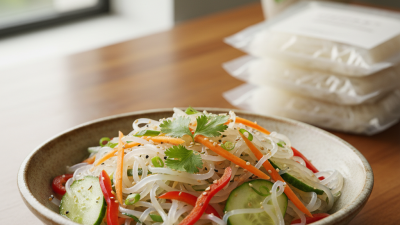
Incorporating Konjac Rice into meals is easy. It absorbs flavors well, enhancing dishes without adding extra calories. For a simple twist, add it to salads or stir-fries. Remember, portion control is key. Overconsumption can lead to digestive discomfort, especially if you're not used to high fiber diets.
Tips for enjoying Konjac Rice: Start with small servings to gauge how your body reacts. Combine it with protein and healthy fats for a balanced meal. Additionally, cooking it with spices can elevate the flavor. While Konjac Rice has many advantages, be mindful of individual dietary needs. Each person’s experience will vary, so listen to your body.
Versatility in Cooking: How to Use Konjac Flour Rice
Konjac flour rice is becoming a popular choice in global kitchens. Its versatility makes it a fantastic ingredient for many dishes. You can use it as a low-calorie substitute for traditional rice. It absorbs flavors well and complements various cuisines. This makes it an exciting addition to your meals.
For those looking to incorporate konjac flour rice into their cooking, there are a few tips. Begin by rinsing the rice thoroughly. This helps to remove any residual odor. Cook it in your favorite broth for added flavor. You can also mix it with vegetables or spices to elevate the taste. Keep in mind, it can become sticky if overcooked, so monitor the cooking time closely.
This rice can also be used in salads and stir-fries. Just toss it with fresh greens, nuts, or proteins for a nutritious meal. Experimenting with different seasonings can reveal new possibilities. Adjusting cooking methods based on personal preferences can lead to delightful new recipes. Always consider your audience’s taste when preparing dishes with konjac flour rice.
Top 10 Benefits of Konjac Flour Rice for Global Buyers
| Benefit |
Description |
How to Use |
| Low Calorie |
Contains very few calories, making it ideal for weight management. |
Use as a rice substitute in meals to reduce calorie intake. |
| High Fiber |
Rich in glucomannan, which promotes digestive health. |
Incorporate into soups or stews for added fiber. |
| Versatile Cooking |
Can be used in a variety of dishes, from stir-fries to desserts. |
Experiment with different cuisines to enhance meals. |
| Gluten-Free |
Safe for individuals with gluten sensitivity or celiac disease. |
Use as a rice alternative in gluten-free dishes. |
| Prebiotic Properties |
Supports gut health by acting as a prebiotic. |
Add to smoothies to promote digestive health. |
| Blood Sugar Control |
May help stabilize blood sugar levels. |
Serve with protein-rich foods to reduce glycemic response. |
| Rich in Nutrients |
Contains essential vitamins and minerals. |
Combine with colorful vegetables for nutrient density. |
| Satiating |
Helps you feel full faster, reducing overeating. |
Ideal to include in meals when trying to control hunger. |
| Easy Preparation |
Quick and easy to prepare, great for busy lifestyles. |
Ready in minutes, just heat and serve. |
| Cost-Effective |
Generally affordable compared to traditional rice options. |
Use as a staple food to cut grocery costs. |
Gluten-Free Alternative: Advantages for Celiac and Gluten Sensitivity
Konjac flour rice is a remarkable gluten-free alternative for those with celiac disease or gluten sensitivity. Made from the konjac root, this rice-like product contains glucomannan, a dietary fiber that promotes gut health. For individuals avoiding gluten, konjac flour rice offers a safe and tasty solution, allowing them to enjoy various favorite dishes without worry.
In addition to being gluten-free, konjac flour rice is low in calories and carbohydrates. This attribute makes it appealing for those seeking to manage their weight. It can expand in the stomach, helping maintain a feeling of fullness. However, it’s important to consume it in moderation. Overindulging can lead to digestive discomfort. Those new to konjac flour might want to start with smaller portions.
The versatility of konjac flour rice is another advantage. It can absorb the flavors of sauces and spices well, making meals satisfying. However, adapting recipes may take some trial and error. Some find its texture slightly different from traditional rice. Experimentation in the kitchen could lead to delicious new recipes.
Low Calorie and Low Carb: Weight Management Benefits
Konjac flour rice has gained popularity due to its outstanding weight management benefits. With minimal calories and low carbohydrates, it's an effective option for those seeking to maintain or lose weight. One serving contains only a fraction of the calories found in regular rice. This makes
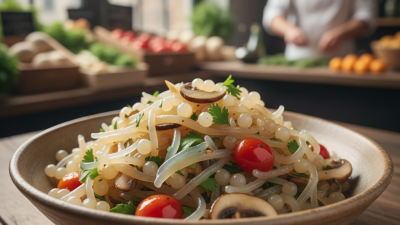
Konjac Fried Rice
an appealing choice for calorie-conscious individuals. Many users report feeling satisfied with smaller portions, which helps control their overall caloric intake.
The unique fiber in konjac flour also plays a crucial role in weight management. This fiber expands in the stomach, promoting fullness and reducing hunger pangs. As a result, incorporating konjac flour rice into meals can help combat overeating. Various recipes use this substitute creatively, allowing for nutritious meals without compromising on flavor. Yet, some people may find the texture different at first. Adjusting to it might take time, but the health benefits are undeniable.
Of course, not everyone will have the same experience. Some individuals might not enjoy the taste of konjac fried rice compared to traditional options. It's essential to consider personal preferences when exploring this alternative. However, for many, the advantages far outweigh initial challenges. Embracing new food choices can be an evolving journey, and konjac flour rice is a compelling addition for those focused on healthier living.
Rich in Dietary Fiber: Impact on Digestive Health
Konjac Flour rice has gained attention for its health benefits, especially its high dietary fiber content. This type of fiber plays a crucial role in digestive health. It absorbs water and forms a gel-like substance. This can help regulate bowel movements and improve overall gut health. Many people who consume Konjac flour report feeling fuller for longer, which may help curb overeating.
Rich in glucomannan, the fiber in Konjac flour is known for its potential to lower cholesterol levels. This natural soluble fiber can bind to fats and sugars in the gut, promoting better absorption and reducing calorie intake. However, it is essential to consume it with sufficient water to avoid gastrointestinal discomfort. Some users have experienced bloating or gas, which suggests moderation is key.
Dietary changes can be effective for many, but they should be approached carefully. Individual responses to high-fiber diets can vary widely. Some may find relief from digestive issues, while others might struggle. It’s essential to listen to your body. Consulting with a nutritionist can provide personalized guidance on incorporating Konjac flour into your diet.
Sustainability: The Environmental Benefits of Konjac Production
Konjac flour rice is gaining traction in global markets, and its environmental benefits are significant. Konjac plants require minimal water, making them suitable for regions facing water scarcity. Their cultivation does not demand large amounts of fertilizers or pesticides, reducing pollution. This natural approach to agriculture supports biodiversity by providing habitats for various species.
The production of konjac contributes to soil health. It can thrive in poor soils, which helps restore degraded land. Moreover, konjac plants absorb carbon dioxide, contributing to carbon sequestration. This feature aligns with modern sustainability goals, promoting climate-friendly agricultural practices. While konjac's sustainability features are appealing, challenges exist, such as ensuring proper harvesting methods to avoid over-exploitation.
Buyers should also consider supply chain practices. Sustainable sourcing is essential to maintain environmental benefits. Transparency in the supply chain can sometimes be hard to verify. Therefore, buyers are encouraged to engage with producers directly. This engagement fosters a better understanding of the growing methods and their impact on the environment. The journey of konjac flour rice holds potential, but it requires careful navigation to ensure true sustainability.
Top 10 Benefits of Konjac Flour Rice for Global Buyers
Global Market Trends: Demand for Konjac Flour Rice in Health Foods
The demand for Konjac Flour Rice in health foods is rising globally. Consumers are increasingly aware of the benefits of low-calorie and high-fiber diets. Konjac Yam Flour, derived from the konjac vegetable, is a favorite among health enthusiasts. It's known for its glucomannan, a type of soluble fiber that aids digestion and promotes satiety. Many people find it beneficial for weight management.
Market trends show that health-conscious buyers are leaning toward gluten-free and low-carb options. The growing prevalence of lifestyle diseases has triggered a shift towards healthier eating. Brands that offer products made from Konjac Yam Flour are meeting this demand. Specialized stores and online platforms now highlight konjac-based foods. However, availability can fluctuate, and not all regions have equal access.
While the potential is clear, education around konjac remains crucial. Some consumers may be unfamiliar with how to use konjac products.
Recipes and cooking tips can help bridge this gap. Additionally, the importance of sourcing
high-quality konjac products is essential for health benefits. Ensuring that the flour is minimally processed adds to its nutritional value.
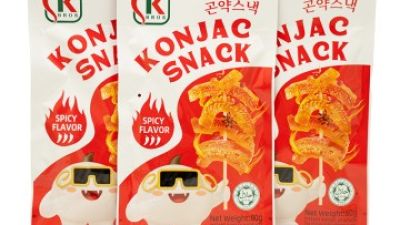
Deliciously Guilt-Free: Exploring the 80g Halal Konjac Snack – Chewy Crisps from China's Leading Suppliers
The 80g Halal Konjac Snack stands out in the realm of instant foods, particularly as consumers shift towards healthier snacking options. With a growing demand for low-calorie, plant-based products, the Konjac Crisp offers an ideal solution. These snacks, derived from the konjac plant, are renowned for their unique chewy texture and ability to satisfy cravings without the guilt associated with traditional snacks. The trend towards healthier eating is supported by industry reports indicating that the global market for healthy snacks is expected to reach $32 billion by 2025, reflecting a significant shift in consumer preferences.
Produced in Shaanxi, China, these crisps not only maintain a shelf life of 12 months but also cater to the Halal market, making them accessible to a broader audience. With a minimum order quantity of 200 cartons, suppliers can efficiently meet varying demands. The 80g packaging is perfectly sized for on-the-go consumption, ensuring that whether at work or at play, these snacks provide a quick energy boost. The texture and flavor profile of the Konjac Crisps engage consumers, with many noting their addictive quality, making them a delightful choice for anyone looking to enhance their snacking experience while sticking to dietary goals.
As health trends continue to evolve, the appeal of low-calorie, guilt-free snacks like Konjac Crisps will likely increase. Market analysis underscores the growing consumer desire for products that not only taste good but also align with healthy lifestyle choices. This positions our Konjac Snacks perfectly within the fast-evolving landscape of nutritious diet-conscious options that promise to cater to health-aware consumers looking for tasty bites without compromising their health goals.
FAQS
: Konjac flour rice is low in calories and carbohydrates. It helps people maintain or lose weight effectively.
The fiber in konjac flour expands in the stomach. This expansion reduces hunger pangs and promotes satiety.
Not everyone will like the taste compared to traditional rice. Personal preferences vary significantly among individuals.
Many recipes use konjac flour creatively. It allows for nutritious meals that do not compromise flavor.
Yes, availability can fluctuate globally. Not all regions have equal access to konjac flour and related foods.
It’s important to be open-minded. Some may find the texture unusual, and adjusting may take time.
High-quality konjac flour ensures better health benefits. Minimally processed options are typically more nutritious.
Yes, konjac flour rice is gluten-free. It appeals to those seeking low-carb and gluten-free options in their diet.
Conclusion
Konjac Flour Rice is emerging as a popular choice among global buyers due to its numerous health benefits and versatility in cooking. This gluten-free alternative is particularly advantageous for individuals with celiac disease or gluten sensitivity. Additionally, it supports weight management with its low calorie and low carbohydrate content, making it an excellent option for those on nutritional diets. The high dietary fiber content in Konjac Flour Rice promotes digestive health, enhancing overall well-being.
Furthermore, the production of Konjac Flour Rice is environmentally sustainable, appealing to consumers who are increasingly concerned about ecological impacts. With rising demand for health-focused foods, global market trends indicate a growing interest in incorporating Konjac Flour Rice into various culinary applications, solidifying its place in the health food industry.
 86+09153618258
 Contact Email