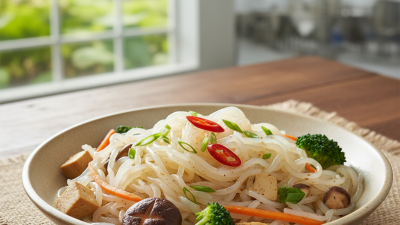
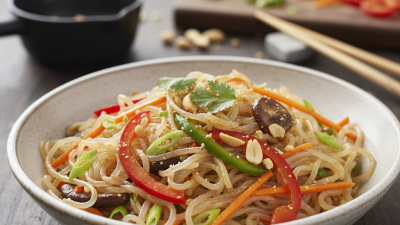
Lately, there's been a noticeable uptick in demand for Konjac Carb around the world. It’s mostly driven by folks who are really into healthy eating and the fact that this ingredient is popping up in more and more products. A recent report from MarketsandMarkets suggests that the global Konjac market could hit around $1.2 billion by 2025, growing at roughly 8.1% annually. That’s pretty impressive, and it really shows how much more people are focusing on dietary fibers and natural food additives these days.
Dr. Emily Zhang, who’s pretty much an authority in this space, pointed out, “Konjac Carb isn’t just some food additive—it's really a smart solution to some of the dietary challenges we face today.” That highlights how key suppliers are helping shape this market. If you're a business looking to add konjac to your lineup, understanding who the top suppliers in China are is pretty important for making sure you get quality stuff.
However, not all suppliers are equal when it comes to quality. Some claim to offer great products, but they might not be totally transparent about where their ingredients come from or how they’re made. This lack of clear standards can cause inconsistency. So, if you're checking out the top 10 OEM Konjac Carb suppliers in China, it’s not just about price or availability—reputation and customer reviews really matter too. Picking the right supplier makes all the difference in keeping your product top-notch and meeting what the market wants.

Overview of Konjac Products and Their Applications in China
Konjac, derived from the root of the konjac plant, has gained popularity in various sectors. Its main component, glucomannan, is a soluble fiber that absorbs water and promotes a feeling of fullness. According to recent reports, the global konjac market is projected to reach USD 1.1 billion by 2027, with China being a significant contributor. This growth is largely driven by the rising demand for low-carb food products. In particular, Konjac Low Carb noodles have emerged as a favored alternative among health-conscious consumers.
The versatility of konjac extends beyond food. It is used in the cosmetic industry as a natural exfoliant and in supplements due to its potential health benefits. A study published in the "Journal of Nutritional Science" highlighted how konjac may aid in weight management. However, reliance on konjac products poses risks such as digestive issues for some individuals. It is essential for consumers to approach these products with caution, especially those with a history of gastrointestinal disorders. Manufacturers should prioritize transparency and provide clear usage guidelines for optimal safety.
Criteria for Selecting OEM Suppliers of Konjac Carbs
When selecting OEM suppliers for konjac carbs, consider their production capacity. A reliable supplier should have the ability to meet large orders consistently. It's essential to evaluate their manufacturing processes. This can reveal their commitment to quality standards. A less efficient process could lead to subpar products.
Next, research their certifications and compliance with international regulations. This adds credibility to their operations. Look for suppliers that have undergone third-party audits. Moreover, communication is crucial. A responsive supplier will address your inquiries promptly, fostering a better partnership. Slow or unclear responses might indicate potential challenges down the line.
Additionally, seek feedback from other businesses that have worked with them. This firsthand experience can illuminate their strengths and weaknesses. It’s worth noting that not all suppliers may be transparent about their practices. Evaluating client testimonials can offer valuable insights, but beware of overly positive reviews that may not reflect reality. Balancing all these factors will help you make a more informed decision.
Top 10 China OEM Konjac Carb Suppliers You Should Know
| Supplier ID |
Location |
Year Established |
Annual Revenue (Million USD) |
Production Capacity (Ton/Month) |
Quality Certification |
| 001 |
Zhejiang |
2010 |
25 |
1000 |
ISO 22000 |
| 002 |
Shandong |
2015 |
30 |
1200 |
HACCP |
| 003 |
Jiangsu |
2005 |
40 |
900 |
FSSC 22000 |
| 004 |
Guangdong |
2012 |
20 |
800 |
ISO 9001 |
| 005 |
Sichuan |
2011 |
15 |
700 |
GMP |
| 006 |
Henan |
2008 |
35 |
1100 |
ISO 14001 |
| 007 |
Hebei |
2013 |
45 |
950 |
BRC |
| 008 |
Liaoning |
2007 |
50 |
1300 |
ISO 50001 |
| 009 |
Anhui |
2014 |
30 |
850 |
KOSHER |
| 010 |
Fujian |
2016 |
28 |
950 |
SQF |
Top 10 Konjac Carb Manufacturers in China: A Comparative Analysis
China has emerged as a leading hub for the manufacture of Konjac products, particularly Konjac carb. A comparative analysis of the top suppliers reveals varying strengths. The market size of the Konjac product industry is projected to reach $800 million by 2026, reflecting a growing demand for healthy alternatives in food. The versatility of Konjac Noodles Carb is a significant factor driving this trend.
Supplier A often stands out for its innovative extraction methods. This efficiency can yield higher-quality Konjac carb with fewer impurities. However, challenges remain. Some suppliers struggle with consistency in product quality. This inconsistency can hinder international trade and lead to dissatisfaction among clients.
Tips: Always assess the certification standards of suppliers. A reliable supplier should show compliance with international food safety regulations. Additionally, scrutinizing product samples for taste and texture before bulk purchasing can save companies significant cost and time down the line.
Supplier C excels in sustainability practices, but may lack in capacity. This raises questions about their ability to meet large orders consistently. Suppliers prioritizing eco-friendly methods can attract environmentally-conscious buyers, yet they must not compromise on product availability.
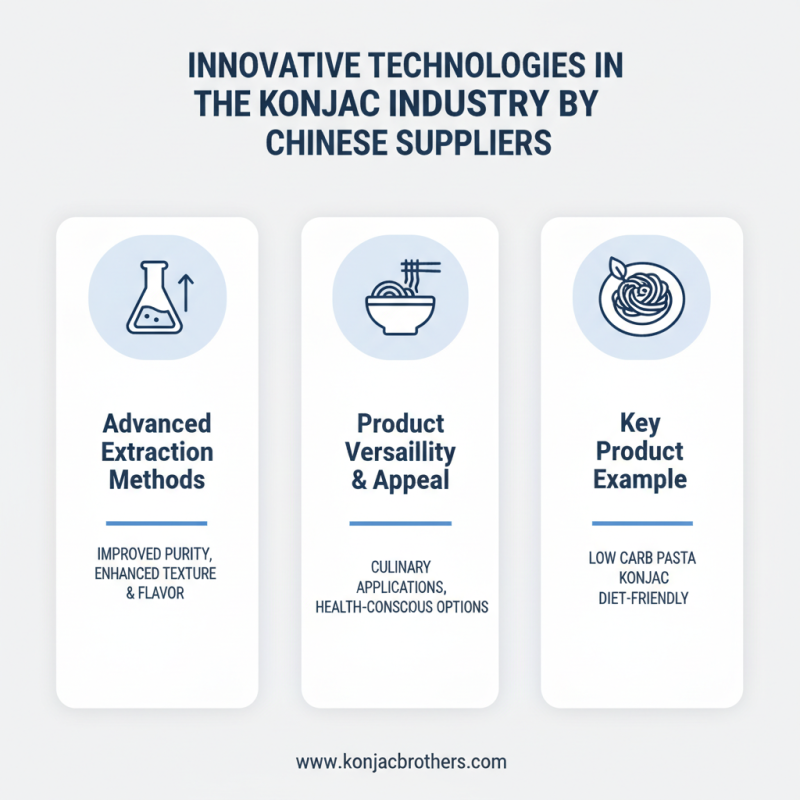
Innovative Technologies in the Konjac Industry by Chinese Suppliers
The konjac industry is witnessing significant innovations driven by Chinese suppliers. They focus on enhancing the quality and versatility of konjac products. Low Carb Pasta Konjac is a prime example, appealing to health-conscious consumers. Chinese suppliers are adopting advanced extraction methods to improve konjac purity. This results in better texture and flavor, making konjac products more appealing in various culinary applications.
Suppliers are also investing in sustainable practices. They ensure responsible sourcing of konjac roots. This approach addresses environmental concerns while maintaining high product standards. However, not every innovation is flawless. Some technologies may require more testing to validate their effectiveness. Industry players should prioritize transparency in their processes, promoting consumer trust.
Tips: When exploring konjac products, look for certifications on packaging. This ensures product quality and authenticity. Be aware of the sourcing of konjac roots, as this can impact nutritional values. It's essential to choose suppliers that focus on innovation while maintaining ethical standards.
Quality Assurance and Certification for Konjac Products in China
In recent years, konjac products have gained significant interest in both domestic and international markets. Quality assurance is crucial in this industry. Various third-party certifications are available, ensuring that products meet safety and quality standards. According to industry reports, around 70% of consumers prioritize certified products. The presence of certification can enhance trust and credibility, especially for suppliers.
Chinese manufacturers of konjac products often pursue certifications such as ISO 22000 and HACCP. These certifications help ensure that processes are safe and hygienic. A study indicates that suppliers without such certifications face a 50% increase in product returns due to quality issues. However, obtaining these certifications can be a lengthy process, sometimes taking up to eight months.
Despite the stringent standards, some suppliers still experience quality fluctuations. This highlights the importance of continuous improvement practices in production. Regular audits and supplier evaluations can help identify potential weaknesses. The journey toward consistent quality in konjac products is ongoing for many manufacturers. The commitment to quality assurance should remain a priority for the industry.
Market Trends: Demand for Konjac Carbs in Various Industries
The demand for konjac carbs has surged across various industries. This growth reflects a shift towards healthier eating habits. The global konjac market is expected to grow at a compound annual growth rate (CAGR) of over 17% from 2023 to 2030. This increase is driven by the rising preference for low-calorie, low-carb alternatives in food products.
In the food industry, Low Carb Konjac Noodles have gained significant traction. Their gelatinous texture and ability to absorb flavors make them a popular choice. Many consumers are actively seeking out these alternatives for their weight management goals. Reports indicate that sales of konjac-based products have doubled in recent years, highlighting a noticeable trend in consumer behavior.
However, the rise of konjac products does bring some challenges. Sourcing high-quality konjac from reputable suppliers is essential. Some manufacturers may sacrifice quality for cost. It's crucial for businesses to vet their suppliers thoroughly to ensure product integrity. The konjac market's future thrives on trust, transparency, and innovation.
Market Trends: Demand for Konjac Carbs in Various Industries
Sustainability Practices Among Leading Chinese Konjac Suppliers
Sustainability is a growing focus among leading Chinese Konjac suppliers. Reports indicate that the global demand for Konjac products is rising due to health and dietary trends. As such, many suppliers in China are implementing sustainable practices to meet these demands responsibly.
Research shows that up to 70% of suppliers are adopting eco-friendly farming methods. This includes using natural pest control and organic fertilizers. These practices not only reduce environmental impact but also enhance product quality. Sustainability reports highlight that these methods can boost yield and lower costs in the long term. However, the challenge remains in balancing traditional farming techniques with modern sustainable practices.
There is also a push for minimizing waste in production. Many suppliers are exploring innovative uses for by-products. For instance, Konjac residue is being processed into animal feed. However, not all suppliers have the resources or knowledge to implement such programs. Industry experts agree that improving education and access to sustainable technologies is crucial for widespread adoption. The journey towards sustainability is ongoing and requires continuous effort and adaptation.
Exploring the Benefits and Versatility of Konjac & Highland Barley Noodles in Modern Cuisine
Konjac and Highland barley noodles have emerged as a fascinating duo in the realm of modern cuisine, celebrated not only for their unique textures and flavors but also for their myriad health benefits. Derived from the konjac plant, konjac noodles are predominantly made up of glucomannan, a soluble fiber known for its low-calorie content and ability to promote feelings of fullness. This makes them an excellent choice for weight management and a popular ingredient among health-conscious consumers. According to recent industry reports, the global health food market has seen an increasing demand for low-calorie, high-fiber alternatives, with fibers like glucomannan gaining substantial attention.
Highland barley, known for its nutritional profile, complements konjac noodles beautifully. Rich in protein, vitamins, and minerals, it not only adds a nutty flavor but also boosts the overall health benefits of the dish. Such a combination offers a versatile base for an array of meal options, whether in stir-fries, salads, or soups. The adaptability of these noodles to various culinary styles is underscored by their growing popularity in both Asian and Western cuisines. Data from market analysis indicates that consumers are now more inclined towards plant-based diets, driving the demand for innovative ingredients that align with the principles of health, sustainability, and taste.
The incorporation of flavors like Spicy & Fragrant and Sesame Paste enhances the appeal of konjac and Highland barley noodles, making them suitable for diverse palates. As dietary trends evolve, these noodles stand out not just for their health benefits, but for their ability to enliven dishes with unique tastes and textures. With a net weight of 280g per bag, they offer convenience and ease of preparation, catering to the busy lifestyles of modern consumers seeking nutritious yet quick meal solutions.
FAQS
: Konjac is derived from the konjac plant. Its main component is glucomannan, a soluble fiber.
The konjac market is growing due to increasing demand for low-carb food options.
Konjac is used in food, cosmetics, and supplements for health benefits.
Yes, some individuals may experience digestive issues. Caution is advised for those with gastrointestinal disorders.
Suppliers are enhancing konjac quality using advanced extraction methods and focusing on sustainable practices.
Certifications ensure product quality and safety, enhancing consumer trust and credibility.
Manufacturers often pursue ISO 22000 and HACCP certifications to meet safety standards.
Yes, quality fluctuations occur, indicating a need for continuous improvement and regular audits.
The certification process can take up to eight months, making it quite lengthy.
Consumers should check for certification and understand the sourcing of konjac roots for better nutritional values.
Conclusion
The article provides a comprehensive overview of Konjac Carb and its diverse applications within various industries in China. It emphasizes the importance of selecting the right OEM suppliers based on specific criteria, ensuring quality and reliability. The top 10 manufacturers of Konjac Carb in China are compared, highlighting their innovative technologies and approaches that drive the industry forward.
Additionally, the piece addresses critical aspects of quality assurance and certification, which are essential for maintaining high product standards. Emerging market trends indicate a growing demand for Konjac Carbs across different sectors, signaling a positive outlook for suppliers. Lastly, the article discusses sustainability practices adopted by leading Chinese Konjac suppliers, reflecting their commitment to environmentally responsible production methods.

 86+09153618258
 Contact Email