inquiry
Leave Your Message
0%

Picking the right Konjac Knot Noodles supplier? Honestly, it takes a lot more than just comparing prices. If you're buying globally, you've got to look at ingredient transparency, processing controls, packaging quality, and whether they actually know their way around exports. A supplier you can rely on should be upfront about konjac flour content, water ratios, additives, allergens, shelf life, and storage needs. All of those little details? They affect texture, smell, how it cooks, and whether customers come back for more.

Food scientist Dr. Kantha Shelke once called food “both science and culture.” That idea really fits here. Konjac Knot Noodles need to hold up across different cuisines, climates, and distribution systems. So ask for recent lab reports, production photos, factory audit records, and real samples. Pay attention to how firm the noodles are. Check the liquid clarity. And don't skip testing after refrigeration and reheating.

The best suppliers tend to offer private-label services, multilingual documents, traceable batch codes, and MOQs that make sense in practice. They should also be able to explain how containers get loaded, how cartons handle moisture, and what happens when shipping gets delayed. Certifications help build trust, sure—but a certificate alone doesn't prove they're consistent every single day. Check who issued it and what it actually covers.

This guide will compare leading Konjac Knot Noodles suppliers by product quality, manufacturing capacity, compliance paperwork, customization, pricing, and logistics. It won't assume the cheapest quote wins. That route often backfires. Some details may still be hard to verify from public sources, so buyers should do their own due diligence before signing anything. A sample can look great. A steady supply record matters way more.
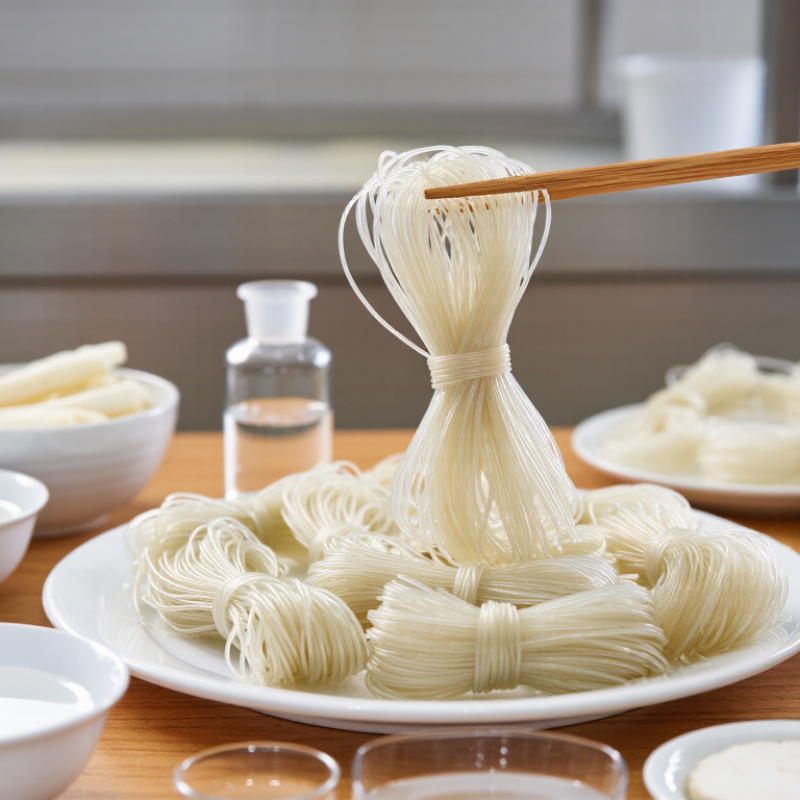
Top Konjac Knot Noodles Suppliers for Global Buyers?

What Are Konjac Knot Noodles?

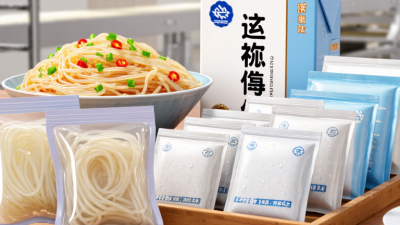
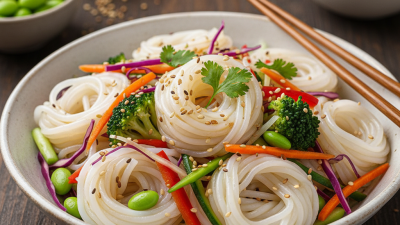
Konjac Knot noodles are shaped noodles made from konjac flour, water, and a setting agent. Konjac flour comes from the root of the konjac plant. It contains glucomannan, a soluble dietary fiber that forms a firm gel. During processing, the mixture becomes elastic and slightly translucent. The noodles are folded into small knots, creating a distinctive appearance and springy texture. They contain very little fat and are generally low in calories. However, they are not identical to wheat or rice noodles. A different bite.

For global buyers, this structure affects cooking, packaging, and quality checks. A reliable supplier should provide ingredient details, production records, allergen information, and batch specifications. Ask for samples before placing a large order. Rinse the noodles well, then heat them briefly with soup, vegetables, or sauce. Their mild flavor absorbs surrounding ingredients rather than dominating the dish. Packaging must prevent leakage and protect the knots from crushing during transport. In my experience, texture can vary slightly between batches, even when the formula appears unchanged. That variation deserves attention. Buyers should compare firmness, odor, knot size, drained weight, and shelf-life documents before approval. Clear specifications make supplier discussions more practical, but they cannot replace physical sample testing.

Key Product Features and Quality Standards

Global buyers should judge konjac knot noodles by measurable quality, not attractive packaging. Grand View Research estimated the global konjac market at about USD 1.1 billion in 2023, with continued growth through 2030. This expansion increases supplier choice, but also increases quality variation.

A reliable product should show clear glucomannan content, consistent knot size, firm elasticity, and a clean, neutral aroma. Buyers should request moisture, pH, viscosity, and microbiological test results for each production batch. The noodles should remain intact after rinsing and three to five minutes of heating. Too much softening suggests weak formulation or poor storage control. It happens.

Food-contact packaging must protect against leakage, oxygen exposure, and contamination. Suppliers should provide ingredient specifications, allergen declarations, traceability records, and certificates from accredited laboratories. The European Food Safety Authority’s scientific opinion on glucomannan highlights the importance of controlled intake and clear consumer information. Exporters should therefore verify labeling requirements in each destination market, rather than copying one universal label.

Quality audits should examine water treatment, sanitation, storage temperature, and finished-product sampling. A supplier’s certificate is useful, but independent verification is stronger. Buyers can compare random cartons, inspect liquid clarity, and measure noodle texture after preparation. These practical checks often reveal problems that documents miss. The BRCGS Food Safety Standard and ISO 22000 provide useful frameworks for reviewing food safety systems, although certification alone cannot guarantee perfect noodles. No batch is flawless. Reliable suppliers explain deviations and correct them quickly.

Top Konjac Knot Noodles Suppliers for Global Buyers? - Key Product Features and Quality Standards

Evaluation Area Recommended Buyer Specification Quality Evidence to Request Global-Buying Relevance
Product format Wet, ready-to-cook konjac knot noodles with a consistent knot shape and clean separation after rinsing. Approved product specification, production samples, cooking test, and batch photographs. Consistent shape improves portion control, retail presentation, and food-service handling.
Primary ingredient Konjac glucomannan sourced from konjac tubers, with the full ingredient list clearly declared. Ingredient specification, supplier approval records, certificate of analysis, and traceability documents. Supports clean-label positioning and helps confirm compliance with destination-market labeling rules.
Texture performance Firm, elastic, and non-mushy texture after rinsing and heating; minimal breakage during cooking. Standardized sensory panel results, cooking instructions, and comparative sample testing. Important for hot-pot, stir-fry, soup, meal-kit, and food-service applications.
Flavor and odor Neutral flavor with no persistent alkaline, chemical, sour, or fermented odor after thorough rinsing. Sensory specification, retained-sample records, and finished-product inspection procedure. A neutral profile allows use with Asian sauces, Western dressings, broths, and ready-meal recipes.
pH control Alkaline processing may be used to set konjac noodles; the finished-product pH should be controlled to the agreed specification. Batch pH results, calibrated-meter records, corrective-action logs, and product specification limits. Consistent pH supports stable texture and helps manage sensory quality and process variation.
Ingredient and allergen declaration Complete ingredient statement, allergen declaration, nutrition information, and country-of-origin details for the target market. Destination-country label review, allergen-control plan, and cross-contact risk assessment. Label requirements differ by market; “gluten-free” or other claims should be supported by validation and testing where required.
Food-safety system Documented HACCP-based food-safety controls covering raw materials, alkaline processing, filling, sealing, and storage. Current HACCP plan, hazard analysis, monitoring records, internal-audit reports, and corrective actions. HACCP evidence is commonly requested by importers, retailers, distributors, and food-service buyers.
Certification options Prefer a facility certified to a recognized food-safety scheme such as BRCGS Food Safety, FSSC 22000, or ISO 22000, when required by the buyer. Valid certificate, scope covering the noodle facility and product category, certification body, and expiry date. Third-party certification can simplify supplier approval and retailer onboarding, but acceptance depends on the buyer.
Microbiological control Finished product should meet the microbiological limits agreed with the importer and applicable destination regulations. Accredited-laboratory reports for relevant organisms, environmental-monitoring records, and release criteria. Testing requirements vary by product process, packaging method, shelf life, and importing jurisdiction.
Packaging options Leak-resistant retail pouches, food-service packs, or private-label formats with reliable seals and clear lot coding. Packaging material declaration, seal-integrity checks, migration compliance documents, and artwork approval process. Packaging must withstand international transport, customs inspection, retail handling, and the selected storage conditions.
Shelf-life validation Shelf life should be established by documented studies under the stated storage conditions; do not rely on an unsupported fixed period. Shelf-life study, storage-condition records, retained samples, and date-coding policy. Validated shelf life helps buyers plan ocean freight, customs clearance, warehousing, and retail rotation.
Traceability Every pack should carry a legible lot or batch code linked to raw materials, processing records, packaging, and shipment data. One-step-back and one-step-forward traceability test, mock recall results, and batch-release records. Strong traceability supports faster investigations, recalls, customs queries, and retailer compliance checks.
Export readiness Ability to provide commercial invoice, packing list, certificate of origin where applicable, health or sanitary documents when required, and accurate shipping marks. Sample export document set, product registration status, lead-time schedule, and confirmed Incoterms. Complete documentation reduces clearance delays and helps buyers compare suppliers on total landed cost.

Buyer note: Specifications, testing limits, certifications, shelf life, and labeling requirements must be confirmed against the supplier’s current documents and the regulations of the destination market.

Leading Regions for Konjac Knot Noodle Suppliers

Southwestern China remains a major sourcing region for Konjac Silk Knot products. Yunnan, Sichuan, and nearby areas grow konjac with suitable mountain climates. Local factories often provide large production capacity and flexible packaging options. Buyers should inspect drying methods, water quality, and batch records carefully. A clear traceability system matters.

Japan is known for refined konjac processing and consistent noodle texture. Japanese suppliers often focus on clean labeling, careful shaping, and controlled moisture levels. Their products may suit premium retail and health-conscious foodservice channels. Southeast Asia is also developing as a practical supply base. Thailand, Vietnam, and Indonesia offer growing processing capacity, competitive labor costs, and useful access to regional shipping routes. Quality can vary between facilities, though.

Europe and North America mainly serve as import, distribution, and private-label hubs. Suppliers there may provide stronger local documentation, warehousing, and customer support. This can simplify deliveries to supermarkets and restaurants. However, regional stock does not always mean regional manufacturing. Buyers should request the actual production location. During sampling, check knot strength, aroma, firmness, and cooking stability. One batch may perform well, while another feels too soft. That inconsistency deserves honest discussion. Ask for recent laboratory reports, allergen statements, packaging specifications, and shelf-life evidence before placing a large order. Small details matter.

How to Evaluate a Reliable Global Supplier

For global buyers comparing top Shirataki Noodles Knot suppliers, reliability begins with evidence, not attractive catalogs. Request product specifications, ingredient details, shelf-life data, and recent laboratory reports. Confirm that each document matches the actual batch and packaging. A dependable supplier should explain production controls clearly, including washing, shaping, sealing, and storage. Ask for samples before placing a large order. Texture matters. The noodles should hold their knot shape after rinsing and heating.

Tips: Check traceability codes, carton strength, minimum order quantities, and export experience. Ask how the supplier manages delays, damaged cartons, and specification changes. Import documents must also match your destination market’s requirements. Small inconsistencies deserve attention.

During evaluation, I compare sample quality with shipment promises. A polished sample can mislead. I once overlooked weak outer cartons because the noodles performed well in cooking tests. That decision would have created unnecessary risk during humid ocean transport. Request photos of pallet loading and review the supplier’s quality records. Independent inspections can add useful confidence, especially for unfamiliar factories. Clear communication is another practical measure. Replies should be specific, timely, and supported by records. Vague answers may indicate weak internal control, although not every small supplier is unreliable. Leave room for that judgment.

Packaging, Certifications, and Export Compliance

Global buyers assessing konjac knot noodles should inspect the package before discussing price. A reliable supplier uses food-grade pouches, strong seals, and moisture-resistant outer cartons. For liquid-packed noodles, the pouch should resist leaks during long ocean transit. Each carton needs a readable lot code, production date, best-before date, net weight, and storage conditions. Small details matter. A damaged seal can turn good noodles into a rejected shipment.

Ask for packaging specifications, product photographs, and samples from the same production line. Shirataki Silk Knot should remain identifiable through consistent naming, ingredient statements, and preparation instructions. Labels may need local language, nutrition data, allergen declarations, importer details, and approved claims. Requirements differ by destination. Do not reuse a label from another market without review. Printed corrections are expensive, and sometimes avoidable.

Request current certificates, not screenshots without verification. Useful evidence may include HACCP plans, ISO 22000 certificates, laboratory reports, allergen controls, and traceability documents. Confirm certificate scope, issuing body, validity, and matching factory address. Export files may also require commercial invoices, packing lists, certificates of origin, and destination-specific food documents. Your customs broker should confirm HS classification and import rules before loading. No checklist is perfect. Supplier answers should be specific, dated, and consistent across documents.

Pricing, Minimum Orders, and Shipping Considerations

Top Konjac Knot Noodles Suppliers for Global Buyers?

Pricing varies sharply by format, ingredients, packaging, and certification. As a practical sourcing benchmark, private-label konjac knot noodles may range from US$0.35 to US$1.20 per 200-gram pack. These figures are indicative, not fixed market prices. Grand View Research valued the global konjac market at approximately US$1.06 billion in 2023, with projected annual growth of about 6.3% through 2030. Growing demand does not guarantee lower quotations. Small trials matter.

Minimum orders often begin at 1,000 to 5,000 retail packs for standard packaging. Custom artwork, printed film, or special seasoning can push the MOQ higher. Buyers should request a complete quotation covering product, carton dimensions, pallet limits, and payment terms. A low unit price can hide expensive setup fees. I would also verify actual shelf life through retained samples, because printed claims are not enough.

Shipping requires equal attention. UNCTAD reports that maritime transport carries over 80% of global merchandise trade by volume, while route disruptions can raise freight costs and delivery times. Ask suppliers for both FOB and delivered estimates, then compare container utilization. Konjac noodles contain substantial water, so freight efficiency may be weaker than expected. Air shipping is rarely economical for routine orders. Temperature limits, customs documents, food-contact packaging, and destination labeling should be checked before payment. Freight changes quickly. Supplier reliability still needs testing.

Top Konjac Knot Noodles Supplier Markets for Global Buyers

The chart presents indicative export-market benchmarks for dried konjac knot noodles. Estimated FOB pricing generally varies with glucomannan content, seasoning, packaging, certifications, and order volume. Minimum orders are commonly quoted by weight, while shipping costs depend on origin, destination, Incoterms, container utilization, and whether the order moves by LCL or FCL. Buyers should request current quotations and confirm lead times before placing an order.

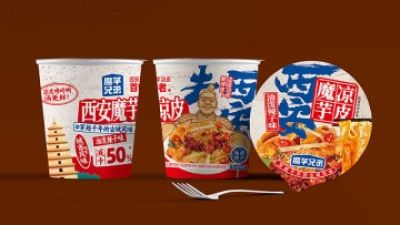
How China Suppliers Are Upgrading 200g/220g Barrel-Style Konjac Cold Noodles with Flavor Options

China suppliers are upgrading 200g and 220g barrel-style konjac cold noodles with convenient cup packaging, distinctive regional flavors, and lighter recipe options. The City Flavor Limited Edition is produced in Shaanxi, a region known for its rich culinary heritage, and is designed for consumers seeking a flavorful yet more balanced meal or snack. The 220g Spicy Oil Splash Flavor delivers a bold, savory kick with 50% fewer calories, while the 200g Sesame Paste Flavor offers a smooth, nutty taste with 30% fewer calories. Both options provide a practical way to enjoy chilled noodles at home, in the office, or while traveling.

For importers, retailers, and foodservice buyers, these konjac noodles combine appealing flavor variety with flexible sourcing support. Each cup has a six-month shelf life and is suitable for retail display, foodservice distribution, and online sales. Suppliers offer OEM customization for personalized packaging and product requirements, with a minimum order quantity of 200 cartons. Through improved flavor development, portion formats, and calorie-conscious positioning, China-made barrel-style konjac cold noodles are becoming a versatile choice for customers who value convenience, taste, and modern dietary preferences.

FAQS

What are konjac knot noodles made from?

They are made from konjac flour, water, and a setting agent. Konjac flour comes from the plant’s root. Its soluble fiber forms a firm gel. The noodles look slightly translucent and feel springy.

How do konjac knot noodles taste and cook?

Their flavor is mild, so they absorb soup, vegetables, and sauce. Rinse them well before heating. Heat them briefly. They can become softer than expected.

How should buyers test product quality?

Request samples before placing a large order. Compare firmness, aroma, knot size, drained weight, and cooking stability. Check several batches, not only one. Texture can vary.

Which regions commonly supply these noodles?

Southwestern China has suitable growing areas and large processing capacity. Japan often focuses on refined shaping and controlled moisture. Southeast Asia is also developing as a supply base. Quality still varies between factories.

What documents should a reliable supplier provide?

Ask for ingredient details, production records, allergen statements, batch specifications, and laboratory reports. Packaging details and shelf-life evidence also matter. Regional stock does not prove local manufacturing. Request the actual production location.

What price range and minimum order should buyers expect?

Private-label packs may cost about US$0.35 to US$1.20 per 200 grams. This is only an indicative range. Standard minimum orders may start around 1,000 to 5,000 retail packs. Custom artwork can increase the minimum.

What packaging and shipping issues require attention?

Packaging should prevent leakage and protect the knots from crushing. Ask for carton dimensions and pallet limits. Compare both FOB and delivered estimates. High water content may reduce freight efficiency.

How can buyers avoid hidden costs and weak claims?

Request a complete quotation, including setup fees, packaging, payment terms, and delivery costs. Check retained samples against printed shelf-life claims. Small details matter. I would not approve a large order too quickly.

Conclusion

Konjac Knot Noodles are a low-calorie, fiber-rich noodle alternative made from konjac flour and water, valued for their springy texture, quick preparation, and ability to absorb sauces. For global buyers, important quality standards include consistent knot shape, clean appearance, neutral aroma, suitable texture, food-grade ingredients, and reliable shelf stability. Leading supplier regions are typically those with established konjac cultivation, food-processing expertise, and efficient export infrastructure.

When evaluating a supplier, buyers should review production capacity, quality-control procedures, product specifications, samples, and communication reliability. Packaging should protect the noodles from leakage, contamination, and damage during transport, while certifications and export documents should match the destination market’s requirements. Pricing decisions should consider ingredients, packaging, customization, minimum order quantities, freight, insurance, and import-related charges. A dependable supplier should provide transparent quotations, realistic lead times, flexible shipping options, and consistent documentation, helping buyers build a stable and compliant international supply chain for Konjac Knot Noodles.
Charlotte

Charlotte

Charlotte is a seasoned marketing professional with over a decade of experience in the konjac product industry. As a key member of her organization, she brings a wealth of knowledge and expertise to the table, regularly updating the company's professional blog with insightful articles that......
Previous What Is the Best Konjac Rice for Global Buyers in 2026?