When it comes to plant-based alternatives, Konjac Vegetarian Tripe really catches the eye. It's a pretty unique option for anyone looking to cut down on meat but still want that satisfying texture. Dr. Amanda Chen, who’s pretty well-known in the world of plant-based foods, mentioned that the texture of this stuff is actually pretty incredible—almost like real tripe. Her comments really boost confidence in this trend, showing it’s got serious potential.
China’s still leading the charge when it comes to Konjac production, being a major player in the OEM export game. Lots of manufacturers are really digging into the nutritional perks of Konjac, a root veggie packed with fiber. With more folks seeking out meat substitutes, Konjac Vegetarian Tripe is fitting right into that market. That said, there are some hurdles—mainly around keeping quality consistent and getting consumers more aware of what this product is all about.
To meet the necessary standards, producers need to understand their processes inside out. Transparency in sourcing and manufacturing isn’t just a good idea—it’s essential. Industry pros say that standing out in this competitive space means staying committed to quality and sustainability. The road ahead for plant-based dishes is definitely promising, full of chances to grow and get better. Jumping into the world of Konjac Vegetarian Tripe might just change how we think about dining, all while boosting health and helping out the planet.
Understanding Konjac and Its Benefits in Vegetarian Cuisine
Konjac, derived from the konjac plant’s root, is a unique ingredient gaining popularity in vegetarian cooking. It offers a firm, chewy texture that mimics meat, especially tripe. This makes konjac an excellent protein alternative for those avoiding animal products. Its gelatinous properties help absorb sauces, enhancing flavor in various dishes.
Nutritionally, konjac is low in calories but rich in fiber called glucomannan. This fiber supports digestion and helps maintain a feeling of fullness. Some studies suggest konjac can assist in regulating blood sugar and cholesterol levels. However, more research is needed to fully confirm these benefits. Despite its advantages, konjac's bland taste means it requires proper seasoning to avoid dull meals.
In vegetarian cuisine, konjac’s versatility stands out. It can be sliced, shredded, or molded, adapting to soups, stir-fries, and stews. Though not perfect for everyone—some find its texture unusual—it provides an exciting way to diversify plant-based diets. Using konjac thoughtfully requires balancing its nutrition and culinary properties to create satisfying meals.
Overview of ODM (Original Design Manufacturer) in the Food Industry
In the food industry, Original Design Manufacturers (ODM) play a crucial role in bringing innovative products to market. They specialize in designing and manufacturing unique food items that meet consumer demands. This model allows businesses to focus on branding and marketing while relying on ODMs for product development. It's an effective partnership that streamlines the supply chain.
The konjac industry has seen significant growth in recent years. As a popular health food, konjac is low in calories and high in fiber. Many companies are exploring the production of
Hot Selling Konjac Vegetarian Hairy Belly Net Red Dormitory Office Snacks Instant Snack.
These items appeal to a growing consumer base seeking quick, healthy options. While the potential is substantial, challenges remain in sourcing quality raw materials and ensuring consistent product quality.
Building a successful ODM relationship demands clear communication and trust. Companies must share their vision and expectations. Yet, there can be misalignments in design and production timelines. It's essential for both parties to reflect and adapt when obstacles arise. A collaborative approach can lead to innovation, but it requires commitment and open dialogue. The food industry is competitive, and continuous improvement is necessary for success.
China's Role as a Leading Exporter of Konjac Products
China has established itself as a major player in the export of konjac products. The konjac plant is valued for its unique properties, including its low-calorie content and health benefits. As a result, products like konjac vegetarian tripe and innovative snacks are becoming increasingly popular worldwide.
China's expertise in processing konjac enables the creation of a variety of products. Among these are the Hot Selling Cool And Spicy Strips Konjac Vegetarian Hairy Belly Net Red Dormitory Office Snacks. These snacks offer a unique flavor experience. They appeal especially to health-conscious consumers looking for delicious alternatives.
Tip: When exploring konjac products, consider the source. Quality varies significantly. Research manufacturers to ensure you choose a reliable exporter. Understanding the production methods can provide insights into product quality.
Ultimately, the demand for konjac products continues to rise. However, challenges in quality control and market fluctuations remain. These factors can create a need for careful evaluation when selecting suppliers. Staying informed about market trends is essential for anyone interested in this growing sector.
Konjac Product Export Data from China (2022)
Key Features of Vegetarian Tripe Made from Konjac
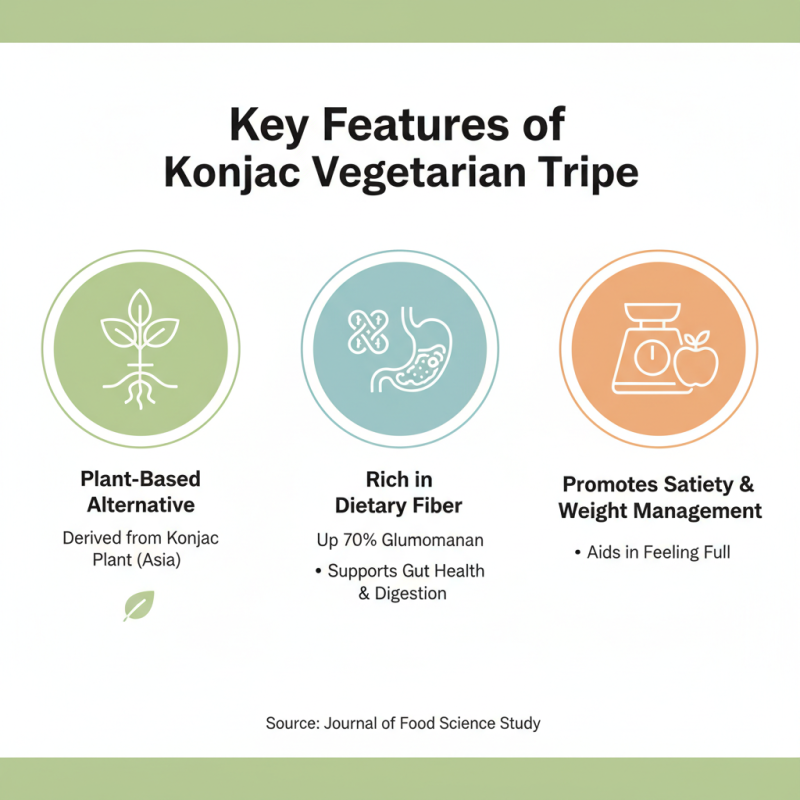
Vegetarian tripe made from konjac has gained popularity in recent years. This unique ingredient, derived from the konjac plant native to Asia, offers an interesting alternative to traditional meat products. Konjac, scientifically known as Amorphophallus konjac, contains glucomannan, a dietary fiber that may promote gut health and weight management. A study published by the Journal of Food Science reported that konjac products can contain up to 70% fiber, which aids in digestion and promotes satiety.
The texture of konjac tripe is often likened to that of real tripe, providing an appealing mouthfeel for consumers. It can absorb flavors well, making it versatile for various culinary applications. According to industry statistics, the global market for plant-based foods is expected to reach $74.2 billion by 2027. Health-conscious consumers are increasingly seeking meat alternatives. Vegetarian tripe accommodates dietary restrictions, making it suitable for vegans and those reducing their meat intake.
While the health benefits are promising, not all konjac products are created equal. Some variations may contain additives or lower-quality ingredients. Quality assurance is vital for those who prioritize healthy choices. Consumers should examine product labels carefully to ensure they choose the best options available. As this market continues to grow, responsiveness to quality and transparency will be crucial for maintaining consumer trust in vegetarian tripe products.
Quality Standards and Certifications for Konjac Exports
When exporting konjac products, quality standards play a crucial role. These standards ensure safety, sustainability, and consumer trust. Adherence to food safety regulations is vital. Exporters must regularly check nutrient levels and potential contaminants. Certifications such as HACCP and ISO can enhance credibility.
Tips: Always verify certification validity before purchasing. This may save time and money later.
Additionally, understanding local regulations is essential for smooth exports. Each market might have specific requirements. Keeping an eye on these can avoid future issues. For instance, bans on certain preservatives may vary from country to country.
Tips: Stay updated on regulations. Attend industry seminars or workshops for insights.
Moreover, communicating with suppliers can reveal valuable information. Reliable suppliers often share their commitment to quality. Check their production processes and sourcing methods. This knowledge helps maintain high product standards. Consider exploring products like Konjac Brothers Konjac Cold Noodles. They exemplify quality and compliance in the konjac market.
Market Trends and Consumer Demand for Konjac Products
The demand for konjac products has surged in recent years. According to a recent market report, the global konjac market is projected to reach $1.2 billion by 2025, growing at a compound annual growth rate (CAGR) of 8.9%. This rise is primarily driven by increased health awareness and the popularity of plant-based diets. Consumers are actively seeking alternatives to traditional meat products. Konjac, known for its low-calorie and high-fiber properties, fits perfectly into these dietary trends.
Market trends reveal that vegan and vegetarian diets are influencing consumer choices significantly. In 2020, approximately 6% of the global population identified as vegan, a percentage that continues to increase. More consumers are aware of the health benefits of konjac, which includes effective weight management. Research indicates that konjac can help reduce cholesterol levels and improve gut health. The unique texture of Konjac Knot appeals to those seeking meat alternatives. However, challenges persist, such as sourcing sustainable ingredients and maintaining quality during transport.
While the prospects seem bright, the market also faces scrutiny. The sourcing of konjac can lead to environmental concerns if not managed responsibly. Companies must ensure that their supply chain is sustainable. The rising consumer demand for transparency puts pressure on exporters to maintain reliable practices. It's essential for those in the konjac industry to reflect on their operational methods while meeting growing consumer expectations.
Choosing the Right ODM Partner for Konjac Export Success
When selecting an ODM partner for exporting Konjac products, careful consideration is essential. The right partner can make or break your business. Look for partners with extensive experience in Konjac production. Their knowledge of sourcing raw materials is invaluable. A trustworthy ODM will have quality control measures in place. This ensures your products meet international standards.
Tips: Always request product samples. This allows you to assess quality upfront. Engage in discussions about production timelines and scalability. Transparency is key to a smooth partnership.
Consider the manufacturer's certifications and credentials. This demonstrates their adherence to quality and safety regulations. Communication is vital; a responsive partner can quickly address concerns. However, be prepared for some bumps in the road. Not all manufacturers will deliver perfection initially. Understanding their processes helps improve future outcomes.
Tips: Build a checklist for assessing potential partners. Include aspects such as factory visits and staff qualifications. Evaluate their flexibility in adjusting to market needs. This can lead to more successful exports.
Conclusion
Konjac Vegetarian Tripe is an innovative and nutritious alternative for those seeking plant-based options in their diet. This article explores the many benefits of konjac in vegetarian cuisine, highlighting its unique properties and health advantages. As an Original Design Manufacturer (ODM), the food industry is seeing a rise in China's role as a premier exporter of konjac-based products.
The article also delves into the key features of vegetarian tripe made from konjac, emphasizing quality standards and certifications essential for successful exports. Moreover, it examines current market trends and consumer demand, reflecting the growing popularity of konjac products. Ultimately, choosing the right ODM partner is crucial for stakeholders looking to succeed in the expanding market of Konjac Vegetarian Tripe.

 86+09153618258
 Contact Email