These days, healthy eating is really taking off, and one of the star players is `Konjac Flour Rice`. It’s gained attention because of its unique benefits, and honestly, more people are jumping on the bandwagon. I came across a recent report from the Health Food Institute that says konjac products have been growing in popularity — about 20% each year for the past five years. That’s pretty impressive, and it just shows how much folks are waking up to low-calorie, high-fiber foods and their perks. Dr. Emily Sinclair, a well-respected nutritionist and all-around expert in healthy eating trends, even mentions, 'Adding Konjac Flour Rice to your diet can really help those trying to stay on top of a healthy lifestyle.'
Understanding Konjac Flour Rice and Its Health Benefits
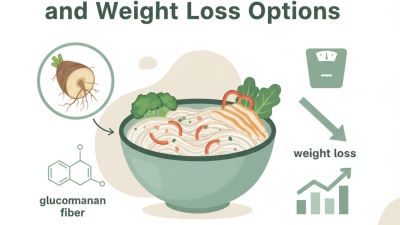
Konjac flour rice, derived from the konjac plant, is gaining popularity as a low-calorie alternative to traditional rice. This unique food product is mostly made up of water and fiber, making it an appealing choice for those looking to reduce their caloric intake. The health benefits associated with konjac flour rice are notable. It contains glucomannan, a soluble fiber that supports digestion and contributes to feelings of fullness. Many find that incorporating konjac rice into their meals helps in appetite control.
Cooking with konjac flour rice can be a new experience. It comes in various forms, such as noodles and rice, and requires a different approach compared to grains. The texture can be slippery and somewhat different from regular rice. To enhance its appeal, many choose to mix it with colorful vegetables and flavorful sauces. This not only improves the taste but also boosts nutritional value. Despite its benefits, some people might find the texture unappealing at first. Adjusting to it takes time.
When integrating konjac flour rice into your diet, experimentation is key. Not every dish may work perfectly with this ingredient. Some might find it best in stir-fries, while others enjoy it in soups. It’s crucial to understand that while konjac rice is healthy, it shouldn't replace all other food sources. Balancing it within a diverse diet is important for optimal health.
Step-by-Step Guide to Cooking with Konjac Flour Rice
Cooking with Konjac flour rice can be a rewarding experience. Its unique properties can add a healthy twist to your meals. This rice alternative is low in calories and high in dietary fiber. Studies indicate that konjac flour can aid weight management due to its satiating effects. Using this ingredient can help people reduce calorie intake without feeling deprived.
To get started, rinse the Konjac Rice under cold water. This removes any residual flavors and enhances its texture. Next, heat a non-stick pan or pot, and add the rinsed rice. Add water or broth to enhance flavor. Remember, konjac rice absorbs liquids well, so adjust the water quantity based on your desired consistency. Cook for about 5-7 minutes, stirring occasionally.
Adding vegetables or proteins can boost the nutritional value of your dish. Sautéed spinach, diced bell peppers, or grilled chicken pair wonderfully with this rice. However, it's essential to experiment with cooking times and textures. Some might find the initial texture challenging. This can lead to adjustments in future preparations. Embrace the process, and don’t hesitate to tweak the method until it suits your taste.
Creative Ways to Incorporate Konjac Flour Rice into Your Meals
When incorporating konjac flour rice into your meals, creativity shines. This gluten-free option is low in calories and high in fiber. It’s perfect for those seeking healthier alternatives. Start by adding konjac rice to salads for a hearty twist. Pair it with vibrant vegetables, a tangy dressing, and protein, creating a satisfying dish. The rice’s ability to absorb flavors enhances every bite.
For a cozy meal, try konjac rice in soups. Its texture adds a delightful element. Combine it with your favorite broth, fresh herbs, and lean meats. The rice swells in the liquid, providing a comforting experience. Whether you enjoy a spicy ramen or a vegetable medley, konjac rice elevates the dish.
Experimentation can lead to mixed results. The texture may not be for everyone. Finding the right balance of flavors is key. Some may find it too bland alone. Adjusting seasoning is crucial. With practice, konjac flour rice can become a staple in your kitchen, bringing health and creativity to your meals.
Nutritional Considerations When Using Konjac Flour Rice
Konjac flour rice has gained popularity due to its low-calorie content and high fiber. It is made from the konjac plant, which is native to Asia. Understanding its nutritional profile is essential when incorporating it into meals. Konjac rice is almost entirely water, providing minimal calories and carbohydrates. However, it lacks protein, vitamins, and minerals commonly found in whole grains.
Enjoying Konjac Fried Rice is not just about the dish itself. It’s essential to balance your meal with nutrient-dense ingredients. Consider adding colorful veggies, lean proteins, or healthy fats to enhance nutrition. A variety of textures and flavors can elevate your meal. Pairing it with lean chicken or tofu can create a more balanced plate.
While konjac rice is an excellent option for weight management, some may experience digestive discomfort. This can happen due to its high fiber content. It’s wise to introduce it gradually to your diet. Listen to your body and adjust your portion sizes accordingly. Remember, healthy dishes should cater to your individual needs.
Nutrition Comparison of Konjac Flour Rice vs. White Rice
This chart compares the nutritional content of Konjac Flour Rice and White Rice. As shown, Konjac Flour Rice is significantly lower in calories and carbohydrates while being higher in dietary fiber, making it a healthier alternative for various dishes.
Popular Recipes Featuring Konjac Flour Rice for Healthy Eating
Konjac flour rice is a versatile ingredient gaining popularity in healthy cooking. It is low in calories and carbs, making it a favorite among those pursuing weight loss or managing diabetes. According to a recent report by the International Journal of Obesity, incorporating konjac products can significantly aid weight management strategies. This gluten-free option is rich in soluble fiber, which promotes satiety and digestive health.
Popular recipes featuring konjac flour rice include stir-fries and salads. By tossing konjac rice with vibrant vegetables and lean proteins, you create a nutritious meal that is both filling and satisfying. A study published in the Journal of Nutrition found that meals with higher fiber content can reduce overall calorie intake throughout the day. Additionally, adding konjac rice to soups provides a hearty texture without the additional calories.
Some users may find the texture of konjac rice different from regular rice. It can be slightly gelatinous, which might not appeal to everyone. Experimenting with different seasonings and cooking methods can help blend the unique texture into your favorite dishes. Starting with small adjustments is crucial for those trying this ingredient. In conclusion, konjac flour rice offers a healthy and innovative way to diversify your meals.
Storage Tips for Maintaining Freshness of Konjac Flour Rice
Storing Konjac Flour rice properly is vital for preserving its quality. This unique flour is known for its low-calorie count and high fiber content, making it a popular choice in healthy diets. According to a study by the International Journal of Food Sciences, Konjac Flour can help manage weight and promote satiety due to its glucomannan content.
For freshness, keep Konjac Flour rice in a cool, dry place. Use airtight containers to prevent moisture absorption. Exposure to air may lead to clumping, impacting the texture. Experts recommend using the rice within six months of opening. This timeline helps maintain its nutritional profile and flavor.
When preparing dishes, remember that the texture of Konjac Flour rice can be an adjustment for some cooks. It’s gelatinous and absorbs flavors well. Overcooking can lead to a mushy consistency, so it’s essential to monitor the cooking time. Experimenting with different seasonings enhances its appeal. Though it’s a healthy option, the learning curve in using Konjac Flour can be steep. Embracing this new ingredient often requires a few attempts to nail down perfect recipes.
Exploring Alternatives to Konjac Flour Rice in Healthy Dishes
When exploring alternatives to Konjac Flour Rice, various options can enhance nutrition. One noteworthy substitute is cauliflower rice. This versatile ingredient offers a similar texture and significantly fewer calories. It’s also packed with vitamins C and K, making meals more nutritious. Cauliflower rice can be easily sautéed, steamed, or even baked to elevate a variety of dishes.
Zucchini noodles present another interesting alternative. Known as “zoodles,” they are low in carbs and calories. Zoodles can add a fresh twist to stir-fries or salads. They soak up flavors well, pairing nicely with various sauces. However, when overcooked, their texture can become mushy. It’s essential to find the right cooking time for optimal results.
Chickpea flour is also worth considering. It's higher in protein than both Konjac Yam Flour and traditional flours. This option could bolster dishes, offering a slightly nutty flavor. It works great in pancakes or as a thickener in soups. Balancing taste and texture is critical when using chickpea flour, as it can easily dominate a recipe if overused.
Deliciously Healthy: Exploring 80g Halal Konjac Snacks - A Crunchy Guilt-Free Delight from China
Deliciously Healthy: Exploring 80g Halal Konjac Snacks - A Crunchy Guilt-Free Delight from China
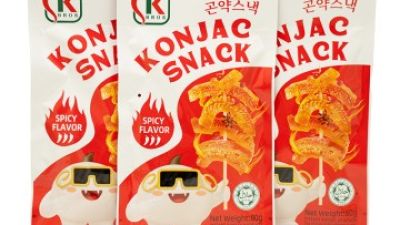
If you're searching for a guilt-free snacking option that delights your taste buds, look no further than the 80g Halal Konjac Snacks. These crunchy crisps bring together a unique blend of chewy texture and zesty flavors, making them the ultimate instant snack for those on the go. Each bag is packed with low-calorie goodness, allowing you to enjoy a delightful treat without the worry of excess calories. Whether you are at work, running errands, or simply lounging at home, these Konjac Crisps deliver a satisfying crunch that you won't be able to resist.
Originating from the Shaanxi province in China, these snacks are crafted in a trusted facility, ensuring quality and taste in every bite. The convenient 80g packaging, available in bulk options, makes it easy to stock up for those busy days when a quick snack is needed. With a shelf life of 12 months, these crisps are not only a delicious choice but also a practical one. Experience a new level of snacking with these flavorful, halal-certified Konjac snacks that promise to elevate your snack game while keeping your health in check.
FAQS
: Konjac flour rice is a low-calorie, low-carb ingredient rich in soluble fiber. It's popular for healthy eating.
It promotes satiety and reduces overall calorie intake, aiding weight loss strategies.
You can use konjac rice in stir-fries, salads, and soups for a nutritious meal.
Yes, it has a slightly gelatinous texture that may not appeal to everyone right away.
Keep it in a cool, dry place, in airtight containers to prevent moisture and clumping.
It’s best to use within six months to maintain its quality and nutritional value.
Yes, experimenting with seasonings and cooking methods helps blend its unique texture into dishes.
Overcooking can lead to mushiness. Monitor cooking time for the best consistency.
Yes, it may take a few attempts to perfect your recipes with this ingredient.
Adjust seasonings and incorporate it into familiar dishes. This helps enhance its flavor.
Conclusion
Konjac Flour Rice is a versatile and health-conscious alternative to traditional rice, celebrated for its unique properties and health benefits. This article outlines the various aspects of cooking with Konjac Flour Rice, starting with an understanding of its nutritional advantages, including its low-calorie and high-fiber content. A step-by-step guide offers practical tips for preparation, ensuring a seamless cooking experience.
Creative methods to incorporate Konjac Flour Rice into meals enhance dietary variety, while popular recipes provide inspiration for healthy eating. The article also addresses nutritional considerations, ensuring that users are informed about how to optimize their meals. To maintain the quality of Konjac Flour Rice, effective storage tips are included, along with an exploration of alternatives for those seeking different options in healthy dishes.

 86+09153618258
 Contact Email