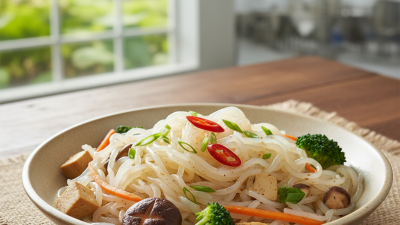
Lately, more and more folks who care about their health are really into exploring different food options. Have you heard of Konjac Pasta? It’s been gaining quite a bit of popularity, mainly because it’s low in calories but packed with fiber. I read a recent report from Grand View Research, and it turns out that the global market for konjac products was worth about 1.3 billion dollars in 2022. What’s interesting is that this market is expected to grow at a compound annual rate of around 9.5% from 2023 all the way to 2030. Sounds like more people are choosing healthier options, huh?
So, what’s konjac pasta made of? It comes from the root of the konjac plant — also called konjac glucomannan. That’s what gives it its unique texture and those dietary benefits everyone’s after. Many companies are focusing on sourcing sustainably and coming up with creative ways to produce it, but, honestly, keeping the quality consistent can be a bit of a challenge. Some brands still struggle with getting the right texture and flavor, which just goes to show there’s room for improvement in how it’s made.
As this market continues to grow, it’s really important for brands to figure out how to make top-notch konjac pasta. Leading the charge are companies like Miracle Noodle and Explore Cuisine, who offer really high-quality products. Still, transparency is key — consumers want to know where their ingredients come from and what’s in their food, especially when it comes to something like konjac. It’s always a good idea to pay attention to the sourcing and nutritional info before you pick your favorite product.
What is Konjac Pasta and Its Origin in Chinese Cuisine
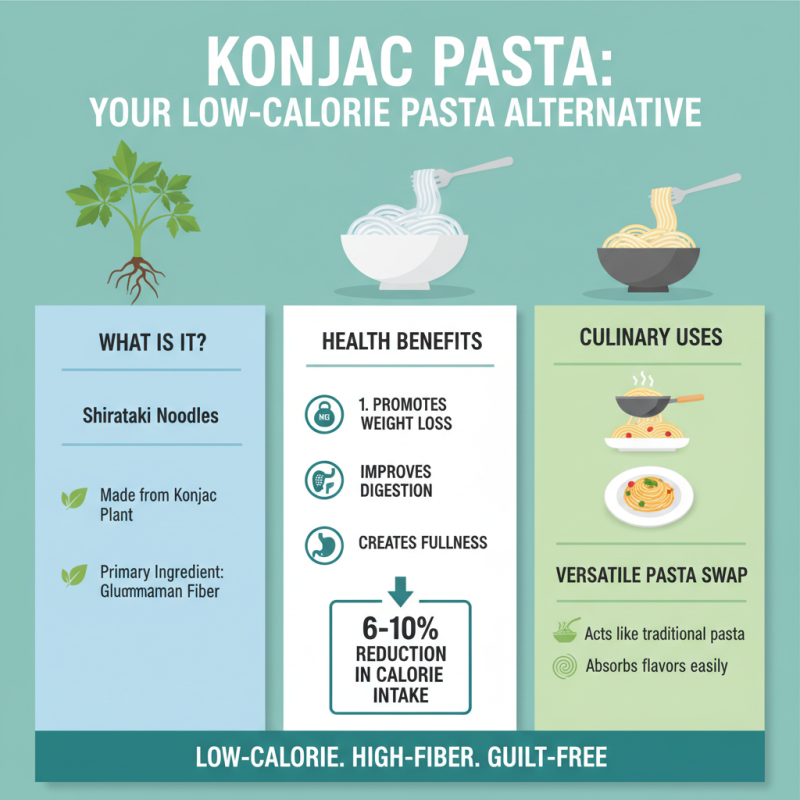
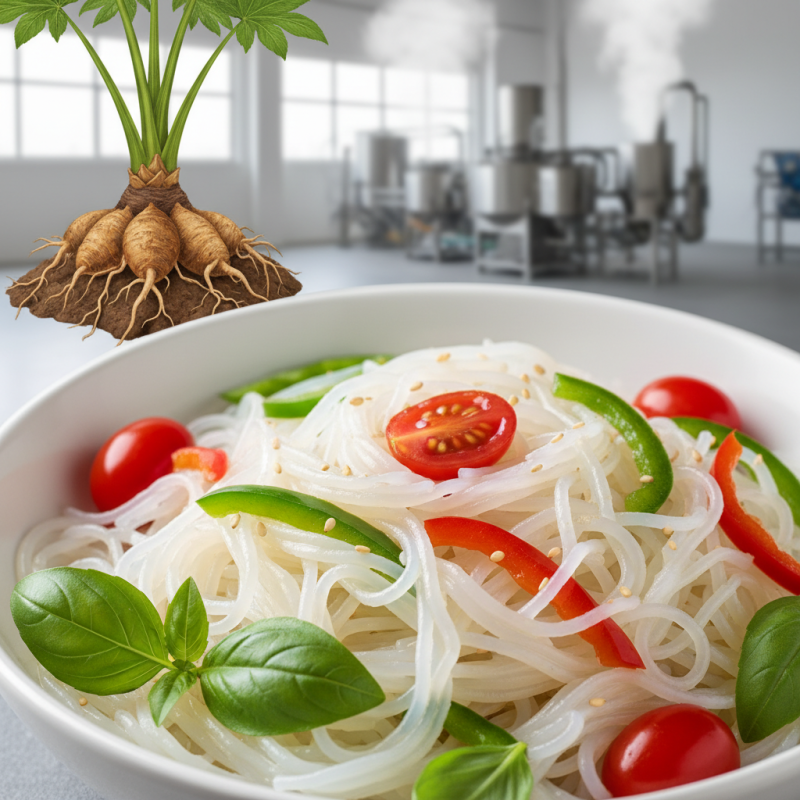
Konjac pasta, also known as shirataki noodles, traces its roots deep into Chinese cuisine. Made from the konjac plant, it has been used for centuries. The konjac plant grows primarily in Asia, particularly in Japan and China. Its dense, starchy corm is rich in glucomannan, a type of soluble fiber. This is what gives konjac pasta its unique texture and ability to absorb flavors.
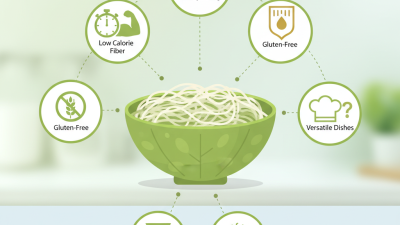
In traditional Chinese dishes, konjac has been praised for its health benefits. It is low in calories, making it a popular choice for those watching their weight. A serving of konjac pasta contains minimal calories, often less than 10 kcal, which raises questions about its nutritional value. People enjoy it for its versatility, as it can be incorporated into soups, stir-fries, and salads. However, some find its unique texture challenging.
The process of making konjac pasta involves grinding the corm into a powder, which is then mixed with water and shaped into noodles. This simple method creates a product that is gluten-free and vegan. Yet, the texture may not be satisfying for everyone. The need for reflection lies in how it fits into diverse diets. Not everyone will enjoy the flavor and mouthfeel of konjac pasta, even with its positive attributes like low calories, specifically Pasta Konjac Kcal per serving.
Key Ingredients Used in Wholesale Konjac Pasta Production
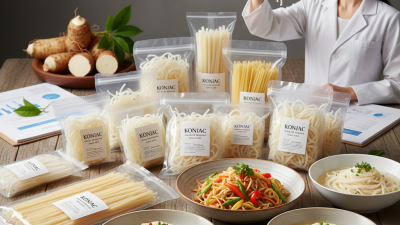
Konjac pasta, known for its unique texture and health benefits, is crafted primarily from konjac flour. This flour is derived from the root of the konjac plant, native to Asia. To create the pasta, water is mixed with konjac flour to form a thick gel-like consistency. It is then shaped into various pasta forms such as noodles or rice. The process requires precise control over temperature and mixing to ensure optimal texture.
Key ingredients in konjac pasta production include konjac flour and water. Some manufacturers may add calcium hydroxide, which helps set the pasta's structure. This ingredient is crucial for achieving the firm bite that distinguishes konjac pasta from regular pasta. However, the use of additives can vary among producers, raising questions about the consistency of texture and quality.
While konjac pasta appeals to health-conscious consumers due to its low-calorie content, it may not satisfy everyone’s palate right away. Some find its slightly chewy texture unusual. There’s also the issue of sourcing high-quality konjac root, which can be challenging. In the realm of food production, achieving uniformity and flavor can be a labor of love and experimentation, leading to different outcomes in final products.
Wholesale China Konjac Pasta Production - Key Ingredients and Their Usage
The Manufacturing Process of Wholesale Konjac Pasta
Konjac pasta has gained traction in recent years, particularly among health-conscious individuals. Its low-calorie and low-carbohydrate attributes make it popular in various diets, especially the keto diet. However, how is this unique pasta made? The manufacturing process of wholesale konjac pasta involves several technical steps.
First, konjac root is harvested and processed. This root contains a natural fiber called glucomannan. It is soaked and ground into a fine flour. This flour is mixed with water, creating a thick gel-like substance. The gel is then heated and shaped into various forms of pasta. Reports indicate that the global konjac market is projected to reach nearly $1.5 billion by 2025. This growth underscores the rising demand for Pasta Keto Konjac.
Quality control is crucial during manufacturing. Factors like moisture content and texture must be monitored closely. Variations in the production process can lead to inconsistent products. Some manufacturers struggle with maintaining a uniform texture. This inconsistency can affect consumer satisfaction. As the market evolves, so too must manufacturing techniques to ensure top-quality konjac pasta.
Different Types of Konjac Pasta Available in the Market
Konjac pasta has gained popularity due to its unique texture and low-calorie count. This pasta is created from the konjac plant, which is native to Asia. Different types of konjac pasta are now widely available. These options cater to various dietary needs and preferences. Shirataki noodles are the most recognized, thanks to their famous gelatinous form. They are often used in soups or stir-fries.
Another type is konjac fettuccine, which offers a broader surface area. This makes it perfect for creamy sauces or heavy toppings. For those looking for more variety, konjac rice is also an option. It resembles traditional rice but carries fewer calories, making it suitable for those on a diet.
While konjac pasta is a fantastic substitute, some may find the texture unusual. It's essential to rinse the noodles before cooking. This step can help improve their taste and soften the overall experience in dishes. Despite its benefits, a sudden switch to konjac products may require an adjustment period. It's critical to remain aware of your body’s response as you explore these alternatives.
Nutritional Benefits of Consuming Konjac Pasta
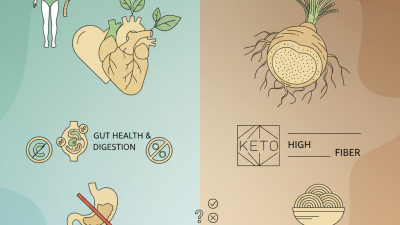
Konjac pasta is made from the konjac plant's root, known for its high fiber content. This pasta is often low in calories and carbohydrates. It serves as an excellent alternative to traditional pasta. The key ingredient is glucomannan, a soluble dietary fiber that provides numerous health benefits.
One of the standout features of konjac pasta is its ability to promote satiety. Eating konjac pasta can help you feel full longer. This can be especially beneficial for those looking to manage their weight. The low-calorie nature of konjac pasta allows you to enjoy larger portions without the added calories.
Tips for Enjoying Konjac Pasta:
- Rinse well before cooking. This can help improve its texture and remove any residual odors.
- Pair it with flavorful sauces and fresh vegetables. This enhances the taste and makes meals more satisfying.
- Consider adding protein sources like chicken or tofu for balanced nutrition.
Incorporating konjac pasta into your diet can lead to better digestive health. Its high fiber content supports gut function. Some may find its texture takes getting used to. Experimenting with different cooking methods can help achieve your preferred consistency.
Culinary Uses and Recipes for Konjac Pasta
Konjac pasta, often called “shirataki noodles,” is a low-calorie alternative to traditional pasta. It is made from the konjac plant, primarily composed of glucomannan fiber. This fiber has shown the ability to promote weight loss and improve digestion. Reports indicate that konjac can absorb significant water and create a feeling of fullness. Recent studies estimate a 6-10% reduction in calorie intake for individuals who incorporate konjac into their meals.
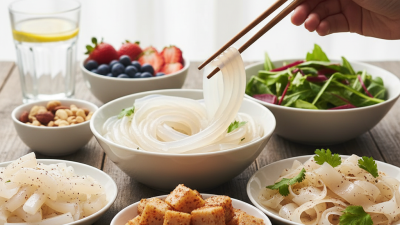
Culinary uses for konjac pasta are diverse. It serves well in Asian cuisine, often paired with stir-fried vegetables or savory broths. Consider creating a stir-fry with colorful bell peppers, broccoli, and a light soy sauce. Konjac can also absorb flavors from spices and sauces. Try adding it to a rich tomato sauce or a spicy curry. Experimenting with these combinations can lead to delightful dishes without compromising nutritional goals.
Yet, there are challenges. Some find the texture of konjac pasta unfamiliar. It can feel slippery or gelatinous, a stark contrast to traditional pasta. Adjusting to this unique mouthfeel may take time. Additionally, ensuring proper preparation is key to enhancing its appeal. Rinse and cook it well to reduce the naturally occurring odor. Finding that balance could lead you to discover innovative recipes featuring Pasta Konjac Slim.
Wholesale Market Trends and Consumer Demand for Konjac Pasta
The demand for konjac pasta has surged in recent years, driven by health-conscious consumers. This gluten-free, low-calorie alternative to traditional pasta offers many benefits. It is rich in glucomannan, a dietary fiber that promotes digestive health. As more people adopt low-carb diets, konjac pasta becomes a popular choice, particularly for those following Keto diets.
In the wholesale market, trends are shifting towards plant-based products. Many consumers are interested in cleaner labels and health benefits associated with konjac pasta. Retailers are responding by expanding their product lines. They now offer various shapes and flavors of Pasta Konjac Keto options. However, producers face challenges in meeting increasing demand. Sourcing consistent quality ingredients can be tough. Ensuring the right texture and taste remains a work in progress.
As consumer preferences evolve, manufacturers must adapt. Education about konjac's health benefits can boost sales. By sharing preparation tips and recipes, brands can enhance consumer experience. Growth in the wholesale sector calls for innovation in production methods and packaging. It's essential to remain attuned to market trends and consumer feedback. This will help refine products and improve overall satisfaction in the ever-changing landscape of health foods.
What is Wholesale China Konjac Pasta and How is it Made?
| Dimension |
Data |
| Product Type |
Konjac Pasta |
| Ingredients |
Konjac flour, Water |
| Calories per Serving |
10 calories |
| Cooking Time |
5-10 minutes |
| Market Growth Rate (2023) |
15% annually |
| Key Consumer Demographic |
Health-conscious individuals |
| Main Selling Regions |
Asia, North America, Europe |
Exploring the Flavorful World of Konjac & Highland Barley Noodles: A Spicy and Nutty Delight from China
In recent years, the trend of healthy eating has led to an increased interest in alternative noodle options, particularly those made from konjac and highland barley. These unique noodles offer a delightful balance of flavors and texture, appealing to both health-conscious consumers and adventurous foodies alike. According to a report by Grand View Research, the global gluten-free market is expected to reach USD 33.4 billion by 2025, showcasing a robust demand for alternatives to traditional wheat-based products. Konjac and highland barley noodles fit perfectly into this trend, providing a gluten-free, low-calorie option that does not compromise on taste.
The flavor profile of konjac and highland barley noodles is particularly enticing, with varieties such as spicy & fragrant and sesame paste appealing to diverse palates. These flavors not only enhance the eating experience but also complement a wide array of dishes, from stir-fries to salads. A study conducted by Food Quality and Preference highlights how flavor plays a crucial role in food choices, indicating that consumers are more likely to incorporate healthier options into their diets if they enjoy the taste. As a result, these noodles are more than just a dietary alternative; they represent a fusion of health and culinary enjoyment, bridging the gap between taste and nutrition.
As more individuals become aware of their dietary choices and seek innovative options, the demand for konjac and highland barley noodles continues to rise. With their origins steeped in the rich heritage of Chinese cuisine, these noodles not only provide a unique gustatory experience but also celebrate cultural traditions. The growing popularity of these products signals a shift towards embracing diverse ingredients that can enhance overall well-being while satisfying culinary cravings.
FAQS
: Konjac pasta is made from the konjac plant. This plant is native to Asia and rich in glucomannan fiber.
Popular types include shirataki noodles, konjac fettuccine, and konjac rice. Each type has unique textures for various dishes.
Rinse konjac pasta before cooking. This step helps soften the texture and reduce any undesirable odors.
Konjac pasta is low in calories and can promote weight loss. It may also improve digestion due to its fiber content.
Yes, konjac pasta works well in recipes like stir-fries or soups. It absorbs flavors from spices and sauces effectively.
Some people find the texture slippery or unusual. Adjusting to this feeling may take time and experimentation.
Demand is growing, especially among health-conscious consumers. Many seek gluten-free and low-calorie dietary options.
There's a shift towards plant-based products and cleaner labels. Producers are striving to meet increasing demand efficiently.
Yes, educating consumers about its benefits and preparation can enhance their experience and increase sales potential.
Adapting to consumer feedback and refining ingredients can lead to better texture and taste, enhancing satisfaction levels.
Conclusion
Konjac Pasta, originating from traditional Chinese cuisine, is made from the konjac root, a naturally low-calorie and high-fiber ingredient. The production of wholesale Konjac Pasta involves extracting the glucomannan from the konjac root, which is then processed into various noodle shapes. This pasta comes in several types, catering to diverse culinary preferences, and has gained popularity due to its numerous nutritional benefits, including aiding digestion and promoting weight loss.
Incorporating Konjac Pasta into meals is simple, making it a versatile ingredient in various recipes, from stir-fries to salads. With the rising consumer demand for healthy and low-carb food options, the wholesale market for Konjac Pasta is experiencing significant growth. As consumers increasingly seek nutritious and innovative food alternatives, Konjac Pasta stands out for its health advantages and culinary flexibility.

 86+09153618258
 Contact Email