In today's super competitive market, getting to know products like Konjac Carb can really be a game-changer for businesses. This natural stuff, coming from the root of the konjac plant, has been catching on for its versatility. More and more companies are starting to explore how they can use it to boost their products. With folks paying more attention to health-conscious options, Konjac Carb is definitely looking pretty attractive right now.
For manufacturers on the hunt for fresh, innovative solutions, Konjac Carb isn’t just good for customers—it’s good for their wallets too. It works as a thickener, emulsifier, and stabilizer, making it a hit across different industries like food, cosmetics, and pharma. But honestly, sourcing top-quality Konjac Carb isn’t just a walk in the park; you’ve gotta do your homework. Partnering with reliable suppliers who hold certifications like ISO and CE is pretty much a must.
Looking ahead, especially with big events like the upcoming Canton Fair on the horizon, businesses really need to double down on products that are in tune with current market trends. Plus, with AI now playing a bigger role in procurement, it’s easier than ever to find the right suppliers quickly and efficiently. Still, it’s important for companies to step back and reconsider their sourcing strategies. Jumping on the bandwagon with ingredients like Konjac Carb can definitely help them grow, but doing proper research and being ready to adapt is crucial if you want to succeed.

What is Konjac Carb and Its Role in Wholesale OEM Products?
Konjac Carb, derived from the konjac plant, is gaining attention in the wholesale OEM market. This natural ingredient is low in calories and rich in dietary fiber. It is often utilized in food products aimed at consumers looking for low-carb options. The unique texture of Konjac Carb allows it to be used in various applications, from noodles to snacks. Manufacturers appreciate its versatile nature.
Incorporating Konjac Low Carb into products can be beneficial. It provides a guilt-free alternative to traditional ingredients, appealing to health-conscious consumers. The fiber content promotes fullness, assisting in weight management. However, some challenges exist. Not all consumers are familiar with konjac, which may require additional education on its benefits.
On the production side, sourcing quality Konjac Carb is crucial. Inconsistent quality can lead to product variations. This can affect customer satisfaction and brand reputation. Businesses must ensure they are purchasing from reliable suppliers. Testing and consistent quality checks should not be overlooked. Embracing the potential of Konjac Carb presents an opportunity for growth amid market competition.
The Process of Producing Wholesale OEM Konjac Carb
The process of producing wholesale OEM Konjac Carb begins with sourcing high-quality konjac tubers. These tubers are rich in glucomannan, a soluble fiber. They are first cleaned thoroughly to remove any impurities. Once cleaned, the tubers are peeled and sliced into smaller pieces to facilitate processing.
After slicing, the konjac pieces are dried to reduce moisture content. This drying process can take several hours, depending on the environment. Once dried, they are ground into a fine powder. This powder is the base for creating
Konjac Noodles Carb. The next steps involve mixing the konjac powder with water and other food ingredients, if needed. The mixture is then shaped into noodles, forming a versatile product.
Quality control is crucial throughout the production process. Each batch must meet certain standards for texture and taste. Issues can arise, such as inconsistencies in texture. This means that manufacturers need to test frequently. Ultimately, the goal is to provide a reliable, high-quality product that appeals to consumers and boosts business growth.
Key Benefits of Using Wholesale OEM Konjac Carb in Products
Wholesale OEM Konjac Carb has gained traction in various industries. It is a versatile ingredient derived from the konjac root, widely known for its thickening and gelling properties. Many businesses are discovering its potential benefits for product development.
One key advantage of konjac carb is its natural origin. It serves as a healthy alternative to synthetic additives. This aligns with the growing consumer demand for clean-label products. Konjac carb can improve the texture of food items and enhance their appealing qualities. This is crucial for brands looking to stand out in the crowded marketplace. The ability to create gluten-free options is another plus. This attracts customers with dietary restrictions.
Using wholesale OEM konjac carb can lead to reduced costs in the production process. Businesses may find themselves facing challenges with ingredient sourcing. However, the economic benefits often outweigh these complications. Keeping quality consistent can be tricky. It's essential to work closely with suppliers to ensure the best outcomes. Ultimately, konjac carb presents numerous opportunities for innovation, despite the hurdles some companies may encounter.
Comparative Analysis: Konjac Carb vs. Other Ingredients
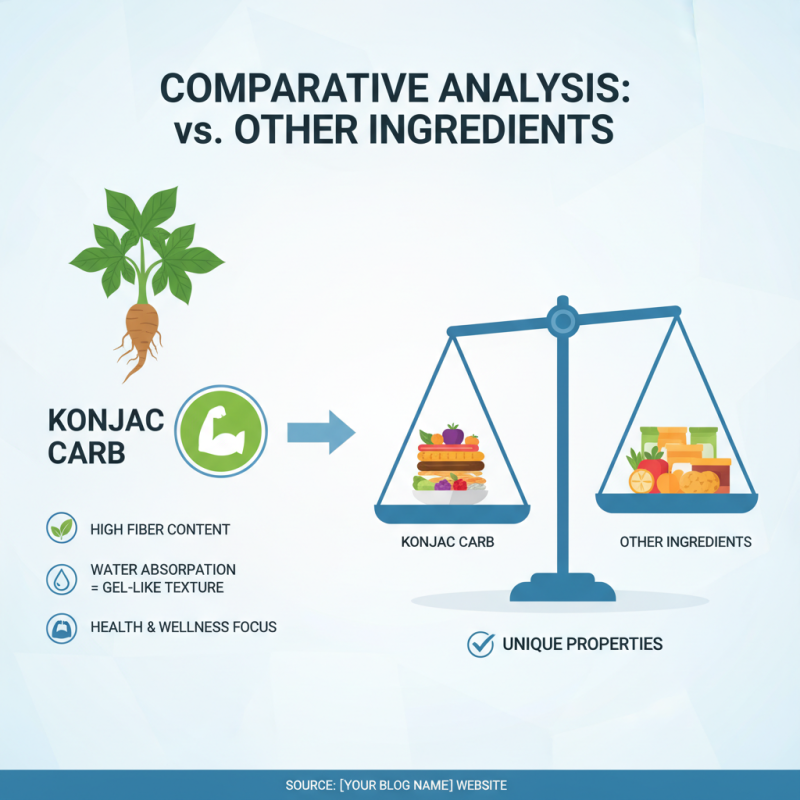
When comparing Konjac Carb to other ingredients, it stands out due to its unique properties. Konjac Carb is derived from the konjac root and is known for its high fiber content. This makes it an excellent option for businesses that focus on health and wellness. Its ability to absorb water allows it to form a gel-like consistency, which can enhance the texture of food products.
In contrast, many common thickeners like cornstarch lack the same fiber benefits. While cornstarch creates a smooth texture, it does not offer the nutritional boost that Konjac Carb provides. Other alternatives, such as guar gum, can sometimes cause digestive issues for sensitive individuals. This makes Konjac Carb a safer choice for a broader audience.
Using Konjac Carb can offer businesses a competitive edge. However, it requires careful handling. Not all production processes are suited to its properties. Miscalculating the amount needed can lead to undesirable textures. Additionally, the price may fluctuate, so businesses must consider their budgets. Balancing cost with quality is crucial here.
How Wholesale OEM Konjac Carb Can Enhance Product Marketing
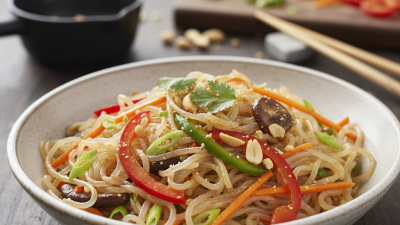
Wholesale OEM Konjac carb offers unique advantages for product marketing. This ingredient is not just a trend; it’s a game changer in the food industry. Many brands are looking to differentiate their products. By incorporating Konjac carb, you tap into the growing health-conscious consumer base. Low carb pasta made from Konjac has gained popularity. It provides a guilt-free alternative for pasta lovers.
The versatility of Konjac carb is impressive. It can be used in various recipes, from noodles to baked goods. Brands can promote this ingredient in diverse ways. Highlighting its health benefits is key. For instance, it is low in calories and can aid in weight management. However, it’s crucial to educate consumers about its taste and texture. Not everyone is familiar with Konjac. There might be initial hesitation from some consumers.
Moreover, your marketing strategies should reflect the unique qualities of Konjac carb. Consider engaging content that showcases recipes and health tips. Visuals can play a significant role in drawing attention. Highlight vibrant dishes made with Low Carb Pasta Konjac. But be mindful of the balance in messaging. Some consumers may find the texture unusual. Addressing potential concerns can help build trust. Transparency about the ingredient will foster better customer relationships.
Identifying Target Markets for Wholesale OEM Konjac Carb Products
Identifying target markets for wholesale OEM Konjac Carb products requires careful analysis. This natural ingredient is gaining traction in various industries. Food products, cosmetics, and health supplements are key areas where demand is rising.
Health-conscious consumers seek low-calorie, high-fiber options. Konjac Carb fits perfectly into diets emphasizing gut health and weight management. Additionally, many companies are exploring plant-based alternatives in their offerings. This trend opens doors for innovative products, tapping into sustainability.
Tips: Focus on niche markets. Research local health shops and vegan restaurants. Explore partnerships to reach your audience effectively. Remember, not every product will resonate with all consumers. Be prepared to adapt your approach based on feedback.
Market insights reveal a growing interest in cleaner labels. Consumers are scrutinizing ingredients more than ever. This creates an opportunity for OEM partners to provide transparency. Consider emphasizing the health benefits and sourcing information in your marketing materials. It’s important to continually reassess target markets as trends shift over time.
Sustainability Aspects of Using Wholesale OEM Konjac Carb in Business
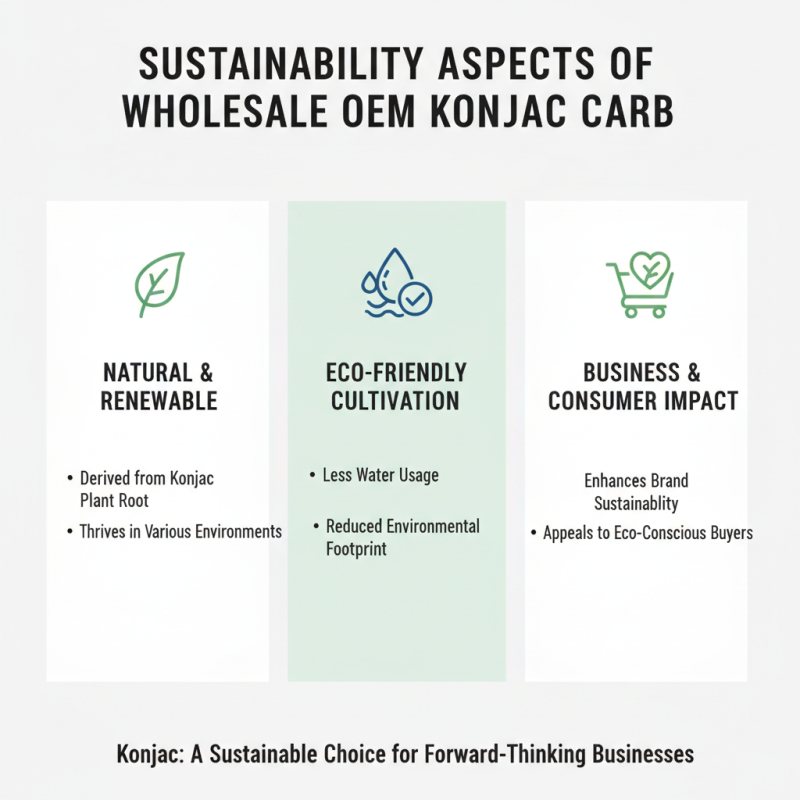
Sustainability is a critical factor in today’s business landscape, and utilizing wholesale OEM Konjac carb can enhance this aspect. This natural ingredient is derived from the root of the konjac plant, which thrives in various environments. Its cultivation requires less water compared to many crops, reducing the overall environmental footprint. Businesses can promote their commitment to sustainability by including Konjac products in their offerings, resonating with eco-conscious consumers.
Konjac carb also contributes to the development of innovative food products like Low Carb Konjac Noodles. These noodles not only serve dietary needs but also attract a broader audience. However, companies must ensure they source their konjac responsibly. It’s essential to avoid overexploitation, which may harm local ecosystems. There’s a balance to find between supply and sustainability, and businesses should regularly assess their practices.
Moreover, transparency around sourcing is vital. Consumers are increasingly interested in where their food comes from. Sharing information about sustainable practices can build trust, but misleading claims can backfire. Companies must strive for authenticity in their sustainability messaging to avoid consumer backlash. The journey toward sustainable business is ongoing, and every step counts.
Exploring the Versatility of Konjac Noodle Blanks: A Guide to Delicious and Healthy Meal Prep
Konjac noodle blanks are quickly gaining popularity among health-conscious individuals looking for a versatile meal prep solution. Made from the konjac plant, these semi-finished products are celebrated for their near-zero calorie count and exceptional fiber content. According to industry reports, the konjac market is projected to grow significantly, driven by rising demand for low-carb and gluten-free alternatives in diets worldwide. As a result, these noodle blanks have become an essential ingredient for those embracing low-calorie and keto-friendly lifestyles.
The key appeal of konjac noodle blanks lies in their adaptability. They can be used in a variety of dishes, from stir-fries to soups, making them an ideal substitute for traditional noodles. Nutritionists often highlight their low carbohydrate content, making them suitable for individuals following ketogenic diets. Furthermore, the chewy and non-sticky texture of these noodles ensures that they can absorb flavors from sauces and seasonings, enhancing the overall taste of any meal. With a shelf life of up to 12 months and customizable packaging options, konjac noodle blanks represent a convenient and healthy choice for meal prep enthusiasts.
Recent survey data indicates that consumers are increasingly prioritizing high-fiber foods, as fibers play a crucial role in digestive health and weight management. Given that konjac is naturally high in soluble fiber, incorporating these noodles into daily meals can aid in promoting a sense of fullness and controlling appetite, making them an effective tool for achieving dietary goals. As more people become aware of the benefits of konjac-based products, it's clear that they will remain a significant player in the healthy meal prep market.
FAQS
: The primary ingredient is konjac tubers, rich in glucomannan, a soluble fiber.
The tuber is cleaned, peeled, sliced, dried, and then ground into a fine powder.
Quality control ensures the product meets standards for texture and taste, preventing inconsistencies.
Industries include food, cosmetics, and health supplements. Demand is rising in all areas.
Konjac cultivation needs less water, promoting eco-friendliness in business practices.
Companies should identify niche markets and adapt strategies based on consumer feedback.
Consumers prefer knowing where products come from. Misleading claims can harm a brand's reputation.
Businesses may struggle with inconsistencies in product quality and sourcing responsibly to protect ecosystems.
Companies must regularly assess practices and communicate authentically about their sustainability initiatives.
There is a growing interest in clean labels and plant-based alternatives among consumers.
Conclusion
Wholesale OEM Konjac Carb is a versatile ingredient derived from the konjac plant, primarily used in various health and food products. It plays a crucial role in creating low-calorie, high-fiber offerings, allowing manufacturers to develop innovative solutions that meet growing consumer demands for healthier alternatives. The production process involves extracting the glucomannan from the konjac root, ensuring high quality and efficacy.
Utilizing Konjac Carb offers numerous benefits, including enhanced product texture and increased dietary fiber content, making products more appealing to health-conscious consumers. A comparative analysis reveals that Konjac Carb often outperforms other ingredients in terms of health benefits and functionality. Furthermore, its incorporation can boost marketing strategies, targeting niche markets focused on health and sustainability. As businesses aim for eco-friendly practices, Konjac Carb's low environmental impact makes it a compelling choice for sustainable product development.

 86+09153618258
 Contact Email