86+09153618258
Sure, a new noodle can be exciting for a food business—it opens up all sorts of menu possibilities. But let's be real: it's only worth anything if it actually holds up in a working kitchen. That's where Konjac Kuey Teow comes in. It's a pretty interesting alternative to your standard flat rice noodles, with a texture and prep style you'd want to trial before committing to it on the menu. And honestly, that part matters a lot.
Okay, so the practical stuff is what really matters. Like, how does the noodle actually feel once it's heated? Does it stay intact in a wok, in broth, or even in a cold dish? And how long does it take to prep when you're slammed during service? Specs can be all over the place depending on the supplier, so definitely check the ingredient list, storage instructions, and cooking guidance. Then do a small trial in the kitchen. Track portion weight, cooking time, yield, and what customers think. Honestly, the little details make all the difference.
Honestly, there’s no one-size-fits-all noodle out there. Konjac Kuey Teow might be a great fit if you’re looking to switch things up or cater to a specific crowd, but you can’t ignore taste, texture, price, and whether the supply will actually hold up. And hey, a sample can look amazing and still fall flat when the lunch rush hits. That’s not a failure—that’s intel. So run it against what you already use, try it in dishes your team really cooks, and do the math on cost per portion before you commit. At the end of the day, when you’ve got a clear evaluation in front of you, it’s way easier for buyers to make a choice based on how well something actually performs in the kitchen and what real customers are saying—not just because it happens to be trendy.
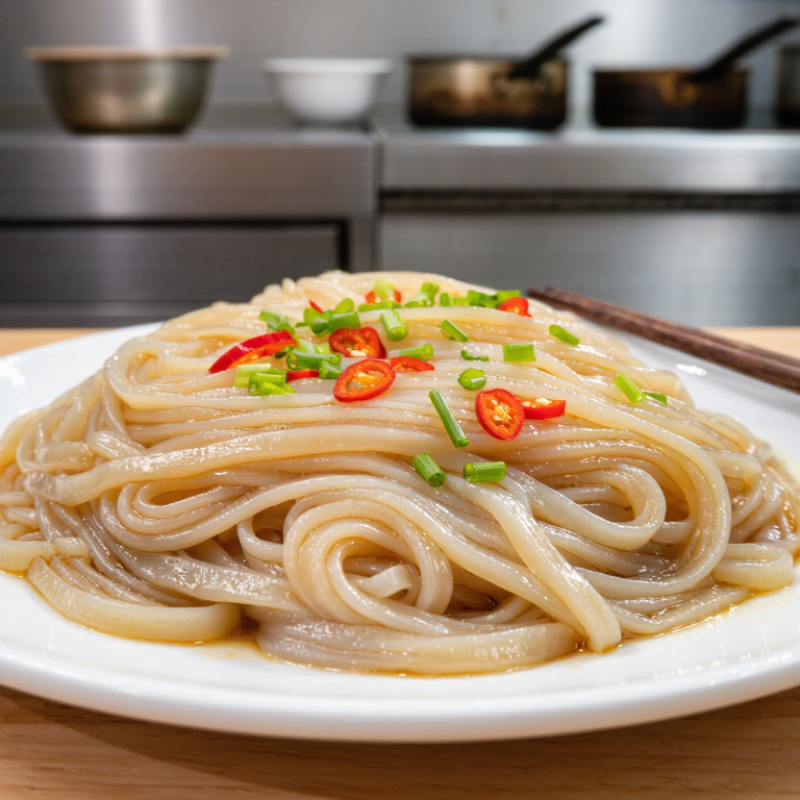
Konjac kuey teow is a wide, soft noodle made mainly from konjac flour, which comes from the konjac plant’s corm. It is valued for its springy texture and ability to absorb sauces. Unlike rice-based kuey teow, konjac noodles are typically low in digestible carbohydrates, though nutrition varies by recipe and serving. That distinction matters.
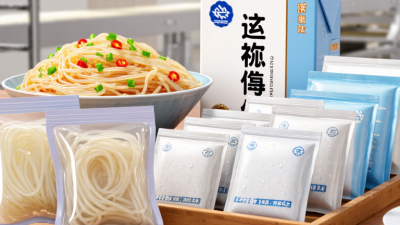
Production starts by blending konjac flour with water until the mixture is smooth. A food-grade setting agent may be added to help the mixture hold its shape. The mixture is then heated, formed into flat ribbons, and cooled or rinsed before packing. Exact methods differ, so check ingredient and handling details with the supplier. A quick rinse can reduce the noodles’ mild aroma, but it will not make every batch identical. Konjac Brothers Konjac Cold Noodles may appear in searches for this product category; assess any product by its own label and specifications.
Tips: Test a small batch before planning a menu. Rinse, drain, then warm the noodles briefly with sauce; long cooking can soften their bite. Check texture after delivery, too. One overlooked detail is portion size: the noodles may look plentiful, yet a filling sauce and vegetables help create a balanced dish.
Konjac Kuey Teow can work across cafés, takeaway counters, catering menus, and prepared-meal services. Its broad, noodle-like shape pairs easily with familiar sauces, vegetables, and proteins. For a café, it can add variety to a stir-fry bowl without requiring a completely new menu format. Takeaway kitchens may find it useful for portioned meals, where consistent serving sizes help with prep. Still, test it in your own recipes. Texture and cooking results can vary by product and preparation.
Caterers can serve it in warm buffet dishes, while meal-prep businesses can trial it in chilled lunch boxes. A Konjac Knot could also offer a different shape for soup or a mixed noodle platter. Keep the menu description clear, and check the product’s storage and preparation instructions before service. It may not suit every customer or every dish. That’s worth being honest about.
Tips: Cook a small test batch first. Note how it holds after sitting in sauce, then adjust timing and seasoning. Ask a few regular customers for feedback. A promising trial can still need work.
Konjac kuey teow gives menu developers a useful base for lighter noodle dishes, from clear soups to chilled salads. Its translucent strands and springy bite look distinctive in a bowl. Yet texture depends on rinsing, heating, and sauce thickness, so test the actual preparation line—not just a home recipe. Texture matters. A thin broth can keep the strands clean and separate; a heavy sauce may cling unevenly.
Nutrition communication needs care. The World Health Organization’s 2023 carbohydrate guideline recommends at least 25 grams of naturally occurring dietary fibre daily for adults. That is a daily target, not a promise about one serving. Measure the finished recipe’s fibre before making menu claims. For nutrition panels, calculate and verify “Konjac Kcal” using the actual ingredients and portion size, rather than generic online figures. Small details count.
For product development, the European Food Safety Authority’s 2010 assessment linked glucomannan with weight loss only under specific conditions: 3 grams daily, in three 1-gram doses, alongside an energy-restricted diet. That finding should not be stretched into a claim for a single noodle dish. Instead, use it as a reminder to keep formulation data and customer messaging aligned. Weigh drained portions, record sauce uptake, and repeat tests after storage. One honest limitation: results may shift between batches. That is worth checking before launch.
Restaurants considering konjac kuey teow may find demand among diners seeking lighter noodle options. This can include people reducing carbohydrate intake, customers curious about plant-based ingredients, and office workers who want a filling lunch without a heavy feel. Interest varies by location, though. A neighborhood with many takeaway orders may respond differently from a family dining area.
The product can also suit customers who already choose Konjac Rice or other konjac-based foods. Clear menu descriptions help set expectations: konjac noodles have a distinct, springy texture, so they are not an exact match for traditional rice noodles. Try them in a broth-based soup, stir-fry, or chilled salad, then ask diners about chewiness and portion size. Small tastings reveal more than assumptions.
There is potential, but repeat demand depends on execution. Staff need simple preparation guidance, since excess moisture can dilute a sauce or broth. A short trial menu can help measure orders, leftovers, and customer comments before a larger purchase. Some diners may not enjoy the texture. That matters. Pricing, local food preferences, and clear ingredient information also shape whether the dish earns a regular place on the menu.
Why Choose Konjac Kuey Teow for Your Business?
Storage, Preparation, and Supply Considerations
Storage begins with the product label, not guesswork. Konjac kuey teow may arrive chilled, frozen, or shelf-stable, depending on its processing and packaging. Follow the supplier’s stated temperature range and keep cartons away from direct sunlight and damp floors. Check package seals and date codes when stock arrives. Small checks matter. After opening, transfer any unused noodles to a clean, covered food-safe container if the instructions allow it. Record the opening date and follow the specified use period. Do not assume every product has the same shelf life.
Preparation is usually straightforward, but texture can change with rinsing, heating, and sauce thickness. Test a small portion using the exact equipment and serving method planned for service. Drain it well; excess water can thin a sauce and soften the final dish. Keep it simple. Staff instructions should state whether rinsing is needed and how long the noodles should be heated, based on the package directions. For supply planning, compare sample batches before setting a regular order. Ask about pack size, lead times, storage conditions, and how production dates are identified. Keep a modest buffer for busy periods, but avoid over-ordering until sales patterns are clear. One point is easy to overlook: a reliable delivery schedule does not guarantee identical handling during transit, so inspect each shipment on arrival.
| Business consideration | Practical benchmark | Operational implication |
|---|---|---|
| Product format and storage | Konjac kuey teow may be sold chilled or in sealed, shelf-stable packs. Storage requirements and shelf life depend on the specific product and packaging. | Confirm storage conditions and use-by dates on the supplier’s label. Keep chilled products refrigerated as directed; store shelf-stable packs under the stated conditions. |
| Cold-chain management | For products requiring refrigeration, keep them at the temperature specified on the label; 5°C or below is a common chilled-food operating target. | Check receiving temperatures, rotate stock by date, and avoid leaving chilled packs at room temperature during receiving or service preparation. |
| Unopened inventory and shelf life | There is no single shelf-life period that applies to every format. The printed date and storage instructions are the appropriate reference for each pack. | Use first-expiring, first-out stock rotation and record lot numbers and dates to support traceability and reduce avoidable waste. |
| Opening and preparation | Follow the pack directions. Depending on the product, preparation may involve draining and rinsing before heating or adding to a dish. | Test the product in the intended recipe and standardize rinsing, draining, portion size, and heating steps for consistent service. |
| Cooking and menu use | Konjac noodles are typically used as a low-carbohydrate noodle alternative. Their texture and cooking response can differ from wheat- or rice-based kuey teow. | Run a kitchen trial with the actual sauce, vegetables, and cooking method. Avoid assuming that timing or liquid absorption will match conventional noodles. |
| Opened packs and leftovers | After opening, handling and storage guidance can vary by product. Do not assume an opened pack has the same storage life as an unopened one. | Follow the label’s after-opening instructions, use clean utensils, keep the product covered and refrigerated when required, and apply your local food-safety rules. |
| Supplier and purchasing checks | Minimum order quantities, case sizes, delivery schedules, and lead times are supplier-specific and may change. | Confirm specifications, pack size, storage requirements, available documentation, minimum order, and replenishment timing before adding the product to a menu. |
| Stock planning | Demand depends on menu placement, portion size, sales volume, pack size, and delivery frequency. | Start with a small menu trial, track portions sold and pack usage, then set reorder points based on actual consumption and confirmed supplier lead times. |
| Note: Storage, preparation, shelf life, and supply details vary by product and supplier. Check the product label and verify applicable local food-safety requirements. | ||
Why Choose Konjac Kuey Teow for Your Business?
How to Evaluate a Konjac Kuey Teow Supplier
A reliable supplier should provide clear product specifications, not just a good-looking sample. Check konjac content, texture, pack weight, drained yield, and storage instructions. Request batch-specific certificates of analysis and microbiological test results. Then cook samples using your own kitchen’s routine. Note whether strands stay springy after rinsing, cling together in sauce, or soften during service. Small details matter.
Traceability and delivery deserve equal attention. Ask how batches are coded, how complaints are investigated, and what happens when a shipment arrives late or damaged. The FAO’s The State of Food and Agriculture 2023 estimated that 13.2% of food was lost between harvest and retail in 2021. That broad figure does not measure konjac noodles, but it underlines why logistics and stock rotation need checking. Ask for realistic shelf-life data under the storage conditions you will actually use.
The UNEP Food Waste Index Report 2024 estimated 1.05 billion tonnes of food waste in 2022 across households, food service, and retail. For a food business, dependable pack sizes and clear handling guidance can help staff portion and store products consistently. I would not overvalue a polished sample; one good bowl proves little. Trial several production batches, including one prepared during a busy service, and record the results.
Use these practical criteria to compare suppliers: food-safety documentation, product consistency, shelf-life and storage information, supply reliability, and pricing. The 1–5 scores are illustrative only, not industry statistics or ratings of any specific supplier; replace them with scores from your own document checks, samples, and quotations.
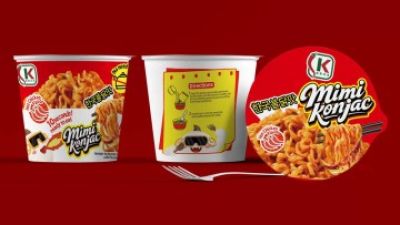
For retailers and food-service buyers seeking convenient halal-certified options, 90g cups of konjac noodles offer a practical format for everyday meals. Also known as Shirataki noodles, they are a low-calorie, gluten-free alternative with high fiber and low carbohydrate content, making them suitable for a range of menus, including keto-friendly choices. Their instant-food format helps simplify preparation, while individual cups are easy to portion, display, and serve.
Each carton contains 60 cups, with a 12-month shelf life when stored according to the product instructions. The noodles are produced in Shaanxi, China, and are available with a minimum order of 200 cartons. Buyers should confirm that current halal certification and product-label details meet their market’s requirements before placing an order. As nutritional values can vary by formulation, check the packaging for the specific serving information.
OEM service is available for businesses seeking product customization. The cup-based selling unit can suit grocery retail, online distribution, and food-service supply, while carton quantities support straightforward inventory planning.
It is a wide, soft noodle made mainly from konjac flour. Its strands are often translucent and springy.
Konjac flour is blended with water, then heated and shaped into flat ribbons. A setting agent may help the noodles hold their shape.
Rinse and drain the noodles, then warm them briefly with sauce. Long cooking can soften their bite. Texture matters.
Try them in clear soups, stir-fries, or chilled salads. Thin broth may keep the strands separate, while thick sauce can cling unevenly.
No. Konjac noodles are typically lower in digestible carbohydrates, but recipes and portions vary. Check the product label and calculate nutrition for the finished dish.
They may appeal to diners seeking lighter noodle options or plant-based ingredients. Some people may not enjoy the springy texture.
Offer a small trial menu and track orders, leftovers, and comments. Ask diners about chewiness and portion size. Small tests help.
Check texture after delivery, drain excess moisture, and record sauce uptake. Batch results may shift, so one test may not tell the whole story.
Konjac Kuey Teow is a noodle option made from konjac, a plant-based ingredient, and can be considered by food businesses looking to broaden their menus or develop new products. Its versatility may suit restaurants, cafés, catering services, and packaged-food sellers, with preparation methods and serving styles adapted to different dishes. By understanding how the noodles are made and handled, businesses can assess how they might fit into existing kitchen workflows and product plans.
Potential customers may include people seeking variety in their meals or exploring different noodle options. Before adding Konjac Kuey Teow to a menu or product range, businesses should consider customer interest, storage requirements, preparation instructions, and supply reliability. Evaluating suppliers involves checking product specifications, consistency, packaging, delivery arrangements, and support. These considerations can help businesses determine whether the product meets their operational needs and offers a practical opportunity for menu development.