86+09153618258
Leave Your Message
-
Contact Phone
-
 Contact Email
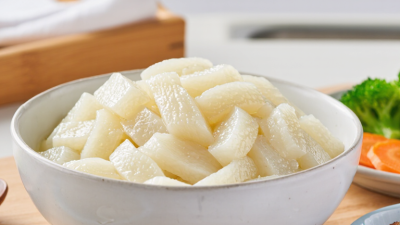
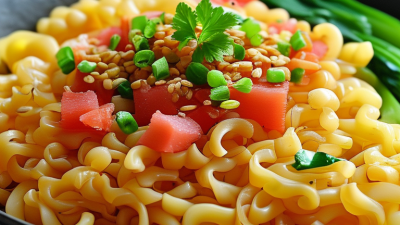
Konjac Rice has totally come out of the shadows – it used to be a niche pantry staple, but now it's a familiar pick for anyone trying to eat a bit lighter. The appeal? It starts with the ingredient itself. Konjac is a plant, and its root has this thing called glucomannan, which is a water-soluble fiber. Manufacturers turn that into little pieces that look just like rice. You just rinse them, heat them up, and they're ready to go – perfect with veggies, curry, or a stir-fry. And on your plate, they honestly look pretty much like the real deal. I mean, their texture is totally different, you know?
Let's face it – convenience is a big deal. A pouch like that can be ready in just a few minutes, which is perfect for busy kitchens or even a quick lunch at your desk. And hey, konjac rice is usually lower in calories and digestible carbs compared to regular white rice – though it definitely varies by brand and how much you actually eat. So it might work for certain diets, but it's not automatically the best choice for everyone. Always check the label: look at sodium, ingredients, and serving size – that's where the details matter. Honestly, rinsing and then dry-frying? That's a game changer. It really helps cut down on the extra moisture and the texture comes out so much better. Just take your time – patience is key, you know?
Yeah, the trade-off is definitely real. Konjac Rice has that springy, almost chewy texture, and it doesn’t soak up sauces the way normal rice does. But honestly, if you pair it with a bold sauce and some crunchy veggies, it can still be pretty satisfying. One thing though—I couldn’t find a verified quote from any named expert in the Konjac Rice industry, so I’m not gonna make one up or put words in someone’s mouth. That kind of thing matters, right? Product claims and expert shout-outs should have clear, traceable sources. You've probably noticed Konjac Rice popping up all over the place lately. So what's the big deal? Well, let's break it down. In everyday cooking, it's pretty easy to work with – no fuss, really. But before you grab a pack, there are a few things you might want to think about. It's definitely convenient, but it's not some kind of magic solution, you know?
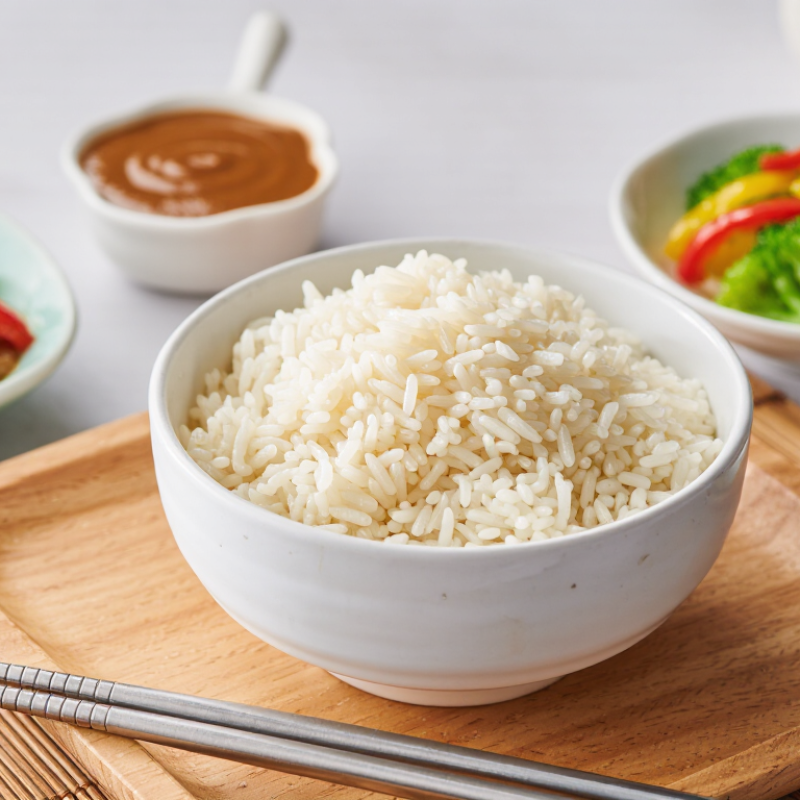
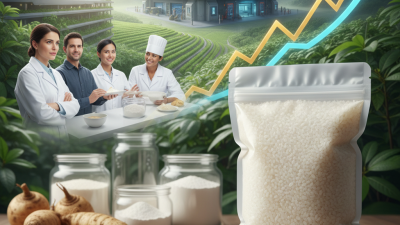
Konjac rice is made from the corm of the konjac plant, not from a grain. The corm is processed into flour rich in glucomannan, a soluble fiber that thickens when mixed with water. Manufacturers combine the flour with water and often a calcium-based alkaline setting agent, then shape the mixture into small rice-like pieces. The gel sets. The result holds its shape, but it does not cook or taste exactly like rice.
Recipes vary. Some products add other fibers or starches, so check the ingredient list and nutrition panel rather than assuming every packet is alike. For context, USDA FoodData Central lists cooked enriched long-grain white rice at about 130 calories per 100 grams; konjac rice figures differ by product and preparation. Drain and rinse it as directed, then briefly dry-fry the grains to remove excess moisture. That step can help. The texture may still feel springier and less fluffy than rice, an adjustment some people may not enjoy. Konjac Fried Rice can take on savory flavors, but it is the seasoning and added ingredients—not the konjac grains alone—that shape the finished dish.
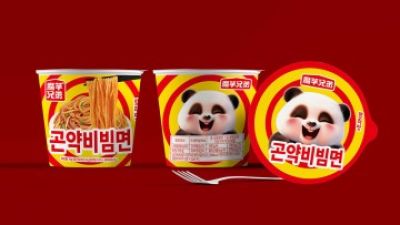
The instant noodles market creates room for convenient formats that offer more than a quick meal. As consumers seek variety and easy preparation, konjac noodle cups can stand out through their distinctive noodle base, single-serve packaging, and Korean-inspired flavors. Spicy, hot chicken, and sesame paste options give retailers and food-service buyers several flavor profiles to test with different customer groups. The 90g cup format is suited to on-the-go occasions, workplace meals, and compact retail displays, while its 12-month shelf life can support planning across distribution channels.
For importers, wholesalers, and retailers, these cups offer a flexible product to add to an instant-food assortment. A minimum order of 300 cartons provides a clear starting point for stocking and market testing, and OEM/ODM services allow buyers to adapt branding or product presentation to local needs. Produced in Shaanxi, China, the noodles are positioned as instant Korean-style meals in a convenient cup. Together, flavor choice, straightforward preparation, and customization options provide practical ways for distributors to explore opportunities in the competitive instant noodles category.
It comes from the konjac plant’s corm, not from grain. The corm is processed into glucomannan-rich flour, mixed with water, and shaped into small rice-like pieces.
Not quite. It often feels springy or moist rather than fluffy, and its mild flavor takes on sauces. It can feel springy.
Follow the package directions. Usually, you drain and rinse it, then briefly dry-fry the pieces to remove extra moisture. That can help, though it may not fix the texture completely.
No. Recipes may include other fibers or starches. Check the ingredient list and nutrition panel instead of assuming every packet is alike.
Cooked enriched long-grain white rice has about 130 calories per 100 grams. Konjac rice values vary by product and preparation, so compare specific labels.
No, it provides little energy, protein, or nutrient variety on its own. Pair it with vegetables and protein, such as tofu, eggs, or beans.
A sudden increase in fiber may cause bloating or digestive discomfort, especially if you are not used to it. Try a small portion and increase gradually if it suits you.
A European food safety review linked 3 grams daily, taken in divided doses with water, to weight loss only alongside an energy-restricted diet. That is not a promise about one serving of konjac rice.
Check for added salt and drink enough fluids with fiber-rich meals. If you take regular medication or have digestive concerns, ask a healthcare professional about frequent use.
Konjac Rice is a rice substitute made from konjac, a plant whose root contains a soluble fiber called glucomannan. It is typically processed into small rice-like pieces, often sold pre-cooked in liquid. Unlike grain-based rice, it is very low in calories and carbohydrates and provides little protein or other nutrients, so its nutritional profile is quite different. Its appeal largely comes from offering a lighter alternative for people seeking to reduce their calorie or carbohydrate intake.
The texture of Konjac Rice can be slightly chewy or springy, and its mild flavor readily takes on the seasonings and sauces around it. Preparation is usually simple, though draining, rinsing, and heating it well can improve its texture and reduce any natural aroma. It can be used in many dishes in place of rice, but it may not feel or taste exactly like grains. Because it is fiber-rich, some people may prefer to start with a small portion, and it should be considered part of a balanced diet rather than a complete nutritional replacement for grain-based foods.