inquiry
Leave Your Message
0%

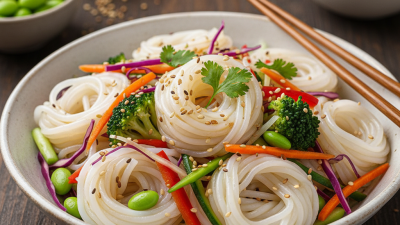
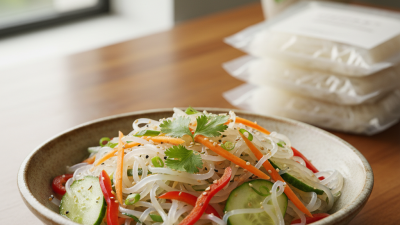
Zero Konjac Noodles are these thin, springy noodles made mostly from konjac glucomannan, which is a soluble fiber sourced from the konjac root. You’ll often see them marketed as a low-calorie alternative to regular wheat noodles, but it’s worth taking a closer look at what
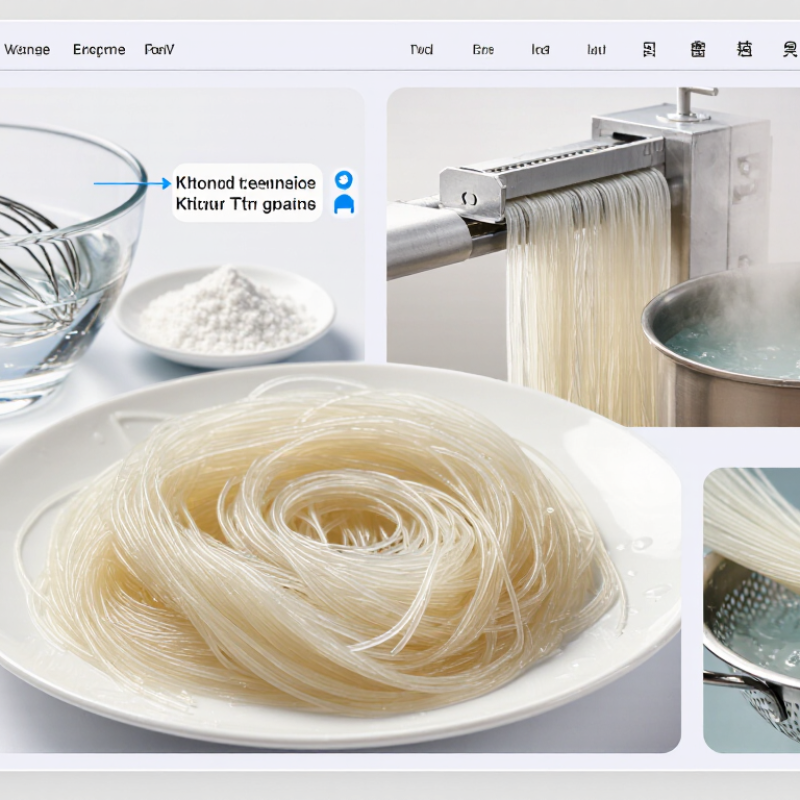
What Are Zero Konjac Noodles and How Are They Made?

What “Zero” Means: FDA’s <5-Calorie Rule per Serving

“Zero” on Zero Konjac Noodles usually describes a rounded label value, not an absence of energy. Under U.S. FDA rules, a serving containing fewer than 5 calories may be listed as 0 calories (21 CFR §101.9(c)(1)). That is a precise threshold, not a claim about the entire pouch. Eat two labeled servings, and the calories can add up, even when each serving displays zero. Check the serving weight and servings per package before comparing labels.

Serving sizes are based on amounts people typically consume, according to the FDA’s Nutrition Facts labeling guidance. Your bowl may hold more than the listed portion. A quick kitchen-scale check can reveal the difference: weigh the noodles you actually eat, then compare that amount with the label’s serving size. Konjac noodles are typically made with water and konjac-derived glucomannan, but recipes and nutrition values vary. Small distinction. Worth checking. The FDA threshold explains the label; it does not tell you how filling a meal will be or how many calories come from the rest of the bowl.

What Are Zero Konjac Noodles and How Are They Made? — What “Zero” Means: FDA’s
Topic Details What to Keep in Mind
What konjac noodles are Konjac noodles, often called shirataki noodles, are made primarily from water and glucomannan, a soluble dietary fiber obtained from the konjac plant’s root. Ingredients and nutrition can differ among products, so check the specific package label.
How they are made Konjac flour or glucomannan is mixed with water. An alkaline setting agent, commonly calcium hydroxide, helps the mixture form a gel. The gel is shaped into noodles, heated to set, and typically rinsed and packed in liquid. Manufacturing details and added ingredients can vary. Follow the package directions for draining, rinsing, and preparation.
Why the texture is distinctive The glucomannan-rich gel gives the noodles a slippery, springy, or chewy texture rather than the starchy texture of wheat or rice noodles. Draining, rinsing, and briefly heating them in a pan can improve their texture in a finished dish.
What “zero calories” can mean Under U.S. FDA Nutrition Facts rounding rules, an amount of fewer than 5 calories per labeled serving may be declared as 0 calories. A “0” on the label can therefore reflect rounding; it does not necessarily mean the food contains absolutely no energy.
Serving size matters The calorie declaration applies to the serving size shown on the Nutrition Facts label. Eating multiple servings can add calories and other nutrients. Compare the serving size with the amount you actually eat. FDA rules also govern when a “calorie free” claim may be used.
Carbohydrates and fiber Glucomannan is dietary fiber, which is included in total carbohydrate on Nutrition Facts labels. The amounts listed depend on the product and serving size. “Zero calories” does not mean “zero carbohydrates.” Check the label rather than assuming a particular fiber or carbohydrate amount.
How to compare products Review the serving size, calories, total carbohydrate, dietary fiber, sodium, and ingredient list. Values may differ by formulation and preparation; use the package’s Nutrition Facts panel for the product you have.

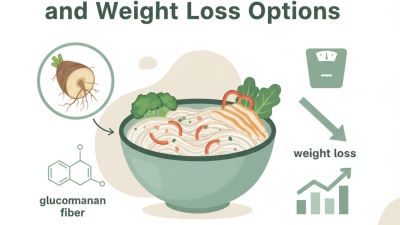
Konjac’s Key Ingredient: Glucomannan, a Water-Soluble Fiber

Konjac noodles are made from the corm of the konjac plant, water, and sometimes a setting agent. Their key ingredient is glucomannan, a water-soluble fiber that absorbs water and forms a smooth, gel-like texture. It passes through the digestive tract largely undigested, so these noodles are typically low in energy. Still, “Konjac Noodles Zero Calories” is a search phrase, not a guarantee: nutrition values vary by product and serving size. The springy, slippery bite can take getting used to.

The U.S. Food and Drug Administration’s 2016 dietary-fiber rule recognizes glucomannan as a non-digestible carbohydrate that can qualify as dietary fiber when evidence supports its benefits. The European Food Safety Authority’s 2010 assessment linked glucomannan with weight loss only under specific conditions: 3 grams daily, divided into three doses, with water before meals and within an energy-restricted diet. That matters. It is not a promise that noodles alone cause weight loss, and more fiber is not always better for everyone.

Tips: Rinse and drain the noodles, then warm them in a pan to reduce excess moisture. Follow package directions and drink enough water; glucomannan swells when hydrated. If you are new to high-fiber foods, start with a modest portion and notice how your digestion responds.

Raw Materials and Hydration: Dispersing Konjac Flour in Water

Konjac flour is rich in glucomannan, a soluble fiber that swells when it meets water. For Konjac Zero Calorie noodles, hydration starts by dispersing the fine flour gradually into moving water. A steady stream helps separate particles before they form stubborn clumps. The mixture may look thin at first. Give it time.

Mixing speed, water temperature, and resting time affect how evenly the flour hydrates. Too little agitation can leave dry pockets; excessive mixing may introduce air and create a foamy surface. In production, operators adjust these conditions to suit the flour and equipment. There is no single setting for every batch. Small changes matter.

The European Food Safety Authority’s 2010 assessment of glucomannan recommends taking it with one to two glasses of water. That guidance concerns dietary use, not noodle manufacturing, but it highlights how important water is to the fiber’s behavior. In a noodle process, hydration must be controlled within the mixture, rather than assumed from the final texture. A smooth-looking blend can still hide undispersed flour, so checking samples during mixing is useful.

Alkaline Gel Formation: How Calcium Hydroxide Sets the Noodles

Zero konjac noodles depend on a controlled alkaline set, not merely on shaping a watery paste. Konjac glucomannan first absorbs water and swells, creating a thick mixture. A measured calcium hydroxide solution raises its pH. Heat then helps the glucomannan chains lose acetyl groups and associate into a firm, continuous gel. The calcium hydroxide’s role is mainly to create alkaline conditions; the setting is not simply calcium acting like a glue.

Small process changes matter. Too little alkali can leave noodles weak, while excess may create an unpleasant alkaline taste. Mixing also matters: dry pockets can become uneven lumps, and insufficient heating may produce a softer set. JECFA’s specification for konjac flour requires at least 75% glucomannan on a dry basis, underscoring why flour composition affects processing (FAO/WHO JECFA, Konjac Flour specification). That figure is a raw-material standard, not a guarantee of finished-noodle texture. The real-world result still depends on hydration, alkali dosage, heat, and timing. Firmness is engineered, but not perfectly predictable.

Extrusion, Rinsing, and Packing: Steps in Commercial Production

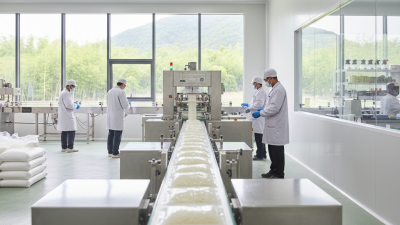
Commercial production begins by blending konjac flour with water until the mixture forms a smooth, pourable gel. Workers monitor hydration carefully; dry pockets can create weak spots later. The gel is pushed through an extruder, which shapes it into strands or flat noodle ribbons. Die openings determine the noodle’s thickness. A calcium-based alkaline setting bath helps the strands hold their shape, followed by controlled heating. The texture is checked during the run, since even small changes in temperature can affect firmness.

Rinsing removes excess setting solution and helps reduce the noodles’ characteristic odor. Clean water is circulated through the product, and operators may repeat the rinse until the desired taste and smell are reached. This step needs attention. Rushing it can leave an unpleasant aftertaste, while overly rough handling may break delicate strands. Not every batch looks perfectly uniform.

After draining, noodles are portioned and packed, often with liquid in sealed pouches. Depending on the product and process, packs may be chilled or receive a validated heat treatment. Packaging checks include seal integrity, fill weight, and clear lot identification. Consumers searching for “Konjac Brothers Konjac Cold Noodles” may encounter many product styles, but commercial quality still depends on careful extrusion, thorough rinsing, and reliable packing. The details matter.

EFSA’s 3 g/Day Glucomannan Benchmark and Its Use Conditions

EFSA’s 3 g per day figure is a condition for using a specific glucomannan weight-loss claim, not a recommended serving of “zero” noodles. The claim applies when glucomannan is taken as part of an energy-restricted diet. The stated intake is 3 g daily, divided into three 1 g doses before meals, with one or two glasses of water each time.

Water matters. Glucomannan absorbs liquid and swells, so taking it with too little fluid can create a choking risk, especially for people with swallowing difficulties. This use condition describes glucomannan intake; it does not mean a bowl of konjac noodles automatically supplies the tested dose. Check the product’s nutrition and serving information, since amounts and processing can differ. That detail is easy to miss.

Konjac noodles are made from konjac root flour, which contains glucomannan, and water. Their texture can be springy and slippery, especially after rinsing. A “zero” label may refer to very low energy content under particular labeling rules; it does not establish a meaningful glucomannan dose or weight-loss effect. The distinction is worth keeping in mind. EFSA’s condition is specific, while everyday portions are not always so neat.

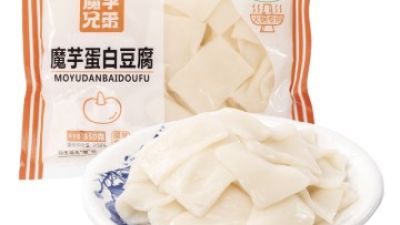
High-Protein Konjac Tofu: A Smart Choice for Healthy, Plant-Based Eating

High-protein konjac tofu offers a practical way to add variety to plant-based meals while keeping them light and satisfying. Made with water konjac and presented in a convenient 350-gram pouch, it combines konjac’s distinctive, pleasantly springy texture with a boost of protein. Its mild taste makes it easy to pair with vegetables, grains, herbs, and flavorful sauces, so it can fit into many everyday dishes.

For a quick lunch, slice the tofu into a salad or warm it with vegetables in a simple stir-fry. It can also be added to soups, rice bowls, or noodle dishes, where it absorbs surrounding seasonings and contributes a hearty texture. With its low-calorie profile and plant-based appeal, this versatile tofu is a useful option for people seeking balanced meals without a heavy feel. Keep it on hand for convenient cooking, whether preparing a simple weekday dinner or building a more filling meal from fresh ingredients.

FAQS

How do konjac noodles become firm?

Konjac flour absorbs water and swells. A measured alkaline solution raises the mixture’s pH, and heat helps form a continuous gel. The process is controlled, but not perfectly predictable.

What can make the noodles too soft or uneven?

Too little alkali or insufficient heating can weaken the set. Dry pockets may form lumps or weak spots. Small process changes matter.

How are commercial konjac noodles shaped?

A smooth mixture is pushed through an extruder. Die openings shape it into strands or flat ribbons. Thickness depends on the opening.

Why are the noodles rinsed after setting?

Rinsing removes excess setting solution and can reduce the noodles’ characteristic odor. Too little rinsing may leave an aftertaste. Rough handling can break strands.

Why might noodle texture vary between batches?

Flour composition, hydration, alkali dosage, temperature, and timing all affect firmness. Not every batch looks perfectly uniform. That variability deserves attention.

How are finished noodles packed?

After draining, they are portioned into sealed packs, often with liquid. Packs may be chilled or receive a validated heat treatment. Seals and fill weights are checked.

What does EFSA’s 3-gram glucomannan figure mean?

It is a condition for a specific weight-loss claim, not a recommended noodle serving. The stated intake is three 1-gram doses daily, before meals, with water.

Do konjac noodles automatically provide that 3-gram amount?

No. Amounts can differ by product and processing. Check the serving information. A “zero” label does not establish a meaningful glucomannan dose.

Why is water important when taking glucomannan?

Glucomannan absorbs liquid and swells. The stated use condition includes one or two glasses of water per dose. Too little fluid may create a choking risk, especially for people with swallowing difficulties.

Conclusion

Zero Konjac Noodles are made primarily from konjac flour, a plant-based ingredient rich in glucomannan, a water-soluble dietary fiber. The term “zero” generally refers to the FDA standard allowing a food to be labeled as containing zero calories when it provides fewer than 5 calories per serving. Konjac flour is first dispersed and hydrated in water, allowing the fiber to absorb liquid and form a smooth mixture.

During production, calcium hydroxide is added to create an alkaline environment that sets the mixture into a firm gel. This gel is then shaped through extrusion into noodle strands, followed by rinsing to remove excess alkaline residue and improve texture. Finally, the noodles are packed for storage and preparation. Because glucomannan is a concentrated fiber, consumption should follow appropriate serving guidance. The EFSA benchmark of up to 3 grams per day applies under specified use conditions, including adequate water intake, helping support safe and suitable consumption.
Emily

Emily

Emily is a highly skilled marketing professional with over a decade of experience in the konjac product industry. Her deep understanding of the market and its demands has allowed her to develop a diverse portfolio of konjac products, ranging from leisure snacks and instant foods to essential......
Previous China Top 10 Konjac Kuey Teow Suppliers for Global Buyers