86+09153618258



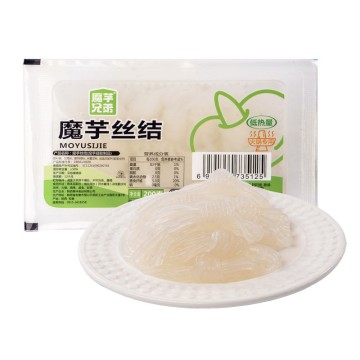
What Are Konjac Chips and Why Are They Ideal for Diabetics?
Konjac chips are a revolutionary category of functional snack foods made from the konjac plant (Amorphophallus konjac), a root vegetable native to Southeast Asia and widely cultivated in China's Shaanxi and Sichuan provinces. The key active ingredient is glucomannan — a soluble dietary fiber with an extraordinarily high viscosity that forms a gel-like substance in the digestive tract, dramatically slowing glucose absorption and preventing post-meal blood sugar spikes.
🩺
Clinically Recognized for Blood Sugar Management
Multiple peer-reviewed studies confirm that glucomannan fiber in konjac products significantly reduces postprandial blood glucose levels, improves insulin sensitivity, and lowers HbA1c over time — making konjac chips one of the most scientifically validated snack choices for Type 2 diabetics and pre-diabetics.
Unlike conventional potato chips, corn chips, or even many "healthy" snack alternatives, konjac chips carry a glycemic index (GI) near zero. This means they do not trigger the blood sugar roller coaster that diabetics must avoid. With virtually zero net carbohydrates, near-zero calories, and a high satiety factor, konjac chips fill the critical gap between taste satisfaction and metabolic safety — a gap that has long frustrated diabetic snack seekers.
The Science Behind Glucomannan and Diabetic Health
Glucomannan is classified as a highly viscous soluble fiber. When consumed, it absorbs water at a ratio of up to 50:1 by weight, forming a thick gel that slows gastric emptying, delays carbohydrate absorption, and blunts the insulin response. For diabetics, this mechanism is profoundly beneficial:
🔬 Key Metabolic Benefits
Blood Glucose Stabilization: By slowing the rate at which sugars enter the bloodstream, glucomannan prevents the sharp postprandial glucose spikes that damage blood vessels and nerves over time. Cholesterol Reduction: The gel matrix binds bile acids in the gut, promoting their excretion and reducing LDL cholesterol — a critical co-benefit for diabetics who face elevated cardiovascular risk. Weight Management: With konjac chips delivering fewer than 10 calories per serving while creating significant satiety, they support the caloric restriction that is central to Type 2 diabetes management. Gut Microbiome Support: Glucomannan acts as a prebiotic, feeding beneficial bacteria like Bifidobacterium and Lactobacillus, which are associated with improved glycemic control.
📊
Industry Data: The Diabetic Snack Market Opportunity
The global diabetic food market is projected to exceed USD 16 billion by 2028, growing at a CAGR of over 5.8%. Within this, functional snacks — particularly those leveraging natural plant-based fibers — represent the fastest-growing sub-segment. Konjac chips are uniquely positioned at the intersection of three mega-trends: diabetes management, plant-based eating, and low-carb dieting.
Commercial & Industrial Landscape of Konjac Chips
China is the world's dominant producer of konjac raw materials, accounting for over 90% of global glucomannan flour supply. The Shaanxi, Yunnan, and Sichuan provinces host the largest konjac cultivation bases, with Shaanxi alone processing millions of tons of konjac annually. Leading manufacturers like Shaanxi Jiwei Food Co., Ltd. (brand: Konjac Brothers) have built vertically integrated supply chains — from controlled konjac farming through to finished packaged products — ensuring quality consistency that meets international food safety standards.
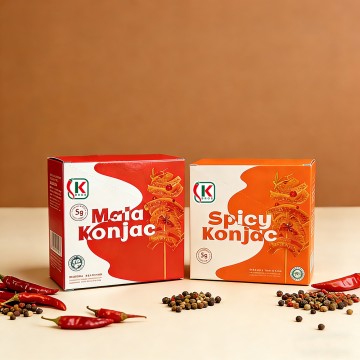
The commercial konjac chip sector has evolved significantly from its early iterations as simple dried konjac slices sold in Asian grocery stores. Today's industrial production employs advanced extrusion technology, vacuum puffing, and precision seasoning systems to create konjac chips with authentic crunch textures, diverse flavor profiles (from classic sea salt to spicy mala, sesame, and Korean-style seasonings), and shelf-stable packaging suitable for global e-commerce distribution.
Major retail channels now include: health food specialty stores, pharmacy chains (where konjac products are often positioned alongside diabetic care products), online health marketplaces (Amazon, Tmall Health, JD Health), and B2B supply to hospital nutrition programs, corporate wellness programs, and airline catering services targeting health-conscious passengers.