86+09153618258
Leave Your Message
-
Contact Phone
-
 Contact Email
Explore our leading low-glycemic, fiber-rich konjac pasta alternatives designed for proactive dietary management.
Diabetes mellitus remains one of the most pressing global health crises of the 21st century. According to the International Diabetes Federation (IDF), hundreds of millions of adults live with diabetes globally, a number projected to escalate significantly over the coming decades. At the core of managing Type 1, Type 2, and gestational diabetes lies the critical task of maintaining postprandial blood glucose stability. Traditional dietary carbohydrates—specifically refined wheat-based pastas, white rice, and high-starch staples—undergo rapid enzymatic hydrolysis in the human gastrointestinal tract. This process releases a massive wave of glucose into the bloodstream, triggering severe glycemic spikes and demanding immediate insulin response, which exacerbates insulin resistance over time.
Consequently, the search for functional dietary replacements has shifted from simple calorie restriction to complex carbohydrate modification. This is where Konjac Flour Pasta emerges as a revolutionary cornerstone for a diabetic-friendly diet. Derived from the tuber of the Amorphophallus konjac plant, konjac flour offers a unique macromolecular structure consisting almost entirely of glucomannan—a highly viscous, water-soluble dietary fiber that exhibits zero glycemic impact.
To appreciate why konjac flour pasta is uniquely suited for diabetic nutrition, one must examine its molecular behavior within the digestive system. Konjac glucomannan (KGM) is a polysaccharide composed of D-mannose and D-glucose units linked by β-1,4-glucosidic bonds. Because the human digestive tract lacks the specific enzymes required to cleave these beta-linkages, KGM passes through the stomach and small intestine virtually intact, contributing zero calories and zero digestible carbohydrates.
Upon hydration, KGM particles swell dramatically, absorbing up to 50 times their weight in water. This hydration creates a highly stable, viscous gel matrix. In the stomach, this gel increases the viscosity of the food bolus, significantly slowing down gastric emptying rates. For diabetic patients, this delayed transit time translates directly into a gradual, metered release of nutrients into the duodenum, avoiding the rapid absorption phase that causes blood sugar spikes.
The physical barrier created by the viscous KGM gel also wraps around other dietary components. It physically hinders the access of pancreatic alpha-amylase and mucosal alpha-glucosidase to starch molecules, thereby slowing down the breakdown of any co-ingested carbohydrates. Furthermore, the viscosity of the intestinal contents reduces the rate of glucose diffusion toward the mucosal brush border, ensuring that glucose absorption occurs steadily along the entire length of the small intestine rather than in a concentrated spike at the upper jejunum.
Upon reaching the colon, KGM acts as a highly effective prebiotic. It undergoes fermentation by beneficial gut bacteria, particularly species of Bacteroides and Bifidobacterium. This fermentation process produces short-chain fatty acids (SCFAs), primarily acetate, propionate, and butyrate. SCFAs play a vital role in systemic metabolic regulation; they bind to G-protein coupled receptors (GPCRs) in the gut, stimulating the release of glucagon-like peptide-1 (GLP-1) and peptide YY (PYY). These hormones enhance insulin sensitivity, improve pancreatic beta-cell function, and promote satiety, offering secondary therapeutic benefits to diabetic patients.
We empower global brands, clinical food distributors, and health-focused enterprises with comprehensive, end-to-end production and supply chain capabilities.
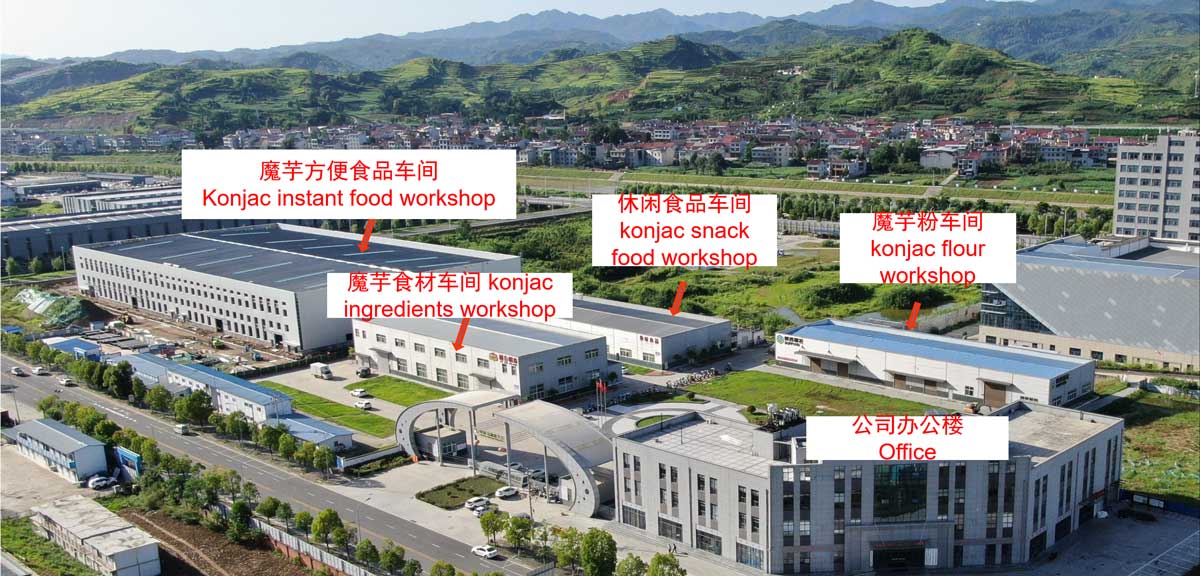



Historically utilized in traditional Asian cuisines as a gelled tofu-like block (known as konnyaku) or thin shirataki noodles, konjac has undergone a massive industrial transformation over the past decade. Driven by the explosive growth of the global wellness, ketogenic, and diabetic food markets, konjac has transitioned from a niche regional specialty into a multi-billion-dollar global commodity.
Today, China stands as the primary global hub for konjac cultivation and primary processing, particularly in the mountainous regions of Shaanxi, Sichuan, and Yunnan. These areas possess the ideal microclimates, soil acidity, and altitudes required for high-yield Amorphophallus konjac farming. Industrial manufacturers have invested heavily in automated refining facilities that separate the high-purity glucomannan gum from the raw starch and alkaloids of the tuber, yielding a refined konjac flour with superior viscosity and minimal sensory odor.
One of the primary historical barriers to the widespread consumer adoption of konjac pasta in Western markets has been its sensory profile. Traditional wet-packed shirataki noodles are preserved in an alkaline calcium hydroxide solution, which can emit a faint, fishy aroma upon opening. Additionally, the texture can be overly rubbery or gelatinous compared to the familiar "al dente" bite of durum wheat pasta.
To overcome these challenges, leading manufacturers have pioneered advanced processing techniques:
The versatility of konjac flour pasta allows it to cross multiple sectors of food service, healthcare, and consumer packaged goods (CPG). Below are the key areas where konjac pasta plays an indispensable role:
In hospitals, long-term care facilities, and diabetic clinics, dietitians struggle to design menus that satisfy patients' cravings for comforting, carbohydrate-rich foods without causing glycemic emergencies. Konjac flour pasta provides a direct solution. It allows clinical kitchens to serve familiar dishes—such as spaghetti bolognese, ramen, or cold noodle salads—while maintaining strict carbohydrate limits. The high fiber content also helps alleviate chronic constipation, a common secondary complication in diabetic patients due to autonomic neuropathy.
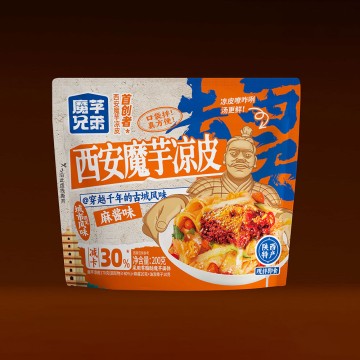
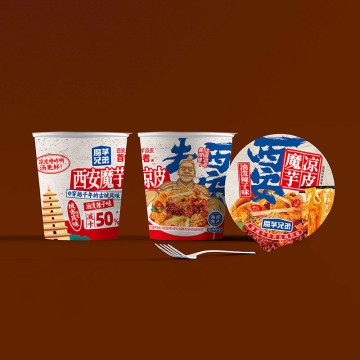
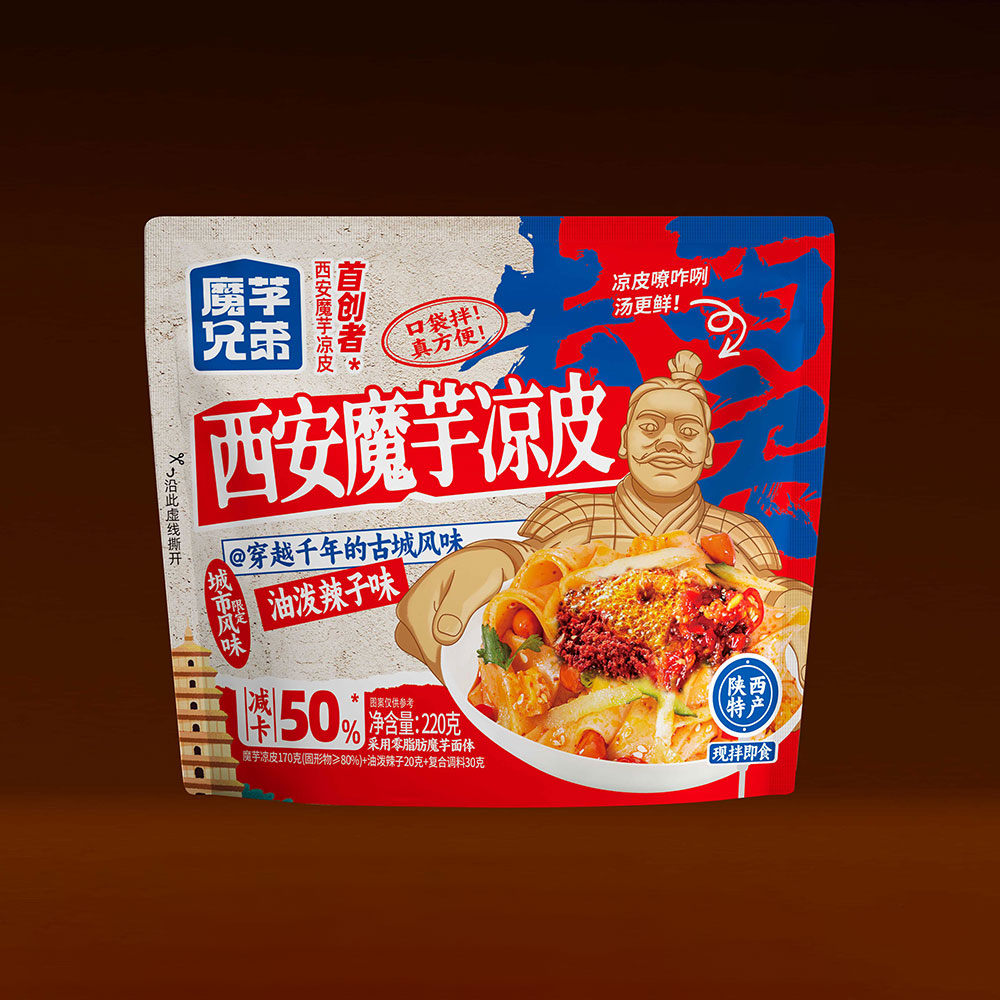
Modern consumers demand healthy choices that fit into fast-paced lifestyles. The development of shelf-stable, microwaveable konjac noodle bowls (such as barrel-style instant cold noodles) has opened up massive opportunities in convenience stores and supermarkets. By pairing low-calorie konjac noodles with savory, sugar-free sauces (like sesame paste or chili oil), brands can capture busy professionals who need to manage their blood sugar on the go.
While specifically beneficial for diabetics, konjac pasta fits perfectly into the ketogenic diet, which requires restricting net carbohydrates to under 20-50 grams per day. Because the carbohydrates in konjac are entirely dietary fiber, the "net carb" count is zero. This makes it a staple for individuals using keto diets to reverse Type 2 diabetes or achieve rapid weight loss.
With Type 2 diabetes increasingly diagnosed in children and adolescents, schools and pediatric nutritionists are searching for kid-friendly dietary interventions. Substituting standard school-lunch pasta with high-quality, texturized konjac-blend pasta helps reduce overall caloric intake and prevents post-lunch sluggishness, supporting both metabolic health and academic performance.
As we look to the future, the integration of artificial intelligence in agricultural sorting, genetic selection of high-glucomannan konjac cultivars, and advanced extrusion technologies will continue to drive down production costs and elevate product quality. We are also seeing a rise in clean-label, organic-certified konjac farming, responding to consumer demand for non-GMO, chemical-free processing methods. Through continuous innovation, konjac flour pasta will remain at the forefront of global preventative health and diabetic nutrition, proving that dietary management does not require sacrificing the joy of eating.
Discover our full range of authentic, high-quality, and innovative konjac foods designed for global distribution and clinical diet integration.