86+09153618258
Leave Your Message
-
Contact Phone
-
 Contact Email
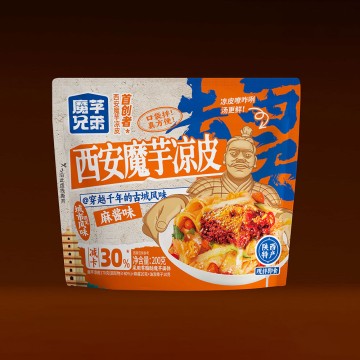
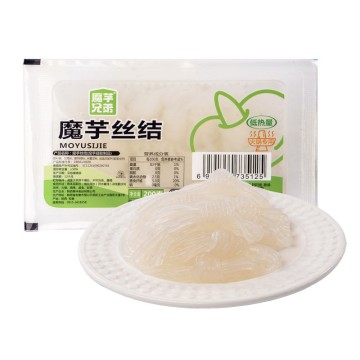
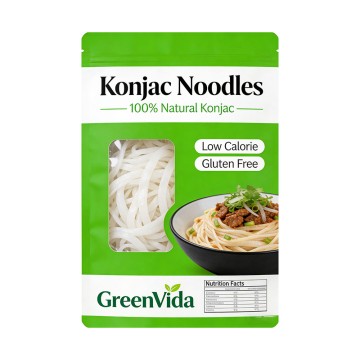

The ketogenic diet has transitioned from a medical therapeutic protocol to one of the most prominent global lifestyle trends. The core mechanism of ketosis requires reducing carbohydrate intake to under 50 grams per day, forcing the body to burn fats for fuel instead of glucose. However, the cultural and psychological attachment to traditional carbohydrate-rich foods like pasta remains a major barrier for consumers. This is where konjac flour pasta acts as a revolutionary bridge.
Derived from the tuber of the Amorphophallus konjac plant, konjac flour consists primarily of glucomannan—a highly viscous, water-soluble dietary fiber. Glucomannan possesses an extraordinary water-holding capacity, absorbing up to 50 times its weight in water. This physical property yields a noodle with near-zero digestible carbohydrates, zero glycemic impact, and minimal calories.
Because the carbohydrates in konjac are entirely soluble fiber, they bypass digestion in the small intestine. This results in zero net carbs, keeping consumers firmly in ketosis.
Glucomannan slows gastric emptying and promotes satiety hormones, mitigating hunger cravings commonly experienced during early-stage keto adaptation.
Historically confined to traditional Asian culinary applications under the name shirataki, konjac flour pasta has undergone a massive industrial transformation. The global low-carb and ketogenic diet market size was valued at over USD 10 billion recently and is projected to expand at a compound annual growth rate (CAGR) exceeding 6% through the decade.
Modern food processing technologies have allowed manufacturers to overcome the traditional textural and olfactory limitations of raw konjac. In the commercial B2B landscape, brand owners and food service providers are increasingly demanding clean-label, non-GMO, organic, and allergen-free konjac formulations. The integration of secondary ingredients—such as oat fiber, pea protein, soy flour, and highland barley—has enabled the production of konjac pasta that closely mimics the "al dente" bite of traditional semolina wheat pasta.
Retail shelves in North America, Western Europe, and Asia-Pacific are showcasing an influx of private-label and branded keto konjac products. From shelf-stable wet packs to dehydrated konjac noodles and instant noodle cups, the product variety is expanding to meet the convenience-driven demands of modern urban consumers.
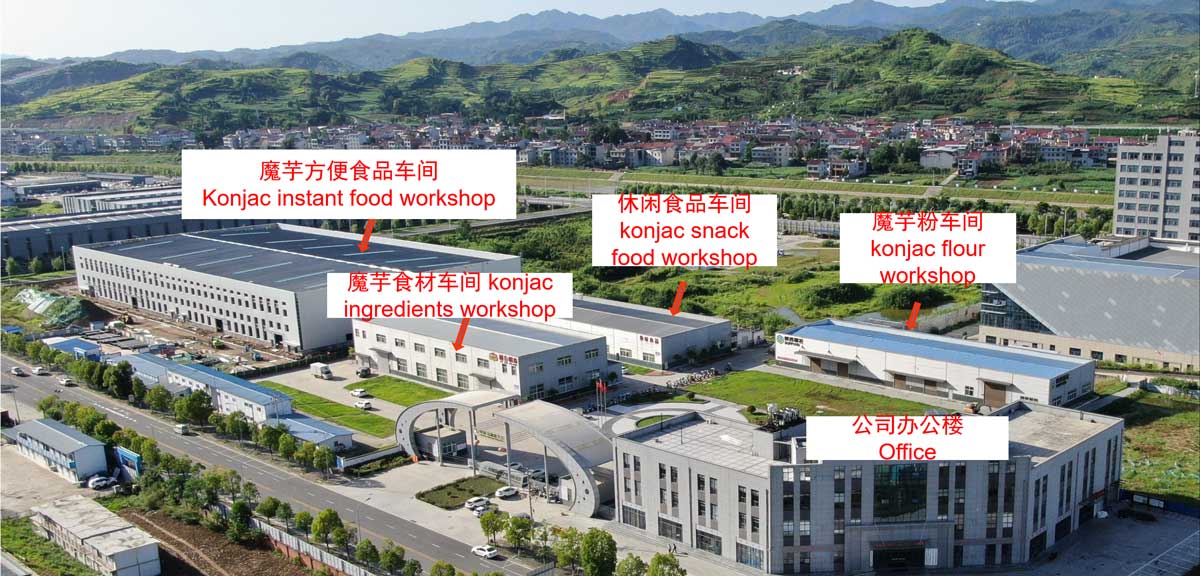
The manufacturing of high-quality konjac flour pasta for the ketogenic market requires rigorous quality control and advanced processing technology. Raw konjac corms contain sulfur compounds that can impart a distinct fishy odor if not processed correctly.
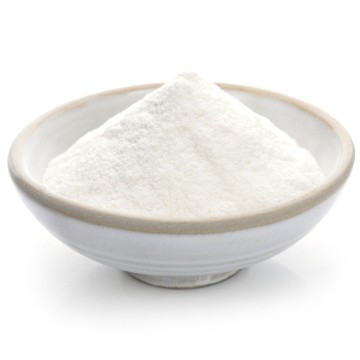
Leading manufacturers utilize multi-stage alcohol washing and purification systems to extract premium glucomannan powder with a purity level exceeding 90%. This high purity is crucial for eliminating off-flavors and ensuring a neutral base that readily absorbs the flavors of accompanying sauces and seasonings.
Furthermore, the gelation process—where konjac flour is mixed with alkaline water (typically calcium hydroxide) and heated—must be precisely controlled. Modern extrusion lines utilize automated temperature and pH monitoring to ensure consistent noodle thickness, elasticity, and shelf stability. For ketogenic brands, incorporating protein (such as pea or whey protein) or superfood flours (like highland barley) into the konjac matrix has emerged as a premium customization trend, offering enhanced nutritional profiles and superior texture.
Konjac flour pasta is no longer just a simple dietary substitute; it has branched into highly diverse functional food sectors:
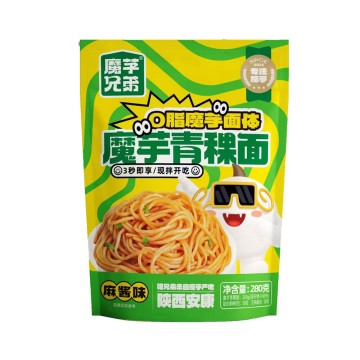
With busy lifestyles, consumers demand healthy meals that require zero preparation time. Wet-packaged konjac noodles pre-batched with keto-compliant sauces (such as sesame paste, olive oil pesto, or spicy chili oil) are capturing the instant meal segment. These products are shelf-stable, microwaveable, and provide a hot, satisfying meal in under two minutes without compromising ketogenic parameters.
Athletes and bodybuilders pursuing lean muscle mass while keeping body fat low utilize protein-infused konjac noodles. By pairing the high-satiety fiber of glucomannan with premium vegetable or dairy proteins, these products offer a dual benefit: muscle recovery support and long-lasting hunger suppression without carb spikes.
Beyond general fitness, konjac pasta serves as a vital component in therapeutic diets for managing Type 2 Diabetes, obesity, and celiac disease. Its extremely low glycemic index prevents postprandial blood glucose spikes, making it a safe choice for clinical meal plans.
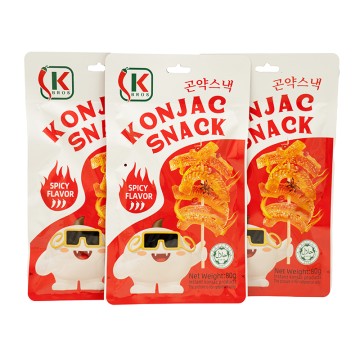
As a 100% plant-based ingredient, konjac is naturally vegan. Obtaining Halal and Kosher certifications allows global distributors to market konjac snacks and noodles across diverse cultural demographics, expanding market reach from Middle Eastern markets to Western health food chains.