 86+09153618258
Leave Your Message
-
Contact Phone
-
 Contact Email
Explore our leading konjac formulations developed for health-conscious global markets.
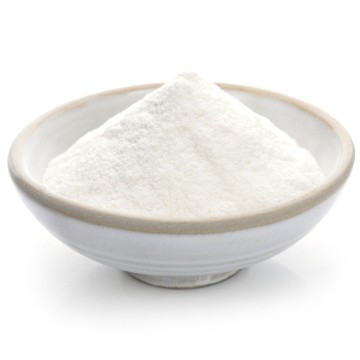
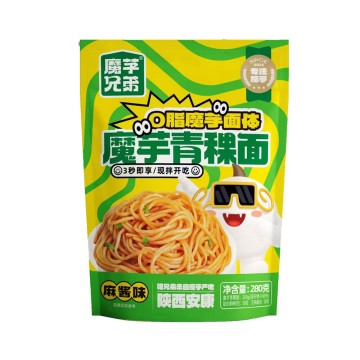
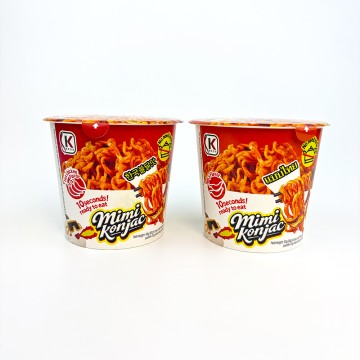
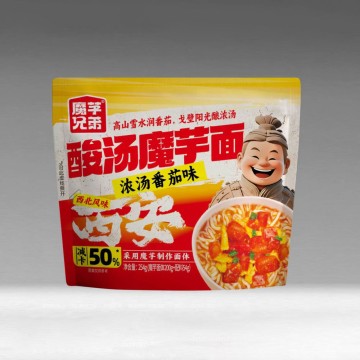
In the modern functional food landscape, the demand for dietary fiber supplements has transitioned from simple powders and capsules to highly palatable, everyday food formats. Among these, Konjac Green Bean Noodles represent a significant technological and nutritional breakthrough. By blending the high-viscosity soluble fiber of konjac glucomannan with the nutrient-dense, structural properties of green bean starch, food scientists have developed a staple food that serves as an efficient vehicle for daily dietary fiber supplementation.
The global dietary fiber gap is a well-documented public health concern. While clinical guidelines recommend a daily intake of 25 to 38 grams of fiber, the average modern diet delivers less than half of this requirement. This chronic deficit contributes to metabolic disorders, gastrointestinal inefficiencies, and systemic inflammation. Konjac Green Bean Noodles address this nutritional deficit directly, offering a low-glycemic, low-calorie alternative to traditional wheat-based pasta while delivering a high concentration of soluble and insoluble dietary fibers.
Konjac glucomannan is a highly viscous soluble fiber that can absorb up to 50 times its weight in water, promoting satiety and delaying gastric emptying.
Green bean starch contributes resistant starch (RS), which escapes digestion in the small intestine to act as a direct fuel source for beneficial gut bacteria.
The combination of soluble and prebiotic fibers selectively stimulates the growth of Bifidobacteria and Lactobacilli, optimizing gut microbiome health.
The primary functional component of konjac is glucomannan (KGM), a water-soluble polysaccharide consisting of D-mannose and D-glucose units. KGM’s unique physical property lies in its molecular weight and viscosity, which are among the highest of any known dietary fibers. When consumed, KGM forms a highly cohesive gel-like mass in the digestive tract. This gel matrix physically slows down the enzymatic breakdown of carbohydrates and the absorption of lipids, leading to a flatter postprandial glucose curve and improved lipid profiles.
Integrating green bean starch into this matrix resolves a long-standing organoleptic challenge. Traditional 100% konjac noodles often exhibit a rubbery, gel-like texture that Western consumers find unappealing. Green bean starch provides structural integrity, creating a noodle that mimics the "al dente" bite of traditional semolina pasta. This textural enhancement is critical for consumer compliance; if a functional food does not taste good, consumers will not incorporate it into their daily routines long enough to experience its systemic health benefits.
The commercial market for konjac-based products has shifted from a niche Asian culinary tradition to a multi-billion-dollar global health food industry. According to recent market analysis, the global konjac market is projected to grow at a CAGR of over 7.5% through the next decade. This growth is heavily driven by the expansion of the "Clean Label" movement, the rise of ketogenic and low-carb lifestyles, and an increasing clinical focus on preventative gut health.
Modern consumers are experiencing "pill fatigue." The preference has shifted decisively toward getting functional nutrients—like dietary fiber, probiotics, and bioactive compounds—through regular meals rather than dietary supplement capsules. Konjac Green Bean Noodles sit at the center of this behavioral shift, transforming a standard dinner staple into a therapeutic dietary intervention.
From an industrial manufacturing perspective, China remains the global epicenter for konjac cultivation and processing, particularly in the mountainous regions of Sichuan, Yunnan, and Hubei. The local climate and soil conditions are optimal for growing high-quality Amorphophallus konjac tubers. Advanced processing facilities in these regions have evolved from producing raw konjac flour to manufacturing highly refined glucomannan powders and sophisticated, shelf-stable noodle formulations. This vertical integration allows suppliers to maintain strict quality control, ensuring that the bioactive properties of the glucomannan remain intact throughout the manufacturing process.
Furthermore, B2B procurement of konjac products has become highly standardized. Global food brands and pharmaceutical companies require ingredients that comply with international food safety certifications, including ISO, HACCP, Kosher, Halal, and USDA Organic. The ability to supply consistent, high-purity glucomannan with customized particle sizes and viscosity profiles is a key differentiator for premium Chinese manufacturers in the global market.
Partnering with global brands to deliver customized, high-quality functional fiber products.
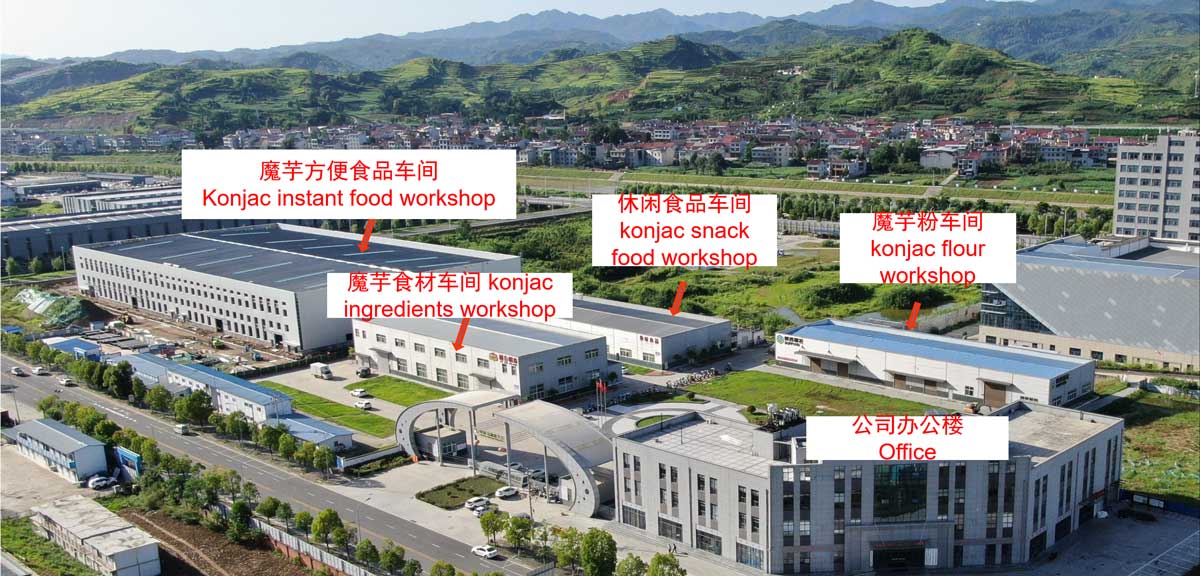
We offer full-process customized services from product design, R&D to manufacturing. We support customers to independently define product formulas, specifications, packaging and process flows according to their own needs, and we are responsible for production implementation to help customers create exclusive branded products.
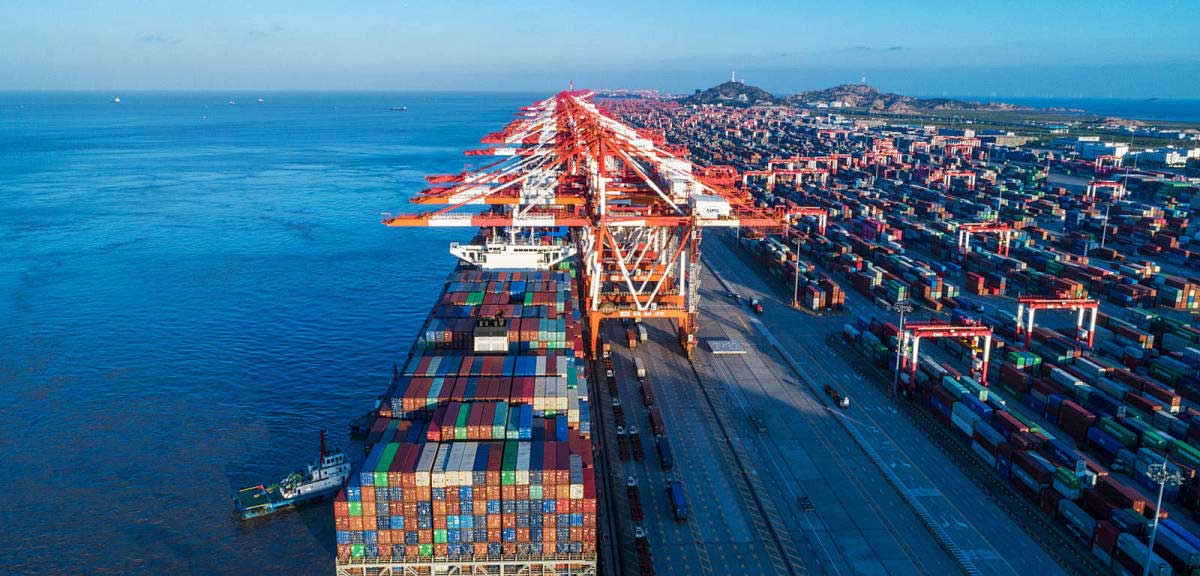
We provide one-stop professional foreign trade export services, covering customs declaration, inspection, international logistics, document processing and other full-link services. We support two trade terms: FOB (Free On Board) and CIF (Cost, Insurance and Freight), and offer various international freight solutions such as door-to-port and port-to-port to ensure safe and on-time delivery of goods to global destinations.

We carry out joint R&D cooperation with enterprises in different industries, integrating the technical, resource and market advantages of both parties to jointly develop innovative products. Focusing on the fields of healthy food and functional ingredients, we create differentiated products that meet new market demands through cross-border technology integration and formula innovation.

We provide full-link support for brand marketing and communication, including market research, brand positioning, content planning, and online & offline promotion planning. Combining industry trends with customer brand characteristics, we develop precise promotion strategies to enhance product visibility and market share.
The utility of Konjac Green Bean Noodles extends far beyond a simple diet meal. Its unique biochemical structure makes it highly effective across several distinct therapeutic and lifestyle application scenarios:
Obesity management relies heavily on caloric restriction and satiety control. Traditional calorie-restricted diets often fail due to the physiological triggers of hunger. Konjac Green Bean Noodles provide a mechanical solution to this problem. Upon entering the stomach, the glucomannan fiber absorbs gastric juices, expanding to create a physical feeling of fullness. This expansion stimulates mechanoreceptors in the stomach wall, sending signals of satiety to the brain via the vagus nerve. Furthermore, because these noodles have an extremely low caloric density, patients can consume satisfying portion sizes without exceeding their daily energy expenditure limits.
For individuals with insulin resistance or type-2 diabetes, postprandial glucose spikes are a constant hazard. Traditional refined wheat noodles cause a rapid rise in blood glucose due to their fast digestion rate. In contrast, the viscous gel formed by the glucomannan in Konjac Green Bean Noodles slows the rate at which food leaves the stomach and delays the absorption of glucose in the small intestine. This gradual absorption pattern prevents sharp insulin spikes, helps maintain stable blood sugar levels throughout the day, and improves overall HbA1c levels when consumed consistently.
Soluble fibers are clinically proven to assist in lowering blood cholesterol levels. The mechanism involves the binding of bile acids in the intestinal lumen. The high-viscosity gel of glucomannan traps bile acids, preventing their reabsorption and forcing their excretion. To synthesize new bile acids, the liver must draw cholesterol from the bloodstream, thereby reducing circulating low-density lipoprotein (LDL) cholesterol levels. Regular consumption of fiber-rich konjac noodles thus serves as a non-pharmacological approach to managing mild hypercholesterolemia and supporting long-term cardiovascular health.
As the global population ages, age-related digestive issues, particularly chronic constipation and sluggish bowel motility, are becoming more prevalent. Geriatric patients often struggle with traditional fiber supplements due to swallowing difficulties or the unpalatable texture of fiber powders. Konjac Green Bean Noodles offer a soft, easily chewable, and highly hydrating food option. The soluble fiber adds bulk to the stool and retains moisture, facilitating gentle peristalsis and alleviating constipation without the need for laxatives.
The production of high-quality Konjac Green Bean Noodles is a sophisticated process that requires precise biochemical and thermodynamic control. The primary challenge in manufacturing konjac noodles is the stabilization of the glucomannan gel. Konjac glucomannan forms a thermally stable, irreversible gel only when exposed to a mild alkaline environment (typically using food-grade calcium hydroxide) and heated. If the alkalinity is too high, the noodles will have an unpleasant chemical taste; if it is too low, the gel structure will fail, resulting in a mushy product that cannot survive the packaging and sterilization processes.
To integrate green bean starch successfully, modern processing lines utilize advanced twin-screw extrusion technology. The green bean starch must be gelatinized and blended with the konjac paste under controlled temperature profiles. This process ensures that the starch molecules are evenly dispersed within the glucomannan matrix, creating a coherent, resilient fiber-starch network. This network is what gives the noodles their desirable texture and prevents them from dissolving when cooked in hot soups or stir-fries.
Quality control is maintained through rigorous testing at every stage of production:
As the functional food market continues to evolve, several key trends are shaping the future of the konjac and dietary fiber industry:
While low-calorie and high-fiber profiles remain the primary selling points, manufacturers are increasingly fortifying konjac noodles with additional functional ingredients. This includes incorporating high-protein plant sources (such as pea protein or soy isolates), ancient grains (like highland barley or quinoa), and essential vitamins and minerals. These hybrid formulations aim to transform konjac noodles from a simple "diet food" into a nutritionally complete meal replacement.
Environmental sustainability has become a major purchasing driver for modern consumers. Traditional wet-packed konjac noodles require plastic pouches and water-filled packaging to maintain their shape. The industry is actively researching biodegradable packaging materials and dry-packaging technologies (such as dehydrated konjac noodles) to reduce shipping weight, lower carbon footprints, and minimize plastic waste.
Once confined to specialty Asian grocery stores, konjac products are rapidly expanding into mainstream Western supermarkets, club stores, and online retail platforms. This expansion is supported by clean-label branding, clear nutritional labeling, and recipe adaptations that appeal to Western culinary habits, such as replacing traditional spaghetti or fettuccine with konjac-based alternatives.
In conclusion, Konjac Green Bean Noodles represent a highly successful convergence of agricultural science, food technology, and clinical nutrition. By offering a delicious, versatile, and highly functional food format, they provide an effective solution to the global dietary fiber gap, supporting metabolic health, weight management, and digestive wellness on a global scale.
Discover our full range of premium konjac flour, noodles, and functional food solutions.