
 86+09153618258
Leave Your Message
-
Contact Phone
-
 Contact Email
The modern dairy and plant-based alternative industry is currently undergoing a massive paradigm shift. As consumers become increasingly conscious of the ingredients in their food, the demand for clean-label, sustainable, and highly functional additives has skyrocketed. Traditionally, the dairy industry has relied heavily on animal-derived gelatin or synthetic chemical modifiers to achieve the desired viscosity, mouthfeel, and stability in products like yogurt, cheese, and ice cream. However, the introduction of Konjac Green Bean Noodles and their derivative hydrocolloids is fundamentally altering the landscape of dairy thickening.
Konjac glucomannan (KGM), extracted from the root of the konjac plant, combined with the unique amylose-amylopectin ratio found in green bean starch, creates a synergistic hydrocolloid network. This network exhibits extraordinary water-binding capacity, shear-thinning behavior, and thermal stability. When utilized as a thickening agent in dairy products, this innovative blend outperforms conventional stabilizers such as carrageenan, guar gum, and modified corn starches. It not only provides a luxuriously smooth and creamy texture without the unwanted "gummy" or "slimy" residue but also aligns perfectly with vegan, non-GMO, and clean-label consumer trends.
From an industrial perspective, the integration of konjac and green bean starch complexes into dairy processing lines requires minimal retrofitting. These hydrocolloids disperse easily in both cold and hot aqueous systems, making them highly versatile for various pasteurization and homogenization protocols. As global supply chains face volatility regarding traditional gum harvesting, konjac offers a resilient, scalable, and highly efficient alternative that reduces overall formulation costs while elevating the sensory profile of the final dairy product.
One of the most persistent challenges in the production of stirred and set yogurts is syneresis—the unsightly separation of whey from the protein matrix during storage and transportation. By incorporating konjac green bean hydrocolloids, dairy manufacturers can create a robust, three-dimensional gel network that traps water molecules securely within the casein micelle structure. The highly branched green bean starch provides structural rigidity, while the konjac glucomannan offers elasticity. This results in a premium, spoonable yogurt with a glossy finish, enhanced creaminess, and a significantly extended shelf life without the need for excess milk fat.
In frozen dairy applications, texture degradation due to temperature fluctuations (heat shock) is a major quality defect. As ice cream melts and refreezes, large, coarse ice crystals form, ruining the smooth mouthfeel. The konjac-green bean blend acts as a superior cryoprotectant. Its high molecular weight polymers bind free water, drastically reducing the mobility of water molecules at sub-zero temperatures. This effectively inhibits the growth of macroscopic ice crystals. Furthermore, the shear-thinning properties of this thickener ensure that the ice cream mix flows easily through continuous freezers while maintaining excellent overrun (air incorporation) and a slow, indulgent meltdown profile.
For cream cheese, processed cheese, and dairy-based dips, achieving the perfect balance between firmness for packaging and spreadability for the consumer is critical. Traditional gums often lead to a rubbery texture. However, the synergistic interaction between konjac glucomannan and dairy proteins creates a thermoreversible gel that mimics the mouthfeel of high-fat dairy. This allows manufacturers to produce reduced-fat cream cheeses that spread effortlessly straight from the refrigerator, maintaining a rich, full-bodied flavor release without the chalky aftertaste associated with artificial fat replacers.
The explosion of the vegan milk market (oat, almond, soy, and macadamia milks) has highlighted a significant textural deficit. Plant milks naturally lack the complex protein-fat emulsion system of bovine milk, often resulting in a thin, watery consistency. Konjac green bean noodle derivatives are the ultimate solution for this sector. They provide the necessary viscosity and suspension properties to prevent the sedimentation of insoluble plant particles (like almond meal or oat fibers). Moreover, they impart a "dairy-like" richness and opacity, transforming a basic plant beverage into a premium, barista-grade milk alternative that foams perfectly for coffee applications.
Understanding the rheology of the konjac and green bean starch complex is essential for food scientists aiming to optimize dairy formulations. Konjac glucomannan is a neutral polysaccharide consisting of D-mannose and D-glucose units. Because of its specific acetyl groups, it is highly soluble in water, creating highly viscous solutions even at very low concentrations (typically 0.1% to 0.5%). When subjected to the high-shear environments typical of dairy homogenization, traditional starches often suffer from granular breakdown, leading to a loss of viscosity. However, the green bean starch, known for its high amylose content, forms a strong, shear-resistant matrix.
When these two hydrocolloids are co-processed, they exhibit a phenomenon known as synergistic gelation. The linear segments of the konjac polymer align with the amylose chains of the green bean starch, forming double helices and subsequent junction zones. This interaction is highly pH-tolerant, making it exceptionally suitable for acidic dairy environments like kefir, sour cream, and fruit-bottom yogurts where other thickeners might precipitate or lose functionality. Additionally, this complex is stable under ultra-high temperature (UHT) processing, ensuring that the thickening properties remain intact after rigorous sterilization protocols.
As we look toward the future of food technology, the application of konjac green bean derivatives in dairy thickening is poised for exponential growth. The industry is moving rapidly towards precision nutrition and sustainable sourcing. Konjac cultivation requires significantly less water and agricultural inputs compared to traditional starch crops, aligning with global carbon footprint reduction goals. Furthermore, advancements in enzymatic modification and AI-driven predictive modeling in food science are allowing researchers to tailor the molecular weight of konjac glucomannan for specific dairy applications, creating bespoke textures that were previously impossible.
We anticipate a surge in "hybrid dairy" products—blends of traditional dairy and plant-based ingredients—where konjac will serve as the crucial stabilizing bridge between animal proteins and plant fibers. Additionally, as the functional food market expands, the inherent prebiotic properties of konjac glucomannan (which promotes beneficial gut microbiota) will allow dairy brands to market their thickened yogurts and drinks not just as delicious, but as actively beneficial for digestive health. This dual functionality—superior texturizing combined with physiological health benefits—represents the pinnacle of next-generation food ingredient innovation.
Empowering your brand with cutting-edge konjac hydrocolloid solutions for the dairy sector.



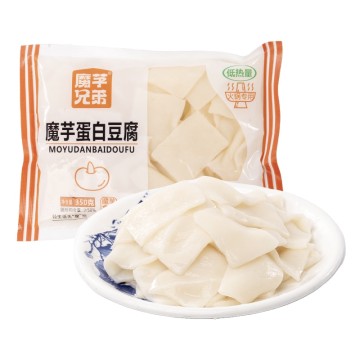 Konjac Brothers High-Protein Konjac Tofu (350g)
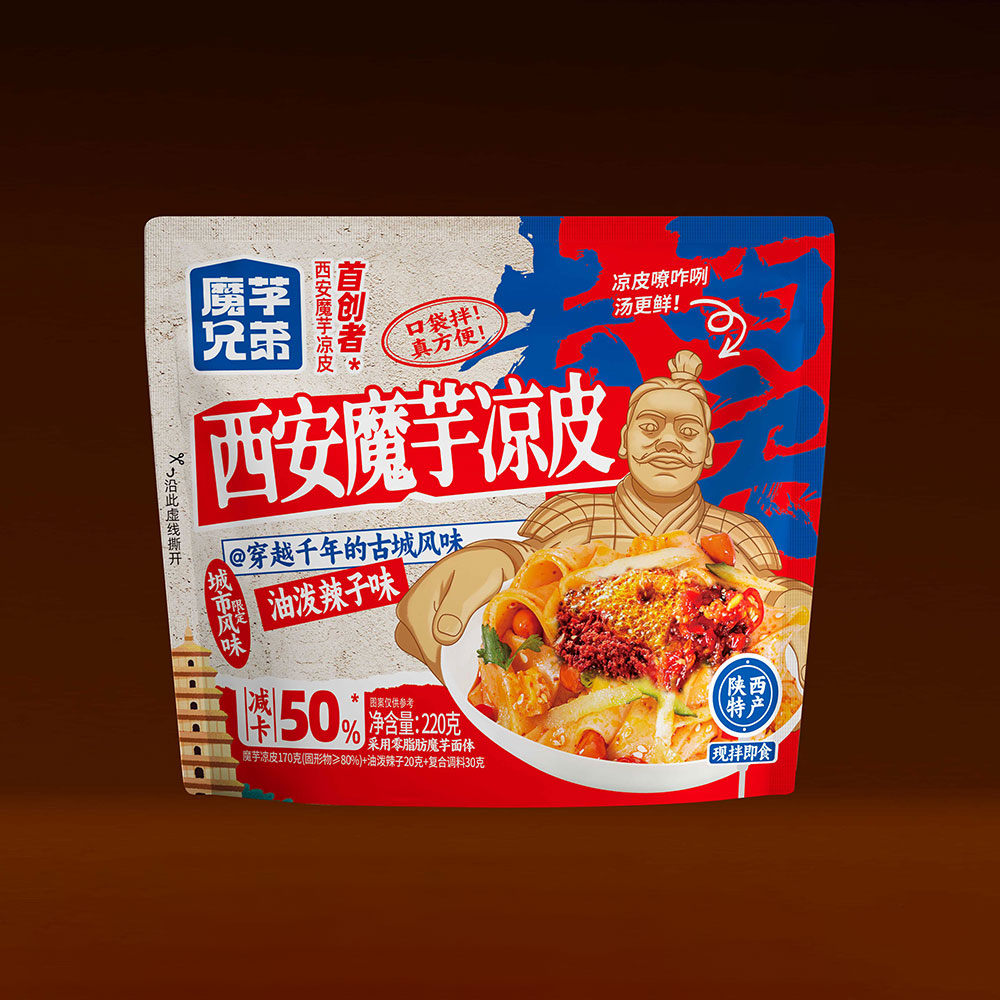 Xi'an Konjac Cold Noodles (220g Pouch) - Chili Oil Splash Flavor
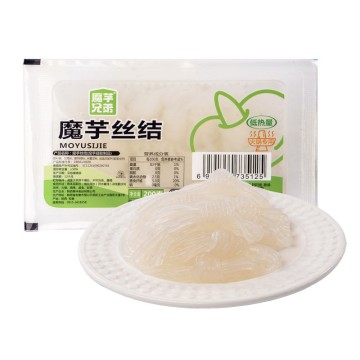 KONJAC BROTHERS Konjac Knots 200g Boxed
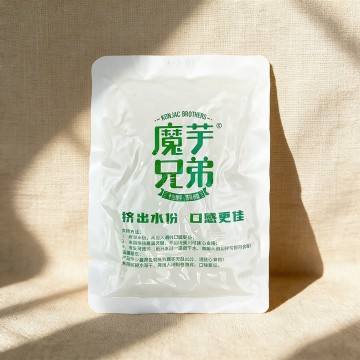 Konjac Noodle Blanks (Semi-Finished)
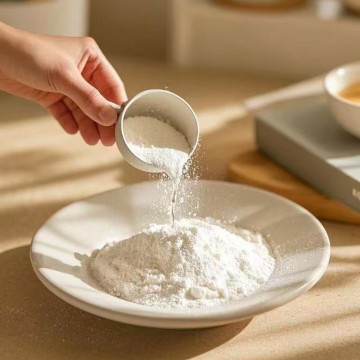 Konjac flour raw material
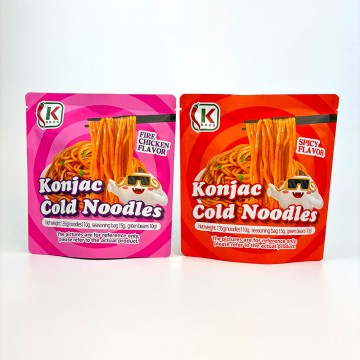 KONJAC BROTHERS Konjac Noodles (135g Pouch)
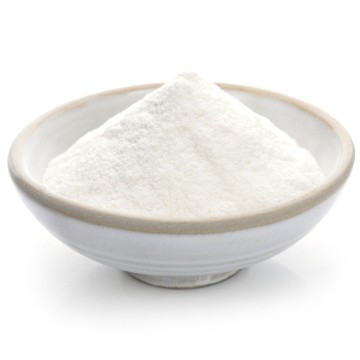 Factory Price Premium Konjac Flour
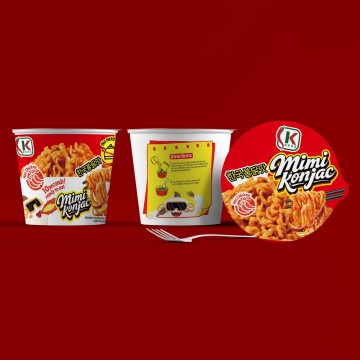 90g Konjac Noodles With HALAL Certificates