 86+09153618258
Leave Your Message
-
Contact Phone
-
 Contact Email
Engineered with micro-encapsulated dietary fibers and phase-stable hydrocolloid cross-linking to support sustained satiety and metabolic balance.
The contemporary global market for dietary foods and clinical weight-control interventions is transitioning rapidly from severe caloric deprivation to precision nutritional engineering. In this landscape, Konjac Green Bean Noodles for Weight Loss Meal Replacement represent a vital technological evolution. The integration of purified glucomannan—derived from the corm of Amorphophallus konjac—with fine starch isolates or plant proteins sourced from green mung beans (Vigna radiata) addresses the principal limitation that has hindered conventional konjac-only noodles: consumer sensory fatigue and poor mouthfeel.
Traditional pure konjac noodles (commonly known as shirataki) provide almost zero functional calories because glucomannan passes undigested through the human upper gastrointestinal tract. However, their brittle, gelatinous texture and characteristic storage odor often deter mainstream consumers seeking an authentic replacement for high-carbohydrate pasta or ramen. By introducing green bean starch elements into the macro-molecular matrix, food scientists have developed a hybrid structure that mirrors the al dente, springy resilience of traditional wheat or rice noodles while maintaining an exceptionally low glycemic load. This enables sustainable caloric restriction programs where dieters achieve steady fat loss without suffering from psychological meal deprivation or textural dissatisfaction.
Optimized glucomannan-to-amylose molecular entrapment creates an elastic gel network that mimics wheat gluten chewiness without caloric density.
High water-retention capacity slows gastric emptying rates, modulates postprandial glucose surges, and stimulates continuous peptide YY and GLP-1 release.
Fully compliant with international food hygiene, non-GMO protocols, Halal certifications, and versatile shelf-stable sterilization profiles.
From an industrial and commercial supply chain perspective, the production of konjac green bean noodles has moved from basic craft drying to continuous automated extrusion and thermal-irreversible gelation systems. In modern production facilities, native glucomannan is rigorously washed to strip residual trimethylamine compounds, removing unpalatable earthy scents. The refined konjac flour is subsequently hydrated in precision-controlled deionized water reservoirs alongside green bean flour components.
The core industrial challenge lies in stabilizing the hydrogen bonding between the highly hydrophilic β-1,4-linked D-mannose and D-glucose chains of glucomannan and the amylose helical chains of green bean starch. When treated under mildly alkaline conditions and exposed to precision thermal pasteurization, this mixture forms an irreversible, highly stable polymeric matrix. As a commercial weight-loss meal replacement, the product withstands acidic broth retort processing without leaching dissolved starches or disintegrating over a 12-to-24-month ambient shelf life. This structural resilience allows international brands, FMCG entities, and healthcare diet providers to package these noodles across diverse formats—from ready-to-eat ambient cups to institutional pouch packs distributed globally.
A successful weight-loss meal replacement must deliver verifiable clinical mechanisms beyond simple water hydration. The operational efficacy of konjac green bean noodles is governed by three primary metabolic pathways:
1. Controlled Gastric Distension and Prolonged Satiety Signaling: Glucomannan is among the most viscous soluble dietary fibers found in nature, capable of absorbing up to 50 times its dry weight in water. Upon entering the stomach, the noodle matrix maintains physical volume while resisting enzymatic breakdown by salivary amylase or gastric pepsin. This physical bulk triggers gastric mechanoreceptors that transmit vagal signals directly to the hypothalamic satiety centers, suppressing the release of ghrelin—the primary hunger hormone—for four to six hours post-ingestion.
2. Attenuation of the Insulinemic Response: Pure starch diets trigger sudden postprandial blood glucose spikes, prompting reactive hyperinsulinemia which shuts down peripheral lipolysis (fat oxidation) and accelerates fat storage. The glucomannan network within green bean noodles forms an unstirred viscous layer along the lumen of the small intestine. This diffusion barrier impedes the transit velocity of mono- and disaccharides toward brush-border enterocytes, flattening both glucose and insulin peaks. As a direct metabolic consequence, the human body maintains a sustained catabolic state favorable for adipose tissue beta-oxidation.
3. Gut Microbiome Fermentation and Short-Chain Fatty Acid (SCFA) Production: Although indigestible in the small intestine, the soluble fiber components of the noodle reaching the caecum and colon undergo active anaerobic fermentation by commensal microbiota (such as Bifidobacterium and Bacteroides species). This fermentation generates high concentrations of acetate, propionate, and butyrate. Propionate works in the liver to inhibit endogenous de novo lipogenesis, while butyrate acts as an energy source for colonocytes and triggers enteroendocrine L-cells to release glucagon-like peptide-1 (GLP-1), reinforcing biological appetite control.
The consumer market for Konjac Green Bean Noodles is diversifying rapidly beyond standard supermarket diet aisles into specialized clinical, active-lifestyle, and institutional food sectors:
Clinical Medical Nutrition: Metabolic clinics, bariatric post-operative recovery programs, and Type-2 Diabetes support centers integrate these noodles as staple carbohydrate substitutes. They provide patients with the psychological comfort of consuming traditional meal staples while preventing glycemic spikes and ensuring adequate gut motility through dense dietary bulk.
Sports Nutrition and Body Recomposition: Professional athletes, bodybuilders, and fitness enthusiasts navigating caloric cutting phases frequently experience severe hunger distress. Konjac green bean noodles allow for the creation of massive "volumetric" meals containing negligible net carbs, enabling high-volume intake while keeping individuals strictly inside their macronutrient limits.
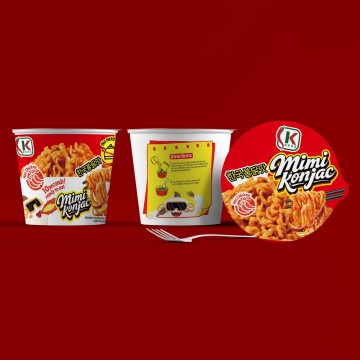
Enterprise Instant Food Solutions: The modern urban consumer demands convenience without nutritional compromise. Global brands are turning to shelf-stable instant bowls featuring konjac green bean noodles paired with freeze-dried vegetables, lean chicken or plant proteins, and low-sodium savory bouillons. These single-serve formats can be regenerated in hot water within minutes, serving office workers who need a non-somnolent, low-carb lunch that sustains high cognitive performance throughout the afternoon.
Empowering global functional food brands with end-to-end R&D formulation, international certified processing, and flexible trade execution.
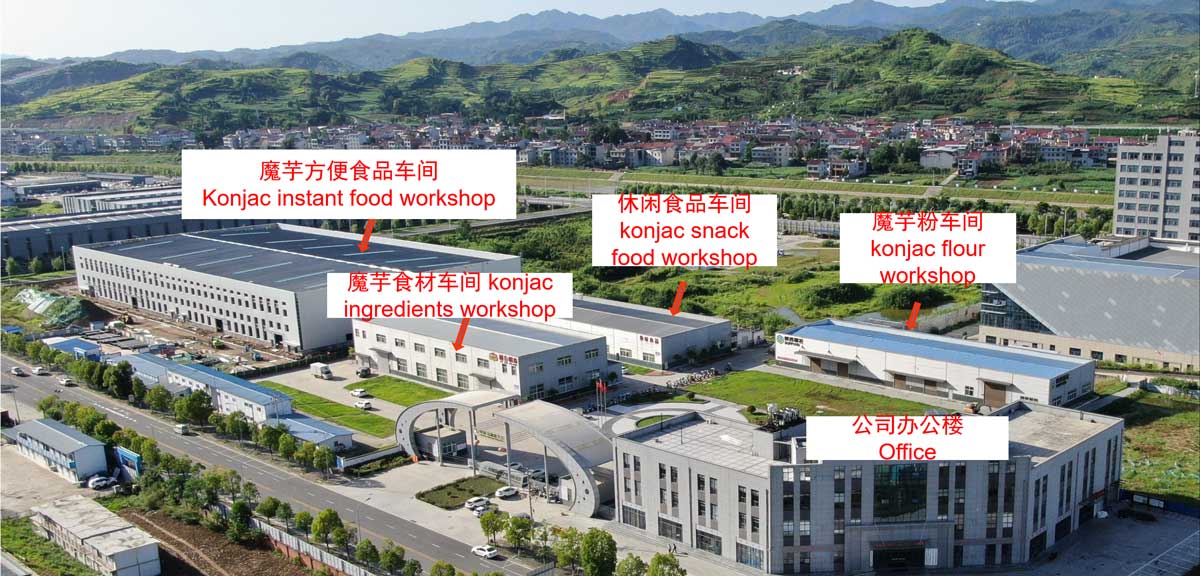
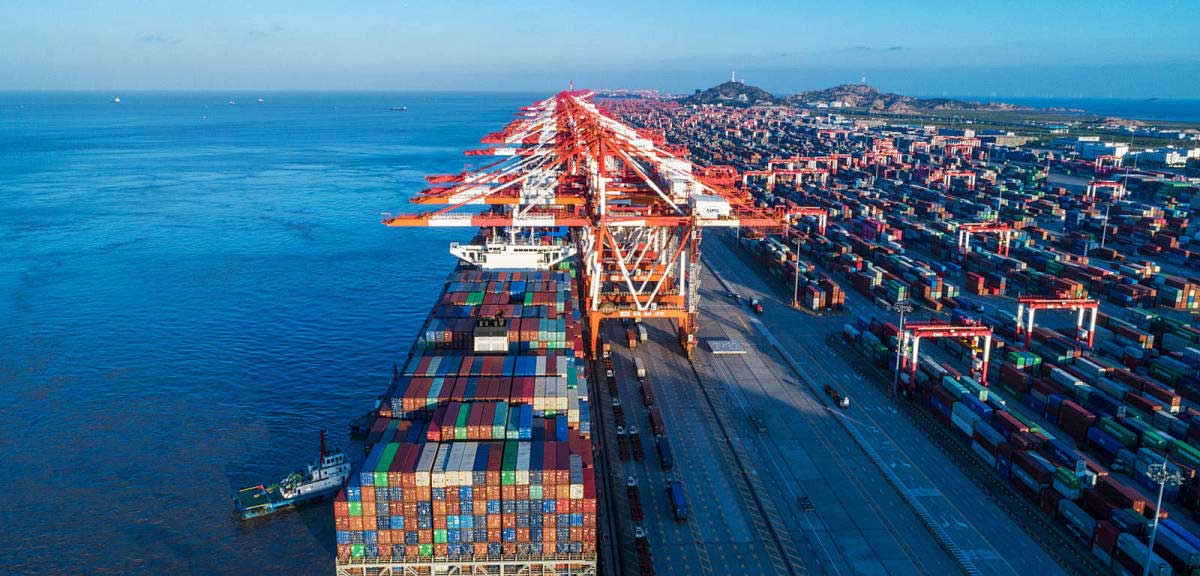


Explore our complete manufacturing catalog across bulk raw materials, retail-ready functional packs, and diverse flavor variants.