86+09153618258
Leave Your Message
-
Contact Phone
-
 Contact Email
Engineered to resist prolonged high-temperature boiling without disintegration, delivering an authentic chew while maintaining zero glycemic spikes.
Navigating postprandial glucose volatility through bio-active polysaccharide fiber matrices.
Hot pot dining stands as one of the most culturally revered communal dining experiences across Asia and increasingly across European and North American culinary capitals. From fiery Sichuan mala broths to delicate Japanese shabu-shabu, Cantonese slow-simmered bone soups, and tomato-based hot pots, the dining format is deeply ingrained in modern social dining. However, for more than 537 million adults globally living with Type 1 or Type 2 diabetes, along with an estimated 541 million individuals with impaired glucose tolerance (prediabetes), conventional hot pot dining presents a severe metabolic hazard.
Traditional hot pot carbohydrate staples rely heavily on high-glycemic-index (GI) ingredients. Deep-fried tofu ribbons, refined wheat noodles, potato vermicelli, sweet potato glass noodles, and sticky rice cakes are rapidly digested, triggering acute postprandial blood sugar spikes followed by hyperinsulinemia and reactive hypoglycemia. Even in broths with moderate sugar levels, rapid carbohydrate absorption from porous starches creates dangerous metabolic instability for diabetic consumers. This clinical reality has long forced diabetic diners into restrictive eating, often having to abstain entirely from noodle courses, starch staples, and broth-infused delights.
Konjac (Amorphophallus konjac) offers an ingenious, science-backed resolution to this dilemma. Composed predominantly of Konjac Glucomannan (KGM)—a water-soluble, non-digestible polysaccharide dietary fiber—konjac hot pot ingredients introduce a unique nutritional dynamic: zero digestible carbohydrates, virtually zero calories, and an extraordinarily low glycemic index (GI < 15). By absorbing up to 50 to 80 times its weight in water, KGM creates an intricate, thermally stable hydrocolloid matrix that remains completely intact during continuous, vigorous boiling in hot pot broth while actively buffering carbohydrate and lipid absorption in the gastrointestinal tract.
High-viscosity glucomannan coats the small intestinal mucosa, delaying gastric emptying and slowing carbohydrate hydrolysis, which effectively flattens post-meal glucose spikes.
Unlike potato or wheat vermicelli that turns mushy and dissolves starch into the soup, konjac's irreversible thermo-gel network withstands prolonged boiling exceeding 100°C.
KGM traps excessive dietary lipids and emulsified fats from rich hot pot broths, while fermenting into beneficial short-chain fatty acids (SCFAs) that enhance insulin sensitivity.
How cutting-edge de-odorization, molecular blending, and precision extrusion elevate konjac into a gourmet hot pot delicacy.
Historically, early-generation shirataki and basic konjac blocks faced substantial resistance in commercial hot pot dining due to two critical sensory shortcomings: an off-putting alkaline fishy odor (caused by calcium hydroxide gelation agents and residual trimethylamine) and an overly rubbery, "chewing-gum-like" mouthfeel that failed to absorb soup seasonings. Today, industrial food processing innovations have radically rewritten this dynamic, establishing Konjac Brothers as a pioneer in advanced functional starch-alternative processing.
Our industrial production facilities deploy multi-stage ethanol washing, vacuum counter-current deodorization, and micro-bubble degasification. This proprietary purification completely eliminates residual volatile amines, yielding ultra-clean, neutral-tasting konjac matrices. When introduced into hot pot broths, modern konjac noodles, knots, and tofu cuts act as pristine sponges that capture the aromatic complexity of spices, mushrooms, and broths without imparting unwanted chemical undertones.
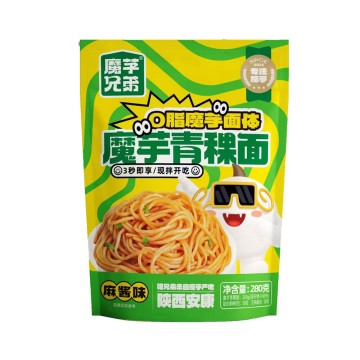
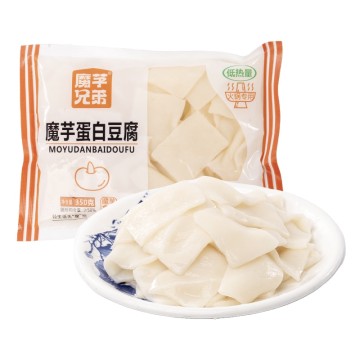
Furthermore, structural optimization has unlocked unprecedented mouthfeel diversity. By integrating bio-compatible whole grains and functional proteins, our engineering team has developed hybrid formulas such as Konjac & Highland Barley Noodles and High-Protein Konjac Tofu. Highland barley contributes beta-glucans and delicate grain elasticity, mimicking traditional al dente hand-pulled noodles, while vegetable protein enrichment creates a silky, melt-in-the-mouth texture comparable to artisanal silken bean curd, all while remaining strictly low-GI and diabetic-safe.
| Ingredient Evaluation Metric | Traditional Wheat Ramen | Sweet Potato Glass Noodles | Modern Konjac Hot Pot Noodles | Diabetic Health Impact |
|---|---|---|---|---|
| Glycemic Index (GI) | High (70 – 85) | Moderate to High (55 – 78) | Very Low (< 15) | Prevents rapid glucose excursions |
| Net Available Carbs (per 100g) | ~65g – 72g | ~80g – 86g | < 0.5g – 3.2g | Eliminates carbohydrate-induced hyperinsulinemia |
| Soluble Dietary Fiber (KGM) | Negligible (< 2g) | < 1.5g | 4.5g – 8.8g | Forms viscous gel; retards intestinal absorption |
| Caloric Density (kcal/100g) | ~340 – 370 kcal | ~330 – 360 kcal | 9 – 25 kcal | Supports metabolic weight loss and satiety |
| Simmering Behavior (>30 min) | Becomes soggy, releases clouding starch | Over-softens, dissolves into broth | Retains firmness and springiness | Leaves broth clear; consistent dining texture |
How the low-glycemic, diabetic-friendly movement is transforming multi-billion dollar HoReCa procurement strategies.
The global market for diabetic-friendly food products is forecasted to surpass USD 24.5 billion by 2030, registering a compound annual growth rate (CAGR) of over 6.8%. Concurrently, the global hot pot restaurant sector represents an estimated USD 50 billion industry with rapid global penetration across Southeast Asia, North America, Oceania, and Western Europe. As lifestyle-related metabolic disorders rise, forward-thinking restaurant operators and food service conglomerates are proactively adjusting their menus to cater to health-conscious diners.
In hot pot chains such as Haidilao, Coucou, Shoo Loong Kan, and independent pan-Asian shabu-shabu restaurants, konjac-based items have transitioned from an afterthought salad topping into prime hot pot menu centerpieces. B2B procurement data indicates a 42% year-over-year surge in restaurant inquiries for customized konjac cuts: wavy ribbons, cellular tripe-textured shreds, thick shirataki bundles, and stuffed konjac balls designed specifically to capture soup seasoning without absorbing heavy oils.
For hot pot brand operators, integrating certified low-GI konjac ingredients delivers substantial commercial advantages:
1. Expanding Patronage Demographics: Captures diabetic, prediabetic, ketogenic, celiac (gluten-free), and weight-conscious family members who previously avoided hot pot gatherings.
2. Extended Ambient Shelf Stability: Modern retorted konjac packaging permits 12 to 18 months of ambient storage at room temperature, dramatically cutting cold-chain logistics and waste.
3. High Yield & Portion Control: Pre-portioned, ready-to-simmer pouch formats enable kitchen line cooks to streamline prep times, reduce labor costs, and achieve precise serving costs.
Standardized bulk packaging (1kg, 2kg, and 5kg packs) formulated with tailored moisture retention, allowing kitchen prep staff to rinse, plate, and serve in under 15 seconds without culinary degradation.
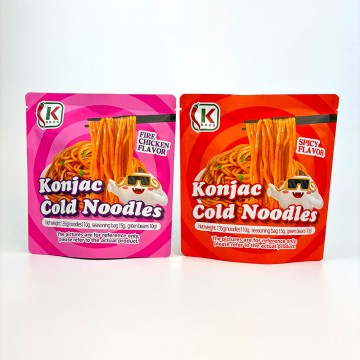
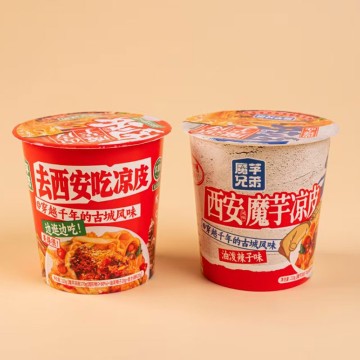
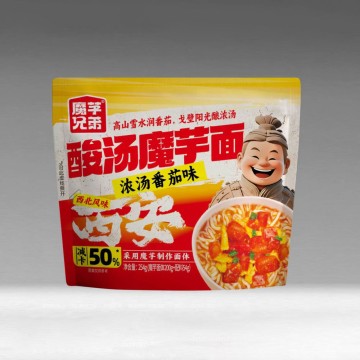
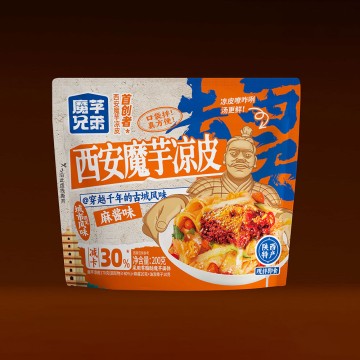
Individual 135g-350g single-serve pouches and meal-prep packs tailored for supermarkets, specialized health-food grocers, and diabetic meal subscription services seeking clean labels and shelf-stable convenience.
Examining compatibility across diverse global broth matrices and institutional catering environments.
Conventional glass noodles act as oil sponges, soaking up hazardous saturated fats. Our dense konjac noodle cuts absorb aromatic capsaicin flavor compounds on the surface without penetrating grease into the core, slashing net caloric and fat load for diabetics.
Naturally acidic broths often break down fragile starches into quick-acting simple sugars. Konjac's cross-linked alkali-set hydrocolloid network is acid-resistant and heat-stable, allowing prolonged simmering without clouding the crystal-clear medicinal broth.
Clinical nutritionists deploy pre-portioned konjac noodle pouches in medical recovery centers, diabetic convalescent homes, and specialized metabolic spas to restore the joy of hot soup dining while enforcing strict glycemic parameters.
Beyond traditional hot pot settings, konjac ingredients are expanding into modern culinary hybrid formats:
• Japanese Sukiyaki & Shabu-Shabu: Konjac Shirataki knots serve as an authentic alternative to glass noodles, absorbing rich soy mirin broth while buffering the sweetness of sukiyaki bases.
• Southeast Asian Laksa & Tom Yum Hot Pot: Konjac noodles maintain a springy, toothsome bite in rich coconut milk and spicy-sour broths, enabling low-carb interpretations of beloved ASEAN hot pots.
• Western Keto Fondue & Broth Bar Systems: High-protein konjac tofu cubes serve as premium skewers for dipping into warm artisanal broths, melted cheeses, and vegetable emulsions without interrupting nutritional ketosis.
Empowering global brands, hot pot chains, and food distributors with turnkey, clinically validated konjac manufacturing capabilities.
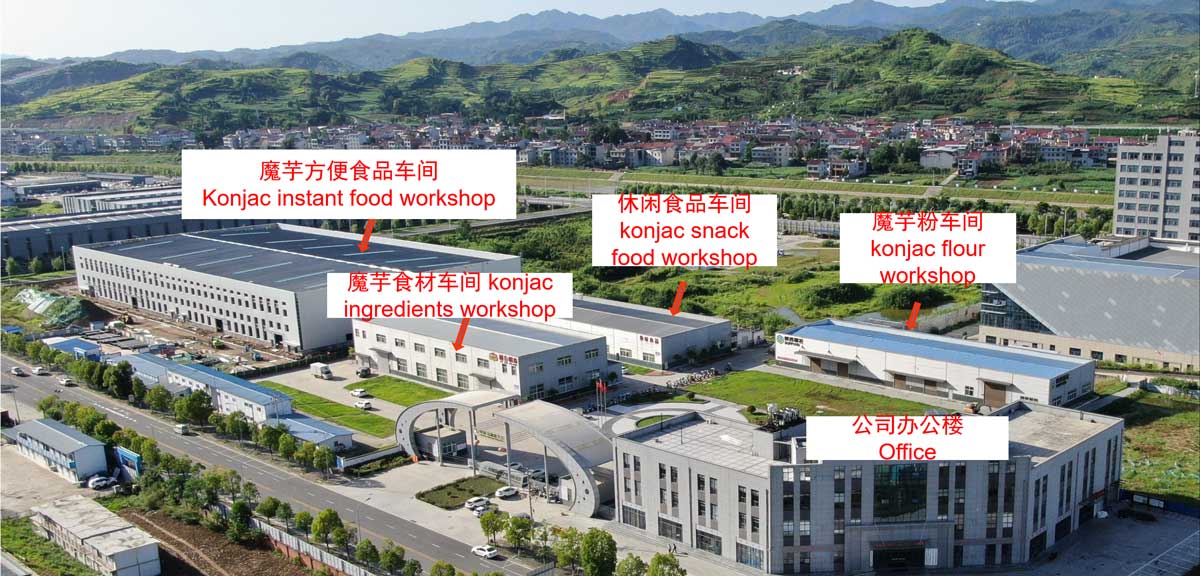
We offer full-process customized services from product design, R&D to manufacturing. We support customers to independently define product formulas, specifications, packaging and process flows according to their own needs, and we are responsible for production implementation to help customers create exclusive branded products.

We provide one-stop professional foreign trade export services, covering customs declaration, inspection, international logistics, document processing and other full-link services. We support two trade terms: FOB (Free On Board) and CIF (Cost, Insurance and Freight), and offer various international freight solutions such as door-to-port and port-to-port to ensure safe and on-time delivery of goods to global destinations.

We carry out joint R&D cooperation with enterprises in different industries, integrating the technical, resource and market advantages of both parties to jointly develop innovative products. Focusing on the fields of healthy food and functional ingredients, we create differentiated products that meet new market demands through cross-border technology integration and formula innovation.

We provide full-link support for brand marketing and communication, including market research, brand positioning, content planning, and online & offline promotion planning. Combining industry trends with customer brand characteristics, we develop precise promotion strategies to enhance product visibility and market share.
3D extrusion texturization, synbiotic infusion, and micronutrient bio-fortification.
As the intersection between functional medicine and food science continues to evolve, the next generation of konjac hot pot ingredients will progress far beyond basic calorie reduction. Three distinct technological breakthroughs are currently shaping our product pipeline:
1. Biomimetic 3D Extrusion Texturing: By utilizing multi-axis high-pressure cold extrusion, konjac glucomannan can now be micro-structured into complex internal capillary networks. These micro-channels allow the ingredient to absorb savory hot pot broths on a microscopic level, producing a satisfying, juicy burst of flavor when bitten into, effectively duplicating the dining experience of traditional braised tofu skins or tripe while remaining 100% plant-based and low-GI.
2. Synbiotic & Prebiotic Fortification: Glucomannan already functions as an exceptional prebiotic fiber, fermenting into propionate and butyrate in the colon. In ongoing collaborative clinical trials, we are integrating spore-forming heat-resistant probiotic strains (such as Bacillus coagulans) directly into the konjac hydrogel matrix. The glucomannan protective sheath shields the probiotics through high-heat hot pot simmering, facilitating targeted release in the lower gastrointestinal tract to restore gut microbiota diversity, which plays a pivotal role in modulating insulin resistance.
3. Targeted Micronutrient Bio-Fortification: Type 2 diabetics frequently suffer from subclinical deficiencies in essential metabolic minerals, notably Chromium (Cr), Zinc (Zn), and Magnesium (Mg)—cofactors crucial for insulin receptor tyrosine kinase activity. By chelating these trace elements into the konjac polysaccharide chain during cross-linking, modern konjac hot pot ingredients serve as functional dietary vehicles, delivering verified micronutrient replenishment during casual social dining.
Explore our complete range of certified low-GI konjac noodles, tofu, and ready-to-serve culinary specialties.