
 86+09153618258
Leave Your Message
-
Contact Phone
-
 Contact Email
Premium hydrocolloid-rich konjac cuts and shelf-stable pasta shapes optimized for high-temperature cooking, hot pot processing, and commercial pasta lines.
The global food manufacturing landscape is undergoing a structural paradigm shift driven by rising consumer demand for functional, zero-glycemic, and allergen-free dietary alternatives. Historically anchored in traditional East Asian gastronomy, Konjac hot pot ingredients—such as konjac knots (shirataki), sliced konjac slabs, and high-density konjac pearls—have transitioned from local culinary specialties into pivotal raw materials for large-scale industrial gluten-free pasta production.
Gluten-free pasta extrusion traditionally suffers from severe structural challenges. The lack of a wheat gluten matrix often results in mushy textures, elevated starch leaching during boiling, poor al dente tensile strength, and rapid degradation in high-retort processing environments. By integrating refined Konjac Hydrocolloid Formulations into commercial pasta production lines, food engineers can simulate the elasticity, viscoelasticity, and bite profile of traditional durum wheat semolina without introducing dietary allergens or high carbohydrates.
Konjac glucomannan forms an irreversible heat-stable gel when combined with mild alkaline agents, allowing pasta to withstand prolonged hot pot boiling and retorting.
Exhibits powerful cross-linking synergy with starches, pea protein, and highland barley to recreate authentic "al dente" bite profiles in gluten-free pasta formulations.
Composed of over 85% soluble dietary fiber (Glucomannan), meeting strict low-carb, keto, non-GMO, and vegan dietary compliance standards worldwide.
At the heart of konjac's unique properties is Konjac Glucomannan (KGM), a high molecular weight water-soluble polysaccharide consisting of D-glucose and D-mannose units joined by β-1,4 linkages with acetyl side groups. KGM possesses the highest viscosity among all natural dietary fibers, absorbing up to 200 times its weight in water to create ultra-dense, elastic hydrogels.
When applied to gluten-free pasta manufacturing, KGM functions as a structural binder and moisture stabilizer. During industrial extrusion, KGM molecules interlock with starch granules and plant proteins, entrapping moisture within a hydrophobic gel network. This prevents starch gelatinization breakdown during boiling—a critical advantage for both high-temperature Asian hot pots and ready-to-eat microwaveable Western pasta dishes.
| Physicochemical Parameter | Standard Konjac Flour | Purified High-Viscosity KGM | Industrial Pasta Grade KGM |
|---|---|---|---|
| Glucomannan Content (%) | ≥ 70% | ≥ 85% | ≥ 90% |
| Viscosity (mPa.s / 1% sol) | 15,000 - 25,000 | 25,000 - 36,000 | > 38,000 |
| pH Gelation Range | 9.0 - 11.0 | 8.5 - 10.5 | Thermally De-acetylated Stable Gel (pH 6.0 - 9.0) |
| Syneresis Rate (Water Loss) | < 5.0% | < 2.5% | < 0.8% (Ultra Low Water Release) |
| Thermal Endurance | Up to 100°C | Up to 120°C | Up to 135°C (Retort Pasteurization Safe) |
Explore how enterprise manufacturers utilize versatile konjac hot pot ingredients across modern food production lines to meet diverse culinary requirements.
Conventional pasta in pre-packaged sauces absorbs excess liquid over time, becoming soggy and losing structural integrity. Konjac-infused pasta shapes—derived from high-density hot pot noodles—maintain zero moisture exchange with ambient sauces. This guarantees a firm texture in shelf-stable penne, fettuccine, and ramen noodle meal kits stored at room temperature for up to 18 months.
In high-volume hot pot restaurant chains, ingredients are simmered continuously in boiling spicy, savory, or acidic broths. Konjac knots, cold noodle strips, and textured konjac slices excel in this environment due to their alkali-set heat irreversibility. Unlike wheat or starch noodles, konjac hot pot ingredients do not cloud the broth, dissolve, or break under long exposure to high heat.
Modern health-conscious food brands are combining refined konjac powder with ancient grains like highland barley, buckwheat, and pea protein isolates. By using konjac as a structural binding matrix, manufacturers achieve a composite gluten-free pasta that delivers authentic mouthfeel, reduced net carbohydrates, enhanced dietary fiber, and elevated protein density.
With diabetic-friendly and ketogenic diets commanding significant market share, konjac noodles offer a virtually zero-calorie, zero-net-carb base. Industrial processing innovations have overcome historical odor challenges through advanced deodorization and multi-stage washing systems, producing neutral-tasting konjac pasta ready to absorb any regional flavor profile.
The global gluten-free food market is projected to reach over $12 billion in the coming years, with gluten-free pasta representing one of the fastest-growing categories (CAGR ~8.7%). Growth is fueled by accelerating celiac disease diagnosis, widespread non-celiac gluten sensitivity, and a systemic lifestyle shift toward low-carb, low-glycemic, and fiber-dense nutrition.
Simultaneously, the global expansion of Asian hot pot culture in North America, Europe, and Southeast Asia has mainstreamed konjac ingredients. Global consumers who first encountered konjac knots in hot pot dining are actively seeking packaged retail variants—such as konjac instant cups, boxed knots, and flavored meal packs—for home consumption.
Transitioning konjac raw materials into standardized Western pasta shapes (e.g., spaghetti, rigatoni, lasagna sheets) requires specialized equipment and process modifications:
End-to-end B2B solutions for food brands, importers, and industrial pasta manufacturers specializing in custom konjac and gluten-free noodle formulations.
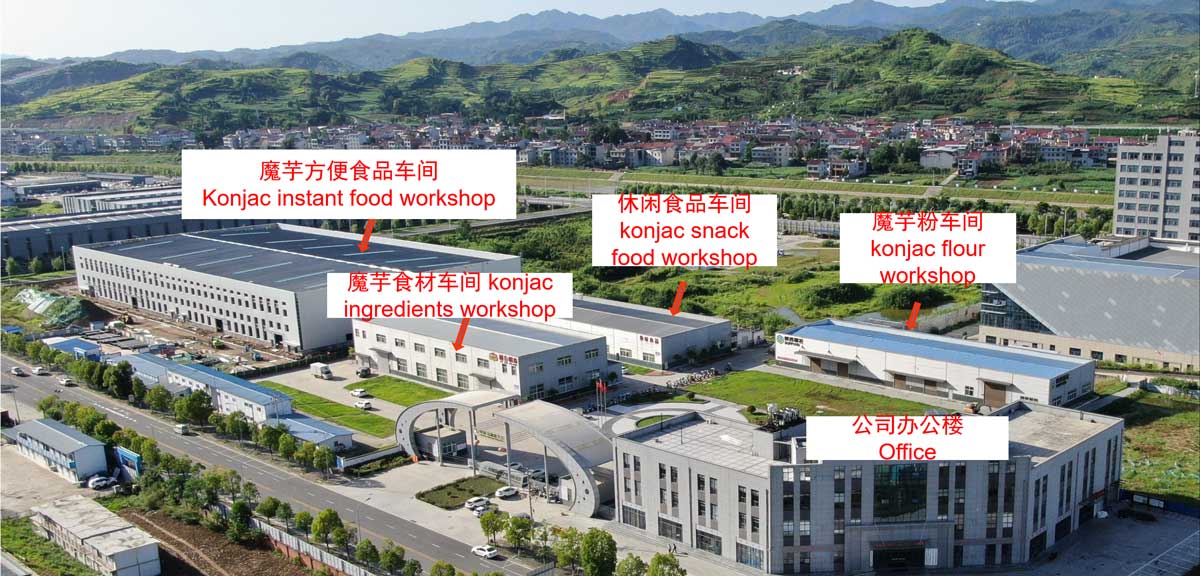
We offer full-process customized services from product design, R&D to manufacturing. We support customers to independently define product formulas, specifications, packaging and process flows according to their own needs, and we are responsible for production implementation to help customers create exclusive branded products.
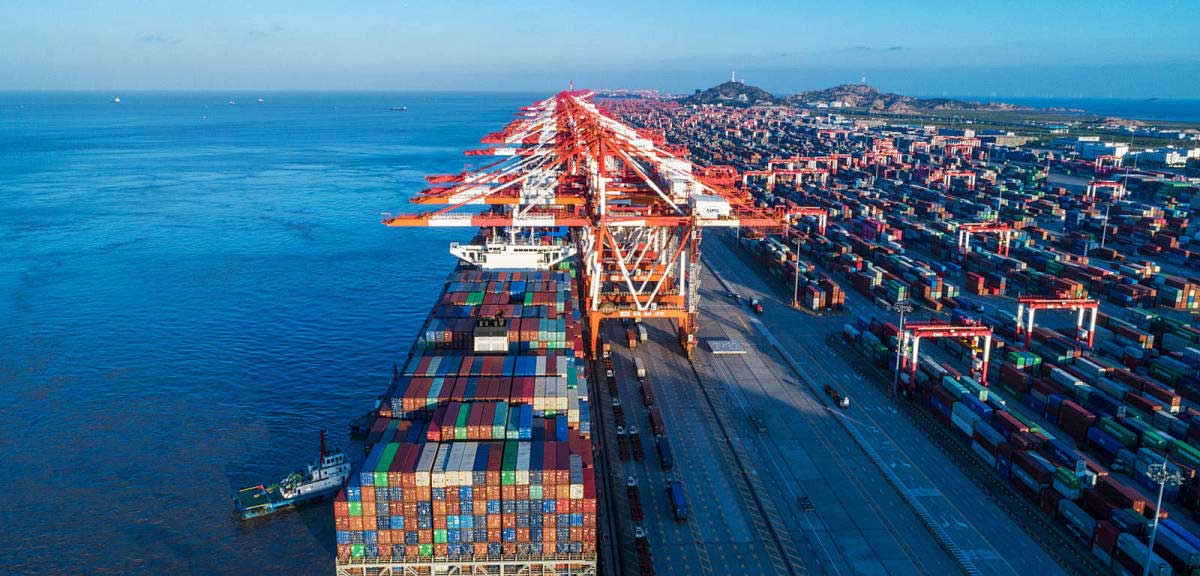
We provide one-stop professional foreign trade export services, covering customs declaration, inspection, international logistics, document processing and other full-link services. We support two trade terms: FOB (Free On Board) and CIF (Cost, Insurance and Freight), and offer various international freight solutions such as door-to-port and port-to-port to ensure safe and on-time delivery of goods to global destinations.

We carry out joint R&D cooperation with enterprises in different industries, integrating the technical, resource and market advantages of both parties to jointly develop innovative products. Focusing on the fields of healthy food and functional ingredients, we create differentiated products that meet new market demands through cross-border technology integration and formula innovation.

We provide full-link support for brand marketing and communication, including market research, brand positioning, content planning, and online & offline promotion planning. Combining industry trends with customer brand characteristics, we develop precise promotion strategies to enhance product visibility and market share.
From raw konjac flour to consumer-ready hot pot noodles and functional pasta blends.
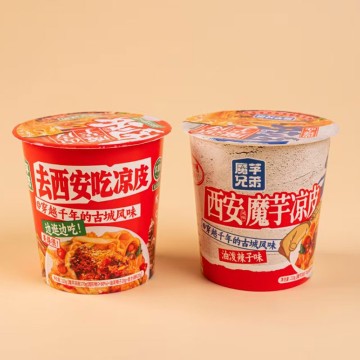
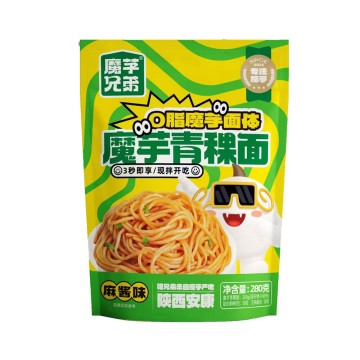
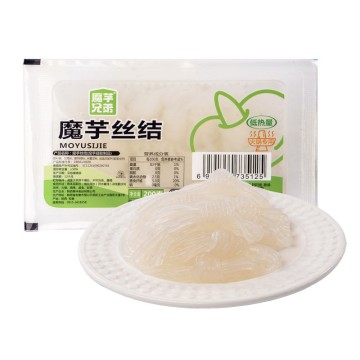
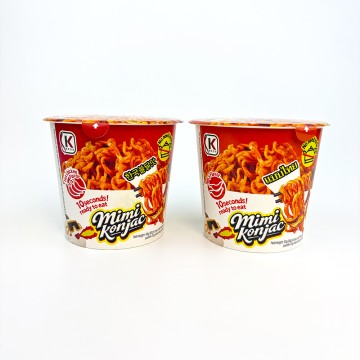
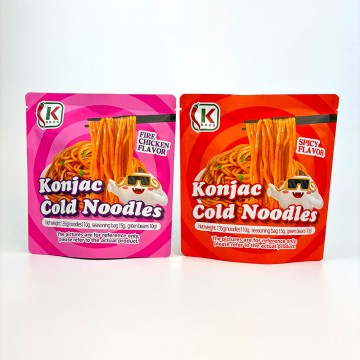
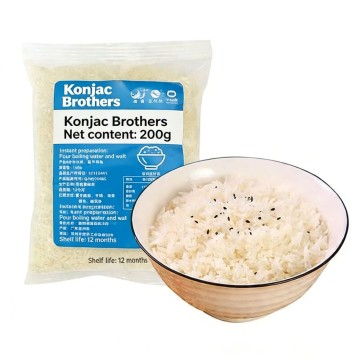
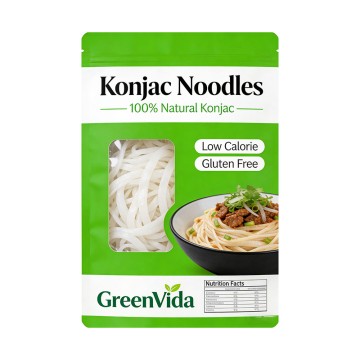
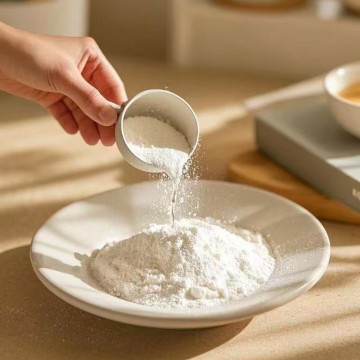
Technical insights into incorporating konjac hot pot ingredients into industrial gluten-free pasta manufacturing.