
 86+09153618258
Leave Your Message
-
Contact Phone
-
 Contact Email
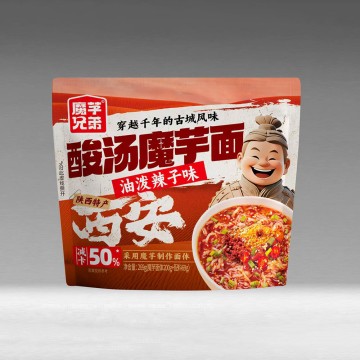 Sour Soup Konjac Noodles - Xi'an Limited Edition | 269g Authentic Shaanxi Flavor
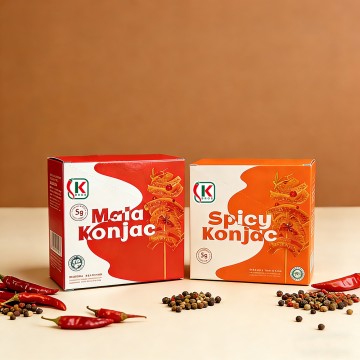 Factory Price Konjac Crisps 200g Boxed - Low Calorie Snack - Spicy & Mala Flavors
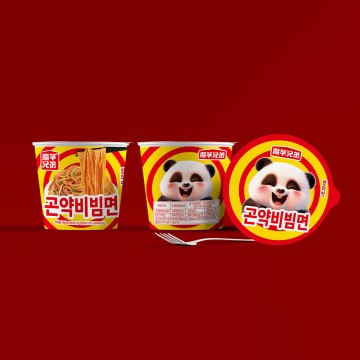 KONJAC BROTHERS Spicy Konjac Noodles Cup (90g) - Premium Instant Food
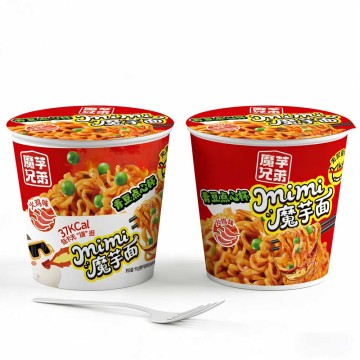 Konjac Green Bean Noodles 90g Cup - Spicy, Hot Chicken, Sesame Flavors
In the modern food processing landscape, the term "Konjac Hot Pot Ingredients" has evolved far beyond its traditional culinary roots. Originally celebrated in Asian cuisine for its unique chewy texture in hot pots, Konjac Glucomannan (KGM) is now a powerhouse in the global dairy industry. As a natural, high-molecular-weight polysaccharide, konjac serves as an exceptional thickening agent, stabilizer, and fat replacer in dairy products ranging from premium yogurts to vegan cheese alternatives.
The industrial status of konjac as a thickener is currently at an all-time high. Manufacturers are moving away from synthetic modified starches and animal-derived gelatins, looking instead toward botanical sources like the Amorphophallus konjac plant. In dairy applications, the synergy between konjac and milk proteins creates a smooth, creamy texture that mimics high-fat content without the added calories. This makes it a critical ingredient for the "Light" and "Zero Fat" dairy segments that dominate supermarket shelves today.
How exactly does a "hot pot ingredient" transform a bottle of milk or a tub of yogurt? The answer lies in the molecular structure of Glucomannan. It possesses the highest viscosity of any known dietary fiber, capable of absorbing up to 50 times its weight in water.
In yogurt production, syneresis (water separation) is a common challenge. Konjac gum acts as a powerful water-binding agent. When used in concentrations as low as 0.05% to 0.1%, it significantly improves the viscosity and prevents the whey from separating. For drinkable yogurts, it provides a "full-bodied" mouthfeel that consumers associate with premium quality.
In the realm of frozen dairy, konjac is used to control ice crystal growth. Large ice crystals result in a gritty texture; konjac ensures that the water molecules remain finely dispersed, resulting in a velvety smooth finish. Furthermore, it increases the melting resistance, allowing the ice cream to maintain its shape longer at room temperature—a vital trait for the logistics and food service industries.
For processed cheese and cream cheese spreads, konjac provides the necessary elasticity and spreadability. It interacts with casein to form a stable matrix. In the growing plant-based cheese market, konjac is perhaps the most critical ingredient for replicating the "bite" and "melt" of traditional dairy cheese.
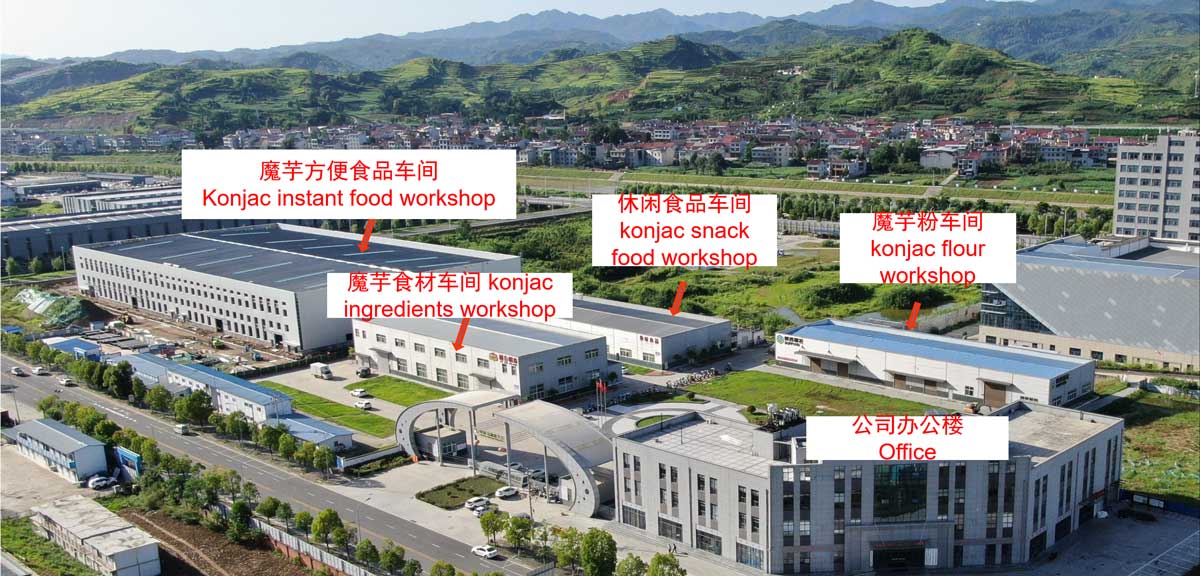



The future of konjac hot pot ingredients in dairy thickening is being shaped by Artificial Intelligence and Biotechnology. We are entering an era where ingredient functionality is predicted by AI algorithms before the first batch is even produced.
AI-Driven Formulation: By analyzing the molecular interaction between konjac and different milk proteins (A1 vs. A2 beta-casein), AI can help food scientists determine the exact ratio of konjac needed to achieve a specific viscosity. This reduces R&D time from months to days, allowing for rapid innovation in "Functional Dairy" (e.g., high-protein, low-sugar yogurts).
Sustainability & Ethical Sourcing: As consumers demand more transparency, the konjac industry is adopting blockchain technology to track the journey from the mountainous farms in China to the final dairy product. This ensures that the "hot pot ingredients" used for thickening are sustainably harvested and ethically processed.
As we look toward 2030, the integration of konjac in dairy will likely expand into "Smart Foods"—dairy products designed to release nutrients slowly in the gut, aided by the unique gelling properties of konjac fiber. This positions konjac not just as a thickener, but as a functional health component.
Sour Soup Konjac Noodles - Xi'an Limited Edition
Factory Price Konjac Crisps 200g Boxed
KONJAC BROTHERS Spicy Konjac Noodles Cup (90g)
Konjac Green Bean Noodles 90g Cup
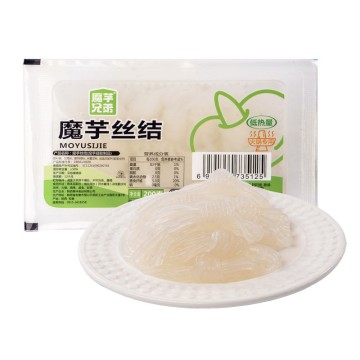 KONJAC BROTHERS Konjac Knots 200g Boxed
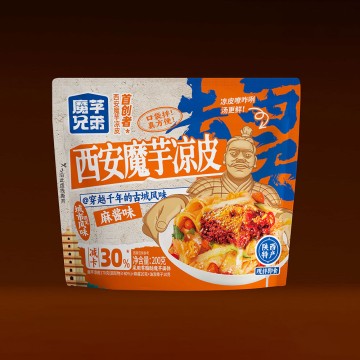 Authentic Xi'an Konjac Cold Noodles (200g Pouch)
Xi'an Konjac Cold Noodles - Sesame Paste Flavor
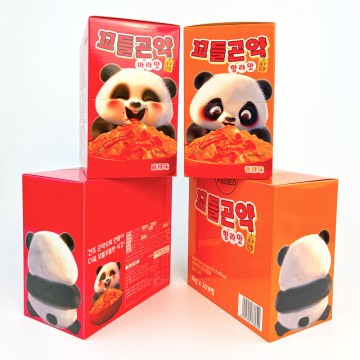 Konjac Brothers Konjac Spicy Slices 360g